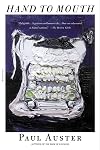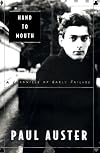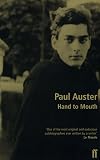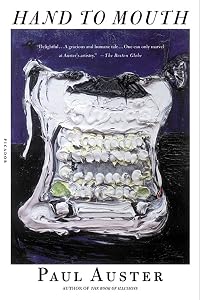
Hand to Mouth: A Chronicle of Early Failure
by Paul Auster
On This Page
Description
This is the story of a young man's struggle to stay afloat. By turns poignant and comic, Paul Auster's memoir is essentially an autobiographical essay about money - and what it means not to have it. From one odd job to the next, from one failed scheme to another, Auster investigates his own stubborn compulsion to make art, and describes his ingenious, often farfetched attempts to survive on next to nothing. From the streets of New York City and Paris to the rural roads of Upstate New York, show more the author treats us to a series of remarkable adventures and unforgettable encounters and, in several elaborate appendixes, to previously unknown work from these years. Here are three plays that contain the seeds of inspiration for some of Auster's future work, a tabletop baseball game (complete with cards and rules), and a pseudonymous detective novel - the author's first full-length novel. Each is an example of Auster's effort to make money; each is an illustration of the artist's mind at work. The result is a book of manifold delights and discoveries, an autobiography that resembles no other. show lessTags
Recommendations


















Member Reviews
Azt hitted, az író alanyban meg állítmányban gondolkodik? Hát nem. Hanem pénzben. Auster mini-önéletrajzában az a szembeszökő, hogy mennyire az anyagi gondok strukturálják. Mintha másról nem is szólna az íróvá válás, mint hogy valaki választ egy hivatást (illetve: a hivatás választja őt), és aztán próbál nem éhen halni. A szabadúszók nyomorúsága, bizony. Vannak persze felhőtlen időszakok: váratlan megbízatások és ösztöndíjak, a szerencse rákacsint az emberre, ilyenkor felszabadultan bóklászhatunk a Champs-Élysées-n szerelmünkkel kézenfogva, élvezve a napsütést, mert nincsen holnap. De aztán bekopog a holnap, kezitcsókolom, mondja, és akkor megint a córesz. Olyan, mint egy show more versenyfutás: rohanunk a hírnév, az anyagi biztonság délibábja felé, vajon odaérünk-e, mielőtt a kudarc szigorú szárnyával beborít?
Auster odaért, hála a Magasságosnak. Ez tudott dolog, és meleg fényben fürdeti ezt a kudarcgyűjteményt. Adjon reményt minden költőnek és írónak az ő sorsa. De figyelmezzetek szavára: senki ne fogjon tollat kezébe, akinek még hó végén is feltett szándéka, hogy a drágábbik parizert veszi ki a hűtőpultból. show less
Auster odaért, hála a Magasságosnak. Ez tudott dolog, és meleg fényben fürdeti ezt a kudarcgyűjteményt. Adjon reményt minden költőnek és írónak az ő sorsa. De figyelmezzetek szavára: senki ne fogjon tollat kezébe, akinek még hó végén is feltett szándéka, hogy a drágábbik parizert veszi ki a hűtőpultból. show less
Az irodalom az egyetlen művészeti ág, ami nem tud átlépni az országhatárokon, különösen a költészet olyan, mint egy belső poén, a saját csoporton kívül értéktelen - mondta Orwell*. Persze nincs igaza, erre valók a fordítók, az irodalom árnyhősei, akik lehetővé teszik, hogy a különböző kultúrák szóba elegyedjenek egymással - ezt meg Auster mondta. Tudja, mit beszél, franciából fordított szabadúszóként. Verseket is, sokat. Szerencsére neki is remek magyar hangja van: Pék Zoltán.
Nagyon szeretem Auster hangját. Akkor is, amikor fikciót mesél, és akkor is, amikor "csak" a saját életéről beszél, jó vele tölteni az időt.
Nagy kedvenceim (Winter Journal, 4 3 2 1) után életének már elég show more sok része ismerős. Ez a korai kudarcok krónikája, a kell egy "rendes" állás, mert az írásból nem lehet megélni gondolata, a Párizsban éhező művész klasszikus képe. Az élménygyűjtés időszaka, Párizsban, Mexikóban, olajszállító hajón vagy épp egy nyári tábor konyháján. Aztán a családfenntartás felelősségében is szabadúszóként nyomorogva annyira kiégésé, hogy már exírónak nevezi magát. El sem tudom képzelni a kortárs amerikai irodalmat nélküle.
A végén kicsit talán hirtelen szaladtunk át az és aztán mi esett még szét, és hogyan került egyenesbe kérdésén, nekem gyors lett a lezárás.
(Van benne egy mondat, aminek egyszerűen nincs értelme, ha egyszer hozzájutok az eredetihez, utánanézek, mi történhetett: "Mindez említést sem érdemelne, ha nincs Casey és Teddy, a két karbantartó, ekkorra azon a nyáron dolgoztam." Gondolom, "akikkel" akart lenni, biztos összecsúszott valahogy a folytatással.)
*The Lion and the Unicorn - England Your England show less
Nagyon szeretem Auster hangját. Akkor is, amikor fikciót mesél, és akkor is, amikor "csak" a saját életéről beszél, jó vele tölteni az időt.
Nagy kedvenceim (Winter Journal, 4 3 2 1) után életének már elég show more sok része ismerős. Ez a korai kudarcok krónikája, a kell egy "rendes" állás, mert az írásból nem lehet megélni gondolata, a Párizsban éhező művész klasszikus képe. Az élménygyűjtés időszaka, Párizsban, Mexikóban, olajszállító hajón vagy épp egy nyári tábor konyháján. Aztán a családfenntartás felelősségében is szabadúszóként nyomorogva annyira kiégésé, hogy már exírónak nevezi magát. El sem tudom képzelni a kortárs amerikai irodalmat nélküle.
A végén kicsit talán hirtelen szaladtunk át az és aztán mi esett még szét, és hogyan került egyenesbe kérdésén, nekem gyors lett a lezárás.
(Van benne egy mondat, aminek egyszerűen nincs értelme, ha egyszer hozzájutok az eredetihez, utánanézek, mi történhetett: "Mindez említést sem érdemelne, ha nincs Casey és Teddy, a két karbantartó, ekkorra azon a nyáron dolgoztam." Gondolom, "akikkel" akart lenni, biztos összecsúszott valahogy a folytatással.)
*The Lion and the Unicorn - England Your England show less
‘A salto mata’ es una novela corta que narra los duros inicios de Paul Auster en el mundo de la escritura. Paul Auster nos cuenta sus problemas con el dinero, cuya falta le llevó casi al desastre. Tuvo que realizar diversos trabajos (tripulante en un petrolero, traductor, crítico, etc.), ninguno de los cuáles tienen nada que ver con el trabajo de escritor, pero que sin embargo le ayudan a conocer a todo tipo de personas. Todas estas experiencias vitales repercutirán en su narrativa futura, conformando al actual Paul Auster. Se trata de una muy buena autobiografía, sincera y humana, narrada desde la humildad.
El libro se completa con tres apéndices. En el primero se nos presentan tres obras de teatro escritas por Paul Auster show more entre 1976 y 1977: ‘Laurel y Ardí van al cielo’, ‘Escondite’ y ‘Apagones’, sin duda la mejor de las tres. Son realmente flojitas y solo interesantes a aquellos aficionados obsesionados por completar la obra del autor. A mi entender, son completamente prescindibles. El segundo apéndice es otro tanto de lo mismo, ya que se trata de un juego de cartas, ‘Béisbol en acción’, que Auster ideó en su adolescencia y que resucitó más tarde para ver si podía hacer algo de dinero con él. No pasa de una mera curiosidad.
Pero llegamos al tercer apéndice, ‘Jugada de presión’, una novela policíaca escrita por Paul Auster en 1978, y publicada bajo el seudónimo de Paul Benjamin; se trata por tanto uno de sus primeros trabajos. Auster realiza todo un homenaje al género negro: un detective privado contratado por una antigua estrella del béisbol, metido ahora en política, que ha recibido una amenaza por carta. En ella nos encontramos todos los ingredientes del género negro más clásico: un protagonista de fina ironía, mafia, infidelidades, policías pasados de vueltas, amantes despechados, palizas y asesinatos. La novela trascurre de manera lineal y te atrapa desde el primer momento. Sin ser la mejor obra de Auster, resulta una muy buena novela negra, bien escrita, y con un escritor que ya empezaba a afinar su estilo. show less
El libro se completa con tres apéndices. En el primero se nos presentan tres obras de teatro escritas por Paul Auster show more entre 1976 y 1977: ‘Laurel y Ardí van al cielo’, ‘Escondite’ y ‘Apagones’, sin duda la mejor de las tres. Son realmente flojitas y solo interesantes a aquellos aficionados obsesionados por completar la obra del autor. A mi entender, son completamente prescindibles. El segundo apéndice es otro tanto de lo mismo, ya que se trata de un juego de cartas, ‘Béisbol en acción’, que Auster ideó en su adolescencia y que resucitó más tarde para ver si podía hacer algo de dinero con él. No pasa de una mera curiosidad.
Pero llegamos al tercer apéndice, ‘Jugada de presión’, una novela policíaca escrita por Paul Auster en 1978, y publicada bajo el seudónimo de Paul Benjamin; se trata por tanto uno de sus primeros trabajos. Auster realiza todo un homenaje al género negro: un detective privado contratado por una antigua estrella del béisbol, metido ahora en política, que ha recibido una amenaza por carta. En ella nos encontramos todos los ingredientes del género negro más clásico: un protagonista de fina ironía, mafia, infidelidades, policías pasados de vueltas, amantes despechados, palizas y asesinatos. La novela trascurre de manera lineal y te atrapa desde el primer momento. Sin ser la mejor obra de Auster, resulta una muy buena novela negra, bien escrita, y con un escritor que ya empezaba a afinar su estilo. show less
Az irodalom az egyetlen művészeti ág, ami nem tud átlépni az országhatárokon, különösen a költészet olyan, mint egy belső poén, a saját csoporton kívül értéktelen - mondta Orwell*. Persze nincs igaza, erre valók a fordítók, az irodalom árnyhősei, akik lehetővé teszik, hogy a különböző kultúrák szóba elegyedjenek egymással - ezt meg Auster mondta. Tudja, mit beszél, franciából fordított szabadúszóként. Verseket is, sokat. Szerencsére neki is remek magyar hangja van: Pék Zoltán.
Nagyon szeretem Auster hangját. Akkor is, amikor fikciót mesél, és akkor is, amikor "csak" a saját életéről beszél, jó vele tölteni az időt.
Nagy kedvenceim (Winter Journal, 4 3 2 1) után életének már elég show more sok része ismerős. Ez a korai kudarcok krónikája, a kell egy "rendes" állás, mert az írásból nem lehet megélni gondolata, a Párizsban éhező művész klasszikus képe. Az élménygyűjtés időszaka, Párizsban, Mexikóban, olajszállító hajón vagy épp egy nyári tábor konyháján. Aztán a családfenntartás felelősségében is szabadúszóként nyomorogva annyira kiégésé, hogy már exírónak nevezi magát. El sem tudom képzelni a kortárs amerikai irodalmat nélküle.
A végén kicsit talán hirtelen szaladtunk át az és aztán mi esett még szét, és hogyan került egyenesbe kérdésén, nekem gyors lett a lezárás.
(Van benne egy mondat, aminek egyszerűen nincs értelme, ha egyszer hozzájutok az eredetihez, utánanézek, mi történhetett: "Mindez említést sem érdemelne, ha nincs Casey és Teddy, a két karbantartó, ekkorra azon a nyáron dolgoztam." Gondolom, "akikkel" akart lenni, biztos összecsúszott valahogy a folytatással.)
*The Lion and the Unicorn - England Your England show less
Nagyon szeretem Auster hangját. Akkor is, amikor fikciót mesél, és akkor is, amikor "csak" a saját életéről beszél, jó vele tölteni az időt.
Nagy kedvenceim (Winter Journal, 4 3 2 1) után életének már elég show more sok része ismerős. Ez a korai kudarcok krónikája, a kell egy "rendes" állás, mert az írásból nem lehet megélni gondolata, a Párizsban éhező művész klasszikus képe. Az élménygyűjtés időszaka, Párizsban, Mexikóban, olajszállító hajón vagy épp egy nyári tábor konyháján. Aztán a családfenntartás felelősségében is szabadúszóként nyomorogva annyira kiégésé, hogy már exírónak nevezi magát. El sem tudom képzelni a kortárs amerikai irodalmat nélküle.
A végén kicsit talán hirtelen szaladtunk át az és aztán mi esett még szét, és hogyan került egyenesbe kérdésén, nekem gyors lett a lezárás.
(Van benne egy mondat, aminek egyszerűen nincs értelme, ha egyszer hozzájutok az eredetihez, utánanézek, mi történhetett: "Mindez említést sem érdemelne, ha nincs Casey és Teddy, a két karbantartó, ekkorra azon a nyáron dolgoztam." Gondolom, "akikkel" akart lenni, biztos összecsúszott valahogy a folytatással.)
*The Lion and the Unicorn - England Your England show less
this is a combo book. the first part is a memoir, then there are 3 plays and 1 detective novel. i have thus far not really liked paul auster's writing all that much, but i liked his memoir. the first of the 3 plays i liked the best, and know that it needs some kind of graduate class in existentialism to really understand, but i liked what i think he was getting at. the other two plays much less so, although i'm sure they're also really brilliant in their esoteric way, they're just too esoteric for me. the novel was so different from his usual style that i should have loved it, but it was so overwritten. i think this was probably intentional, and as i don't read many 'private i' books, i can't make a comparison. i read a bit of it out show more loud and it sounded like the voiceover from who framed roger rabbit - that kind of overblown language, overuse of metaphors, etc. but compelling enough to keep reading. and i always enjoy his baseball references and how much he obviously loves the game. show less
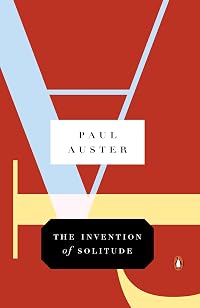
OK, the memoir bit is interesting. Of course it's beautifully written, and it gives some insight into some of the formative experiences which led to Auster becoming the writer he is, and has a few good and strange anecdotes; however, on both of these counts, it's nowhere near as compelling as The Invention of Solitude. I found the book really disappointing mainly because the memoir section is so short. The vast bulk of this book is made up of the appendices, which are three of Auster's early and previously unpublished plays. I had no idea when I started reading it that this was the case - that it is, essentially, the three plays with a longish introduction. Hence when I got to p.125 of a 436-page long book, and realised that there was show more no more of the autobiography section, I felt somewhat cheated. Committed Auster fans will want to have read this, but it's not worth going out of your way to track it down. show less
A pathetic self-serving attempt by an otherwise very good writer. There is nothing of worth in this memoir. For a person of Auster's literary stature, I am surprised he would want this out there. It just was not that interesting and it was written as chronological straight reportage. In the long run, this will not help Auster's standing in the literary canon.
Members
- Recently Added By
Published Reviews
ThingScore 25
Even given this memoir's limited ambitions -- it is not a full-fledged autobiography but a meditation on the author's early struggles to make a living -- there is something undernourished about it. It's not just the author's flat-footed prose; it's his refusal to give us the sort of color, insight and emotional detail that might transform his narrative into something more than a series of show more anecdotes strung like pop beads along a theme. Mr. Auster skims over the role his conflicted feelings about his parents' divorce played in shaping his attitude toward money, and he completely ignores the role his destitution played in the breakdown of his marriage.
The reader gets no real sense of Mr. Auster's relationship with his parents, his ex-wife or his son, no real understanding, for that matter, of his own personality other than that he wanted to be a writer, glamorized the idea of failure and had deeply ambivalent feelings about money. Mr. Auster's reticence on these matters seems motivated less by a conscious desire to withhold secrets than by a writerly obsession with compression and concision. Indeed many fascinating stories in this book are curiously brushed off in asides. Mr. Auster's observation that he once knew 7 of the F.B.I.'s 10 most wanted men -- this was in 1969, when student radicalism was at its height -- is tossed away in a sentence. And his encounters in Mexico with a ''man who threatened to kill me'' and a ''schizophrenic girl who thought I was a Hindu god'' are consigned to a parenthetical mention. show less
The reader gets no real sense of Mr. Auster's relationship with his parents, his ex-wife or his son, no real understanding, for that matter, of his own personality other than that he wanted to be a writer, glamorized the idea of failure and had deeply ambivalent feelings about money. Mr. Auster's reticence on these matters seems motivated less by a conscious desire to withhold secrets than by a writerly obsession with compression and concision. Indeed many fascinating stories in this book are curiously brushed off in asides. Mr. Auster's observation that he once knew 7 of the F.B.I.'s 10 most wanted men -- this was in 1969, when student radicalism was at its height -- is tossed away in a sentence. And his encounters in Mexico with a ''man who threatened to kill me'' and a ''schizophrenic girl who thought I was a Hindu god'' are consigned to a parenthetical mention. show less
added by SnootyBaronet
Author Information

101+ Works 64,827 Members
Paul Auster was born on February 3, 1947, in Newark, New Jersey. He received a B.A. and a M.A. in English and Comparative Literature from Columbia University. In addition to his career as a writer, Auster has been a census taker, tutor, merchant seaman, little-league baseball coach, and a telephone operator. He started his writing career as a show more translator. He soon gained popularity for the detective novels that make up his New York Trilogy. His other works include The Invention of Solitude; Leviathan; Moon Palace; Facing the Music; In the Country of Last Things; The Music of Chance; Mr. Vertigo; and The Brooklyn Follies. His latest novels are entitled, Invisible and Sunset Park. In addition to his novels, Auster has written screenplays and directed several films. He is the recipient of a fellowship from the National Endowment for the Arts and a French Prix Medicis for Foreign Literature. (Bowker Author Biography) show less
Series
Belongs to Publisher Series
Privé-domein (219)
Work Relationships
Common Knowledge
- Canonical title*
- Le diable par la queue (suivi de Laurel et Hardy vont au paradis, Black-out: & Cache-cacheb - Action baseball - Fausse balle) (suivi de Laurel et Hardy vont au paradis, Black-out: & Cache-cacheb - Action baseball - Fausse balle)
- Original title
- HAND TO MOUTH, 1976, 1977, 1978, 1982, 1997
- Original publication date
- 1997
- First words
- IN MY LATE twenties and early thirties, I went through a period of several years when everything I touched turned to failure.
- Quotations
- Nothing much happened, and since most of the business was conducted through the mail, it was a rare day when anyone came to the apartment and disturbed us at our work. Late one afternoon, however, when Arthur was out on an er... (show all)rand, John Lennon knocked on the door, wanting to look at Man Ray photographs.
“Hi,” he said, thrusting out his hand at me, “I’m John.”
“Hi,” I said, taking hold of the hand and giving it a good shake, “I’m Paul.”
As I searched for the photographs in one of the closets, Lennon stopped in front of the Robert Motherwell canvas that hung on the wall beside Arthur’s desk. There wasn’t much to the painting—a pair of straight black lines against a broad orange background—and after studying it for a few moments, he turned to me and said, “Looks like that one took a lot of work, huh?” With all the pieties floating around the art world, I found it refreshing to hear him say that. - Last words
- (Click to show. Warning: May contain spoilers.)So much for writing books to make money. So much for selling out.
*Some information comes from Common Knowledge in other languages. Click "Edit" for more information.
Classifications
Statistics
- Members
- 921
- Popularity
- 28,963
- Reviews
- 17
- Rating
- (3.54)
- Languages
- 16 — Catalan, Dutch, English, French, German, Hebrew, Hungarian, Icelandic, Italian, Norwegian (Bokmål), Farsi/Persian, Polish, Portuguese, Spanish, Swedish, Turkish
- Media
- Paper, Ebook
- ISBNs
- 37
- ASINs
- 6