On This Page
Description
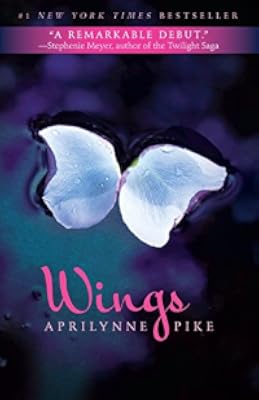
Laurel was mesmerized, staring at the pale things with wide eyes. They were terrifyingly beautiful?too beautiful for words. Laurel turned to the mirror again, her eyes on the hovering petals that floated beside her head. They looked almost like wings. In this extraordinary tale of magic and intrigue, romance and danger, everything you thought you knew about faeries will be changed forever.Tags
Recommendations




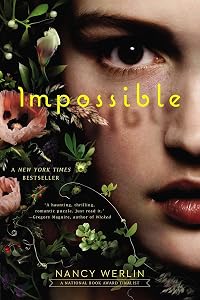
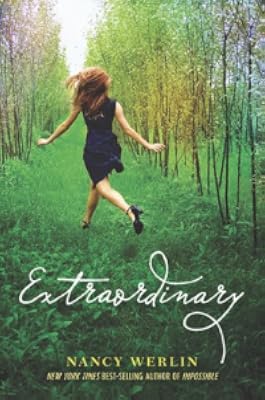

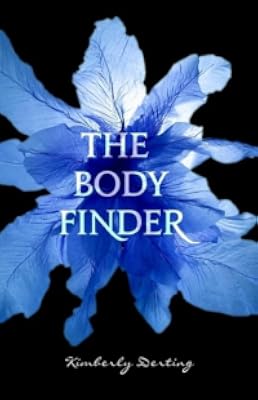
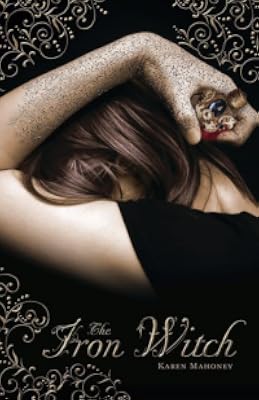
Member Recommendations
Member Reviews
15-year-old Laurel has just entered public school for the first time after always being homeschooled. Besides for normal teenage issues such as trying to make friends and getting close to a boy named David, Laurel also has to worry about a mysterious growth on her back, which suddenly blossoms into an actual flower!
With the help of a familiar-looking fairy named Tamani, Laurel learns that she is, in fact, a fairy with the very important job of protecting her adoptive family’s land from possession by the trolls. The trouble is, her parents seem intent on selling the land, and even more so when tragedy strikes. Now, Laurel must face this set of seemingly unbelievable facts about herself and the world in order to protect the ones she show more loves, as well as the ones she may love.
What a disappointment. WINGS garners attention as being similar to Twilight, but let’s just say that the over-hyped vampire series is still a lot more interesting than anything this book has to offer.
Where do I even begin? The characters lack personality or appeal. Laurel has not a stitch of mental or physical strength on her. Her choice of actions have no validity or sense. The love triangle between Laurel, David, and Tamani is extremely contrived: I sensed no attraction at all between any of the three, no real reason why the boys would like Laurel the bland “heroine,” and no appeal in the caricatures of the boys, David the goody-two-shoes good friend, and Tamani the “dangerously attractive and mysterious” fairy (adjectives placed in quotes because, uh, he’s not. At all). If you’re trying to copy off the popularity of the Twilight love triangle, at least develop the males well enough that readers are encouraged to take sides. There will be no Team David or Team Tamani here: there will be a Team Run-Away-As-Fast-As-You-Can!
The concept of fairies being similar to plants was fairly interesting; my favorite parts of the book are when David geeks out and begins doing all sorts of scientific experiments on Laurel to prove to her that she is a plant. It was quite fascinating, all of the ways that Aprilynne came up with to link fairies to plants! Unfortunately, the story lacked everything else: engaging dialogue, plot, movement. The word that sprang to mind most when I read this book was “contrived;” it felt like we readers were told how we were supposed to feel about the characters and their predicaments instead of actually letting us feel anything. Anything that readers needed to know about the plot was explained in endless pages of stationary dialogue, which I wouldn’t even mind if not for the fact that the dialogue feels forced and the characters are not explaining anything of worth or interest to me anyway.
Alas, it seems like I and other reviewers can blither and blather all we want; the audience (and publishers) clearly know what they want, and that’s some more horrible Twilight spin-offs. Seriously, though, if you’re looking for some more fantasy love triangles and fairy wars etc., don’t check here. In fact, don’t read this book at all if you can. It won’t be long before you’ll be wondering about how you can get a refund on your time. show less
With the help of a familiar-looking fairy named Tamani, Laurel learns that she is, in fact, a fairy with the very important job of protecting her adoptive family’s land from possession by the trolls. The trouble is, her parents seem intent on selling the land, and even more so when tragedy strikes. Now, Laurel must face this set of seemingly unbelievable facts about herself and the world in order to protect the ones she show more loves, as well as the ones she may love.
What a disappointment. WINGS garners attention as being similar to Twilight, but let’s just say that the over-hyped vampire series is still a lot more interesting than anything this book has to offer.
Where do I even begin? The characters lack personality or appeal. Laurel has not a stitch of mental or physical strength on her. Her choice of actions have no validity or sense. The love triangle between Laurel, David, and Tamani is extremely contrived: I sensed no attraction at all between any of the three, no real reason why the boys would like Laurel the bland “heroine,” and no appeal in the caricatures of the boys, David the goody-two-shoes good friend, and Tamani the “dangerously attractive and mysterious” fairy (adjectives placed in quotes because, uh, he’s not. At all). If you’re trying to copy off the popularity of the Twilight love triangle, at least develop the males well enough that readers are encouraged to take sides. There will be no Team David or Team Tamani here: there will be a Team Run-Away-As-Fast-As-You-Can!
The concept of fairies being similar to plants was fairly interesting; my favorite parts of the book are when David geeks out and begins doing all sorts of scientific experiments on Laurel to prove to her that she is a plant. It was quite fascinating, all of the ways that Aprilynne came up with to link fairies to plants! Unfortunately, the story lacked everything else: engaging dialogue, plot, movement. The word that sprang to mind most when I read this book was “contrived;” it felt like we readers were told how we were supposed to feel about the characters and their predicaments instead of actually letting us feel anything. Anything that readers needed to know about the plot was explained in endless pages of stationary dialogue, which I wouldn’t even mind if not for the fact that the dialogue feels forced and the characters are not explaining anything of worth or interest to me anyway.
Alas, it seems like I and other reviewers can blither and blather all we want; the audience (and publishers) clearly know what they want, and that’s some more horrible Twilight spin-offs. Seriously, though, if you’re looking for some more fantasy love triangles and fairy wars etc., don’t check here. In fact, don’t read this book at all if you can. It won’t be long before you’ll be wondering about how you can get a refund on your time. show less
I liked this book, but then I didn’t. The more I read further into this book, I almost wanted to drop it, but I didn’t because curiosity got the better of me and I wanted to know what was going on.
You have to wonder about Laurel’s parents. Laurel doesn’t eat like normal teens, and drinks up on the sodas. Yet her mom is okay with that? her parents are pretty much oblivious to everything regarding Laurel and this is where it gets unrealistic. It got a teensy bit worse when her good pal David seems to be VERY accepting of who Laurel really is. He doesn’t think it’s strange? he had no hesitations? he just shrugs and gets along with it? if David had been skeptical at first, it would have made this whole situation a little bit show more real. BUT! What bothered me the most was how in the end, once Laurel explains everything to her parents...they were just ok with it. Um..what? really? they just suddenly thought: ‘okay honey that’s nice. Run along, play with your new friends and hope your new outlook on life is great’ WTF?! At this point because it was at the end, I resorted to eye rolling. It was just too late into the book to throw it against the wall.
So, despite all of this silliness, there was a couple of things I liked. The world building was pretty good. The fantasy aspect and the magical places are interesting. The plot itself was an all right read and the pace made it for a quick read through. Character-wise, I thought David was the best one of all of them. Just because I thought he really was such a sweet guy after all. (He’d have to be sweet, to be so easily accepting to Laurel). Tamani on the other hand resembled a very jealous possessive guy who has severe issues and overall I found him downright annoying. His little comments here and there annoyed me and I wanted either David or Laurel to kick him in the face somehow.
I’m not sure if I would recommend this. A lot of readers seemed to have liked this book a lot. I’d say there’s better books featuring magical fae out there. I’d say try out Wondrous Strange by Lesley Livingston instead. For this one, take it or leave it. show less
You have to wonder about Laurel’s parents. Laurel doesn’t eat like normal teens, and drinks up on the sodas. Yet her mom is okay with that? her parents are pretty much oblivious to everything regarding Laurel and this is where it gets unrealistic. It got a teensy bit worse when her good pal David seems to be VERY accepting of who Laurel really is. He doesn’t think it’s strange? he had no hesitations? he just shrugs and gets along with it? if David had been skeptical at first, it would have made this whole situation a little bit show more real. BUT! What bothered me the most was how in the end, once Laurel explains everything to her parents...they were just ok with it. Um..what? really? they just suddenly thought: ‘okay honey that’s nice. Run along, play with your new friends and hope your new outlook on life is great’ WTF?! At this point because it was at the end, I resorted to eye rolling. It was just too late into the book to throw it against the wall.
So, despite all of this silliness, there was a couple of things I liked. The world building was pretty good. The fantasy aspect and the magical places are interesting. The plot itself was an all right read and the pace made it for a quick read through. Character-wise, I thought David was the best one of all of them. Just because I thought he really was such a sweet guy after all. (He’d have to be sweet, to be so easily accepting to Laurel). Tamani on the other hand resembled a very jealous possessive guy who has severe issues and overall I found him downright annoying. His little comments here and there annoyed me and I wanted either David or Laurel to kick him in the face somehow.
I’m not sure if I would recommend this. A lot of readers seemed to have liked this book a lot. I’d say there’s better books featuring magical fae out there. I’d say try out Wondrous Strange by Lesley Livingston instead. For this one, take it or leave it. show less
I went into the novel Wings by Aprilynne Pike expecting to unilaterally hate it.I was only mildly disappointed.I'll admit: my low expectations were, in part, a reflection of sour grapes. I first heard of Wings on one publishing blog or another, where Pike bragged in comments that she didn't have to query agents to get her manuscript read, but that it was passed on, instead, by a well-connected friend (the Internet suggests that this was Stephenie Meyer, who also blurbs Wings, laughably, as “a remarkable debut” on the novel's front cover). Pike then immediately received a four book deal and had Disney option the film rights. As a struggling beginning novelist writing in the same genre, who knows other writers in a similar position, I show more recognize this sort of success as the kind that often only happens to either the wildly talented or the terrifically well-connected. My cynicism told me the latter was more likely true, though I hoped to be disappointed.After all, Pike's premise is, at least, creative, if not also weird and a little silly. Laurel is a blond, tall, beautiful home schooled girl attending public school for the first time. Her flirtations with a surprisingly popular and studly science nerd are suddenly curtailed when she discovers what seems to be her very first pimple. Over the course of a few days, this zit grows to epic proportions, swelling first to the size of a softball, then exploding overnight to reveal a wing-like flower on the center of her back. It turns out that Laurel's a faerie (Pike's spelling, not mine), and that faeries are plants, not animals. And that the thing on her back isn't a pimple, and isn't wings (don't ask me about the title, then), but is, instead, a reproductive organ meant for manual diddling by sexy faerie men.Unfortunately, the actual plot doesn't develop far beyond this basic premise, and Pike's writing fails to save the story from its inherent silliness.In fact, I'd blame Pike's writing for the book's failure overall. The first two hundred-or-so pages of Wings read like a very clunky, very poorly executed draft. Pike's prose is adverb heavy and relies too much on staging when dialog alone would suffice. Here's one of my favorite passages, from the novel's first chapter: “He stood and offered her his hand. He pulled her to her feet and grinned lopsidedly for a minute” (6).Lopsidedly? That's an awkward mouthful.This sort of clunky phrasing would be more forgivable if it were more rare, but the novel is chock full of it. Here's another winner, from page 60: “David stared with his mouth slightly open. He stood, hands at his waist, lips pressed together. He turned and walked to his bed and sat down with his elbows on his knees.” Honestly, the repetitive sentence structure, the contradictory descriptors (is his mouth opened or closed?), and the draft-like quality of these passages drove me batty. I did something I've never before done on a published book: I grabbed a pen and started line editing. This helped me see some of Pike's persistent prose problems: reducing the number of adverbs by half, alone, would have resulted in cleaner, more readable writing. Unfortunately, my own “editing” soon degraded to crass commentary on the characters in the novel, particularly Laurel. Because Laurel is, unfortunately, a total bitch.I'm all for realistic and complex characters in YA lit. Characters should breathe—they should be human, with flaws and foibles. But Laurel is neither complex nor realistic. She's written as a petty, shallow, whining girl, but treated as a kind-hearted and flawless princess by both the narrator and the other characters in the book. On more than one occasion she complains about the fashion choices of those around her or the ugliness of those around her (the evil of ugliness and “asymmetry” being one of the novel's overarching themes); she clearly plays the two male characters, Tamani and David, off one another and yet is treated like she's all goodness and light. We're supposed to believe, somehow, despite the inherent ugliness of her personality that, as David tells her, she's both “awesome” and “impossible to stay mad at.”David isn't the novel's only bumbling idiot. Laurel's parents, particularly, act as no responsible parents would; their contrived blindness to Laurel's myriad flaws (especially her eating habits—more on that in a minute) are later hand-waved away as being due to faerie magic that makes them forget all the weird things about their adopted daughter. However, that didn't make the first two hundred and sixty pages, where we're that they're such hippies that they don't believe in doctors, how they've never taken Laurel to a doctor and even got her exempted from a school physical, any more bearable.This is particularly true with regard to Laurel's completely disordered eating habits. I know, I know—Laurel is a vegan because she's a plant, but prior to the novel's inception, and throughout most of it, her parents don't know this, and somehow, still, they never bat an eye. We're treated to passage upon passage of vividly disordered eating. Laurel's diet consists of salads, strawberries, canned fruit, and soda. Her mother, a health nut, allows Laurel to guzzle Sprite because “she couldn't argue with the 140 calories per can. That was 140 more than water. At least this way she knew Laurel was getting more calories in her system, even if they were 'empty.'” (11). Later, in the same passage, her mother turns her back while Laurel eats “one peach half and about half a cup of juice” to give Laurel “a modicum of privacy.” But we're told that, despite this, “Laurel felt like she'd lost some imaginary battle.” Heck, if eating a can of peaches is so fraught, how could Laurel's mother, as a supposedly good and responsible parent, not drag her kid to a doctor, no matter how crunchy she is?These passages, and later ones, where David snaps at a friend who inquires if Laurel's ever sought treatment for her apparent inability to digest “fats” (milk products and meat—Laurel at one point becomes nauseated at the smell of leftovers) read like a classic description of anorexia. While I have faith in Pike's young readership to tell fantasy from reality generally, I don't doubt that these descriptions could also be triggering for those who have experienced eating disorders. What makes them disturbing isn't only their vividness, or their specificity (though those don't help), but the way that Laurel's parents embrace these habits. Laurel hasn't started her period, another classic symptom of anorexia, but we're told that her mother “always shrugged it off.” Later, Laurel has a very disturbing conversation with her father where she points out that the kids at school think her eating habits are weird. He responds: “I don't know anyone who eats more fruits and vegetables than you do. I think that's healthy. And you haven't had any problems, have you?”Laurel, in a rare moment of astuteness, replies: “Have I ever been to a doctor?”Good question, Laurel. If I were you, I'd want some answers, too.I said at the beginning of the review that I didn't unilaterally hate Wings, and that's true. Once the plot finally kicks into gear—a silly story about some ugly trolls trying to steal her parents' property—it becomes a much more readable novel. I'm not sure if the prose actually improved, or if I didn't notice it once there was something happening beyond Laurel's protracted journey of magical self-discovery. Unfortunately, this plot only starts in the last hundred pages of a nearly three hundred page book. Had Pike had an editor who pushed her a little more towards conciseness—shearing a hundred or so pages from the novel's first two-thirds, reducing wordiness, tightening up the plot generally—Wings might not have been such an excruciating experience. As it stands, though, I'm looking forward to not reading the next three sequels. show less
I will admit this up front - I've been doing a Summer reading project analysing the impact and influence the popularity of the Twilight series has had on paranormal YA and since this book had a Meyer quote raving it on the front, I thought I'd see what it was like. I didn't go in with very high expectation but even then I was just sullen faced and WTF-ing by the end of this book.
The story starts of in a basic enough manner with Laurel going to her first day of high school after moving to a new town and a lifetime of home schooling. She sits in biology class – take your first Twilight drink now! – And immediately gets all tongue tied and shy over an extremely attractive science nerd called David. To give Pike some credit, at least show more she’s setting up her love story early and not kicking her heels with pointless descriptions of everything else going on like Meyer, but give her time and that’ll change. Soon enough, she makes a distinctly Bella Swan style comment comes through:
“Below the eyes was a warm but casual smile with very straight teeth. Braces probably, Laurel thought as her tongue unconsciously ran over her own naturally straight teeth.”
How nice of her to zero in on appearances so quickly into the story. Sets her priorities up quickly and believe me, it gets worse towards the end. The first 3 chapters are pretty slow moving and unremarkable, same with the characters. David seems like the sort of guy you could imagine starring in a non threatening Disney family sitcom as the doting boyfriend of Miley Cyrus or something while tweens drool over him at Hot Topic signings. On a related side note, the movies rights for the book are optioned by Disney with Miley Cyrus attached to star. This seems particularly fitting because there are points where I just want to throw things at Laurel’s face in the same way I do with Cyrus.
Laurel isn’t particularly fun, smart, caring, special or in possession of any sort of personality trait. She seldom eats anything other than fruit, vegetables and cans of Sprite (haha I see what you did there Pike) which doesn’t seem to be of much concern to her medicine hating hippie parents, she’s skinny and proud of it (comparing herself to supermodels) and was abandoned on her parents’ doorstep in a basket under mysterious circumstances. This is all told to us, there’s very little showing in this book unless it’s something to do with flowers or David’s abs (seriously, which 15 year old boy is ripped? They make Channel 5 documentaries about body building teens and not to be complimentary!), which get their own tacked on scene which is completely unnecessary to the story. I can’t call it a plot because nothing resembling any sort of conflict or anything interesting happens until about 280 pages in. So yeah, grab a pillow and some caramel shortbread.
4 chapters in something finally happens. Well, if you can call a zit a plot device. Typically for teen girls, Laurel worries about the blemish (my back looked like the Himalaya mountain range for most of my teenage years) but after her earlier shallow comments, reading her worries about this rapidly growing bump turning into “something ugly” whilst being quietly judgemental about girls with similar situations doesn’t exactly warm me to the leading ‘heroine.’ Eventually the bump turns out not to be cancerous or, God forbid, a zit, and soon it sprouts into a giant flower. I will relent a little here and say this was a pretty interesting take on the fairy mythos. At least it was enough to recapture my interest after the 5 chapters of non plot and characters that give Julian Sands hope in the personality and charisma department. It’s serviceable stuff but it’s not exactly a page turner unless you mean in the sense that you want to turn the pages just to get on with something else more important. Does she tell her parents? Of course not, that would require giving them an active role in the story! At least they actually seem to care, unlike Bella’s parents in Twilight who exist to serve no other purpose than to make sure child services aren’t called out. They’re pretty useless but they occasionally show some interest in their daughter. Instead, Laurel tells David, who views it with geekish glee (which was kind of cute, don’t judge me, scientists are hot!) and decides to do some experiments, where it emerges that Laurel is actually a plant. Yep, a plant. Somehow I can’t imagine the Twilight meadows scene being as devastatingly romantic for Twi-hards if Edward had been a plant:
“Say it Bella. Say it!”
“Poinsettia!”
Chapter 8 introduces us to the generic suspicious figure, here to buy Laurel’s family’s old house from them. How do we know he’s suspicious? Because he’s ugly. He doesn’t even say anything particularly devious but we know he’s evil and out to ruin Laurel’s life immediately because he’s unattractive. This particularly cruel element of the story only gets worse, believe me. And for those who are taking notes, now is the time to note the introduction of the unnecessary 3rd wheel in the most pointless love triangle ever! He’s a big smug but otherwise more of the same devastatingly gorgeous young male figures with no other personality traits, and his name is Tamani. He’s here to tell Laurel all about her true identity as a faerie. Laurel doesn’t believe him – having giant freaking plants grow out of your back is as normal a part of puberty as growing boobs and wanting to kill everyone for 4 days a month – and runs off.
We’re 128 pages in – 10 chapters – and there’s no sign of a plot or any more action beyond moping and boy perving. But now we’ve got Tamani on the scene and Laurel can’t deny the amazing, passionate connection they shared, despite barely speaking or doing anything. Y’ know – true love! To quote the phrase that left a million nerds fuming, “It’s magic, we don’t have to explain it!” When it comes to the revelation of Laurel’s true identity, it’s all described in a very tell-don’t- show manner; surely that’s writing rule 1 broken already? Tamani describes the faerie court and their particular purposes and then the most awkward part of the book until another 171 pages happens! It turns out the flower on Laurel’s back is the faerie equivalent of that kind of flower! Faeries use their blossom, found only in female faeries, to pollinate and reproduce! In their first scene together, Tamani accidentally got sparkly pollen all over Laurel’s arm, surely the faerie equivalent of premature ejaculation. He didn’t mean to do it of course; it had just been so long since he’d been around a woman that he couldn’t help himself. She was asking for it! Showing off that flower like it was a short skirt in a dingy nightclub! The extra kicker comes when Tamani takes glee in telling Laurel that faeries may use pollination for reproducing, but sex is for fun! Responsibility free sex; no risk of pregnancy or STDs other than maybe a little prick. Way to appeal to your base Pike. Seriously, this is more appealing to teen fantasies than free cupcakes! The topic of sex and puberty is mentioned but it’s never expanded upon. It just feels like Pike’s trying to be adult and ‘edgy’ for a YA audience even though the writing itself seems more suited to a pre-teen audience.
Along with his habit of fabulously coming over Laurel, it turns out that Laurel volunteered to be a faerie plant in the human world (because faeries age mentally much quicker than their bodies suggest, sort of like the uterus chewing demon child in reverse) and Tamani has been watching her for her entire life! As he says, it’s not spying, it’s helping! I wonder how distraught he was when there weren’t any opportunities to sneak into her room to watch her sleep. Laurel is also older than she thinks, and is 19 instead of 16. Instant age of consent!
About 250 pages in, we get some sort of plot twist, barely one, with Laurel’s dad falling extremely ill. With this comes Laurel and David’s overwhelming urge to investigate the ugly suspicious man who is going to buy the old Sewell house (the gateway to the faerie land of Avalon is on the land). 2 of the man, Barnes’s henchmen, are described as “downright grotesque”, continuing the theme of ugly = EVIL! Initiate slow clap sequence. We get a bit of action with the henchmen attempting to kill Laurel and David in a good old fashioned drowning. But luckily, Laurel’s oxygen producing breath saves David! Finally, a life saving snog, I’ve never seen that before...wait...
We get further tell-don’t-show description of more faerie mythology, combining King Arthur with Oberon from A Midsummer Night’s Dream (tell me that’s not a crossover you’ve love to see!) but it’s just shoved in there to give the illusion of Pike giving a damn about anything other than the extremely contrived love triangle. But along with this comes the scene that made this book turn from ‘meh’ material to ‘oh Christ, what the hell?’ Tamani goes into a description of the villains of the story, the trolls, in which the topic of symmetry is discussed. The more symmetrical one’s face is, the more beautiful they are, like Laurel and Tamani. Trolls lack this symmetry, ergo they are ugly. Not just ugly; hideous. The trolls lack any other defining characteristic beyond being ugly and stupid because apparently these things go hand in hand, and apparently their hideousness bothers the trolls themselves. Troll mothers are known to abandon their babies if they’re too ugly or “misshapen.”
“When evolution has given up on you, death is unavoidable.”
...
Seriously? Really Pike? Of all the elements of fail I expected to find in “Wings”, ableism was not one of them! So if one is ugly, mentally or physically impaired we should just give up on them because evolution has clearly tried to weed them out? Forgive me if I’m a bit sensitive here, I’m not a fan of such blatant displays of privilege in books aimed at an 11 audience! To give the book credit, it took 300 pages before it really pissed me off which is 299 more than Twilight. Maybe Bella and Laurel could get together to drink Sprite and judge the less than perfect, they’d get along like a house on fire!
I’m just getting annoyed now, time to wrap this up. Blah blah blah, Laurel stops the trolls, Tamani is shot but he’s returned to Avalon where Laurel is presented with magic potion to cure her dad and a big arse diamond to give her parents enough money to be able to keep the old house and it’s all business as usual. Laurel even gets to kiss both guys. It turns out that Tamani was her former faerie BFF when they were precocious kiddies in Avalon and is hopelessly in love with her. I’d say Pike just shoved in the love triangle to make up for the lack of plot but she seems to have just shoved every plot element into the story without any real structure or thought. According to her blog, Pike wrote the book in 6 weeks and it shows.
Overall, the meh factor for this book was at an all time high/low. It was an easy enough read although there are a few moments where Pike tries to Meyer out on the dialogue. The mythos is interesting enough but never focused on, instead spending page after page telling us unnecessary things, shoving in covers to fill the plot holes with no care, and mooning over a love triangle that couldn’t be more contrived if it tried. The characters are dull and everything is handled in a serviceable but lifeless manner. The attempt to shove a plot in with the introduction of the ugly evil trolls just pissed me off; not only was it shallow and ableist, it was just plain lazy writing. Pike got a 4 book deal from this story so I guess there’s hope for us all. It’s often described as Twilight with faeries and it feels a lot like a Twilight inspired/rip-off. I can see how it would appeal to the Twilight crowd and it’s relatively undemanding stuff. I’ll probably forget all about it in the morning. show less
The story starts of in a basic enough manner with Laurel going to her first day of high school after moving to a new town and a lifetime of home schooling. She sits in biology class – take your first Twilight drink now! – And immediately gets all tongue tied and shy over an extremely attractive science nerd called David. To give Pike some credit, at least show more she’s setting up her love story early and not kicking her heels with pointless descriptions of everything else going on like Meyer, but give her time and that’ll change. Soon enough, she makes a distinctly Bella Swan style comment comes through:
“Below the eyes was a warm but casual smile with very straight teeth. Braces probably, Laurel thought as her tongue unconsciously ran over her own naturally straight teeth.”
How nice of her to zero in on appearances so quickly into the story. Sets her priorities up quickly and believe me, it gets worse towards the end. The first 3 chapters are pretty slow moving and unremarkable, same with the characters. David seems like the sort of guy you could imagine starring in a non threatening Disney family sitcom as the doting boyfriend of Miley Cyrus or something while tweens drool over him at Hot Topic signings. On a related side note, the movies rights for the book are optioned by Disney with Miley Cyrus attached to star. This seems particularly fitting because there are points where I just want to throw things at Laurel’s face in the same way I do with Cyrus.
Laurel isn’t particularly fun, smart, caring, special or in possession of any sort of personality trait. She seldom eats anything other than fruit, vegetables and cans of Sprite (haha I see what you did there Pike) which doesn’t seem to be of much concern to her medicine hating hippie parents, she’s skinny and proud of it (comparing herself to supermodels) and was abandoned on her parents’ doorstep in a basket under mysterious circumstances. This is all told to us, there’s very little showing in this book unless it’s something to do with flowers or David’s abs (seriously, which 15 year old boy is ripped? They make Channel 5 documentaries about body building teens and not to be complimentary!), which get their own tacked on scene which is completely unnecessary to the story. I can’t call it a plot because nothing resembling any sort of conflict or anything interesting happens until about 280 pages in. So yeah, grab a pillow and some caramel shortbread.
4 chapters in something finally happens. Well, if you can call a zit a plot device. Typically for teen girls, Laurel worries about the blemish (my back looked like the Himalaya mountain range for most of my teenage years) but after her earlier shallow comments, reading her worries about this rapidly growing bump turning into “something ugly” whilst being quietly judgemental about girls with similar situations doesn’t exactly warm me to the leading ‘heroine.’ Eventually the bump turns out not to be cancerous or, God forbid, a zit, and soon it sprouts into a giant flower. I will relent a little here and say this was a pretty interesting take on the fairy mythos. At least it was enough to recapture my interest after the 5 chapters of non plot and characters that give Julian Sands hope in the personality and charisma department. It’s serviceable stuff but it’s not exactly a page turner unless you mean in the sense that you want to turn the pages just to get on with something else more important. Does she tell her parents? Of course not, that would require giving them an active role in the story! At least they actually seem to care, unlike Bella’s parents in Twilight who exist to serve no other purpose than to make sure child services aren’t called out. They’re pretty useless but they occasionally show some interest in their daughter. Instead, Laurel tells David, who views it with geekish glee (which was kind of cute, don’t judge me, scientists are hot!) and decides to do some experiments, where it emerges that Laurel is actually a plant. Yep, a plant. Somehow I can’t imagine the Twilight meadows scene being as devastatingly romantic for Twi-hards if Edward had been a plant:
“Say it Bella. Say it!”
“Poinsettia!”
Chapter 8 introduces us to the generic suspicious figure, here to buy Laurel’s family’s old house from them. How do we know he’s suspicious? Because he’s ugly. He doesn’t even say anything particularly devious but we know he’s evil and out to ruin Laurel’s life immediately because he’s unattractive. This particularly cruel element of the story only gets worse, believe me. And for those who are taking notes, now is the time to note the introduction of the unnecessary 3rd wheel in the most pointless love triangle ever! He’s a big smug but otherwise more of the same devastatingly gorgeous young male figures with no other personality traits, and his name is Tamani. He’s here to tell Laurel all about her true identity as a faerie. Laurel doesn’t believe him – having giant freaking plants grow out of your back is as normal a part of puberty as growing boobs and wanting to kill everyone for 4 days a month – and runs off.
We’re 128 pages in – 10 chapters – and there’s no sign of a plot or any more action beyond moping and boy perving. But now we’ve got Tamani on the scene and Laurel can’t deny the amazing, passionate connection they shared, despite barely speaking or doing anything. Y’ know – true love! To quote the phrase that left a million nerds fuming, “It’s magic, we don’t have to explain it!” When it comes to the revelation of Laurel’s true identity, it’s all described in a very tell-don’t- show manner; surely that’s writing rule 1 broken already? Tamani describes the faerie court and their particular purposes and then the most awkward part of the book until another 171 pages happens! It turns out the flower on Laurel’s back is the faerie equivalent of that kind of flower! Faeries use their blossom, found only in female faeries, to pollinate and reproduce! In their first scene together, Tamani accidentally got sparkly pollen all over Laurel’s arm, surely the faerie equivalent of premature ejaculation. He didn’t mean to do it of course; it had just been so long since he’d been around a woman that he couldn’t help himself. She was asking for it! Showing off that flower like it was a short skirt in a dingy nightclub! The extra kicker comes when Tamani takes glee in telling Laurel that faeries may use pollination for reproducing, but sex is for fun! Responsibility free sex; no risk of pregnancy or STDs other than maybe a little prick. Way to appeal to your base Pike. Seriously, this is more appealing to teen fantasies than free cupcakes! The topic of sex and puberty is mentioned but it’s never expanded upon. It just feels like Pike’s trying to be adult and ‘edgy’ for a YA audience even though the writing itself seems more suited to a pre-teen audience.
Along with his habit of fabulously coming over Laurel, it turns out that Laurel volunteered to be a faerie plant in the human world (because faeries age mentally much quicker than their bodies suggest, sort of like the uterus chewing demon child in reverse) and Tamani has been watching her for her entire life! As he says, it’s not spying, it’s helping! I wonder how distraught he was when there weren’t any opportunities to sneak into her room to watch her sleep. Laurel is also older than she thinks, and is 19 instead of 16. Instant age of consent!
About 250 pages in, we get some sort of plot twist, barely one, with Laurel’s dad falling extremely ill. With this comes Laurel and David’s overwhelming urge to investigate the ugly suspicious man who is going to buy the old Sewell house (the gateway to the faerie land of Avalon is on the land). 2 of the man, Barnes’s henchmen, are described as “downright grotesque”, continuing the theme of ugly = EVIL! Initiate slow clap sequence. We get a bit of action with the henchmen attempting to kill Laurel and David in a good old fashioned drowning. But luckily, Laurel’s oxygen producing breath saves David! Finally, a life saving snog, I’ve never seen that before...wait...
We get further tell-don’t-show description of more faerie mythology, combining King Arthur with Oberon from A Midsummer Night’s Dream (tell me that’s not a crossover you’ve love to see!) but it’s just shoved in there to give the illusion of Pike giving a damn about anything other than the extremely contrived love triangle. But along with this comes the scene that made this book turn from ‘meh’ material to ‘oh Christ, what the hell?’ Tamani goes into a description of the villains of the story, the trolls, in which the topic of symmetry is discussed. The more symmetrical one’s face is, the more beautiful they are, like Laurel and Tamani. Trolls lack this symmetry, ergo they are ugly. Not just ugly; hideous. The trolls lack any other defining characteristic beyond being ugly and stupid because apparently these things go hand in hand, and apparently their hideousness bothers the trolls themselves. Troll mothers are known to abandon their babies if they’re too ugly or “misshapen.”
“When evolution has given up on you, death is unavoidable.”
...
Seriously? Really Pike? Of all the elements of fail I expected to find in “Wings”, ableism was not one of them! So if one is ugly, mentally or physically impaired we should just give up on them because evolution has clearly tried to weed them out? Forgive me if I’m a bit sensitive here, I’m not a fan of such blatant displays of privilege in books aimed at an 11 audience! To give the book credit, it took 300 pages before it really pissed me off which is 299 more than Twilight. Maybe Bella and Laurel could get together to drink Sprite and judge the less than perfect, they’d get along like a house on fire!
I’m just getting annoyed now, time to wrap this up. Blah blah blah, Laurel stops the trolls, Tamani is shot but he’s returned to Avalon where Laurel is presented with magic potion to cure her dad and a big arse diamond to give her parents enough money to be able to keep the old house and it’s all business as usual. Laurel even gets to kiss both guys. It turns out that Tamani was her former faerie BFF when they were precocious kiddies in Avalon and is hopelessly in love with her. I’d say Pike just shoved in the love triangle to make up for the lack of plot but she seems to have just shoved every plot element into the story without any real structure or thought. According to her blog, Pike wrote the book in 6 weeks and it shows.
Overall, the meh factor for this book was at an all time high/low. It was an easy enough read although there are a few moments where Pike tries to Meyer out on the dialogue. The mythos is interesting enough but never focused on, instead spending page after page telling us unnecessary things, shoving in covers to fill the plot holes with no care, and mooning over a love triangle that couldn’t be more contrived if it tried. The characters are dull and everything is handled in a serviceable but lifeless manner. The attempt to shove a plot in with the introduction of the ugly evil trolls just pissed me off; not only was it shallow and ableist, it was just plain lazy writing. Pike got a 4 book deal from this story so I guess there’s hope for us all. It’s often described as Twilight with faeries and it feels a lot like a Twilight inspired/rip-off. I can see how it would appeal to the Twilight crowd and it’s relatively undemanding stuff. I’ll probably forget all about it in the morning. show less
Laurel isn’t comfortable in her new school—she’s been homeschooled all her life, why would she? Well, there is one saving grace, a guy named David who doesn’t mind talking to the new girl. When Laurel starts learning things about herself that seem impossible, he’s the only one she feel comfortable telling. And that’s fine for a while, but how long can she hide?
No matter how many times I tell myself that there are too many books about girls who get itchy spots on their back and suddenly turn into a faerie (but it’s impossible! Why me? No way am I a faerie! … that’s the general gist of them all), I can’t get over them. Somewhere the little girl inside of me cries: “MORE FAERIE STORIES!”
But I didn’t get irritated show more with Wings the way other faerie books sometimes annoy me. It was more realistic; Laurel acted how I would have imagined myself acting. She didn’t keep it to herself. She didn’t take a billion years to accept the fact. She was logical and level-headed.
And the explanation is ingenious. Stephenie Meyer described Wings as a “remarkable debut”
and I agree with my whole heart. Wings is (with the exclusion of Shakespeare), my favorite faerie story. It’s different from the others, and not in a bad way.
Constantly surprising, brilliantly explained, and with just enough romance to give me happy warm fuzzy feelings without the mushy detail of Twilight,Wings will no doubt top the charts in the days to come.
It’s only a matter of time. show less
No matter how many times I tell myself that there are too many books about girls who get itchy spots on their back and suddenly turn into a faerie (but it’s impossible! Why me? No way am I a faerie! … that’s the general gist of them all), I can’t get over them. Somewhere the little girl inside of me cries: “MORE FAERIE STORIES!”
But I didn’t get irritated show more with Wings the way other faerie books sometimes annoy me. It was more realistic; Laurel acted how I would have imagined myself acting. She didn’t keep it to herself. She didn’t take a billion years to accept the fact. She was logical and level-headed.
And the explanation is ingenious. Stephenie Meyer described Wings as a “remarkable debut”
and I agree with my whole heart. Wings is (with the exclusion of Shakespeare), my favorite faerie story. It’s different from the others, and not in a bad way.
Constantly surprising, brilliantly explained, and with just enough romance to give me happy warm fuzzy feelings without the mushy detail of Twilight,Wings will no doubt top the charts in the days to come.
It’s only a matter of time. show less
Wings was completely different than I had expected; different from any faerie story that I've ever read, really. Its fresh new look at faeries was completely fascinating. Aprilynne Pike took a faerie's known affinity for nature and used it to weave a story somehow both less and more mystical than the known origins of the creatures.
Laurel's reactions to the changes in her body seem almost painfully real. Her fear was honest and as a reader you could feel her anxiety as if it was your own. Even her love triangle had understandable problems. How do you chose between the boy who is everything you thought you were and the boy who is everything you never knew was possible? I find that love triangles are more believable when I can't even chose show more one for the character and Wings is definitely one of those books where there is no "right" choice.
A short bit in the middle of the book explained some faerie history and featured a few of the typical, go-to fantasy characters. While everyone loves to see old favorites featured in new ways, I found it almost disappointing given the utter originality of this novel. It's a minor complaint, but it stopped me in my tracks. I had to put the book down and wonder why did the author decide to take this route. I can only hope that it's part of the bigger picture of the series and that I just don't see the significance of it yet.
I was highly impressed by Wings. It is based on an intriguing premise that absolutely shines in its presentation. Future installments of the series are coming and I for one can't wait to see this new take on faeries flourish. show less
Laurel's reactions to the changes in her body seem almost painfully real. Her fear was honest and as a reader you could feel her anxiety as if it was your own. Even her love triangle had understandable problems. How do you chose between the boy who is everything you thought you were and the boy who is everything you never knew was possible? I find that love triangles are more believable when I can't even chose show more one for the character and Wings is definitely one of those books where there is no "right" choice.
A short bit in the middle of the book explained some faerie history and featured a few of the typical, go-to fantasy characters. While everyone loves to see old favorites featured in new ways, I found it almost disappointing given the utter originality of this novel. It's a minor complaint, but it stopped me in my tracks. I had to put the book down and wonder why did the author decide to take this route. I can only hope that it's part of the bigger picture of the series and that I just don't see the significance of it yet.
I was highly impressed by Wings. It is based on an intriguing premise that absolutely shines in its presentation. Future installments of the series are coming and I for one can't wait to see this new take on faeries flourish. show less
Wings tells a story of faeries like no other book I've read. Pike provides such a seemingly logical explanation for faeries and their existence, weaving in magic and evolution alongside each other. Completely unique from many other faerie stories.
There were a few things that bothered me. In the beginning of the book, the relationships between the characters are rushed and don't develop as closely as they should, making them act less intimate and genuine with each other. Not to mention, there is also a very small cast of characters. The pace doesn't pick up until halfway through, and by then I was just relieved the story was starting to continue.
Fear not, though. There is definitely enough mystery at the end to leave you intrigued for show more the next book. Wings did okay for a debut novel, but the sequel is sure to only be better. I look forward to reading it. =) show less
There were a few things that bothered me. In the beginning of the book, the relationships between the characters are rushed and don't develop as closely as they should, making them act less intimate and genuine with each other. Not to mention, there is also a very small cast of characters. The pace doesn't pick up until halfway through, and by then I was just relieved the story was starting to continue.
Fear not, though. There is definitely enough mystery at the end to leave you intrigued for show more the next book. Wings did okay for a debut novel, but the sequel is sure to only be better. I look forward to reading it. =) show less
Members
- Recently Added By
Published Reviews
ThingScore 94
Lists

Best-selling Books by Latter-day Saints
58 works; 2 members
Author Information

49+ Works 6,304 Members
Aprilynne Pike is the #1 New York Times bestselling author of the Wings series. She graduated from Lewis-Clark State College in Lewiston, Idaho, at the age of 20 with a BA in Creative Writing. Pike lives in Arizona with her husband and four children. (Bowker Author Biography)
Some Editions
Awards and Honors
Awards
Series


Belongs to Publisher Series
cbj Taschenbuch (40112)
Common Knowledge
- Canonical title
- Wings
- Original title
- Wings
- Original publication date
- 2009-05-05
- People/Characters
- Laurel Sewell; David Lawson; Tamani; Jamison [in Aprilynne Pike's Wings]; Jeremiah Barnes
- Important places
- Crescent City, California, USA; Orick, California, USA; Avalon
- Dedication
- To Kenny- the method behind my madness
- First words
- Laurel's shoes flipped a cheerful rhythm that defied her dark mood.
- Last words
- (Click to show. Warning: May contain spoilers.)She nodded, forced her fingers to release Tamani's shirt, and turned back to the way she had come.
- Blurbers
- Meyer, Stephenie
Classifications
- Genres
- Fiction and Literature, Teen, Fantasy, Young Adult
- DDC/MDS
- 813.6 — Literature & rhetoric American literature in English American fiction in English 2000-
- LCC
- PZ7 .P6257 .W — Language and Literature Fiction and juvenile belles lettres Fiction and juvenile belles lettres Juvenile belles lettres
- BISAC
Statistics
- Members
- 2,467
- Popularity
- 7,837
- Reviews
- 139
- Rating
- (3.59)
- Languages
- 8 — Dutch, English, French, German, Italian, Lithuanian, Polish, Spanish
- Media
- Paper, Audiobook, Ebook
- ISBNs
- 45
- ASINs
- 15