Salamander
by Thomas Wharton
On This Page
Description
Spellbinding, original, "Salamander" careens through a world of ideas and stories in which the transforming power of books, the thirst for knowledge, and the pursuit of immortality become erotic. It is also a universal story of love and obsession. Set in the eighteenth century, the narrative revolves around a world-spanning quest for the infinite book. Along the way the novel gathers stories that range from a Chinese tale of jealousy and lost love to the remarkable history of Alexandria's show more "other "great library and to epoch-making moments on the battlefields of colonial America. At the centre of the novel's unforgettable cast of characters is the London printer Nicholas Flood, a dedicated craftsman who is unprepared for all that awaits him when he accepts an unusual commission. Intricate, humane, infused with humour and pathos, "Salamander" is an exhilarating, elegantly crafted novel. "From the Hardcover edition." show lessTags
Recommendations






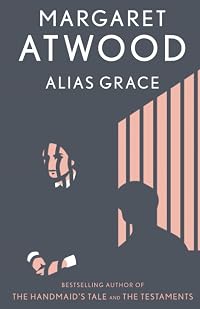

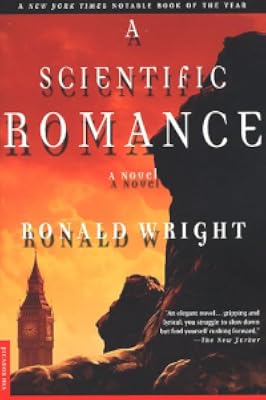
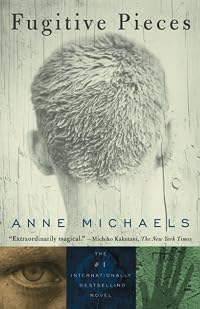

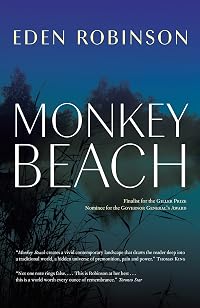
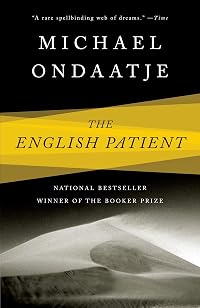

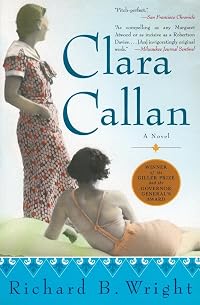
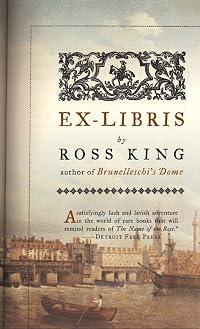


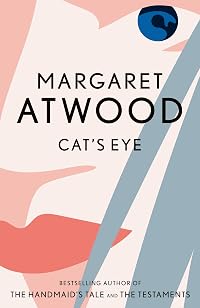
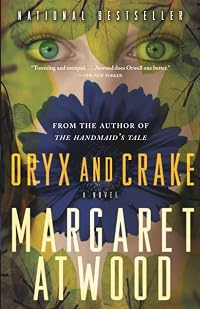
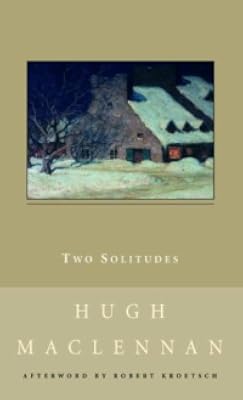
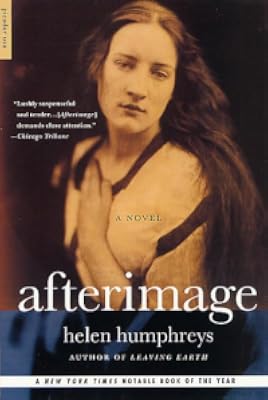
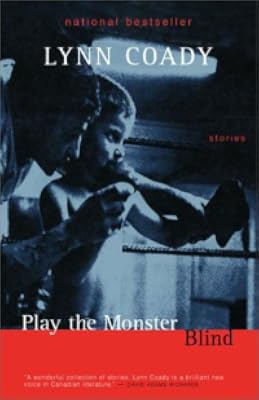
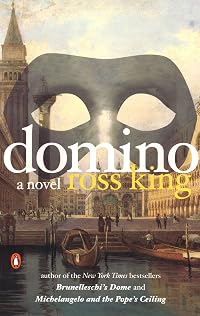
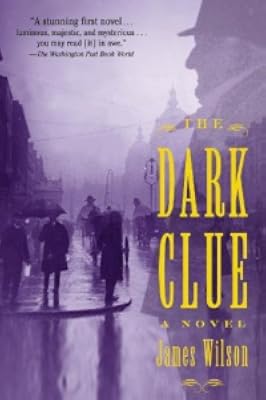
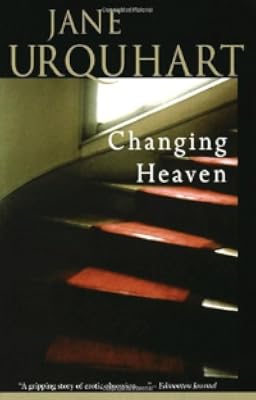
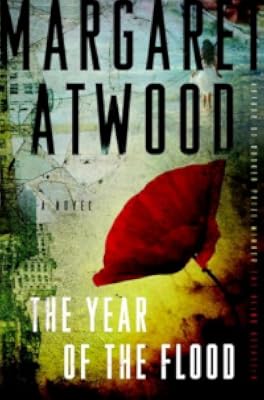
Member Recommendations
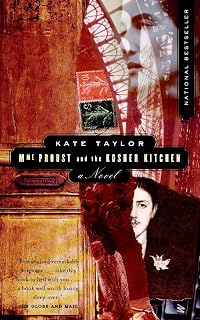
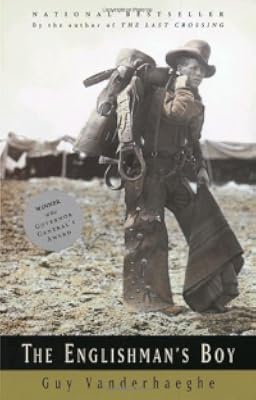
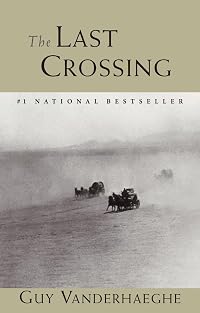
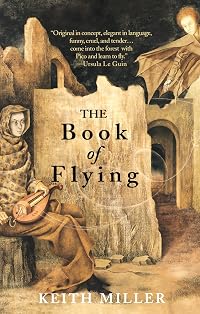
osozereposo This is another Canadian magical realist novel. Also spans more than one generation in a family.
Member Reviews
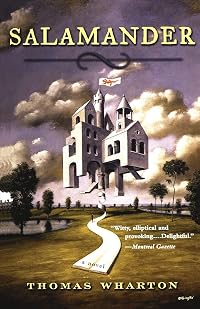
A grand adventure, a love story, and a captivating tale about the wonders of books. Book printer Nicholas Flood, descendent of Huguenots who’ve escaped to London, receives an invitation from an eccentric Eastern European count to come to his castle to undertake a commission. The commission turns out to be an infinite book. The Count has an amazing ever-changing castle whose clockwork machinery constantly moves the walls, floors, and rooms. The Count also has a daughter, the Countess Irena, with whom Flood falls in love. This is just the start of many grand adventures and heart-breaking tragedies.
Nicholas Flood and his daughter, Pica, have strange adventures and encounter marvels and wonders as they travel the world in search of the show more materials to print the infinite book. There are pirates, acrobats, automatons, and a six-fingered man. Pica is on a quest of her own, to find her mother, the Countess, and to learn her own story. Everyone they encounter has a tale and is on their own quest, all of which underscore the importance and infinite variety of stories that make up the world. A sad but magical novel. show less
Nicholas Flood and his daughter, Pica, have strange adventures and encounter marvels and wonders as they travel the world in search of the show more materials to print the infinite book. There are pirates, acrobats, automatons, and a six-fingered man. Pica is on a quest of her own, to find her mother, the Countess, and to learn her own story. Everyone they encounter has a tale and is on their own quest, all of which underscore the importance and infinite variety of stories that make up the world. A sad but magical novel. show less
When his 18-year-old son dies mysteriously in battle, a Slovakian Count retires from the field and returns home to indulge his love of puzzles. He designs his castle so that walls continually appear and disappear, furniture is on tracks and moves to different places, and bookshelves descend from the ceiling or rise, phoenix-like, from the floor. While cataloging a new set of books, the Count’s daughter finds one that has been created to be a riddle. Her father is intrigued and invites the printer, a young Londoner named Nicholas Flood, to the castle to discuss a commission: an infinite book. Nicholas accepts the commission and the rest of the book is devoted to his quest to fulfill his commission. The road to Flood’s eventual fate show more does not run smoothly, and before the journey is over we’ve traveled the world and met a family of tumblers, a Sultan who wishes to die, a printing press that sets its own type, a lady pirate, and scores of other memorable characters.
Salamander is a quest book: everybody is looking for something, both physically and emotionally. It’s amazing that Wharton manages to weave all of their diverse searches into the one Grand Search: the never-ending book. It’s that one goal that brings all of the characters together, and that occasionally tears them apart. I’ll admit, I’m biased; I love books, and the descriptions of the various papers and inks and the workings of the printing press were fascinating. But the wonderful thing is that all of that detail isn’t just sitting there, waiting for the book geek to stroll by. The search for all of the physical trappings of the infinite book gives us a touchstone for all of the characters: WHY someone is searching for the perfect paper is just as important as how the search is conducted, or where the search leads.
Wharton has given us a gift: a magical, mysterious, marvel of book. The characters are strange, yet believable. The story takes many odd twists and turns and never ends up quite where you expect it to. The narrative flows like spilled ink, covering everything and forcing the reader into some unexpected corners. Mr. Wharton cleverly sets the reader on just as much of a quest as the characters are on; the reader who perseveres will be greatly rewarded. show less
Salamander is a quest book: everybody is looking for something, both physically and emotionally. It’s amazing that Wharton manages to weave all of their diverse searches into the one Grand Search: the never-ending book. It’s that one goal that brings all of the characters together, and that occasionally tears them apart. I’ll admit, I’m biased; I love books, and the descriptions of the various papers and inks and the workings of the printing press were fascinating. But the wonderful thing is that all of that detail isn’t just sitting there, waiting for the book geek to stroll by. The search for all of the physical trappings of the infinite book gives us a touchstone for all of the characters: WHY someone is searching for the perfect paper is just as important as how the search is conducted, or where the search leads.
Wharton has given us a gift: a magical, mysterious, marvel of book. The characters are strange, yet believable. The story takes many odd twists and turns and never ends up quite where you expect it to. The narrative flows like spilled ink, covering everything and forcing the reader into some unexpected corners. Mr. Wharton cleverly sets the reader on just as much of a quest as the characters are on; the reader who perseveres will be greatly rewarded. show less
While wandering through the ruins of the abandoned city, a captain happens upon a partially destroyed bookshop. Intrigued, he wanders in, to discover its very arresting, female proprietor. Amongst the literary debris and in the candlelight they begin talking, about books, naturally enough. When the conversation turns to favourite books, she begins her amazing story.
Her grandfather, Count Konstantin was obsessed by riddles and puzzles. Having given up his military career on the death of his son, he set to their pursuit in earnest. His whole castle became an amazing mechanical puzzle and within its walls he collected unique books - often riddles in themselves. One day they happen upon a very intriguing book indeed, the work of one N. show more Flood of London. Summoning him to his castle in Bohemia, he entrusts him with a very special and challenging task - to create the infinite book with no beginning and no end.
Scarcely has he begun this endeavour, however, than he falls in love with the Count's lovely daughter, Irena. The Count soon finds out and banishes Flood to his dungeons. Flood only escapes following the Count's death when his daughter, Pica comes to rescue him (having herself escaped from the orphanage in which she had been placed). He sets off with her, his printing assistant, and a family of acrobats in the Count's old ship on a voyage around the world in search of this elusive book. But will he at last succeed in this quest, and will he again see his beloved Irena who disappeared shortly after giving birth to Pica?
This is a quite entrancing tale, but I do have a few niggles. In the first place, it is difficult to work out quite how Flood survived his 12 year imprisonment both physically and psychologically given the death of the Count and subsequent fleeing of his staff. Secondly it can feel a little disjointed, and it does seem to lose its momentum once they leave behind the castle walls.
However, these are only little concerns, for in the Salamander, Thomas Wharton has created a magical fairytale for grownups. Told in the third person, it would not have harmed it for it to have begun 'once upon a time'. It is charming and beguiling, beautifully written, laced with much wit and intelligence. show less
Her grandfather, Count Konstantin was obsessed by riddles and puzzles. Having given up his military career on the death of his son, he set to their pursuit in earnest. His whole castle became an amazing mechanical puzzle and within its walls he collected unique books - often riddles in themselves. One day they happen upon a very intriguing book indeed, the work of one N. show more Flood of London. Summoning him to his castle in Bohemia, he entrusts him with a very special and challenging task - to create the infinite book with no beginning and no end.
Scarcely has he begun this endeavour, however, than he falls in love with the Count's lovely daughter, Irena. The Count soon finds out and banishes Flood to his dungeons. Flood only escapes following the Count's death when his daughter, Pica comes to rescue him (having herself escaped from the orphanage in which she had been placed). He sets off with her, his printing assistant, and a family of acrobats in the Count's old ship on a voyage around the world in search of this elusive book. But will he at last succeed in this quest, and will he again see his beloved Irena who disappeared shortly after giving birth to Pica?
This is a quite entrancing tale, but I do have a few niggles. In the first place, it is difficult to work out quite how Flood survived his 12 year imprisonment both physically and psychologically given the death of the Count and subsequent fleeing of his staff. Secondly it can feel a little disjointed, and it does seem to lose its momentum once they leave behind the castle walls.
However, these are only little concerns, for in the Salamander, Thomas Wharton has created a magical fairytale for grownups. Told in the third person, it would not have harmed it for it to have begun 'once upon a time'. It is charming and beguiling, beautifully written, laced with much wit and intelligence. show less
A multi-layered quest and an allegory about reading, literature, and the weaving of stories. Unfortunately it weaves on way past the point where I lost interest.
There were elements of this novel that I absolutely loved, but others that just didn't work for me very well. There's some great stuff here about book history and printing, but it gets lost as the plot gets pretty all over the place.
It is an infinite book. Stories evolve, devolve, revolve.
The setting seems to be Slovakia, but it is never actually defined as such. I can almost imagine the exact hrad (castle), Oravsky set high above the Orava River.
The setting seems to be Slovakia, but it is never actually defined as such. I can almost imagine the exact hrad (castle), Oravsky set high above the Orava River.
I need to come back and post a review when I can think of something more coherent than **loves**
Fantastic read. Highly recommended.
Fantastic read. Highly recommended.
Members
- Recently Added By
Lists

Books We Discovered On LibraryThing
530 works; 130 members
Author Information

Some Editions
Awards and Honors
Common Knowledge
- Original title
- Salamander
- Original publication date
- 2001
- Important places
- Canada
- Epigraph
- I restore life from death
—early printers' motto - First words
- 1759. A burning scrap of paper drifts down out of the rain.
- Last words
- (Click to show. Warning: May contain spoilers.)This one bit of metal, infinity in her pocket, she will keep when she leaves here, the beginning of a new collection.
- Disambiguation notice
- While 'Un Jardin de Papier' is this work's French title, "The Paper-Thin Garden" in English is a separately published work of short fiction and should not be combined with 'Salamander."
Classifications
Statistics
- Members
- 511
- Popularity
- 58,993
- Reviews
- 9
- Rating
- (3.80)
- Languages
- 5 — Dutch, English, French, German, Hungarian
- Media
- Paper, Ebook
- ISBNs
- 17
- ASINs
- 2