On This Page
Description
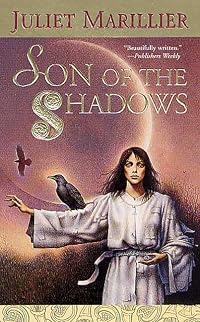
Son of the Shadows is the sequel to Juliet Marillier's evocative first novel Daughter of the Forest.It continues the saga of beautiful Sorcha, the courageous young woman who risked all to save her family from a wicked curse and whose love shattered generations of hate and bridged two cultures.
It is from her sacrifice that her brothers were brought home to Sevenwaters and her life has known much joy. But not all the brothers were able to escape the spell that transformed them into swans, show more and those who did were all more—and less—than they were before the change.
It is left to Sorcha's daughter Liadan who will take up the tale that the Sevenwaters clan is destined to fulfill. Beloved child, dutiful daughter, she embarks on a journey that opens her eyes to the wonders of the world around her...and shows her just how hard-won was the peace that she has known all her life.
Liadan will need all of her courage to help save her family, for there are forces far darker than anyone chould have guessed and ancient powers conspiring to destroy this family's peace—and their world. And she will need the strength to stand up to those she loves best, for in the finding of her own true love, Liadan's course may doom them all...or be their salvation.
At the Publisher's request, this title is being sold without Digital Rights Management Software (DRM) applied.
. show less
Tags
Recommendations


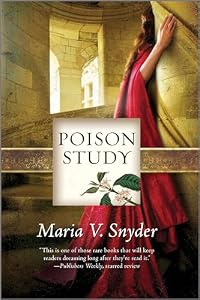
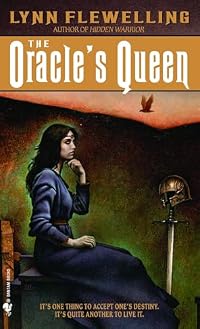
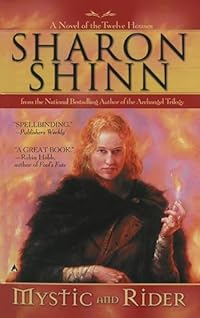
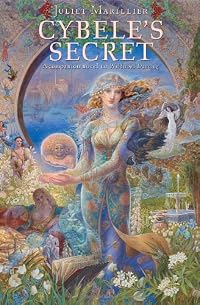
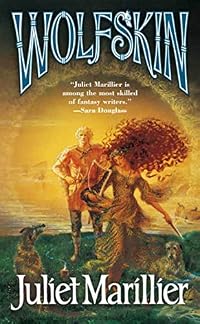
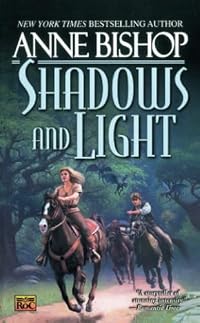
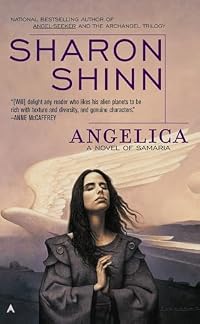
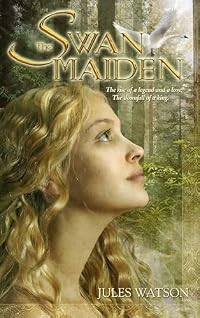
Member Recommendations

quigui The character Brigan reminded me of Bran
Member Reviews
I adored Daughter of the Forest, and since I know a lot of people consider Son of the Shadows to be the best of the Sevenwaters trilogy I was prepared to be blown away. At first I was. The heroine, Liadan, is Sorcha's youngest daughter, so from the first page it was wonderful to visit Sorcha and Red and see them as the happy couple and loving, supportive parents that they were so clearly going to become. Liadan is wonderful, and her story kicks into gear when she's kidnapped by a band of mercenaries for her healing skills. This whole section of the book completely stole my heart.
Mariller weaves elements of fairy tales into her books, and for a while I felt like I'd been transported into Neverneverland, and Liadan was Wendy among the show more Lost Boys - only, this time, Wendy and Peter Pan get to hook up. The Painted Man, Bran, is half-savage, damaged but infinitely competent and self-controlled. He's so easy to fall in love with and root for.
But here's the thing. I'm not the kind of person who intentionally buys books that will have me in tears over and over again (once is fine, more than that and I start to feel exploited and/or masochistic), and Son of the Shadows made me cry and cry and cry. Once Liadan goes home to Sevenwaters, she and Bran don't get to see one another very often so the fun romantic elements become less prominent. Instead, we get one heartbreak after another. A lot of people die in Son of the Shadows. A lot of people suffer terribly at the hands of others. A lot of people are really, really sad.
In Daughter of the Forest, Sorcha had a painful task and it was vividly described, but she pursued it out of love. And the love between Sorcha and Red was strongest, and most poignant, during Sorcha's darkest hours, when she needed it most. Liadan has no task, but she is surrounded by violent people. Bran is himself a very violent man who has committed many murders, and maybe just to make him look a little bit better by contrast, a lot of other male characters in the novel are also revealed as hardened killers. Son of the Shadows is a LOT bloodier than the first book, and there's a lot of collateral damage. There's a lot of torture and rape and cruelty and theft. It just got really hard for me to read, because I knew that every time I turned the page as likely as not I would encounter some new painful event that would make me cry again.
So Son of the Shadows is beautifully written, and painful as it was I could hardly put it down. But I don't think you could pay me to read it again. It's good, and I'd recommend it, but with a pretty strong caveat: if you are the type of person who cries when you read sad things, keep a box of tissues handy and don't take this book onto the subway. show less
Mariller weaves elements of fairy tales into her books, and for a while I felt like I'd been transported into Neverneverland, and Liadan was Wendy among the show more Lost Boys - only, this time, Wendy and Peter Pan get to hook up. The Painted Man, Bran, is half-savage, damaged but infinitely competent and self-controlled. He's so easy to fall in love with and root for.
But here's the thing. I'm not the kind of person who intentionally buys books that will have me in tears over and over again (once is fine, more than that and I start to feel exploited and/or masochistic), and Son of the Shadows made me cry and cry and cry. Once Liadan goes home to Sevenwaters, she and Bran don't get to see one another very often so the fun romantic elements become less prominent. Instead, we get one heartbreak after another. A lot of people die in Son of the Shadows. A lot of people suffer terribly at the hands of others. A lot of people are really, really sad.
In Daughter of the Forest, Sorcha had a painful task and it was vividly described, but she pursued it out of love. And the love between Sorcha and Red was strongest, and most poignant, during Sorcha's darkest hours, when she needed it most. Liadan has no task, but she is surrounded by violent people. Bran is himself a very violent man who has committed many murders, and maybe just to make him look a little bit better by contrast, a lot of other male characters in the novel are also revealed as hardened killers. Son of the Shadows is a LOT bloodier than the first book, and there's a lot of collateral damage. There's a lot of torture and rape and cruelty and theft. It just got really hard for me to read, because I knew that every time I turned the page as likely as not I would encounter some new painful event that would make me cry again.
So Son of the Shadows is beautifully written, and painful as it was I could hardly put it down. But I don't think you could pay me to read it again. It's good, and I'd recommend it, but with a pretty strong caveat: if you are the type of person who cries when you read sad things, keep a box of tissues handy and don't take this book onto the subway. show less
This was a fantastic follow-up to Daughter of the Forest, and has left me anxious to read the rest of the Sevenwaters series. Marillier's prose is lush and reverent, and her characters are as believable as they are perfectly flawed. Her blending of myth, story-telling, and drama -- not to mention magic, in just the right doses -- makes these books virtually impossible to put down once they're begun, and although some of the largest elements of the story's arc were somewhat predictable, the novel still pulled me along without fail.
I will say that this book got off to a slightly slower start than the first book in the series, but within a few chapters, it still had me hooked, and so I'd absolutely recommend it. I'll also add that I think show more this is a series readers absolutely need to read in order if they want the full flavor of the characters, so Daughter of the Forest should be picked up before this installment. show less
I will say that this book got off to a slightly slower start than the first book in the series, but within a few chapters, it still had me hooked, and so I'd absolutely recommend it. I'll also add that I think show more this is a series readers absolutely need to read in order if they want the full flavor of the characters, so Daughter of the Forest should be picked up before this installment. show less
Liadan of Sevenwaters, youngest daughter of Sorcha and Hugh (formerly of Harrowfield), twin to Sean, and little sister to Niamh, would be happy to spend her whole life in the lovely lands of Sevenwaters, helping out with the household. However, when a series of increasingly confounding events occur, and people began whispering furtively about the reawakening of a curse, or the fulfillment of an old prophecy, and Liadan is kidnapped by a band of skilled but not-quite-merciless mercenaries, she begins to realize that her destiny may lie beyond the simple household workings of Sevenwaters after all.
I had heard that, while the first book in the Sevenwaters series, Daughter of the Forest, was pretty good, the second book, SON OF THE SHADOWS, show more would blow me away. I admit to a bit of good-natured skepticism when I was told this. Okay, yes, Daughter of the Forest was good, but it’s still the same author writing the second book, which is set in the same world, and has similar characters with similar problems, right? But no, somehow, miraculously, in an act that seems to defy the unstated law of sequels (“Thou shalt never be good as the first book”), SON OF THE SHADOWS is an astounding original work of fantasy that sweeps the literary awards in the categories of characters, plot, pacing, and readers’ emotional investment.
Daughter of the Forest was constrained by it being a retelling, albeit a lush and engaging retelling of one of my favorite fairy tales, melancholy and terrifying and inspiring and heartbreaking all at the same time. However, Marillier hits her writing prowess out of the ballpark when she strays away from the retelling and makes the world she created fully her own. SON OF THE SHADOWS has everything a die-hard fantasy fan will want from a fantasy: a strong protagonist, an epic romance, complex political dynamics, nasty villains. Daughter of the Forest focuses more on Sorcha and her difficult journey to break the curse set on her brothers, whereas in SON OF THE SHADOWS, Marillier takes her time in exploring and expanding the world in and around Sevenwaters. In this book, we can feel the motions of the operations of an estate: its fluid routine under strong leadership, and its heart-wrenching struggles when the leadership is being bombarded by political manipulations and betrayals.
I love that the delicate nature of political relationships is explored so thoroughly in this book. Liadan, Sean, and Niamh being children related to the “lord of the manor,” it is inevitable that their destinies would involve how Sevenwaters’ relations with its neighbors and strategic allies must evolve. The lovely thing about this being the second book in the series is that we can already sympathize with Liadan’s parents, Sorcha and “Red,” from reading about them in the first book; thus, they never end up assuming the “antagonist parent” role. So much of this book revolves around the Sevenwaters’ inhabitants’ political relationships with others: Liadan and neighboring lord Eamonn, Niamh and her unhappy strategic marriage to an ally, and so on. I found it utterly engrossing how Marillier deftly weaves these complex strings of human desires and ambitions so that no one is entirely good, no one entirely bad.
But I haven’t even gotten to what may arguably be the best part of the book yet! Liadan’s and Bran’s romance is…epic. There is no other word for it. It sweeps you off your feet in a violent whoosh and keeps you dizzily, giddily swinging through the air, all the while knowing that you are safe, because the person holding onto you is one whom you can trust with your life. That was what it felt like for me when I was reading about their romance. Liadan and Bran: such seemingly incompatible people at first, and yet they share the same values, both have the same good intentions and dreams that they must fight and fight and fight in order to achieve. So they—and I, as the reader—are swept away with the unexpectedness of their connection to one another; and then the incredible trials they must go through in order to have even the barest hope of being happy together is the dizzy, giddy part, pulling the reader along in great breathless gasps, desperate that things might work out for the characters. Finally, no matter how dizzy and breathless and gut-wrenched you may feel along the way, you know that you are safe, because Liadan and Bran are both such fundamentally good, strong, and loving people—even if their life situations do not allow for them to show it—that you can believe that they are, without a doubt, absolutely right for one another, against all the odds.
Whew! I think I’m gonna stop there with the review. The more I write, the more I realize I don’t think I have the words to express how phenomenal my reading experience of SON OF THE SHADOWS was. Just…just read the series. Read this book. show less
I had heard that, while the first book in the Sevenwaters series, Daughter of the Forest, was pretty good, the second book, SON OF THE SHADOWS, show more would blow me away. I admit to a bit of good-natured skepticism when I was told this. Okay, yes, Daughter of the Forest was good, but it’s still the same author writing the second book, which is set in the same world, and has similar characters with similar problems, right? But no, somehow, miraculously, in an act that seems to defy the unstated law of sequels (“Thou shalt never be good as the first book”), SON OF THE SHADOWS is an astounding original work of fantasy that sweeps the literary awards in the categories of characters, plot, pacing, and readers’ emotional investment.
Daughter of the Forest was constrained by it being a retelling, albeit a lush and engaging retelling of one of my favorite fairy tales, melancholy and terrifying and inspiring and heartbreaking all at the same time. However, Marillier hits her writing prowess out of the ballpark when she strays away from the retelling and makes the world she created fully her own. SON OF THE SHADOWS has everything a die-hard fantasy fan will want from a fantasy: a strong protagonist, an epic romance, complex political dynamics, nasty villains. Daughter of the Forest focuses more on Sorcha and her difficult journey to break the curse set on her brothers, whereas in SON OF THE SHADOWS, Marillier takes her time in exploring and expanding the world in and around Sevenwaters. In this book, we can feel the motions of the operations of an estate: its fluid routine under strong leadership, and its heart-wrenching struggles when the leadership is being bombarded by political manipulations and betrayals.
I love that the delicate nature of political relationships is explored so thoroughly in this book. Liadan, Sean, and Niamh being children related to the “lord of the manor,” it is inevitable that their destinies would involve how Sevenwaters’ relations with its neighbors and strategic allies must evolve. The lovely thing about this being the second book in the series is that we can already sympathize with Liadan’s parents, Sorcha and “Red,” from reading about them in the first book; thus, they never end up assuming the “antagonist parent” role. So much of this book revolves around the Sevenwaters’ inhabitants’ political relationships with others: Liadan and neighboring lord Eamonn, Niamh and her unhappy strategic marriage to an ally, and so on. I found it utterly engrossing how Marillier deftly weaves these complex strings of human desires and ambitions so that no one is entirely good, no one entirely bad.
But I haven’t even gotten to what may arguably be the best part of the book yet! Liadan’s and Bran’s romance is…epic. There is no other word for it. It sweeps you off your feet in a violent whoosh and keeps you dizzily, giddily swinging through the air, all the while knowing that you are safe, because the person holding onto you is one whom you can trust with your life. That was what it felt like for me when I was reading about their romance. Liadan and Bran: such seemingly incompatible people at first, and yet they share the same values, both have the same good intentions and dreams that they must fight and fight and fight in order to achieve. So they—and I, as the reader—are swept away with the unexpectedness of their connection to one another; and then the incredible trials they must go through in order to have even the barest hope of being happy together is the dizzy, giddy part, pulling the reader along in great breathless gasps, desperate that things might work out for the characters. Finally, no matter how dizzy and breathless and gut-wrenched you may feel along the way, you know that you are safe, because Liadan and Bran are both such fundamentally good, strong, and loving people—even if their life situations do not allow for them to show it—that you can believe that they are, without a doubt, absolutely right for one another, against all the odds.
Whew! I think I’m gonna stop there with the review. The more I write, the more I realize I don’t think I have the words to express how phenomenal my reading experience of SON OF THE SHADOWS was. Just…just read the series. Read this book. show less
It took me several years to even contemplate buying this book, and several more to read it. I have such a reader-girl crush on Sorcha from the previous book, "Daughter of the Forest," that I didn't want anything to change that story.
And this book brings a new story into the Sevenwaters part of Ireland, partial setting of "Daughter" and the touchpoint for where this family is part of the land. It begins with the younger daughter, a twin, of Sorcha and Red and her path that she has determined for herself: to live at Sevenwaters, perhaps marry, but continue her mother's healing tradition for the people. Of course events transpire that change her view, and also included are the continuations of the stories of Conor and Liam and even Padraig show more and Finbar. And of course Sorcha.
This book also deals with a child's trauma and how it affects him as an adult, a young woman's trauma when she is given to a man she does not wish as her husband, and the choice to follow what the Old Ones say or to make one's own determination about one's path. Those are the overarching themes; the most immediate ones are the threat of the Painted Man and his band of hired mercenaries who can appear, kill, and disappear, and the role of the Druids and how they control the world around them.
Excellent writing, well-created characters, and a good continuation of the Sevenwaters story. show less
And this book brings a new story into the Sevenwaters part of Ireland, partial setting of "Daughter" and the touchpoint for where this family is part of the land. It begins with the younger daughter, a twin, of Sorcha and Red and her path that she has determined for herself: to live at Sevenwaters, perhaps marry, but continue her mother's healing tradition for the people. Of course events transpire that change her view, and also included are the continuations of the stories of Conor and Liam and even Padraig show more and Finbar. And of course Sorcha.
This book also deals with a child's trauma and how it affects him as an adult, a young woman's trauma when she is given to a man she does not wish as her husband, and the choice to follow what the Old Ones say or to make one's own determination about one's path. Those are the overarching themes; the most immediate ones are the threat of the Painted Man and his band of hired mercenaries who can appear, kill, and disappear, and the role of the Druids and how they control the world around them.
Excellent writing, well-created characters, and a good continuation of the Sevenwaters story. show less
I should not have waited so long before I read Son of the shadows. This book is completely in the mold of Daughter of the forest, with a great heroine and a wonderful tale. I liked that Liadan really made her own choices: where Sorcha was being manipulated in a way (although it didn't come across as such at the time) by the fairies, Liadan defies them. Rightfully so, I think, for she was absolutely right about their attitude towards humans. It seems they were pretty stupid about how to motivate people to do something... Anyway, I really hate it when people expect you to follow their lead without a decent explanation (in books, I haven't come across it in real life...) 'Trust us, you are destroying everything if you don't do what we say, show more but we won't tell you how or what or anything, really'. Ugh.
Liadan is courageous and not afraid to follow her own path, even if it must have been difficult to be set apart from her family because of it. I loved her connection to the Foimhore, and the revelation that there is more than just the fairies. I was not so fond of her sister, but that is sort of a setup, I guess. She is not portrayed as someone easily liked, even thought all the characters in the book apparently do like her. To me, she seemed willful, stubborn and stupid. Still, what happens to her is awful, and the decisions made by the uncles about not telling her anything again do damage that would not have been necessary. I'm glad Liadan stands up for her.
In general, I really like the atmosphere of these books. I like reading about the Sevenwaters community, about the work Liadan does, about her relationships with her family, and of course with Bran and his followers. Sure, it has some traditional male-female roles, him the troubled warrior, she the healer who saves him and gives his life meaning. But it is well executed and I like that Liadan shows that there can be strength in traditional female roles as well. show less
Liadan is courageous and not afraid to follow her own path, even if it must have been difficult to be set apart from her family because of it. I loved her connection to the Foimhore, and the revelation that there is more than just the fairies. I was not so fond of her sister, but that is sort of a setup, I guess. She is not portrayed as someone easily liked, even thought all the characters in the book apparently do like her. To me, she seemed willful, stubborn and stupid. Still, what happens to her is awful, and the decisions made by the uncles about not telling her anything again do damage that would not have been necessary. I'm glad Liadan stands up for her.
In general, I really like the atmosphere of these books. I like reading about the Sevenwaters community, about the work Liadan does, about her relationships with her family, and of course with Bran and his followers. Sure, it has some traditional male-female roles, him the troubled warrior, she the healer who saves him and gives his life meaning. But it is well executed and I like that Liadan shows that there can be strength in traditional female roles as well. show less
The disappointment.... Years ago I read this book and I really enjoyed it. I read it some months after the first one and, even though I never liked the romance, I remember liking some elements of the story. Now that I reread it, I have no idea how I excused so much.
This book is a sequel to Daughter of the Forest and follows Sorcha’s daughter, Liadan. Liadan has powers of her own and her story influences future events just like the path of her sister Niamh.
At first I was enjoying this book. I even tried to excuse everyone thinking how Liadan was so special and the best woman ever as the story being told from her self absorbed perspective. However, given the events of the story, that justification doesn’t hold. Everyone really does show more think all of those things about Liadan. This main character also has magical powers that are very convenient for the plot because she not only can communicate with her brother, she can also read someone’s thoughts and see visions of the past, present and future! I ended the book really disliking this character.
If there is one character I hate more than Liadan, is the love interest. Bran is the sexist man that hates all women and tells Liadan how unique and not like other girls she is. I have no idea how he is known as this great clever warrior when his actions make no sense strategically. Besides that, Bran and Liadan are each other’s one true love after “knowing” each other for a few days only. There is an hint that them being together is the will of mysterious ancient forces, but if anything that makes it worse!
I also can’t stand how unfair everyone was to Niamh, Liadan’s sister, and the treatment she got from her parents was so out of character. I absolutely hated how Liadan thought she was so special and how she acted when Niamh told her what was happening in her marriage. Contrary to Sorcha and her brothers, Liadan’s bond with her brother and sister feels weak and disconnected. Liadan thinks more of herself than anyone else while being complimented for being so selfless. There is a moment in the book when someone says Liadan is the favourite daughter... what a great family. I feel so sorry for Niamh, even though I didn’t really like her at first too.
While the former book had a mention of love and marriage between cousins that was in the background enough that I could ignore it, but in this one the incest is essential to the plot. The characters see it as wrong, but their behaviour about the situation was so horrendous that it seems like readers are meant to see it as right (especially given how the story ended). Once again there is also a romance between a 16 year old and a 20 something year old, which I guess it’s just common in old fantasy at this point.
There were so many stories! Why are there so many tales in the middle of the book? Everything was an excuse to tell a story often very loosely related to the plot.
The “emotional” moments didn’t work since I wasn’t invested in any of the characters after some chapters and reading the last 150 pages of this book was a struggle.
The reason that this book gets 2 stars instead of 1 is because I was engaged at first and I liked the writing for the most part. I read the Portuguese translation and occasionally there were odd word choices, but overall it was still a nice translation. Not atmospheric like the first book, but some passages still had a mysterious magical feel to it.
In the end I am left very disappointed and with the hope that the third book is better even though I know already it will not be as good as the first one, given the premise and the fact that it’s a sequel to this. I will never reread this book again, but I will still reread the first one and treat it as a standalone. show less
This book is a sequel to Daughter of the Forest and follows Sorcha’s daughter, Liadan. Liadan has powers of her own and her story influences future events just like the path of her sister Niamh.
At first I was enjoying this book. I even tried to excuse everyone thinking how Liadan was so special and the best woman ever as the story being told from her self absorbed perspective. However, given the events of the story, that justification doesn’t hold. Everyone really does show more think all of those things about Liadan. This main character also has magical powers that are very convenient for the plot because she not only can communicate with her brother, she can also read someone’s thoughts and see visions of the past, present and future! I ended the book really disliking this character.
If there is one character I hate more than Liadan, is the love interest. Bran is the sexist man that hates all women and tells Liadan how unique and not like other girls she is. I have no idea how he is known as this great clever warrior when his actions make no sense strategically. Besides that, Bran and Liadan are each other’s one true love after “knowing” each other for a few days only. There is an hint that them being together is the will of mysterious ancient forces, but if anything that makes it worse!
I also can’t stand how unfair everyone was to Niamh, Liadan’s sister, and the treatment she got from her parents was so out of character. I absolutely hated how Liadan thought she was so special and how she acted when Niamh told her what was happening in her marriage. Contrary to Sorcha and her brothers, Liadan’s bond with her brother and sister feels weak and disconnected. Liadan thinks more of herself than anyone else while being complimented for being so selfless. There is a moment in the book when someone says Liadan is the favourite daughter... what a great family. I feel so sorry for Niamh, even though I didn’t really like her at first too.
While the former book had a mention of love and marriage between cousins that was in the background enough that I could ignore it, but in this one the incest is essential to the plot. The characters see it as wrong, but their behaviour about the situation was so horrendous that it seems like readers are meant to see it as right (especially given how the story ended). Once again there is also a romance between a 16 year old and a 20 something year old, which I guess it’s just common in old fantasy at this point.
There were so many stories! Why are there so many tales in the middle of the book? Everything was an excuse to tell a story often very loosely related to the plot.
The “emotional” moments didn’t work since I wasn’t invested in any of the characters after some chapters and reading the last 150 pages of this book was a struggle.
The reason that this book gets 2 stars instead of 1 is because I was engaged at first and I liked the writing for the most part. I read the Portuguese translation and occasionally there were odd word choices, but overall it was still a nice translation. Not atmospheric like the first book, but some passages still had a mysterious magical feel to it.
In the end I am left very disappointed and with the hope that the third book is better even though I know already it will not be as good as the first one, given the premise and the fact that it’s a sequel to this. I will never reread this book again, but I will still reread the first one and treat it as a standalone. show less
Earlier today I reviewed Daughter of the Forest, which I called my favorite fairy tale retelling of all time (and one of my favorite books, period.); Son of the Shadows is the 2nd book of the series, and I was a little hesitant to read it because it follows Sorcha and Red's children (meaning Sorcha and Red would be older and shuffled off out of the picture, and I just wasn't ready for that), and I'd heard that the series starts to go down hill after the first book. And though this did lack some of the magic of Daughter of the Forest, I certainly wouldn't say that Son of the Shadows is the point where the series starts to go downhill.
It's strange, though: some of my favorite things about the book are also some of my complaints. So I'm show more just going to get right into it. And, um, there will be slight spoilers.
I liked the way Son of the Shadows expanded the mythology of Sevenwaters (and Ireland) by incorporating the Old Ones and giving the fey a run for their money. They were an interesting element, and I really liked it. They world and mythology was also expanded in that there are characters from around the world. The Painted Men were fascinating, and going behind the scenes with the "bad guys" and feeling pity for them, sometimes even rooting for them - it was interesting, because it was hard to know where to lay your allegiance. (Which I think was a good thing, because it puts you more in Liadan's mind, who is having a similar problem.)
But when I first started SotS, I was more than a little worried that it was going to be a lukewarm rehashing of DOTF, covering the same ground with "new" characters, and trying to recapture the magic. And there were times that I felt this did sort of peek through, or Liadan did come close to being Sorcha, especially in the beginning, before she began to distinguish herself. But as it went along, the similarities faded and Liadan became her own character, and I liked her for it. She was much more willful than her mother, and even sort of brazen, which is not something I would call Sorcha. Where Sorcha took her lot in life and struggled to make the most of it, Liadan went after what she wanted, even when it was sometimes incredibly reckless. Their similarities (beyond both being healers and respected members of their community - and unwittingly enchanting every man who crossed their path) was in the lengths they would go to for those they loved. There didn't seem to be anything they wouldn't risk, which is complicated when the people you love require contradicting things of you.
While I'm on the topic of love, I do want to talk about the...romance between Liadan and Bran. I have a friend (the one who recommended the books to me in the first place) who likes Bran more than Red, and that I just don't get. Maybe it's the tortured soul thing, maybe it's whatever it is in women that makes them like bad boys, but as much as I liked Bran as a character, and even as a love interest (at times), I would never in a million years compare their romance to Sorcha's and Red's, or claim to like anyone more. (Red 4eva!) I did like Liadan and Bran together, and I liked his slow transformation into someone worthy of being liked.
There was an honesty to the situation, and an acceptance that people aren't perfect (and perhaps Bran was a good foil to Liadan's somewhat Mary Sue character). I sometimes felt as if I was reading the story that would have been if Sorcha had ended up with Simon instead of going to England and meeting Red. That was interesting - but it never gave me butterflies the way that DOTF did. I loved it, and I looked forward to the scenes where they were together, even if only briefly, and that's high-praise, really. But I just can't get crazy fangirly on this one. I loved both characters and found them intriguing, but they were also frustrating and the beauty of the build-up and discovery just wasn't there. It would come SO CLOSE and then just not go all the way*. I liked them, almost even loved them, but they weren't quite magic. Sorcha and Red were magic.
*But they did. Boy, did they.
There were other things that worked but didn't work for me, too. I liked the darkness of the story which, as dark as DOTF was, I think actually went a little darker. There were dark moments in DOTF, and a villain or two, but it was overpowered by so much valiance and righteousness and love. SotS shows us how even some of the good guys get corrupted. Times are changing in Liadan's world, and mostly not for the better. There is a lot of darkness and mistrust and loneliness and violence, all compounded on one another. And though I liked this, sometimes it was just too much. I don't mean this from a "too much for my delicate sensibilities" standpoint, because I don't have those. I mean, sometimes it was just too much: Eammon could have been a cartoon villain, twirling his curly mustache at the end. And though there were times I loved his obsessive need for control and his callousness, and there were times that I could see it crack and even feel pity for him, there were also times when I was just wanted to be done with him.
But the fact is, there was never anything bad enough in this book to keep me from recommending it, or even loving it. I'm just holding it up to the impossibly high standard Daughter of the Forest set. And for those of you who are fans of DOTF but haven't read this one yet, allow me to tease you with this:
There's more Finbar!!
I truly loved his role in this book, and his connection to Liadan. It expanded her character and his quite nicely.
Do yourself a favor and pick up Daughter of the Forest and Son of the Shadows. Trust me. show less
It's strange, though: some of my favorite things about the book are also some of my complaints. So I'm show more just going to get right into it. And, um, there will be slight spoilers.
I liked the way Son of the Shadows expanded the mythology of Sevenwaters (and Ireland) by incorporating the Old Ones and giving the fey a run for their money. They were an interesting element, and I really liked it. They world and mythology was also expanded in that there are characters from around the world. The Painted Men were fascinating, and going behind the scenes with the "bad guys" and feeling pity for them, sometimes even rooting for them - it was interesting, because it was hard to know where to lay your allegiance. (Which I think was a good thing, because it puts you more in Liadan's mind, who is having a similar problem.)
But when I first started SotS, I was more than a little worried that it was going to be a lukewarm rehashing of DOTF, covering the same ground with "new" characters, and trying to recapture the magic. And there were times that I felt this did sort of peek through, or Liadan did come close to being Sorcha, especially in the beginning, before she began to distinguish herself. But as it went along, the similarities faded and Liadan became her own character, and I liked her for it. She was much more willful than her mother, and even sort of brazen, which is not something I would call Sorcha. Where Sorcha took her lot in life and struggled to make the most of it, Liadan went after what she wanted, even when it was sometimes incredibly reckless. Their similarities (beyond both being healers and respected members of their community - and unwittingly enchanting every man who crossed their path) was in the lengths they would go to for those they loved. There didn't seem to be anything they wouldn't risk, which is complicated when the people you love require contradicting things of you.
While I'm on the topic of love, I do want to talk about the...romance between Liadan and Bran. I have a friend (the one who recommended the books to me in the first place) who likes Bran more than Red, and that I just don't get. Maybe it's the tortured soul thing, maybe it's whatever it is in women that makes them like bad boys, but as much as I liked Bran as a character, and even as a love interest (at times), I would never in a million years compare their romance to Sorcha's and Red's, or claim to like anyone more. (Red 4eva!) I did like Liadan and Bran together, and I liked his slow transformation into someone worthy of being liked.
There was an honesty to the situation, and an acceptance that people aren't perfect (and perhaps Bran was a good foil to Liadan's somewhat Mary Sue character). I sometimes felt as if I was reading the story that would have been if Sorcha had ended up with Simon instead of going to England and meeting Red. That was interesting - but it never gave me butterflies the way that DOTF did. I loved it, and I looked forward to the scenes where they were together, even if only briefly, and that's high-praise, really. But I just can't get crazy fangirly on this one. I loved both characters and found them intriguing, but they were also frustrating and the beauty of the build-up and discovery just wasn't there. It would come SO CLOSE and then just not go all the way*. I liked them, almost even loved them, but they weren't quite magic. Sorcha and Red were magic.
*But they did. Boy, did they.
There were other things that worked but didn't work for me, too. I liked the darkness of the story which, as dark as DOTF was, I think actually went a little darker. There were dark moments in DOTF, and a villain or two, but it was overpowered by so much valiance and righteousness and love. SotS shows us how even some of the good guys get corrupted. Times are changing in Liadan's world, and mostly not for the better. There is a lot of darkness and mistrust and loneliness and violence, all compounded on one another. And though I liked this, sometimes it was just too much. I don't mean this from a "too much for my delicate sensibilities" standpoint, because I don't have those. I mean, sometimes it was just too much: Eammon could have been a cartoon villain, twirling his curly mustache at the end. And though there were times I loved his obsessive need for control and his callousness, and there were times that I could see it crack and even feel pity for him, there were also times when I was just wanted to be done with him.
But the fact is, there was never anything bad enough in this book to keep me from recommending it, or even loving it. I'm just holding it up to the impossibly high standard Daughter of the Forest set. And for those of you who are fans of DOTF but haven't read this one yet, allow me to tease you with this:
There's more Finbar!!
I truly loved his role in this book, and his connection to Liadan. It expanded her character and his quite nicely.
Do yourself a favor and pick up Daughter of the Forest and Son of the Shadows. Trust me. show less
Members
- Recently Added By
Lists

Favorite Fairy Tale Retellings
210 works; 62 members

Celtic Fiction
26 works; 9 members

Female Protagonist
1,056 works; 56 members

Books That Made Me Cry
199 works; 104 members

Books Read in 2016
4,666 works; 197 members
Author Information

46+ Works 24,592 Members
Juliet Marillier (born July 27, 1948) is a New Zealand born writer of fantasy, especially historical fantasy. She currently lives in Western Australia. While Marillier writes mostly for adults, her recent books have included Cybele's Secret, a sequel to her novel for young adults Wildwood Dancing. Cybele's Secret won a 2008 Sir Julius Vogel Award show more for Best Novel - Young Adult. Her latest release is Heir to Sevenwaters, a stand-alone novel related to the Sevenwaters Trilogy. She won the Aurealis Award in 2014 for Fantasy Novel with her title Dreamer's Pool. (Bowker Author Biography) show less
Some Editions
Awards and Honors
Awards
Series

Work Relationships
Common Knowledge
- Canonical title
- Son of the Shadows
- Original title
- Son of the Shadows
- Original publication date
- 2000-05
- People/Characters
- Liadan; Sorcha; Liam; Niamh; Bran/The Painted Man; Eamonn (show all 21); Sean; Fionn; Ciaran; Gull; Hugh of Harrowfield/Red; Conor; Finbar; Aisling; Padriac; Dog; Rat; Janis; Wolf; Evan; Johnny
- Important places
- Sevenwaters
- Dedication
- To Godric, voyager and man of the earth; and to Ben, a true son of Manannan mac Lir
- First words
- My mother knew every tale that was ever told by the firesides of Erin, and more besides.
- Last words
- (Click to show. Warning: May contain spoilers.)Oh, bravely done.
- Original language*
- Engels
*Some information comes from Common Knowledge in other languages. Click "Edit" for more information.
Classifications
Statistics
- Members
- 2,669
- Popularity
- 6,926
- Reviews
- 63
- Rating
- (4.20)
- Languages
- 6 — Dutch, English, German, Italian, Spanish, Portuguese (Portugal)
- Media
- Paper, Audiobook, Ebook
- ISBNs
- 31
- ASINs
- 14