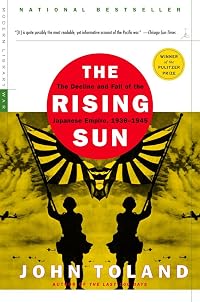
The Rising Sun: The Decline and Fall of the Japanese Empire, 1936-1945
by John Toland
Modern Libray War
On This Page
Description
This magnificent Pulitzer Prize-winning history, told primarily from the Japanese viewpoint, traces the dramatic fortunes of the Empire of the Sun from the invasion of Manchuria to the dropping of the atomic bombs, demolishing many myths surrounding this catastrophic conflict. Why did the dawn attack on Pearl Harbor occur? Was was inevitable? Was the Emperor a puppet or a warmonger? And, finally, what inspired the barbaric actions of those who fought, and who speak here of the unspeakable - show more murder, cannibalism and desertion? show lessTags
Recommendations





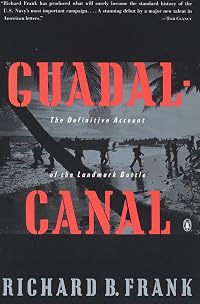
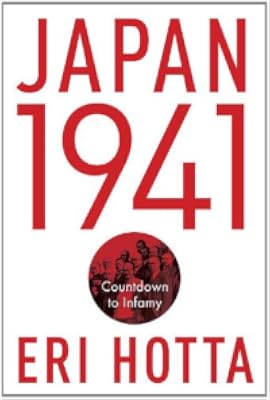


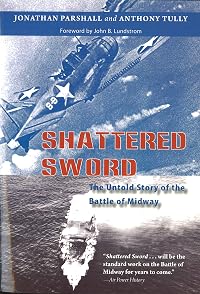
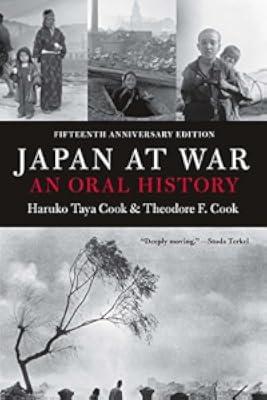
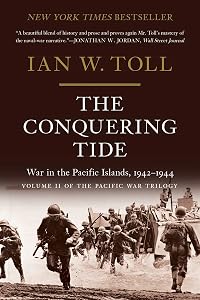
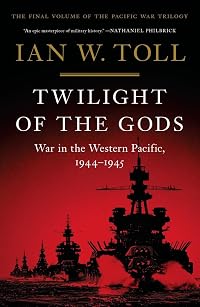
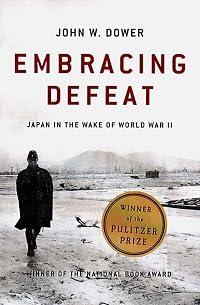

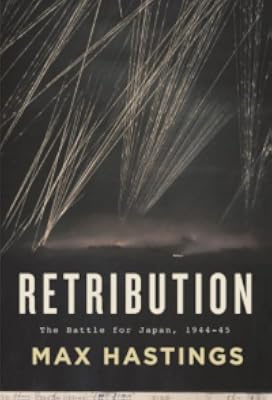
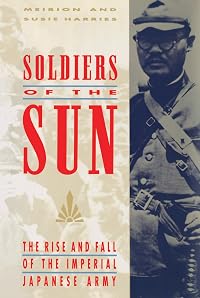

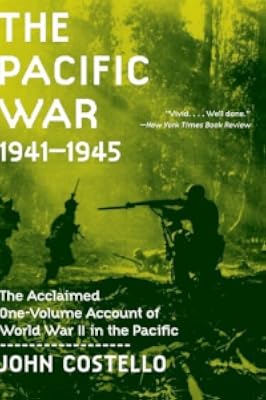
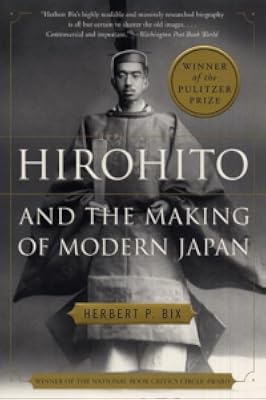
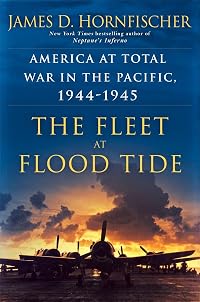
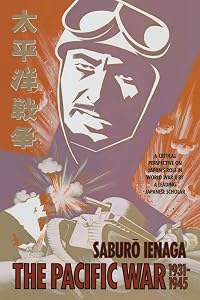
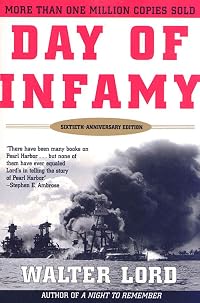


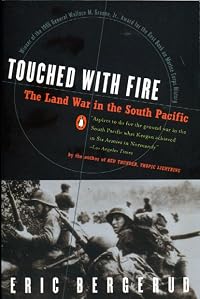

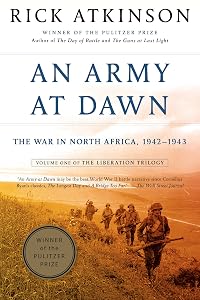
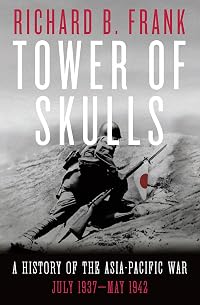
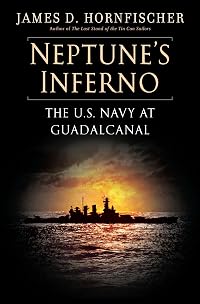


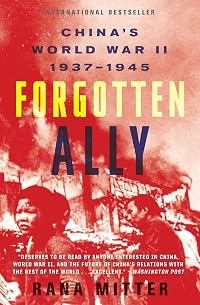



Member Recommendations
Cecrow Excellent bookends for the Axis story.

Member Reviews
A blow-by-blow account of the war, with very little analysis or big picture summary. Parts of it were, to me, very much old news, but other parts were fascinating. Lots of interesting anecdotes from the Japanese side, and great descriptions of both the pre-war negotiations and the final obstacles to surrender. Overall, Toland's writing is clear and the book is hard to put down. It's a good foundation to start learning more about the period.
Thoughts:
Many primary sources and interviews with quite a few highly placed individuals from President Truman to Clement Atlee, Allen Dulles, Nimitz, Spruance, Stark, Professor Hiraizumi, Hiroshima and Nagasaki survivors, survivors and leaders of both sides of every major (and many minor) Pacific engagements, Japanese Cabinet officials, Japanese Imperial household staff, most immediate relatives and staff of the Japanese Prime Ministers, Chinese Nationalist leaders, and many more.The list of primary interviews is 9 pages long. His list of acknowledgements reads like a Who's Who of the Pacific War.
My impression is that he was a bit soft on Hirohito, Konoye and Tojo. The book does not mention the biological warfare in China which killed show more around half a million Chinese. It also completely misses Hirohito's personal authorization of chemical warfare in China nor his specific signature denying dignity to and relieving the Army of the responsibility to treat POWs humanely. Every war crime the book mentions is laid at the feet of the radical midlevel officers - Nanking, Bataan, the Philippines, Singapore, and the execution of U.S. airmen.
The book provided a much fuller picture of the Japanese actions and decision making that I sought. One can see that, while the American mind lumps Nazis,fascists, and the Japanese into one hostile power-mad conquering group, each stood on completely different terms. This is quite evident in the number of wartime prime ministers in Japan - 4 during the US portion and 15 from the invasion of Manchuria. I was surprised to read that Japan's leaders, esp Tojo, were serious about the Greater East Asian Co-Prosperity Sphere. I had known that the Indonesians looked on Japanese occupation favorably and ex-Japanese soldiers assisted the Viet Minh fight the French, but I also learned that Burma and Indian nationalists looked on them favorably. It's hard to reconcile their treatment in these nations with their wartime behavior in the Philippines, Vietnam, and especially China. show less
Many primary sources and interviews with quite a few highly placed individuals from President Truman to Clement Atlee, Allen Dulles, Nimitz, Spruance, Stark, Professor Hiraizumi, Hiroshima and Nagasaki survivors, survivors and leaders of both sides of every major (and many minor) Pacific engagements, Japanese Cabinet officials, Japanese Imperial household staff, most immediate relatives and staff of the Japanese Prime Ministers, Chinese Nationalist leaders, and many more.The list of primary interviews is 9 pages long. His list of acknowledgements reads like a Who's Who of the Pacific War.
My impression is that he was a bit soft on Hirohito, Konoye and Tojo. The book does not mention the biological warfare in China which killed show more around half a million Chinese. It also completely misses Hirohito's personal authorization of chemical warfare in China nor his specific signature denying dignity to and relieving the Army of the responsibility to treat POWs humanely. Every war crime the book mentions is laid at the feet of the radical midlevel officers - Nanking, Bataan, the Philippines, Singapore, and the execution of U.S. airmen.
The book provided a much fuller picture of the Japanese actions and decision making that I sought. One can see that, while the American mind lumps Nazis,fascists, and the Japanese into one hostile power-mad conquering group, each stood on completely different terms. This is quite evident in the number of wartime prime ministers in Japan - 4 during the US portion and 15 from the invasion of Manchuria. I was surprised to read that Japan's leaders, esp Tojo, were serious about the Greater East Asian Co-Prosperity Sphere. I had known that the Indonesians looked on Japanese occupation favorably and ex-Japanese soldiers assisted the Viet Minh fight the French, but I also learned that Burma and Indian nationalists looked on them favorably. It's hard to reconcile their treatment in these nations with their wartime behavior in the Philippines, Vietnam, and especially China. show less
This book is a political history of Japan between 1936 and 1945, played out in scenes in Tokyo, Washington and in the battles in China, the Pacific, and South East Asia. The particular strength of the book is its use of personal recollections and accounts of key figures in the Japanese Government and Imperial Councils. What comes across are the deeply divided factions within Japan, and the surprisingly sophisticated and nuanced views they held towards the capability and intentions of the United States of America. The author's thesis (and he argues that this represents the views held in Japan at the time) was that the US and Japan went to war over the Japan's desire to bring China within its sphere of influence, and the US determination show more to block that outcome. Toland argues that the Japanese were genuine in their desire to reach some compromise with the US in relation to China in the period leading up to Pearl Harbour - admittedly under considerable pressure from the US. It is ironic that the US success in cracking Japanese codes meant that the US Secretary of State became aware that the Japanese were preparing a military fall back position if the talks on China failed, and from this knowledge concluded that the Japanese attempts at compromise were simply a smoke screen rather than a legitimate diplomatic option. This is no apology for Japan, but adds a deeper understanding to how wrong-headed their decision to go to war was. It also gives the lie to statements that the Emperor's instruction to lay down arms and 'bear the unbearable' defeat was universally complied with. Simply a classic history. show less
I really enjoyed this in depth look at the Japanese Empire and the war in the Pacific. I've read a lot of books about World War II, especially the battles in the Pacific, and while The Rising Sun doesn't go into as much depth as those other books on specific battles or campaigns, it excels at providing a detailed overview of the entire war from the American and Japanese perspectives. I greatly enjoyed the detailed recounting of the events that preceded Pearl Harbor, as well as the turmoil in the Japanese government and army as they considered surrender. The detailed recounting of events from individual soldiers, non-combatants, and politicians provided detail and a human perspective on the war, especially from the Japanese side. If you show more are a student of history, especially of World War II, then this is a book you need to include in your reading list. show less
How time flies. It is difficult to remember that this book (or these books, since this is a two-volume work) is almost 50 year old. Written, as the title suggests, mostly from the Japanese point of view, it covers the period from the 2/26 Incident down through the surrender. It is based mostly on interviews with hundred of participants, nearly all of whom must by now be dead — along with the author, who died in 2004. Despite the vast length of the book, it doesn’t cover everything equally; some important incidents are covered only incidentally, while a few are covered in excruciating detail. It is not entirely devoid of mistakes. For example, it describes the Casablanca Conference as being held with “the brilliant blue of the show more Mediterranean as a background” — Casablanca is on the Atlantic, not the Mediterranean. Nevertheless, it is very well written, and highly recommended to anyone with an interested in the Pacific War. show less
A blow-by-blow account of the war, with very little analysis or big picture summary. Parts of it were, to me, very much old news, but other parts were fascinating. Lots of interesting anecdotes from the Japanese side, and great descriptions of both the pre-war negotiations and the final obstacles to surrender. Overall, Toland's writing is clear and the book is hard to put down. It's a good foundation to start learning more about the period.
This was pretty outstanding. Straightforward telling of the Japanese side of the build up and conduct during the war. Great account of the lead up to Pearl Harbor. Well placed capsule stories intermixed with the broad narrative of the big events. No complaints.... this was super.
Members
- Recently Added By
Lists

Books about World War II
241 works; 22 members

Book Titles Mentioned In Newberry Medal And Honor Books
884 works; 3 members

Dan Carlin's Supernova in the East Book List
61 works; 1 member
Author Information

30+ Works 6,505 Members
Awards and Honors
Awards
Notable Lists
Series

Work Relationships
Contains
The Rising Sun, Volume 1 of 2: The Decline and Fall of the Japanese Empire, 1936-1945 by John Toland
The Rising Sun, Volume 1 of 4: The Decline and Fall of the Japanese Empire, 1936-1945 by John Toland (indirect)
The Rising Sun, Volume 2 of 4: The Decline and Fall of the Japanese Empire, 1936-1945 by John Toland (indirect)
Common Knowledge
- Canonical title
- The Rising Sun: The Decline and Fall of the Japanese Empire, 1936-1945
- Original publication date
- 1970
- Important places
- Japan
- Important events
- Second Sino-Japanese War (1937-07-07 | 1945-09-09); World War II (1939 | 1945); World War II, Pacific Theater (1941-12-07 | 1945-09-02)
- Dedication
- To Orie and Tokiji Matsumura and Paul R. Reynolds
Classifications
Statistics
- Members
- 1,248
- Popularity
- 19,748
- Reviews
- 21
- Rating
- (4.14)
- Languages
- English
- Media
- Paper, Audiobook, Ebook
- ISBNs
- 20
- ASINs
- 29