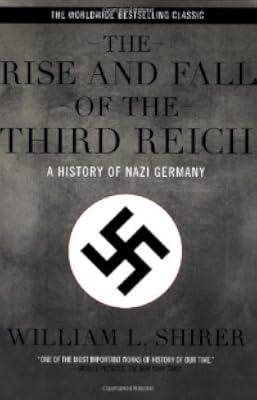
The Rise and Fall of the Third Reich: A History of Nazi Germany
by William L. Shirer
On This Page
Description
Since its publication in 1960, William L. Shirer's monumental study of Hitler's German empire has been widely acclaimed as the definitive record of the twentieth century's blackest hours. The Rise and Fall of the Third Reich offers an unparalleled and thrillingly told examination of how Adolf Hitler nearly succeeded in conquering the world. With millions of copies in print around the globe, it has attained the status of a vital and enduring classic. Now, years after the end of World War show more II, it may seem incredible that our most valued institutions, and way of life, were threatened by the menace that Hitler and the Third Reich represented. Shirer's description of events and the cast of characters who played such pivotal roles in defining the course Europe was to take is unforgettable. Benefiting from his many years as a reporter, and thus a personal observer of the rise of Nazi Germany, and availing himself of some of the 485 tons of documents from the German Foreign Office, as well as countless other diaries, phone transcriptions, and other written records, meticulously kept at every level by the Germans, Shirer has put together a brutally objective account of how Hitler wrested political control of Germany, and planned and executed his six-year quest to dominate the world, only to see Germany go down in flames. Although 1600 pages long, this is such a richly rewarding experience for anyone who wants to come to grips with the mysterious question of how this menace to civilization ever came into being, much less was sustained for as long as it was. The answer, unfortunately, is that most of Germany, for a whole host of reasons, embraced Nazism and the fanaticism that Hitler engendered. show lessTags
Recommendations




























Member Recommendations



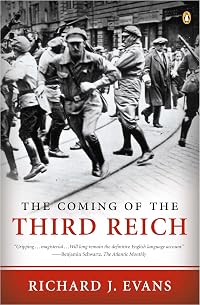
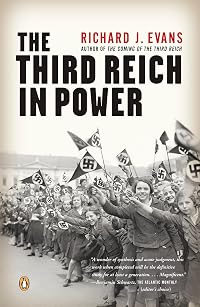
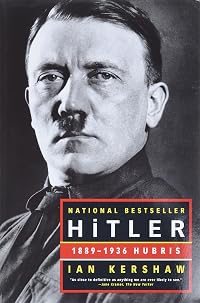
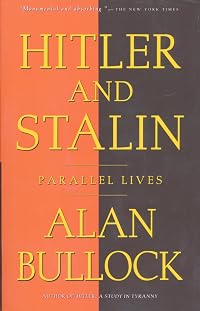
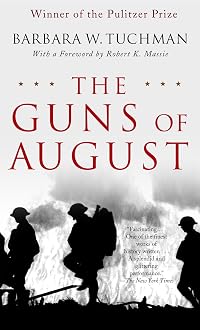
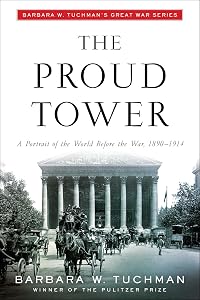
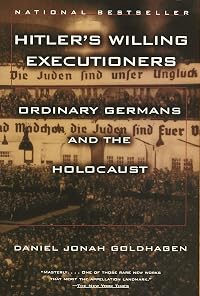
Cecrow Excellent bookends for the Axis story.
21

Member Reviews
Clocking out at more than 1,200 pages this book is everything but for the faint-hearted! Yet, recounting first the birth of the Nazi party and its rise under the Republic of Weimar, before then launching into a retelling of WWII and the collapse of a regime that aimed to last at least a millennium, the sheer scope of its approaches makes it a absolute must-read for anyone wanting to try and comprehend what the hell happened to Germany at that time. The fact that the author was there all along makes it even more insightful, or, at least, fascinatingly gripping.
It has often been reproached to Shirer that he was not an historian but a journalist, and so that his work could lack in certain academic standard. His adherence to the Sonderweg show more theory, for instance, has especially been hurled at him more than once for supposedly reflecting a poor understanding of German history, besides being, or so you could claim, 'prejudiced' somehow against German people overall. This last point, I must say, may have been true to a point. After all, comparing the trajectory and fate of fascism in Italy to that of Nazism in Germany, Shirer had no qualm referring to the Italians as being a more 'civilized' and sensible people than the Germans, hence why fascistic ideals were never quite fully embraced by the population at large in one country as opposed to the other. His scathing judgement, here, surely was terribly unfair to the Germans considering, not only that Hitler never managed to obtain a clear majority even during chaotic elections in a society on the brink of collapse, but, also, that despite the brutality of his terroristic regime which had silenced any opposition, right up to the end of the war pockets of resistance could still nevertheless be found to be active. And yet...
And yet, despite its personal views and flaws perhaps, the issue remains that to be a professional historian is certainly no guarantee of being immune to misinterpretations and/ or subjective judgements and opinions either, anymore than not being an historian makes one, de facto, less of an expert on a given topic. When it comes to Shirer, then, what should matter is not his professional background but his method, relying as much upon his personal experience as a reporter as upon a waste arrays of official sources, from captured Nazi documents to reports and directives, and from diaries of the people concerned to transcripts and testimonies from their trials. What emerged from all of that?
Hitler was not merely the product of WWI and, later, of the Wall Street crash. He also had been born in Austria-Hungary at a time when it went through massive crises and changes (at least for the German speaking population) and so Shirer shows how such cultural background can also help to understand him a bit better.
The Nazis, at least in the popular narrative, are often understood as being ultra-Conservatives and motivated only by anti-Semitism and war-mongering. It certainly turned out to be true over the years. Yet, as Shirer also clearly demonstrates, such trajectory was taken only because of Hitler's ultimate monopoly upon what started as a 'Workers Party' that is, a party concerned as much about nationalism and racism than it was about socialist measures. Many since have put the question forth: was the NSDAP rooted in the Right, or was it a product of the Left? The debate has often turned into a caricature, with both sides of the political spectrum refusing to reckon with their responsibilities. Nevertheless, if there is no denying that Nazism benefited 'the bourgeois' and the financiers, leaving the working classes to be exploited (e.g. trade unions had been mercilessly eradicated; and if employment rates were high, incomes were everything but...) there is no denying either that among their original '25 Points' many were strikingly Communist in intent. And indeed, the likes of Strasser, Goebbels, and Rohm could not only be called 'leftists' in many respect (no matter how counter-intuitive), but they made no qualm about having wanted to push for a 'second revolution' too once power had been gained. This, here, are very important ideological acknowledging; for, if anything, they point to the complexities (and so anomalies) of what Nazism truly entailed, a ragtag of people as much as it was a ragtag of ideas, and which made it not only a bizarre bastard offshoot of even fascism itself but contributed to its widespread success as well.
The chapters dedicated to the war are, or so I personally found, less challenging. It has become a trope that Germany lost the war mostly because Hitler ultimately side lined his own commanding officers to, incompetently, take charge. The disaster of the Russian campaign, and his utter failure in seeing the crucial importance of the Middle East and of the North African fronts, surely justify such views; and so Shirer walks such perspective too. Nevertheless, these are points made only insofar as one assesses the ending years of the war. As the author also rightly points, Hitler might have been an incompetent military commander, but in the late 1930s he had been a formidable gambler and here was a tactic that would have consequences. When it comes to the army and its leadership indeed, the then apathy, complacency, let alone sheer naivety of the Allies (France and Britain especially) had made it not only possible for him to put his militaristic plans in action, but contributed to further give him credibility at the top levels of an institution where, here again, opponents would end up discarded with not much complaint otherwise (e.g. the fates of Blomberg and Fritsch).
What about the Sonderweg theory? I confess: I haven't read Fichte, I haven't read Hegel, I haven't read Treitschke, and my understanding of Nietzsche is very limited. I for one, then, cannot comment upon his interpreting of their works to serve the argument that Germany's history and zeitgeist then was geared towards allowing such monstrosity as Nazism to take root. My ignorance, though, didn't prevent me to appreciate the arguments put forth by the author. No matter the bureaucratic chaos that was the Nazi regime (a monstrous centralised State yet preyed upon by constant, intestine political intrigues, completely confused and disorganized overlapping institutions, and that could have sustained itself only through terroristic violence) Germany did end up as a strongly militaristic State, where martial virtues were celebrated, the belief in a master race more widely accepted than one would like to admit (although propaganda and the brainwashing of a whole generation had a lot to do with it, something that the author seems to downplay at time), and were totalitarianism had been, indeed, more successful (and brutal) than elsewhere. Relevant or not, the mere fact that Nazism was, in fact, a anomaly even when assessed as per fascistic standards, render the period extremely complicated to fully understand anyway!
All in all, then, this is a massive, massive opus that will challenge many a preconception. It is, however, a must-read. Ideologies which are self-contradictory, downright absurd, and peddled by ignorant people having more charisma than intellect abound, and they surely are easy to ridicule, dismiss, and/ or ignore. What Nazism can teach us, though, is what no matter how marginal many toxic trends can be, it can take only a few sparks for them to emblaze a whole society... and become dangerously mainstream. Far more concerning is how such demagogueries and crass populisms can be fully served by otherwise complacent politicians. The chaos of the German elections in the early 1930s, for example, and the incompetence of self-interested political leaders far more concerned about their petty careers than the common good (at a time when the Republic was in dire crisis) should be a warning: public office come with responsibilities, it also demands accountability. Nazism, surely, imposed and sustained itself through relentless propaganda and violence. Nevertheless, if divisive ideologies are mere ideas floating in the air, what makes them potent (and dangerous) is how we, all of us, ultimately face them. It might be long gone the time of the brown shirts parading in the streets, wearing Swastika armbands and indulging in thuggish violence (although, the attacking of democratic institutions, while wearing regalia and following the call of populist, has recently been seen elsewhere...). What will never go away, though, is ignorance, hatred, bigotry, intolerance, even, pseudo-science to back it all up, served by 'saviours' who know just the right scapegoats to target. Be warned. show less
It has often been reproached to Shirer that he was not an historian but a journalist, and so that his work could lack in certain academic standard. His adherence to the Sonderweg show more theory, for instance, has especially been hurled at him more than once for supposedly reflecting a poor understanding of German history, besides being, or so you could claim, 'prejudiced' somehow against German people overall. This last point, I must say, may have been true to a point. After all, comparing the trajectory and fate of fascism in Italy to that of Nazism in Germany, Shirer had no qualm referring to the Italians as being a more 'civilized' and sensible people than the Germans, hence why fascistic ideals were never quite fully embraced by the population at large in one country as opposed to the other. His scathing judgement, here, surely was terribly unfair to the Germans considering, not only that Hitler never managed to obtain a clear majority even during chaotic elections in a society on the brink of collapse, but, also, that despite the brutality of his terroristic regime which had silenced any opposition, right up to the end of the war pockets of resistance could still nevertheless be found to be active. And yet...
And yet, despite its personal views and flaws perhaps, the issue remains that to be a professional historian is certainly no guarantee of being immune to misinterpretations and/ or subjective judgements and opinions either, anymore than not being an historian makes one, de facto, less of an expert on a given topic. When it comes to Shirer, then, what should matter is not his professional background but his method, relying as much upon his personal experience as a reporter as upon a waste arrays of official sources, from captured Nazi documents to reports and directives, and from diaries of the people concerned to transcripts and testimonies from their trials. What emerged from all of that?
Hitler was not merely the product of WWI and, later, of the Wall Street crash. He also had been born in Austria-Hungary at a time when it went through massive crises and changes (at least for the German speaking population) and so Shirer shows how such cultural background can also help to understand him a bit better.
The Nazis, at least in the popular narrative, are often understood as being ultra-Conservatives and motivated only by anti-Semitism and war-mongering. It certainly turned out to be true over the years. Yet, as Shirer also clearly demonstrates, such trajectory was taken only because of Hitler's ultimate monopoly upon what started as a 'Workers Party' that is, a party concerned as much about nationalism and racism than it was about socialist measures. Many since have put the question forth: was the NSDAP rooted in the Right, or was it a product of the Left? The debate has often turned into a caricature, with both sides of the political spectrum refusing to reckon with their responsibilities. Nevertheless, if there is no denying that Nazism benefited 'the bourgeois' and the financiers, leaving the working classes to be exploited (e.g. trade unions had been mercilessly eradicated; and if employment rates were high, incomes were everything but...) there is no denying either that among their original '25 Points' many were strikingly Communist in intent. And indeed, the likes of Strasser, Goebbels, and Rohm could not only be called 'leftists' in many respect (no matter how counter-intuitive), but they made no qualm about having wanted to push for a 'second revolution' too once power had been gained. This, here, are very important ideological acknowledging; for, if anything, they point to the complexities (and so anomalies) of what Nazism truly entailed, a ragtag of people as much as it was a ragtag of ideas, and which made it not only a bizarre bastard offshoot of even fascism itself but contributed to its widespread success as well.
The chapters dedicated to the war are, or so I personally found, less challenging. It has become a trope that Germany lost the war mostly because Hitler ultimately side lined his own commanding officers to, incompetently, take charge. The disaster of the Russian campaign, and his utter failure in seeing the crucial importance of the Middle East and of the North African fronts, surely justify such views; and so Shirer walks such perspective too. Nevertheless, these are points made only insofar as one assesses the ending years of the war. As the author also rightly points, Hitler might have been an incompetent military commander, but in the late 1930s he had been a formidable gambler and here was a tactic that would have consequences. When it comes to the army and its leadership indeed, the then apathy, complacency, let alone sheer naivety of the Allies (France and Britain especially) had made it not only possible for him to put his militaristic plans in action, but contributed to further give him credibility at the top levels of an institution where, here again, opponents would end up discarded with not much complaint otherwise (e.g. the fates of Blomberg and Fritsch).
What about the Sonderweg theory? I confess: I haven't read Fichte, I haven't read Hegel, I haven't read Treitschke, and my understanding of Nietzsche is very limited. I for one, then, cannot comment upon his interpreting of their works to serve the argument that Germany's history and zeitgeist then was geared towards allowing such monstrosity as Nazism to take root. My ignorance, though, didn't prevent me to appreciate the arguments put forth by the author. No matter the bureaucratic chaos that was the Nazi regime (a monstrous centralised State yet preyed upon by constant, intestine political intrigues, completely confused and disorganized overlapping institutions, and that could have sustained itself only through terroristic violence) Germany did end up as a strongly militaristic State, where martial virtues were celebrated, the belief in a master race more widely accepted than one would like to admit (although propaganda and the brainwashing of a whole generation had a lot to do with it, something that the author seems to downplay at time), and were totalitarianism had been, indeed, more successful (and brutal) than elsewhere. Relevant or not, the mere fact that Nazism was, in fact, a anomaly even when assessed as per fascistic standards, render the period extremely complicated to fully understand anyway!
All in all, then, this is a massive, massive opus that will challenge many a preconception. It is, however, a must-read. Ideologies which are self-contradictory, downright absurd, and peddled by ignorant people having more charisma than intellect abound, and they surely are easy to ridicule, dismiss, and/ or ignore. What Nazism can teach us, though, is what no matter how marginal many toxic trends can be, it can take only a few sparks for them to emblaze a whole society... and become dangerously mainstream. Far more concerning is how such demagogueries and crass populisms can be fully served by otherwise complacent politicians. The chaos of the German elections in the early 1930s, for example, and the incompetence of self-interested political leaders far more concerned about their petty careers than the common good (at a time when the Republic was in dire crisis) should be a warning: public office come with responsibilities, it also demands accountability. Nazism, surely, imposed and sustained itself through relentless propaganda and violence. Nevertheless, if divisive ideologies are mere ideas floating in the air, what makes them potent (and dangerous) is how we, all of us, ultimately face them. It might be long gone the time of the brown shirts parading in the streets, wearing Swastika armbands and indulging in thuggish violence (although, the attacking of democratic institutions, while wearing regalia and following the call of populist, has recently been seen elsewhere...). What will never go away, though, is ignorance, hatred, bigotry, intolerance, even, pseudo-science to back it all up, served by 'saviours' who know just the right scapegoats to target. Be warned. show less
I began reading this tome last year as many began to compare then-candidate Donald Trump to Hitler and referred to him as a Facist. My goal was to understand the parallels and contrasts between the two men.
First, regarding the book itself: it's a terrific detailed account from someone who lived in Nazi Germany and referenced an enormous amount of historical records to produce this work. It was long, and yes occasionally it was a grind, and it was well worth the time to read. Some of it even feels a bit rushed, like there's more to dig into, but then how do you tell the tale of one of the most important events in the history of the Western world from Hitler's youth to the Reich's end in a form that at least approaches a digestible show more length?
And now, a few words about the comparisons to Donald Trump. The Nazi war machine and its successes at world domination, as well as the crimes against humanity perpetrated by the party and the German people are well out of the reach for comparisons (for now anyway). The sheer level of brutality and devastation leveled by Hitler's Reich stand out as something we need to remember is part of the reason (or maybe the entire reason) why Nazi Germany is so reviled by the World's population. There is no comparison to that in America at this time; we're not at that level.
However, there are several concerning and fair comparisons that can be made between the Nazi leader and the man who is now America's president. One is their intense level of egomania. When Hitler was about to attack Russia and attempted to drive into Moscow, Shirer writes, "... the one-time Vienna waif regarded himself the greatest conqueror the world had ever seen. Egomania, that fatal disease of all conquerors, was taking hold." Trump's outlandish self-centered narcissism boils to a level of egomania unseen at the top of American politics perhaps ever, especially when he tells crowds, "I alone can fix this" and spews his self-aggrandizing midnight tweets.
Shirer also references Hitler's "violent nature following its momentary impulses," and we are all now watching a man driven perhaps entirely by impulse of a violent nature wield the highest power in our republic. Also, both men thrived and came to power by harnessing nationalist and racist emotions in a population that felt it had once been great and was now bitter about the way the rest of the world was treating it.
And lastly, I'm particularly concerned by the stark parallels between Goebbels' propaganda ministry and the Trump team's disregard for truth and facts, preferring instead to spread "Alternative Facts" as Kellyanne Conway put it a few weeks back. In this book, Shirer writes about the headline of a daily paper he bought on a train during the run-up to Hitler's invasion of Poland: "'WARSAW THREATENS BOMBARDMENT OF DANZIG - UNBELIEVABLE AGITATION OF THE POLISH ARCHMADNESS!' You ask: But the German people can't possibly believe these lies? Then you talk to them. So many do." The countless lies of Trump the candidate and now Trump the president, and the parroting of these lies by not only his surrogates but average American people, is quite frankly terrifying when compared to the Nazi aptitude for twisting or utterly replacing the truth with what one might call "Alternative Facts."
I hear sales of George Orwell's 1984 are on the rise. For those with the time and patience at this moment in American history, The Rise and Fall of the Third Reich should also be on their list. show less
First, regarding the book itself: it's a terrific detailed account from someone who lived in Nazi Germany and referenced an enormous amount of historical records to produce this work. It was long, and yes occasionally it was a grind, and it was well worth the time to read. Some of it even feels a bit rushed, like there's more to dig into, but then how do you tell the tale of one of the most important events in the history of the Western world from Hitler's youth to the Reich's end in a form that at least approaches a digestible show more length?
And now, a few words about the comparisons to Donald Trump. The Nazi war machine and its successes at world domination, as well as the crimes against humanity perpetrated by the party and the German people are well out of the reach for comparisons (for now anyway). The sheer level of brutality and devastation leveled by Hitler's Reich stand out as something we need to remember is part of the reason (or maybe the entire reason) why Nazi Germany is so reviled by the World's population. There is no comparison to that in America at this time; we're not at that level.
However, there are several concerning and fair comparisons that can be made between the Nazi leader and the man who is now America's president. One is their intense level of egomania. When Hitler was about to attack Russia and attempted to drive into Moscow, Shirer writes, "... the one-time Vienna waif regarded himself the greatest conqueror the world had ever seen. Egomania, that fatal disease of all conquerors, was taking hold." Trump's outlandish self-centered narcissism boils to a level of egomania unseen at the top of American politics perhaps ever, especially when he tells crowds, "I alone can fix this" and spews his self-aggrandizing midnight tweets.
Shirer also references Hitler's "violent nature following its momentary impulses," and we are all now watching a man driven perhaps entirely by impulse of a violent nature wield the highest power in our republic. Also, both men thrived and came to power by harnessing nationalist and racist emotions in a population that felt it had once been great and was now bitter about the way the rest of the world was treating it.
And lastly, I'm particularly concerned by the stark parallels between Goebbels' propaganda ministry and the Trump team's disregard for truth and facts, preferring instead to spread "Alternative Facts" as Kellyanne Conway put it a few weeks back. In this book, Shirer writes about the headline of a daily paper he bought on a train during the run-up to Hitler's invasion of Poland: "'WARSAW THREATENS BOMBARDMENT OF DANZIG - UNBELIEVABLE AGITATION OF THE POLISH ARCHMADNESS!' You ask: But the German people can't possibly believe these lies? Then you talk to them. So many do." The countless lies of Trump the candidate and now Trump the president, and the parroting of these lies by not only his surrogates but average American people, is quite frankly terrifying when compared to the Nazi aptitude for twisting or utterly replacing the truth with what one might call "Alternative Facts."
I hear sales of George Orwell's 1984 are on the rise. For those with the time and patience at this moment in American history, The Rise and Fall of the Third Reich should also be on their list. show less
The thousand year reich. More like the 10,000 book reich. One of the best single volume histories of the nightmare that was Nazi Germany.
One of the amazing things about this book and most good books about the Third Reich is that if it hadn't actually happened people would consider this a ludicrous piece of fiction. Modern people could not be so goofy, suckered, hateful, self-centered, evil. No real society would let this sort of thing happen. The writer would be laughed off the face of the earth. The fact that it did happen makes so many more possible and actual horrors tangibly real and not just silly fancy. That is the fascination: that the horror can actually happen, so much scarier than all horror writing. Just another sunny summer show more day in Upper Silesia wandering off to the delousing showers... show less
One of the amazing things about this book and most good books about the Third Reich is that if it hadn't actually happened people would consider this a ludicrous piece of fiction. Modern people could not be so goofy, suckered, hateful, self-centered, evil. No real society would let this sort of thing happen. The writer would be laughed off the face of the earth. The fact that it did happen makes so many more possible and actual horrors tangibly real and not just silly fancy. That is the fascination: that the horror can actually happen, so much scarier than all horror writing. Just another sunny summer show more day in Upper Silesia wandering off to the delousing showers... show less
I've read several books about certain aspects of WWII, but this is the first complete history of Nazi Germany I've ever read. I found it immensely helpful to just have the whole sordid plot laid out in one place from beginning to end. This book delves into the details of the politics, philosophy, and odd turns of fate that resulted in Hitler rising to power.
It is written by a journalist who was actually there in Germany for many of the key events. The author has also done a massive survey of the primary resources created by the Nazi government itself. The narrative is peppered with direct quotes, telegrams, excerpts from secret directives, and even diary entries from some of the key players. The is an absolute wealth of firsthand show more accounts that make the disturbing events so much more personal and urgent.
One truly gets the sense of the nightmare world that descends on the German people. Of course many of them supported Hitler, but many were lied to or simply terrorized into inaction. One of the things that came home to me was how much EVERYONE didn't want a war. WWI was still fresh in the minds of all people. Hitler himself didn't want a war, he just thought he could bluff his way through conquest without really fighting. Everyone was so desperate to avoid war and so self-deluded about the nature of the Nazi schemes.
This was a brutal account that was difficult to read at times as it recounted the senseless loss of life and the complete futility of the entire war. A great crime and a horrific tragedy. A very good place to start with an understanding of the conflict as a whole - as told with a German focus. show less
It is written by a journalist who was actually there in Germany for many of the key events. The author has also done a massive survey of the primary resources created by the Nazi government itself. The narrative is peppered with direct quotes, telegrams, excerpts from secret directives, and even diary entries from some of the key players. The is an absolute wealth of firsthand show more accounts that make the disturbing events so much more personal and urgent.
One truly gets the sense of the nightmare world that descends on the German people. Of course many of them supported Hitler, but many were lied to or simply terrorized into inaction. One of the things that came home to me was how much EVERYONE didn't want a war. WWI was still fresh in the minds of all people. Hitler himself didn't want a war, he just thought he could bluff his way through conquest without really fighting. Everyone was so desperate to avoid war and so self-deluded about the nature of the Nazi schemes.
This was a brutal account that was difficult to read at times as it recounted the senseless loss of life and the complete futility of the entire war. A great crime and a horrific tragedy. A very good place to start with an understanding of the conflict as a whole - as told with a German focus. show less
This was the choice of our Bancroft 2.0 history book club and this was my fourth (maybe even fifth) and definitely last reading of this classic. It is a great, but not perfect book. Shire could have saved a hundred or more pages by editing his treatment of the political intrigues that preceded Hitler’s appointment as Chancellor in January 1933 and the attempted coups in the last year of the war. But the writing is truly incredible, long, lucid, passionate sentences that almost demand being read out lead. And his historical judgments, although made very soon after the fact, are sound. It is impossible not to see the parallels to our recent politics and today Russia has invaded Ukraine. One cannot help but feel that here we go again. show more The long chapter, The New Order, is in my opinion the best (and most nightmarish) indictment I have ever read and I wish it were on a universal required reading list. It is hard to get one’s head around the cruelty and inhumanity of the leaders of the Third Reich, but I have not the slightest doubt that it could all happen again and it could happen here. show less
I started this book with some trepidation. I wasn't sure if I could stomach such a long tome on such a grim subject matter. I needn't have feared - this is an incredibly readable account of the rise and fall of one of the most grotesque political entities in human history. The book is written very much from a journalistic point of view (as opposed to a historian's) which gives it a kind of immediacy - I got the sense of watching events unfold in front of me. The author was present in Berlin for much of the inter-war years and that adds to this sense as well - often we aren't just told what happened on some eventful day but also how the dramatis personae looked and sounded to the author as he was standing a short distance away!!!
This show more sense of immediacy is lost when the book reaches 1941/42 - from that point onwards, Shirer no longer bears personal witness to the events (but still has excellent first hand information thanks to the vast Nazi archives that fell into Allied hands after the war) and I felt the narration lost a bit of steam from that point onwards. Probably a bigger reason for this is that this book is purely a history of the Third Reich - it maintains a laser focus solely on the events in and around the Reich and external events, however momentous they might be, are handled only in so far as how they impacted the Nazi high command. This works up until the start of the war when most world events pertaining to the coming war had their nexus at Berlin. During the war years though, this sort of focus makes for some skewed reading - the siege of Stalingrad gets a couple of pages whereas multiple abortive assassination attempts on Hitler are discussed in great detail.
Another shortcoming because of this emphasis on political/military history of the Reich is the relatively shorter discussion on that greatest bane of the Third Reich - the Holocaust. To be sure, Shirer devotes one gut-wrenching section to it but it isn't woven into the rest of the book. For instance, we get many many glimpses of Hitler and his generalissimos planning military actions but there isn't nearly as much inside looks on what Hitler and Himmler discussed about the Holocaust and how it was engineered. Although, to be fair to Shirer, most of the documents related to Holocaust were destroyed by the Nazis before their downfall.
Like I mentioned before, Shirer writes with a journalist's pen and not a historian's - while it is a positive on the whole, his personal prejudices come to the fore every now and then. Writing an epilogue in 1990, he is very skeptical of a united Germany's ability to play nice with her neighbours because he sees the German people as inherently aggressive and gullible in following their military leaders. It is a simplistic characterization which can charitably be attributed to the fact that he lived in Berlin in the 1930s - not the best time and place to get to know Germans. What is definitely not acceptable are his views on homosexuality. He describes it as a perversion on multiple occasions often lumping it together with other cruel vices of early SS leaders many of whom were gay. A writer of a 2000 page tome on how a vile, racist regime plumbed the depths of barbarism by treating other people as less than they are should know better than to hold similar prejudices on others.
Despite some of these shortcomings, I thoroughly enjoyed this book. It isn't a great source necessarily for learning about WW II or about the Holocaust but it is excellent in tracing the arc of how a penniless fanatic with not much to recommend him except maybe a flair for oratory managed to appeal to people's basest instincts and almost succeed in reshaping the world in his own sick image. The parallels to our current political environment across the globe are plainly there for all to see. Let us learn this history so that we don't repeat it. show less
This show more sense of immediacy is lost when the book reaches 1941/42 - from that point onwards, Shirer no longer bears personal witness to the events (but still has excellent first hand information thanks to the vast Nazi archives that fell into Allied hands after the war) and I felt the narration lost a bit of steam from that point onwards. Probably a bigger reason for this is that this book is purely a history of the Third Reich - it maintains a laser focus solely on the events in and around the Reich and external events, however momentous they might be, are handled only in so far as how they impacted the Nazi high command. This works up until the start of the war when most world events pertaining to the coming war had their nexus at Berlin. During the war years though, this sort of focus makes for some skewed reading - the siege of Stalingrad gets a couple of pages whereas multiple abortive assassination attempts on Hitler are discussed in great detail.
Another shortcoming because of this emphasis on political/military history of the Reich is the relatively shorter discussion on that greatest bane of the Third Reich - the Holocaust. To be sure, Shirer devotes one gut-wrenching section to it but it isn't woven into the rest of the book. For instance, we get many many glimpses of Hitler and his generalissimos planning military actions but there isn't nearly as much inside looks on what Hitler and Himmler discussed about the Holocaust and how it was engineered. Although, to be fair to Shirer, most of the documents related to Holocaust were destroyed by the Nazis before their downfall.
Like I mentioned before, Shirer writes with a journalist's pen and not a historian's - while it is a positive on the whole, his personal prejudices come to the fore every now and then. Writing an epilogue in 1990, he is very skeptical of a united Germany's ability to play nice with her neighbours because he sees the German people as inherently aggressive and gullible in following their military leaders. It is a simplistic characterization which can charitably be attributed to the fact that he lived in Berlin in the 1930s - not the best time and place to get to know Germans. What is definitely not acceptable are his views on homosexuality. He describes it as a perversion on multiple occasions often lumping it together with other cruel vices of early SS leaders many of whom were gay. A writer of a 2000 page tome on how a vile, racist regime plumbed the depths of barbarism by treating other people as less than they are should know better than to hold similar prejudices on others.
Despite some of these shortcomings, I thoroughly enjoyed this book. It isn't a great source necessarily for learning about WW II or about the Holocaust but it is excellent in tracing the arc of how a penniless fanatic with not much to recommend him except maybe a flair for oratory managed to appeal to people's basest instincts and almost succeed in reshaping the world in his own sick image. The parallels to our current political environment across the globe are plainly there for all to see. Let us learn this history so that we don't repeat it. show less
William L. Shirer's classic examination of the Nazi era from its roots in the end of World War I to its (governmental) demise at the end of World War II is simply one of the great works of history. Built both on Shirer's own experiences as a reporter and eyewitness to Hitler's regime and upon the captured documents of the German government, Shirer depicts, brick by brick, how the edifice of Nazism was built and how, ultimately, it collapsed, largely under the weight of Adolf Hitler's hubris. Though I have been a fascinated student of the Second World War and its triggering factors, never before have I felt so completely clear about the progression of events and the force of individual personalities in the creation of the most horrific show more period of European history. Anyone who is interested in how a nation rose to power while losing its soul, or in how it might so easily happen again, would be well advised to start, or augment, their education with this masterful work. show less
Members
- Recently Added By
Lists

Books About World War II
102 works; 29 members

r/History Recommended Reading List
603 works; 12 members

Ten books that most shaped your view of history
91 works; 12 members

Nero Wolfe's books
4 works; 1 member

Fake Top 100 Nonfiction
79 works; 3 members

Jordan B. Peterson's Recommended Books
104 works; 5 members

Books about World War II
241 works; 22 members

The bookshelf of Lisa Simpson
23 works; 4 members

Blue Pyramid 1,276 Best Books of All Time
1,248 works; 32 members

National Book Award winners
65 works; 11 members

Publisher's Weekly NON-Fiction list - 1912 - 1975
486 works; 4 members

My List
302 works; 1 member

Book Titles Mentioned In Newberry Medal And Honor Books
884 works; 3 members

Books We Couldn't Put Down
443 works; 197 members

Books recommended in the history category on FiveBooks.com
329 works; 4 members
Talk Discussions
Past Discussions
FS Editions of Shirer's Rise & Fall of Third Reich in Folio Society Devotees (August 2023)
Author Information

William Lawrence Shirer (February 23, 1904 - December 28, 1993) was an American journalist, war correspondent, and historian, who wrote The Rise and Fall of the Third Reich, a history of Nazi Germany that has been read by many and cited in scholarly works for more than 50 years. Shirer was born in Chicago and graduated from Coe. Originally a show more foreign correspondent for the Chicago Tribune and the International News Service, Shirer was the first reporter hired by Edward R. Murrow for what would become a CBS radio team of journalists, and he became known for his broadcasts from Berlin, from the rise of the Nazi dictatorship through the first year of World War II (1940). With Murrow, he organized the first broadcast world news roundup, a format still followed by news broadcasts. Shirer wrote more than a dozen books including Berlin Diary (published in 1941); The Collapse of the Third Republic (1969) and a three-volume autobiography, Twentieth Century Journey (1976 to 1990). Shirer received a 1946 Peabody Award for Outstanding Reporting and Interpretation of News for his work at CBS. His book, The Rise and Fall of the Third Reich, won the 1961 National Book Award for Nonfiction and Carey-Thomas Award for non-fiction. (Bowker Author Biography) show less
Some Editions
Awards and Honors
Awards
Notable Lists
Series
Belongs to Publisher Series
Work Relationships
Contains
Has the adaptation
Common Knowledge
- Canonical title
- The Rise and Fall of the Third Reich: A History of Nazi Germany
- Original title
- The Rise and Fall of the Third Reich
- Original publication date
- 1960
- People/Characters
- Adolf Hitler
- Important places
- Berlin, Germany
- Important events
- World War II
- Related movies
- The Rise and Fall of the Third Reich (1968 | IMDb)
- Quotations
- It was surprising and sometimes consternating to find that … despite one's inherent distrust of what one learned from Nazi sources, a steady diet over the years of falsifications and distortions made a certain impression on... (show all) one's mind and often misled it. No one who has not lived for years in a totalitarian land can possibly conceive how difficult it is to escape the dread consequences of a regime's calculated and incessant propaganda. Often in a German home or office or sometimes in a casual conversation with a stranger in a restaurant, a beer hall, a café, I would meet with the most outlandish assertions from seemingly educated and intelligent persons. It was obvious that they were parroting some piece of nonsense they had heard on the radio or read in the newspapers. Sometimes one was tempted to say as much, but on such occasions one was met with such a stare of incredulity, such a shock of silence, as if one had blasphemed the Almighty, that one realized how useless it was even to try to make contact with a mind which had become warped and for whom the facts of life had become what Hitler and Goebbels, with their cynical disregard for truth, said they were.
- Last words*
- (Click to show. Warning: May contain spoilers.)The German people had not been destroyed, as Hitler, who had tried to destroy so many other peoples and, in the end, when the war was lost, themselves, had wished. But the Third Reich had passed into history. (main text)
(Click to show. Warning: May contain spoilers.)Like his Fuehrer, Adolph Hitler, and his rival for the succession, Heinrich Himmler, he [Hermann Goering] had succeeded at the last hour in choosing the way in which he would depart this earth, on which he, like the other two, had made such a murderous impact. (Epilogue) - Original language
- English
*Some information comes from Common Knowledge in other languages. Click "Edit" for more information.
Classifications
- Genres
- History, General Nonfiction, Nonfiction
- DDC/MDS
- 943.086 — History & geography History of Europe Central Europe: Germany, Austria, Switzerland, Czech, Poland, Hungary Historical periods of Germany Germany 1866- Third Reich 1933-1945
- LCC
- DD256.5 .S48 — History of Europe, Asia, Africa and Oceania Germany History of Germany History By period Modern, 1519- 19th-20th centuries Revolution and Republic, 1918- Hitler, 1933-1945. National socialism Period of World War II, 1939-1945
- BISAC
Statistics
- Members
- 9,090
- Popularity
- 1,174
- Reviews
- 118
- Rating
- (4.31)
- Languages
- 17 — Chinese, Czech, Danish, Dutch, English, Finnish, French, German, Hungarian, Italian, Norwegian (Bokmål), Farsi/Persian, Russian, Slovenian, Spanish, Swedish, Portuguese (Portugal)
- Media
- Paper, Audiobook, Ebook
- ISBNs
- 63
- UPCs
- 1
- ASINs
- 133