
Killshot
by Elmore Leonard
On This Page
Description
"[Leonard has] written so many first-rate crime stories that it would be fatuous to say Killshot is his best, but it probably is anyway." -Newsweek The New York Times bestselling author the Pittsburgh Post-Gazette once called, "the Alexander the Great of crime fiction," Elmore Leonard is responsible for creating some of the sharpest dialogue, most compelling characters (including U.S. Marshal Raylan Givens of TV's Justified fame), and, quite simply, some of the very best suspense novels show more written over the past century. Killshot is prime Leonard-a riveting story of a husband and wife caught in the crossfire when they foil a criminal act and are forced to defend themselves when the legal system fails them from the murderous wrath of a pair of vengeful killers. When it comes to cops and criminals stories, Killshot and Leonard are as good as it gets-further proof why "the King Daddy of crime writers" (Seattle Times) deserves his current place among John D. MacDonald, Dashiell Hammett, James M. Cain, and the other legendary greats of the noir fiction genre. show lessTags
Recommendations

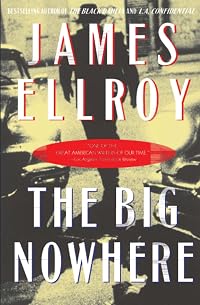
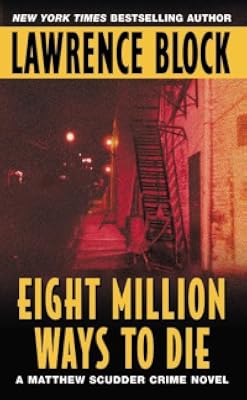

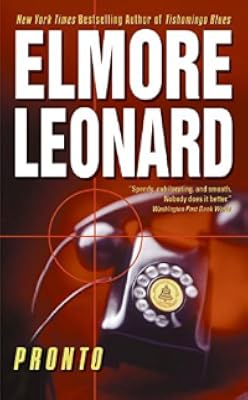

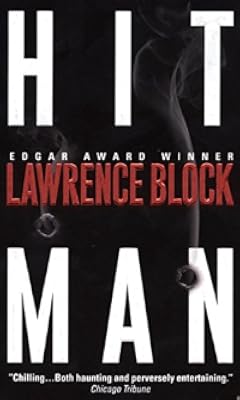






Member Recommendations
by pa5t0rd
Member Reviews
A few years ago, I read Elmore Leonard's Get Shorty and really enjoyed it, but when I finally got around to reading more of his stuff, I made the mistake of starting with Maximum Bob, which I thought had potential but was ultimately disappointing and kind of unpleasant. So I was a bit worried that I'd already read the one book of his I'd actually like. But I definitely wanted to give him another chance, and I'm now pleased to report that even if it wasn't quite as good as Get Shorty, I liked this one much better than ol' Bob.
The story features a hit man who runs into a crazy, violent bank robber and gets drawn into an ill-thought-out protection scheme he's running. Things don't go as planned, and the rest of the novel sees them trying show more to eliminate the witnesses. Much of it is from the POV of said witnesses, a married couple who temporarily relocate in an attempt to avoid the bad guys and end up in the "care" of a cop who isn't much better. It sort of ends up feeling like domestic litfic wrapped up in the skin of a crime thriller, as much of it involves the wife of the couple dealing with a demanding mother, a husband who means well but has trouble thinking about things other than work and deer hunting, and the unwelcome attentions of various creepy men. The two things fit together kind of oddly, and it feels like the result shouldn't be a satisfying example of either genre, but somehow it works rather better than you'd expect. show less
The story features a hit man who runs into a crazy, violent bank robber and gets drawn into an ill-thought-out protection scheme he's running. Things don't go as planned, and the rest of the novel sees them trying show more to eliminate the witnesses. Much of it is from the POV of said witnesses, a married couple who temporarily relocate in an attempt to avoid the bad guys and end up in the "care" of a cop who isn't much better. It sort of ends up feeling like domestic litfic wrapped up in the skin of a crime thriller, as much of it involves the wife of the couple dealing with a demanding mother, a husband who means well but has trouble thinking about things other than work and deer hunting, and the unwelcome attentions of various creepy men. The two things fit together kind of oddly, and it feels like the result shouldn't be a satisfying example of either genre, but somehow it works rather better than you'd expect. show less
Elmore Leonard is the type of crime writer you want to have a beer with. It’s a shame he passed on, as I would have loved to share a pint with him.
One thing is certain about reading an Elmore Leonard novel is that you get to know his characters. I don’t mean the usual sense of knowing when you pick up a fact or two right from the start. I mean, you know them. They feel like someone you have already met. From their first introduction, you can picture their faces and mannerisms, know how they talk, how they move, and how they act. This man, the writer, had a gift. If he were still alive, and we were in a gritty bar, I would have asked him how he did it.
He would have probably returned only an enigmatic smile.
But I bet it was like show more this.
He figured out his plots by letting his characters talk.
Don’t get me wrong here; his books aren’t about plot. He wasn’t great at those. His stories usually seemed only loosely stitched together. It was letting his characters speak their truth that informed the writer what was going to happen next. Maybe Elmore Leonard might have set up a situation like this: Carmen Colson and her husband, Wayne, with a real estate agent about to buy a home. That’s it.
Imagine the writer sits at his desk. He pulls out his notebook from a drawer (Elmore Leonard was old school) and takes out a pen. Carmen says to Wayne, “Hon, I was born in a house newer than that one.” And Elmore Leonard, the writer, races to catch up to Wayne’s response, as fast as the writer’s pen could scratch ink on paper. That’s why his dialogue is exquisite. Each word and mannerism is true to the character he imagined.
I can picture Elmore Leonard not talking much. I imagine him more of a listener. Someone who might blend into the background of a party to listen to the nuances of speech, the gestures, the tics, and the silences of the people around him.
Killshot is not like one of his forty-seven other books. In most of his writing, the criminals are bad to the bone, and inevitably, push the one cool, confident man or woman that will not back down too far. While Killshot retains Elmore Leonard’s brilliant, gritty characterizations, this novel has something more to it. It’s one of his few works that have a more literary quality. It reads differently than the others. The plot seems more well thought out, the descriptions fuller and more lyrical than his usual works. In this one, Elmore Leonard breaks his own rules. The Blackbird (Armand Degas) is one of Elmore Leonard’s most fleshed-out criminals. I empathized with Armand right from the get-go based on the racism he had faced — except when he wasn’t killing people. Maybe that’s why it’s different this time. Elmore Leonard cared to explain why one of his toughest criminals turned bad. A calm, coolness pervades most of Elmore Leonard’s villains and heroes alike, but this time, he went deeper.
Another reason why Killshot is not quite like Elmore Leonard’s other crime novels is that it has more substance and less cool. If you love Get Shorty, you might not quite like this one. But Elmore Leonard takes you down a road where two hardened criminals, starting on a murderous crime spree, meet head-on a salt of the earth ironworker, Wayne, and his sweetheart real estate agent wife, Carmen. Neither side wants to make this a war, but it becomes one. At first, Wayne and Carmen do all the right things an almost victim is supposed to do. But it’s not until the couple stops playing the victim when it becomes an Elmore Leonard crime novel again. Even the Blackbird seemed to have sensed it.
Check it out. show less
One thing is certain about reading an Elmore Leonard novel is that you get to know his characters. I don’t mean the usual sense of knowing when you pick up a fact or two right from the start. I mean, you know them. They feel like someone you have already met. From their first introduction, you can picture their faces and mannerisms, know how they talk, how they move, and how they act. This man, the writer, had a gift. If he were still alive, and we were in a gritty bar, I would have asked him how he did it.
He would have probably returned only an enigmatic smile.
But I bet it was like show more this.
He figured out his plots by letting his characters talk.
Don’t get me wrong here; his books aren’t about plot. He wasn’t great at those. His stories usually seemed only loosely stitched together. It was letting his characters speak their truth that informed the writer what was going to happen next. Maybe Elmore Leonard might have set up a situation like this: Carmen Colson and her husband, Wayne, with a real estate agent about to buy a home. That’s it.
Imagine the writer sits at his desk. He pulls out his notebook from a drawer (Elmore Leonard was old school) and takes out a pen. Carmen says to Wayne, “Hon, I was born in a house newer than that one.” And Elmore Leonard, the writer, races to catch up to Wayne’s response, as fast as the writer’s pen could scratch ink on paper. That’s why his dialogue is exquisite. Each word and mannerism is true to the character he imagined.
I can picture Elmore Leonard not talking much. I imagine him more of a listener. Someone who might blend into the background of a party to listen to the nuances of speech, the gestures, the tics, and the silences of the people around him.
Killshot is not like one of his forty-seven other books. In most of his writing, the criminals are bad to the bone, and inevitably, push the one cool, confident man or woman that will not back down too far. While Killshot retains Elmore Leonard’s brilliant, gritty characterizations, this novel has something more to it. It’s one of his few works that have a more literary quality. It reads differently than the others. The plot seems more well thought out, the descriptions fuller and more lyrical than his usual works. In this one, Elmore Leonard breaks his own rules. The Blackbird (Armand Degas) is one of Elmore Leonard’s most fleshed-out criminals. I empathized with Armand right from the get-go based on the racism he had faced — except when he wasn’t killing people. Maybe that’s why it’s different this time. Elmore Leonard cared to explain why one of his toughest criminals turned bad. A calm, coolness pervades most of Elmore Leonard’s villains and heroes alike, but this time, he went deeper.
Another reason why Killshot is not quite like Elmore Leonard’s other crime novels is that it has more substance and less cool. If you love Get Shorty, you might not quite like this one. But Elmore Leonard takes you down a road where two hardened criminals, starting on a murderous crime spree, meet head-on a salt of the earth ironworker, Wayne, and his sweetheart real estate agent wife, Carmen. Neither side wants to make this a war, but it becomes one. At first, Wayne and Carmen do all the right things an almost victim is supposed to do. But it’s not until the couple stops playing the victim when it becomes an Elmore Leonard crime novel again. Even the Blackbird seemed to have sensed it.
Check it out. show less
Last time I was ill I spent two days flat on my back without the strength to do much more than hold a book. Which author did I /know/ would come through for me – make the symptoms fade, even put a grin on my face? Elmore Leonard. The only reason I haven’t picked a book of his to recommend here until now is I was having trouble choosing a perfect one to start with. Now I’ve found it.
Killshot is about two killers and what happens when an unlucky coincidence puts a sweet married couple on their hitlist. Leonard’s famous for his dialogue and characterisation; Killshot‘s a beacon for both. But unlike some of his other books – and this was my difficulty picking one: to me Leonard on a tangent still leaves most other authors show more looking like they’re going backwards, but your mileage may vary – Killshot has one of the tightest, smartest, most satisfying /plots/ of his entire and near-inhumanly awesome output.
Elmore Leonard’s writing has been a standby source of delight and solace for most of my adult life. If you haven’t yet discovered it for yourself, try Killshot. It’s better than medicine. show less
Killshot is about two killers and what happens when an unlucky coincidence puts a sweet married couple on their hitlist. Leonard’s famous for his dialogue and characterisation; Killshot‘s a beacon for both. But unlike some of his other books – and this was my difficulty picking one: to me Leonard on a tangent still leaves most other authors show more looking like they’re going backwards, but your mileage may vary – Killshot has one of the tightest, smartest, most satisfying /plots/ of his entire and near-inhumanly awesome output.
Elmore Leonard’s writing has been a standby source of delight and solace for most of my adult life. If you haven’t yet discovered it for yourself, try Killshot. It’s better than medicine. show less
The first Leonard novel I've read. He is yet another author I had meant to get around to but who never made it to the top of the pile. Upon his death, and seeing various 'best of Leonard' lists, I picked this one up.
Unsurprisingly, it's quite good. I've known of his rules for writers and he certainly practiced what he preached. There's nothing superfluous here. He paints a vivid picture of his characters without making you conscious that he's painting that picture.
Armand Degas, a French-Canadian-Indian hitman, is almost, but not quite, a sympathetic character. Richie Nix is a two-bit sociopath, and yet Leonard is so subtle that you don't realize how awful he truly is until well into the novel.
I found the resolution surprising. The story show more feels like it's going one way, and then takes a few twists. It's good to not see everything coming.
Highly recommended. show less
Unsurprisingly, it's quite good. I've known of his rules for writers and he certainly practiced what he preached. There's nothing superfluous here. He paints a vivid picture of his characters without making you conscious that he's painting that picture.
Armand Degas, a French-Canadian-Indian hitman, is almost, but not quite, a sympathetic character. Richie Nix is a two-bit sociopath, and yet Leonard is so subtle that you don't realize how awful he truly is until well into the novel.
I found the resolution surprising. The story show more feels like it's going one way, and then takes a few twists. It's good to not see everything coming.
Highly recommended. show less
An excellent thriller. Well written with surprisingly deep characters for this type of book. Leonard's style is quite evocative, making the reader really experience the characters' anger and fear.
This is a fast - paced suspenseful tale with well - drawn characters and plenty of action. Some writers construct elaborate plots dependent on bizarre coincidences and elaborate, Macchiavellian planning by diabolical villains. In contrast, in Killshot the story line is "real" in the sense that the characters are human beings driven by impulse and (sometimes) plain stupidity, and who often haven't a clue what's going on. What's more, events routinely happen as unpredictable products of chance. This leaves the reader guessing as to who will live or die, and whether and how the protagonists will survive the perplexing circumstances into which they've been thrust. This isn't great literature, but it's a cut or two above most show more representatives of the genre. It's also my first book by Elmore L, but not my last. show less
Needed this book to restore some of the faith I had in Mr. Leonard after reading the slightly disappointing The Big Bounce earlier in the year. Did it succeed?
This is the story of a bungled heist (seems a recurring theme for the author) and the consequences for those involved. Armand Degas, professional hitman and half Ojibway Indian, meets Richie Nix, small-time crook with delusions of granduer, when the latter tries to steal his car and takes him along for the ride. Richie has an idea to extort some money from a realtor and Armand thinks it might work so agrees to a partnership. Unfortunately, things don't go to plan and they end up fleeing the scene with nothing except some bruises and dented pride. There's also witnesses and that's show more one thing Armand can't abide so decides they need to clean up after themselves. That means getting rid of the Colsons.
The story is told from the view of both parties alternating regularly between the two. We get to see the interplay between a happily married couple whose relationship is severly tested by these events and also that between the two bad guys involved. Great main characters keep you wanting to find out how this turns out though the supporting cast are quite stereotypical. Not quite up there with Out of Sight or Rum Punch but certainly worth the read. show less
This is the story of a bungled heist (seems a recurring theme for the author) and the consequences for those involved. Armand Degas, professional hitman and half Ojibway Indian, meets Richie Nix, small-time crook with delusions of granduer, when the latter tries to steal his car and takes him along for the ride. Richie has an idea to extort some money from a realtor and Armand thinks it might work so agrees to a partnership. Unfortunately, things don't go to plan and they end up fleeing the scene with nothing except some bruises and dented pride. There's also witnesses and that's show more one thing Armand can't abide so decides they need to clean up after themselves. That means getting rid of the Colsons.
The story is told from the view of both parties alternating regularly between the two. We get to see the interplay between a happily married couple whose relationship is severly tested by these events and also that between the two bad guys involved. Great main characters keep you wanting to find out how this turns out though the supporting cast are quite stereotypical. Not quite up there with Out of Sight or Rum Punch but certainly worth the read. show less
Members
- Recently Added By
Lists

Books Read in 2013
1,630 works; 51 members
Author Information

181+ Works 40,940 Members
Elmore John Leonard, Jr. 10/11/25 -- 8/20/13 Elmore John Leonard, Jr., popularly known as mystery and western writer Elmore Leonard, was born in New Orleans, Louisiana on October 11, 1925. He served in the United States Naval Reserve from 1943 to 1946. He received a Ph.D. in English from the University of Detroit in 1950. After graduating, he show more wrote short stories and western novels as well as advertising and education film scripts. In 1967, he began to write full-time and received several awards including the 1977 Western Writers of America award and the 1984 Writers of America Edgar Allan Poe award. His other works include Get Shorty, Out of Sight, Hombre, Mr. Majestyk, 3:10 to Yuma, and Rum Punch. Many of his works were adapted into movies. Library of America recently announced plans to publish the first of a three-volume collection of his books beginning in the Fall of 2014. Leonard died on August 20, 2013 from complications of a stroke he had earlier. He was 87 years old. (Bowker Author Biography) show less
Awards and Honors
Distinctions
Notable Lists
Series
Belongs to Publisher Series
Stile libero [Einaudi] (Noir)
Work Relationships
Is contained in
Has the adaptation
Common Knowledge
- Canonical title*
- Killshot
- Original title
- Killshot
- Original publication date
- 1989
- People/Characters
- Wayne Colson; Carmen Colson
- Important places
- Michigan, USA; Missouri, USA; Algonac, Michigan, USA; Cape Girardeau, Missouri, USA
- Related movies
- Killshot (2008 | IMDb)
- Dedication
- FOR GREGG SUTTER
- First words
- The Blackbird told himself he was drinking too much because he lived in this hotel and the Silver Dollar was close by, right downstairs.
- Last words
- (Click to show. Warning: May contain spoilers.)Gave her shoulders a squeeze and said, "Hey, it's something we could do together."
*Some information comes from Common Knowledge in other languages. Click "Edit" for more information.
Classifications
Statistics
- Members
- 1,363
- Popularity
- 17,590
- Reviews
- 23
- Rating
- (3.56)
- Languages
- 11 — Danish, Dutch, English, Finnish, French, German, Italian, Norwegian (Bokmål), Portuguese, Spanish, Swedish
- Media
- Paper, Audiobook, Ebook
- ISBNs
- 56
- ASINs
- 22