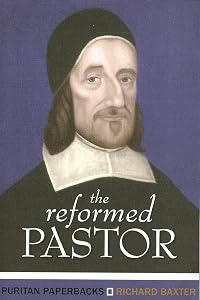
The Reformed Pastor
by Richard Baxter
On This Page
Description
An Updated and Abridged Edition of Richard Baxter's Classic Text Originally written in 1656 and endorsed by generations of leading pastors as an essential book on the work of ministry, this abridged version of The Reformed Pastor presents the best of Richard Baxter's timeless advice in simple, modern language that's more accessible to a new generation of church leaders. In inspiring communications to his fellow ministers, Baxter challenged them to pursue teaching and personal pastoral show more ministry with an exceptional degree of faithfulness. His words were grounded in the apostle Paul's encouragement to the leaders in Ephesus to "take heed unto yourselves and all the flock." Baxter's advice remains relevant today as Christian leaders face both new and age-old challenges in ministry. With this updated, abridged version of The Reformed Pastor, editor Tim Cooper retains Baxter's passionate message in a modern, simplified style that speaks clearly to today's Christian leaders. show lessTags
Recommendations


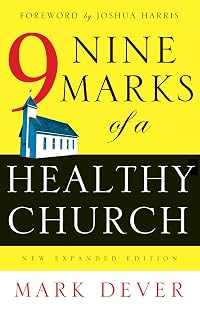
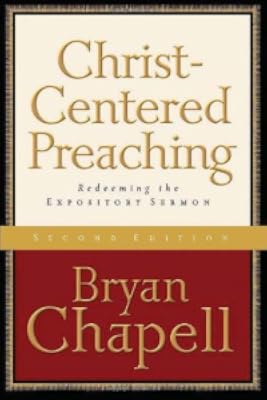
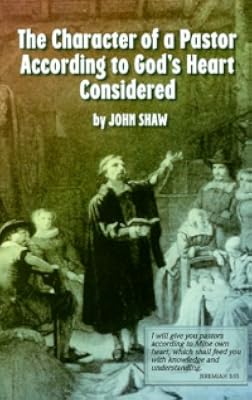
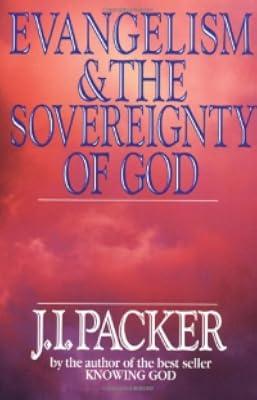



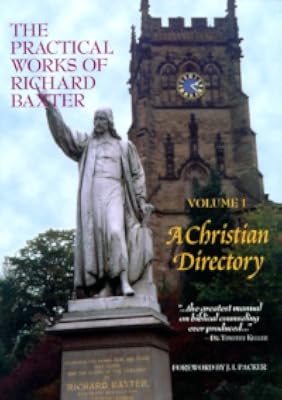


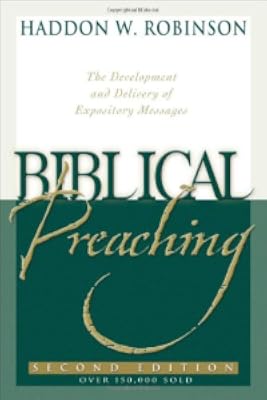

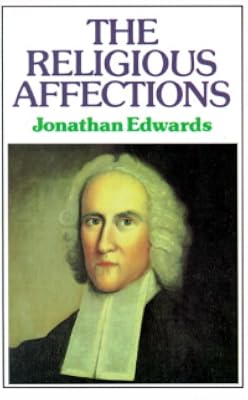
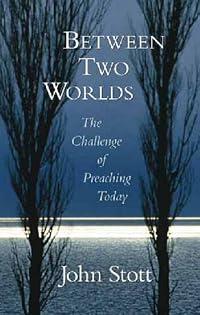
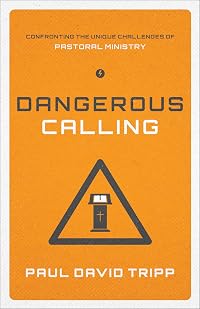

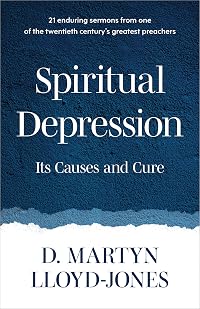
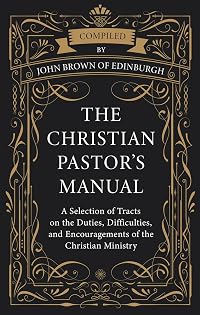
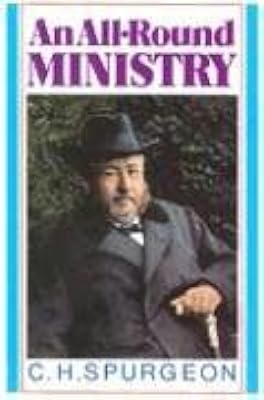

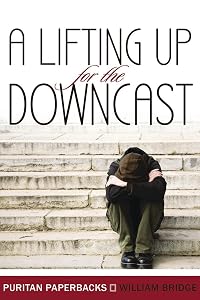
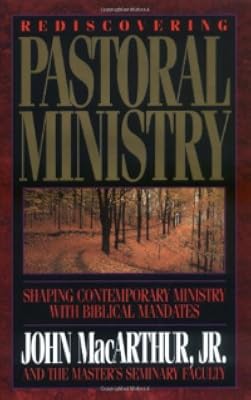
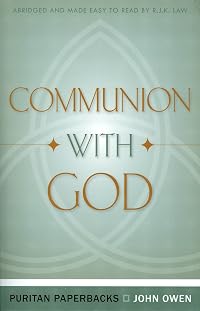
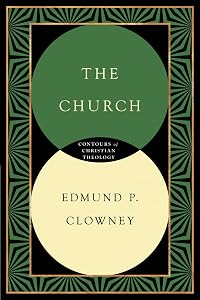
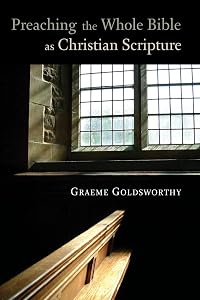
Member Recommendations
The Faithful Preacher: Recapturing the Vision of Three Pioneering African-American Pastors by Thabiti M. Anyabwile
morryb Both give feet to the calling of a Pastor
20
Member Reviews
Summary: On pastoral care, beginning with care of oneself, and then of the people, emphasizing catechesis through visitation.
In the mid-1600’s, Richard Baxter was vicar of a church in Kidderminster, England. He took a town that was pretty rough around the edges and taught them to follow Christ as a godly people. Surrounding ministers in Worcestershire asked him to give a series of talks about his ministry in 1656. This book was the result of those messages and served as a handbook for generations of pastors who want to be diligent shepherds of their people.
The outline of the book reveals why this has been such a helpful guide. Firstly, Baxter stresses the importance of oversight of oneself before oversight of others. He is concerned show more that pastors have truly been converted and know the grace of God in their lives. Furthermore, he urges them to persevere in those exercises that keep grace “lively.” He would have them practice what they proclaim, and avoid the sins against which they preach. He argues for the importance of this oversight recognizing both the importance of working out one’s own salvation. Likewise, there are the vulnerabilities of our own fallen nature as well as the greater temptations of public ministry.
Secondly, he teaches on the nature and manner of the pastor’s oversight. He extends this to all the flock. It seems he has a parish or locality in mind. He includes seeking the conversion of those who do not believe, including those under conviction of sin. Then he addresses building up those who believe, including families and especially the sick. Oversight also means reproving those engaged in some form of sin, and leading the church in discipline of those who refuse to turn from sin. Throughout, his focus must be on the salvation of his people, and those things most necessary for them to enjoy all the riches of that salvation. He commends a series of attributes that set a high bar for all pastors: simplicity, humility, seriousness, love, patience, reverence, spirituality, and a deep sense of one’s insufficiency for this work and dependence on Christ.
Thirdly, he turns to how pastors may neglect their ministry. He speaks of laziness in preparation and study, indifference to the needy, and being caught up in material things. He also condemns neglect of the unity and peace of the church. Previously, he has encouraged unity with other ministers. Pastors are not to be fractious!
Finally, the latter half of the book turns to a major focus, the catechesis of people through visitation in homes. As important as he considers preaching, he argues that much of the work of seeing Christ formed in people occurs through this personal work. He personally set aside two days for this work weekly. Baxter begins by listing seventeen benefits of this work from conversion of the lost to better knowing the spiritual state of one’s people to revealing the true nature of the ministerial office.
He takes time to address objections and difficulties. One is that there are too few ministers to do this well in many situations. However, he does not see lay leadership as an answer for this apart from heads of families with their own families. Then he offers a detailed set of directions on both the content of their catechism and the “flow” of a pastoral visit.
While our language may differ at points from his and our culture may differ from the parish culture of Kidderminster, I think there is much any pastor or person involved in ministry. First is the importance of attending to one’s own spiritual life and the qualities of godly ministers. Second is the importance of evangelism. Have people experienced a genuine work of grace or are they just socialized Christians? Thirdly, Baxter raises the vital importance of catechesis, and the reality that pulpit ministry alone will not accomplish this. It may not be through extensive visitation, but some other structure. Today, the lack of Christian formation is evident in aberrant beliefs from Christian nationalism to syncretic/eclectic faiths. Fourthly, there is the issue of knowing one’s people. Wendell Berry has suggested that farmers shouldn’t farm more land than what they can steward well. Perhaps the same might be true in churches.
Many have commended the re-reading of Baxter periodically and I think this worthwhile. But I’d also commend those like Eugene Peterson who have also thought deeply about the integrity of pastoral ministry, something deeply needed in our time. Given so many scandals, regular self-examination, mutual care with other pastors, and hopefully, the humbling sense of our insufficiency apart from Christ, are all things to be commended. show less
In the mid-1600’s, Richard Baxter was vicar of a church in Kidderminster, England. He took a town that was pretty rough around the edges and taught them to follow Christ as a godly people. Surrounding ministers in Worcestershire asked him to give a series of talks about his ministry in 1656. This book was the result of those messages and served as a handbook for generations of pastors who want to be diligent shepherds of their people.
The outline of the book reveals why this has been such a helpful guide. Firstly, Baxter stresses the importance of oversight of oneself before oversight of others. He is concerned show more that pastors have truly been converted and know the grace of God in their lives. Furthermore, he urges them to persevere in those exercises that keep grace “lively.” He would have them practice what they proclaim, and avoid the sins against which they preach. He argues for the importance of this oversight recognizing both the importance of working out one’s own salvation. Likewise, there are the vulnerabilities of our own fallen nature as well as the greater temptations of public ministry.
Secondly, he teaches on the nature and manner of the pastor’s oversight. He extends this to all the flock. It seems he has a parish or locality in mind. He includes seeking the conversion of those who do not believe, including those under conviction of sin. Then he addresses building up those who believe, including families and especially the sick. Oversight also means reproving those engaged in some form of sin, and leading the church in discipline of those who refuse to turn from sin. Throughout, his focus must be on the salvation of his people, and those things most necessary for them to enjoy all the riches of that salvation. He commends a series of attributes that set a high bar for all pastors: simplicity, humility, seriousness, love, patience, reverence, spirituality, and a deep sense of one’s insufficiency for this work and dependence on Christ.
Thirdly, he turns to how pastors may neglect their ministry. He speaks of laziness in preparation and study, indifference to the needy, and being caught up in material things. He also condemns neglect of the unity and peace of the church. Previously, he has encouraged unity with other ministers. Pastors are not to be fractious!
Finally, the latter half of the book turns to a major focus, the catechesis of people through visitation in homes. As important as he considers preaching, he argues that much of the work of seeing Christ formed in people occurs through this personal work. He personally set aside two days for this work weekly. Baxter begins by listing seventeen benefits of this work from conversion of the lost to better knowing the spiritual state of one’s people to revealing the true nature of the ministerial office.
He takes time to address objections and difficulties. One is that there are too few ministers to do this well in many situations. However, he does not see lay leadership as an answer for this apart from heads of families with their own families. Then he offers a detailed set of directions on both the content of their catechism and the “flow” of a pastoral visit.
While our language may differ at points from his and our culture may differ from the parish culture of Kidderminster, I think there is much any pastor or person involved in ministry. First is the importance of attending to one’s own spiritual life and the qualities of godly ministers. Second is the importance of evangelism. Have people experienced a genuine work of grace or are they just socialized Christians? Thirdly, Baxter raises the vital importance of catechesis, and the reality that pulpit ministry alone will not accomplish this. It may not be through extensive visitation, but some other structure. Today, the lack of Christian formation is evident in aberrant beliefs from Christian nationalism to syncretic/eclectic faiths. Fourthly, there is the issue of knowing one’s people. Wendell Berry has suggested that farmers shouldn’t farm more land than what they can steward well. Perhaps the same might be true in churches.
Many have commended the re-reading of Baxter periodically and I think this worthwhile. But I’d also commend those like Eugene Peterson who have also thought deeply about the integrity of pastoral ministry, something deeply needed in our time. Given so many scandals, regular self-examination, mutual care with other pastors, and hopefully, the humbling sense of our insufficiency apart from Christ, are all things to be commended. show less
The book was actually a delightful surprise while reading. What I mean is I thought it was going to be about reformed theology but it was not nor was it even about theology in any aspect. It was about reforming pastors for the ministry. It is not for those looking for a feel-good or 8 step to book to success and happiness. This book is about being a pastor and having a level of excellence in ministry. The material is very raw, blunt, and straight to the point to get at the heart of a shepherd.
I read this book because so many people have spoken of it as a classic. I heard Voddie Baucham one time quote from the book several times when speaking to pastors. On the same chord I once was listening to John MacArthur speak to pastors at show more conference and he cited and quoted the book a number of times during his message. Hearing this I like I have to get this book and read it. Now I know why. His single-minded devotion to God and his tender, shepherd’s heart for his flock have inspired pastors for over 300 years.
It is an extended lecture he proposed to give to a local ministerial association in 1656. The book uses as its foundation and framework Acts 20:28: “Therefore take heed to yourselves and to all the flock, among which the Holy Spirit has made you overseers, to shepherd the church of God which He purchased with His own blood.” The book first deals with pastors “taking heed” to their own spiritual state and life, and then turns its attention to taking heed to all the flock. As to the topic of taking heed to their own spiritual lives, Baxter starts at the beginning, with making sure the reader is truly a Christian, and progresses through disciplines, qualifications, and indwelling sin. He next emphasizes the reasons why a pastor must be rigorous in his own spiritual life. He expounds reasons such as how many eyes are on the man of God, how difficult the work is, and how the honor of Christ depends on it. He reminds his reader of many practical insights, such as “all that a minister does is a kind of preaching” and to avoid the error of men who “study hard to preach exactly, and study little or not at all to live exactly.”
After dealing with the pastor’s personal life, he tackles the pastor’s responsibility to shepherd his congregation. His most radical recommendation, radical back then and almost unthinkable to American churches today, is for a pastor to personally visit and catechize people (for those unfamiliar with the term, it means to teach a list of several hundred questions and answers of basic theology). Specifically, he says a pastor should catechize each and every family, in the pastor’s entire town, each and every year. In Baxter’s town that meant 2000 people in 800 families, that he and his associate pastor took two full days every week to go through the whole town every year.
He bluntly states, “If the pastoral office consists of overseeing all the flock, then surely the number of souls under the care of each pastor must not be greater than he is able to take such heed as to here is required.” Yea, and I’m sure the pastoral staff of most churches personally know every member of their flock. And yes, I know that we consider Sunday School teachers or small group leaders to be “overseeing the flock”- but how many of those leaders in our churches see themselves as shepherds, have been theologically trained and commissioned as overseers, one-on-one ask them regularly about their spiritual life, and are seen by the members of their class or group as having spiritual responsibility over them?
After reading The Reformed Pastor, I must state that - this is absolutely essential reading for any man called to the ministry, to pin him against the wall and make him take stock of his ministry, his priorities, and his life before God, and to make him deeply consider about how best to “take heed over” himself and all his flock.
After reading this book the reader will see Baxter’s time was not too unlike our own. Despite there being a large theological agreement that there must be discipline within the Church, very few leaders in the church are willing to carry it out. Baxter reminds us, and convincingly so, that we must do so for not only the good of the soul of the individual, but for the rest of the Church, and even ourselves. Most of the book rotates around the subject of discipline in the pastoral ministry. It also contains many other details concerning the ministry that would be good for any aspiring, or current pastor to read.
Besides the “pastoral epistles” of Paul (1st & 2nd Timothy, and Titus) I know of no other piece of work that will prepare you and teach you the way that those who lead the church ought to be. I would recommend it to anyone who has a heart for the Lords work, not just pastors.
It can be a very painful book in many areas because it will cause you to look at yourself and wonder if you are really walking the life that The Lord wants from those who lead his people. Its very difficult to find the words to describe how incredible this book is. Physically, this book weighs about as much as any other paper back. Spiritually, you wont be able to lift it off the ground, much less turn a page. A great work written by a great Puritan Pastor. show less
I read this book because so many people have spoken of it as a classic. I heard Voddie Baucham one time quote from the book several times when speaking to pastors. On the same chord I once was listening to John MacArthur speak to pastors at show more conference and he cited and quoted the book a number of times during his message. Hearing this I like I have to get this book and read it. Now I know why. His single-minded devotion to God and his tender, shepherd’s heart for his flock have inspired pastors for over 300 years.
It is an extended lecture he proposed to give to a local ministerial association in 1656. The book uses as its foundation and framework Acts 20:28: “Therefore take heed to yourselves and to all the flock, among which the Holy Spirit has made you overseers, to shepherd the church of God which He purchased with His own blood.” The book first deals with pastors “taking heed” to their own spiritual state and life, and then turns its attention to taking heed to all the flock. As to the topic of taking heed to their own spiritual lives, Baxter starts at the beginning, with making sure the reader is truly a Christian, and progresses through disciplines, qualifications, and indwelling sin. He next emphasizes the reasons why a pastor must be rigorous in his own spiritual life. He expounds reasons such as how many eyes are on the man of God, how difficult the work is, and how the honor of Christ depends on it. He reminds his reader of many practical insights, such as “all that a minister does is a kind of preaching” and to avoid the error of men who “study hard to preach exactly, and study little or not at all to live exactly.”
After dealing with the pastor’s personal life, he tackles the pastor’s responsibility to shepherd his congregation. His most radical recommendation, radical back then and almost unthinkable to American churches today, is for a pastor to personally visit and catechize people (for those unfamiliar with the term, it means to teach a list of several hundred questions and answers of basic theology). Specifically, he says a pastor should catechize each and every family, in the pastor’s entire town, each and every year. In Baxter’s town that meant 2000 people in 800 families, that he and his associate pastor took two full days every week to go through the whole town every year.
He bluntly states, “If the pastoral office consists of overseeing all the flock, then surely the number of souls under the care of each pastor must not be greater than he is able to take such heed as to here is required.” Yea, and I’m sure the pastoral staff of most churches personally know every member of their flock. And yes, I know that we consider Sunday School teachers or small group leaders to be “overseeing the flock”- but how many of those leaders in our churches see themselves as shepherds, have been theologically trained and commissioned as overseers, one-on-one ask them regularly about their spiritual life, and are seen by the members of their class or group as having spiritual responsibility over them?
After reading The Reformed Pastor, I must state that - this is absolutely essential reading for any man called to the ministry, to pin him against the wall and make him take stock of his ministry, his priorities, and his life before God, and to make him deeply consider about how best to “take heed over” himself and all his flock.
After reading this book the reader will see Baxter’s time was not too unlike our own. Despite there being a large theological agreement that there must be discipline within the Church, very few leaders in the church are willing to carry it out. Baxter reminds us, and convincingly so, that we must do so for not only the good of the soul of the individual, but for the rest of the Church, and even ourselves. Most of the book rotates around the subject of discipline in the pastoral ministry. It also contains many other details concerning the ministry that would be good for any aspiring, or current pastor to read.
Besides the “pastoral epistles” of Paul (1st & 2nd Timothy, and Titus) I know of no other piece of work that will prepare you and teach you the way that those who lead the church ought to be. I would recommend it to anyone who has a heart for the Lords work, not just pastors.
It can be a very painful book in many areas because it will cause you to look at yourself and wonder if you are really walking the life that The Lord wants from those who lead his people. Its very difficult to find the words to describe how incredible this book is. Physically, this book weighs about as much as any other paper back. Spiritually, you wont be able to lift it off the ground, much less turn a page. A great work written by a great Puritan Pastor. show less
The Reformed Pastor by Richard Baxter is an extremely slow read. Being that it was written such a long time ago, the language has that sense of dry archaism. While I found it a chore to read, I understand its importance, but more for people who are wanting to be, or are, pastors.
Baxter makes many good points about the purpose of a pastor, addressing his contemporaries who, it seems, were abusing their positions of authority. It was a different world back then, with some pastors profiteering in the name of God. I’m sure there’s no such pastor alive today who would DARE do such a thing.
But if there were, I’d highly recommend they read this book, and learn what it means to be a pastor, and not just an entertainment figure whose show more watered-down gospel tastes more like Chicken Soup than the fruit of the spirit. show less
Baxter makes many good points about the purpose of a pastor, addressing his contemporaries who, it seems, were abusing their positions of authority. It was a different world back then, with some pastors profiteering in the name of God. I’m sure there’s no such pastor alive today who would DARE do such a thing.
But if there were, I’d highly recommend they read this book, and learn what it means to be a pastor, and not just an entertainment figure whose show more watered-down gospel tastes more like Chicken Soup than the fruit of the spirit. show less
Mr. Baxter can be weird. Never the less, this book is a very good read. The good and godly local pastor probably need not read this book - but the "one day a week" spoiled brat style modern elder should read this book and feel the full weight of shame.
As a church leader I was strongly challenged and heartily encouraged by this book. Baxter is absolutely on fire for Jesus and utterly focussed on seeing people know Jesus better. I'm not entirely convinced that his methodology is as clearly scripturally mandated as he is, or that it's appropriate or possible in today's Western culture. Despite that, I was absolutely inspired by his passion and zeal for people and his conviction that our actions and decisions now have eternal consequences.
This book has great things to say about pastoral self care, pastoral vocation and the priority of catachesis. I do think Baxter is a little dour and I would question how some of his methodology would translate, but I am wowed by the sacredness in which he views his vocation and the attentiveness he had towards his flock.
The Reformed Pastor is perhaps one of the most potent and piercing works on the pastoral ministry ever written. Richard Baxter holds nothing back and with every line seeks to rattle the Minister of Christ out of his slumber to a more sober and vigilant attention to the grand task he's been assigned. This little paperback edition is more than economical for the preacher with little money for books. Put it at the top of your list!
Members
- Recently Added By
Lists

Sycamore Baptist Church Book Study Reading List
156 works; 5 members
Author Information

263+ Works 6,587 Members
Richard Baxter (1615-1691) was ordained in 1638 and served in ministry at Kidderminster. A Puritan Nonconformist pastor, he resisted the governance of the Church of England and renounced his ordination. Baxter became notorious for his ecumenical beliefs during a time of great religious conflict, and he was sentenced to prison for his paraphrase of show more the New Testament. He wrote prolifically throughout his life, and although he contributed to Puritan theology, he was unique in rejecting limited atonement and believing that repentance and obedience could affect one's salvation. Though controversial in his time, his written works are today valuable for their theological strengths. show less
Some Editions
Series
Belongs to Publisher Series
Common Knowledge
- Original publication date
- 1656
- First words
- Let us consider, What it is to take heed to ourselves.
I. See that the work of saving grace be thoroughly wrought in your own souls. Take heed to yourselves, lest you be void of that saving grace of God which you offer t... (show all)o others, and be strangers to the effectual working of that gospel which you preach; and lest, while you proclaim to the world the necessity of a Saviour, your own hearts should neglect him, and you should miss of an interest in him and his saving benefits. - Last words
- (Click to show. Warning: May contain spoilers.)And now, brethren, I have done with my advice, and leave you to the practice. Though the proud may receive it with scorn, and the selfish and slothful with distaste, or even indignation, I doubt not but God will use it, in despite of the opposition of sin and Satan, to the awakening of many of his servants to their duty, and the promoting of the work of a right reformation; and that his blessing will accompany the present undertaking, for the saving of many a soul, the peace of you that undertake and perform it, the exciting of his servants to second you, and the increase of the purity and the unity of his churches. Amen
Classifications
Statistics
- Members
- 3,345
- Popularity
- 5,095
- Reviews
- 19
- Rating
- (4.26)
- Languages
- 5 — English, Hungarian, Portuguese, Romanian, Spanish
- Media
- Paper, Audiobook, Ebook
- ISBNs
- 54
- ASINs
- 39