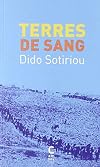
Farewell Anatolia
by Dido Sotiriou
On This Page
Description
"Farewell Anatolia is a tale of paradise lost and of shattered innocence; a tragic fresco of the fall of Hellenism in Asia Minor; a stinging indictment of Great Power politics, oil-lust and corruption." "Dido Soteriou's novel - a perennial best-seller in Greece since it first appeared in 1962 - tells the story of Manolis Axiotis, a poor but resourceful villager born near the ancient ruins of Ephesus. Axiotis is a fictional protagonist and eyewitness to an authentic nightmare: Greece's "Asia show more Minor Catastrophe," the death or expulsion of two million Greeks from Turkey by Kemal Attaturk's revolutionary forces in the late summer of 1922." "Manolis Axiotis' chronicle of personal fortitude, betrayed hope, and defeat resonates with the greater tragedy of two nations: Greece, vanquished and humiliated; Turkey, bloodily victorious. Two neighbours linked by bonds of culture and history yet diminished by mutual greed, cruelty and bloodshed."--BOOK JACKET.Title Summary field provided by Blackwell North America, Inc. All Rights Reserved show lessTags
Recommendations


































Member Reviews
Ever wonder why different ethnic groups can live harmoniously for hundreds of years and then end up killing each other?
Dido Sotiriou tackles this question in Farewell Anatolia. This historical novel chronicles the tragedy of the Greeks of Asia Minor through the story of Manolis Axiotis, a poor farmer from a Greek Village near Ephesus. Before World War I, Greeks and Turks lived harmoniously in Anatolia. However, tensions erupted when the Ottomans sided with Germany and the Central Powers, and the state of Greece aligned with the Allies. Ethnic Greeks of the Ottoman Empire were not allowed to serve in the army. Instead, they faced forced conscription in the Ottoman Labor Battalions, where they worked in labor camps under harsh conditions show more and received little food. Manolis's conscription and escape from Labor Battalion was just the first stage of his hellish journey.
In 1919, the Greco-Turkish War erupted after Manolis returned to his village. Manolis and the other surviving village men now enlisted in the Greek Army and fought to make Greek Anatolia, which the Greeks settled in 800 BC, a part of the Greek state. The war went badly for the Greeks, and in 1922, Manolis fled to Smyrna in search of his family. A few days after his arrival, the Turkish army torched the Greek and Armenian sections of the city and massacred its inhabitants, killing between 10,000 to 25,000 people. Sotiriou vividly describes Manilos's harrowing escape to a Greek island where he became a refugee. By the end of the Greco- War, nearly 1.5 million refugees headed for Greece.
Farewell Anatolia captures the horrors of this period. Sotiriou believes the tragedy is due to more than ethnic tension. Instead, she attributes the growing animosity to the machinations of the Great Powers vying for control of Middle Eastern oil, corrupt politicians, and rising nationalist sentiment.
According to the Greek News Agenda, Sotiriou, a journalist, based the novel on a true story that fictionalized a written account provided by a refugee who worked in Piraeus. In Farewell Anatolia, she paints a harrowing portrait of a tragic period in Greek and Turkish history. Highly recommend. show less
Dido Sotiriou tackles this question in Farewell Anatolia. This historical novel chronicles the tragedy of the Greeks of Asia Minor through the story of Manolis Axiotis, a poor farmer from a Greek Village near Ephesus. Before World War I, Greeks and Turks lived harmoniously in Anatolia. However, tensions erupted when the Ottomans sided with Germany and the Central Powers, and the state of Greece aligned with the Allies. Ethnic Greeks of the Ottoman Empire were not allowed to serve in the army. Instead, they faced forced conscription in the Ottoman Labor Battalions, where they worked in labor camps under harsh conditions show more and received little food. Manolis's conscription and escape from Labor Battalion was just the first stage of his hellish journey.
In 1919, the Greco-Turkish War erupted after Manolis returned to his village. Manolis and the other surviving village men now enlisted in the Greek Army and fought to make Greek Anatolia, which the Greeks settled in 800 BC, a part of the Greek state. The war went badly for the Greeks, and in 1922, Manolis fled to Smyrna in search of his family. A few days after his arrival, the Turkish army torched the Greek and Armenian sections of the city and massacred its inhabitants, killing between 10,000 to 25,000 people. Sotiriou vividly describes Manilos's harrowing escape to a Greek island where he became a refugee. By the end of the Greco- War, nearly 1.5 million refugees headed for Greece.
Farewell Anatolia captures the horrors of this period. Sotiriou believes the tragedy is due to more than ethnic tension. Instead, she attributes the growing animosity to the machinations of the Great Powers vying for control of Middle Eastern oil, corrupt politicians, and rising nationalist sentiment.
According to the Greek News Agenda, Sotiriou, a journalist, based the novel on a true story that fictionalized a written account provided by a refugee who worked in Piraeus. In Farewell Anatolia, she paints a harrowing portrait of a tragic period in Greek and Turkish history. Highly recommend. show less
77-Εντυπωσιακό, κατανοητό, ευκολοδιάβαστο. ΄Εχω διαβάσει αρκετά βιβλία με θέμα τη Μικρασιατική καταστροφή. Θα έλεγα πως είναι στη κατηγορία εκείνων που κρατούν τις ισορροπίες και περιγράφουν έντιμα και τις δυο πλευρές. Το διαβάζεις πολύ γρήγορα . Κάνει μια κοιλιά περίπου στη μέση , αλλά εκτίμησα την απλότητα και την αμεσότητα του .
Ratings
Members
- Recently Added By
Author Information

15 Works 158 Members
Series
Belongs to Publisher Series
Common Knowledge
- Canonical title
- Farewell Anatolia
- Original title
- Ματωμένα χώματα
- Alternate titles*
- D'un jardin d'Anatolie
- Original publication date
- 1962
- People/Characters*
- Manolis Axiotis
- Important places*
- Smyrne, Turquie
- Important events
- World War I (1914 | 1918); Fall of the Ottoman Empire
- Original language*
- Grec
*Some information comes from Common Knowledge in other languages. Click "Edit" for more information.
Classifications
- Genres
- Fiction and Literature, General Fiction, Historical Fiction
- DDC/MDS
- 889.334 — Literature & rhetoric Classical & modern Greek literatures Modern Greek literature Fiction 20th century 1945-1999
- LCC
- PA5630 .O8 .F37 — Language and Literature Greek language and literature. Latin language and literature Byzantine and modern Greek literature Individual authors
Statistics
- Members
- 108
- Popularity
- 298,905
- Reviews
- 3
- Rating
- (3.79)
- Languages
- 9 — Dutch, English, Estonian, French, Greek, Italian, Spanish, Swedish, Turkish
- Media
- Paper, Ebook
- ISBNs
- 13
- ASINs
- 1