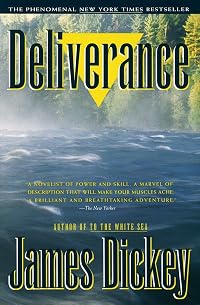
Deliverance
by James Dickey
On This Page
Description
“You're hooked, you feel every cut, grope up every cliff, swallow water with every spill of the canoe, sweat with every draw of the bowstring. Wholly absorbing [and] dramatic.”—Harper's MagazineThe setting is the Georgia wilderness, where the states most remote white-water river awaits. In the thundering froth of that river, in its echoing stone canyons, four men on a canoe trip discover a freedom and exhilaration beyond compare. And then, in a moment of horror, the adventure turns show more into a struggle for survival as one man becomes a human hunter who is offered his own harrowing deliverance.
Praise for Deliverance
“Once read, never forgotten.”—Newport News Daily Press
“A tour de force . . . How a man acts when shot by an arrow, what it feels like to scale a cliff or to capsize, the ironic psychology of fear: these things are conveyed with remarkable descriptive writing.”—The New Republic
“Freshly and intensely alive . . . with questions that haunt modern urban man.”—Southern Review
“A fine and honest book that hits the reader's mind with the sting of a baseball just caught in the hand.”—The Nation
“[James Dickey's] language has descriptive power not often matched in contemporary American writing.”—Time
“A harrowing trip few readers will forget.”—Asheville Citizen-Times
"A novel that will curl your toes . . . Dickey's canoe rides to the limits of dramatic tension."—New York Times Book Review
"A brilliant and breathtaking adventure."—The New Yorker. show less
Tags
Recommendations
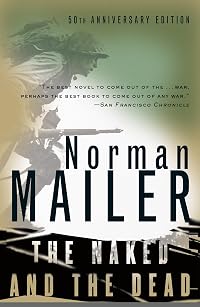
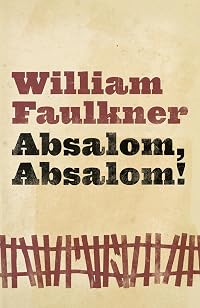
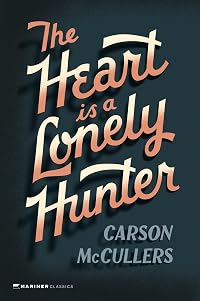
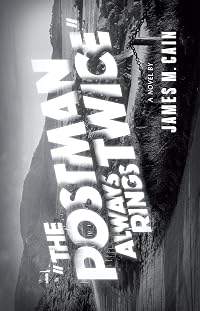
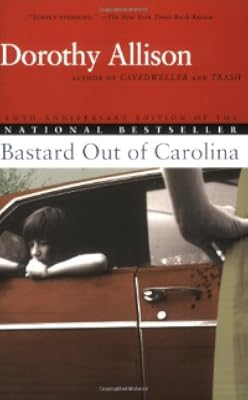
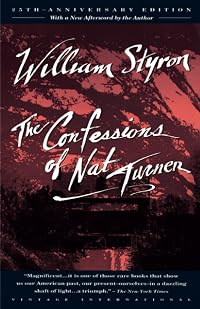
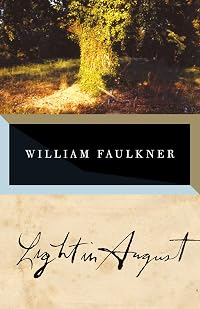
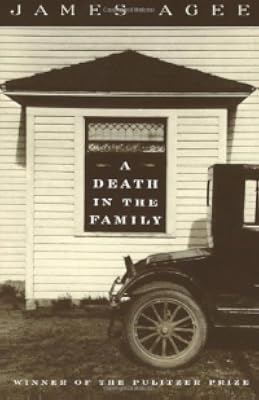
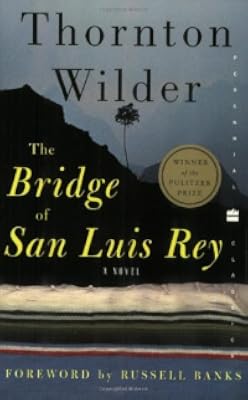
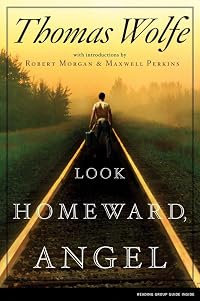
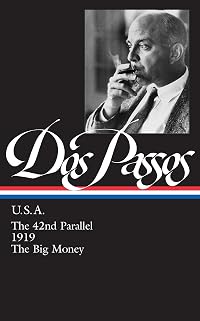
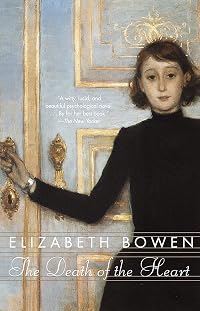


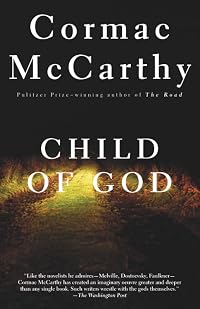

Member Recommendations
sturlington Lost Canyon struck me as an updated version of Deliverance.
Member Reviews
In which four suburban professionals with sagging machismo turn to a wilderness experience to restore their connection to the countryside and the authenticity of its residents. It strikes me as unfortunate that this book is best-known for the movie made from it, and, for that matter, that the movie is best-known for an unlikely hit song. As for the book, it is a full-tilt page-turner, one of the best you'll read, with a certain space left for rumination on the human condition, particularly its male portion.
If you saw the movie ""Deliverance" when it was first released in the mid-1970s, you most likely never forgot it. The movie received national attention for the brutally sensationalized rape scene along with quite a bit of criticism for it’s graphic depiction of the Appalachian hillbillies; scruffy, toothless, uneducated wild men who lived by their own rules… and woe to any outsider who ventured uninvited into their God-forsaken wilderness.
I saw the movie and didn’t have much interest in reliving the horror by reading the book, but since "Deliverance" is rated number 42 on the Modern Library List of greatest novels, I couldn’t resist. Thankfully, the book is much better than the movie. Surely just a gruesome, but more personal show more with psychological and philosophical elements.
The story is told by Ed Gentry - the tale of a week-end canoe trip. Ed’s good friend Lewis Medlock is an avid outdoorsman and somewhat of a dare-devil with a bucket list of adventurous deeds he wants to experience before he dies. Lewis talks three buddies including Ed into riding the rapids of the Cahulawassee River. Never mind that this is the heart of Appalachia… an uncharted wilderness, parts of which are impossible to reach by road and are controlled by wild and lawless hillbillies.
The result: a week-end in Hell filled with drama, adventure, murder and rape. One of the things that makes this book great is Ed - the narrator. You are living this story through Ed’s eyes (as opposed to viewing the movie as an outsider)... from the vivid descriptions of the beautiful virgin scenery to the heart pounding terror of navigating the treacherous rapids.
As the story begins Ed contemplates that Lewis is going to turn this trip into SOMETHING… “A lesson. A moral. A life principle. A way.” And indeed he did. The conversation in the car on the ride out to the country about having the strength and courage to do whatever it takes in life to survive was prophetic. You can talk about it as often as you like, but none of us know our true capabilities until we are in the throes of a lethal conflict. Ed Genrty discovers the answer to that question about himself on that fateful weekend.
Aside from the physical prowess required to survive this action-packed drama, you also experience the psychological effects of putting the struggle to survive above all else. You experience the minute by minute thoughts of a man looking in the eyes of evil, and into the face of death. The events of Deliverance have been contrasted to Dante’s Inferno - descending into the circle of Hell. Along with Ed, you will contemplate the moral dilemma - to kill or be killed- and ponder the unknown consequences regarding eternal salvation. show less
I saw the movie and didn’t have much interest in reliving the horror by reading the book, but since "Deliverance" is rated number 42 on the Modern Library List of greatest novels, I couldn’t resist. Thankfully, the book is much better than the movie. Surely just a gruesome, but more personal show more with psychological and philosophical elements.
The story is told by Ed Gentry - the tale of a week-end canoe trip. Ed’s good friend Lewis Medlock is an avid outdoorsman and somewhat of a dare-devil with a bucket list of adventurous deeds he wants to experience before he dies. Lewis talks three buddies including Ed into riding the rapids of the Cahulawassee River. Never mind that this is the heart of Appalachia… an uncharted wilderness, parts of which are impossible to reach by road and are controlled by wild and lawless hillbillies.
The result: a week-end in Hell filled with drama, adventure, murder and rape. One of the things that makes this book great is Ed - the narrator. You are living this story through Ed’s eyes (as opposed to viewing the movie as an outsider)... from the vivid descriptions of the beautiful virgin scenery to the heart pounding terror of navigating the treacherous rapids.
As the story begins Ed contemplates that Lewis is going to turn this trip into SOMETHING… “A lesson. A moral. A life principle. A way.” And indeed he did. The conversation in the car on the ride out to the country about having the strength and courage to do whatever it takes in life to survive was prophetic. You can talk about it as often as you like, but none of us know our true capabilities until we are in the throes of a lethal conflict. Ed Genrty discovers the answer to that question about himself on that fateful weekend.
Aside from the physical prowess required to survive this action-packed drama, you also experience the psychological effects of putting the struggle to survive above all else. You experience the minute by minute thoughts of a man looking in the eyes of evil, and into the face of death. The events of Deliverance have been contrasted to Dante’s Inferno - descending into the circle of Hell. Along with Ed, you will contemplate the moral dilemma - to kill or be killed- and ponder the unknown consequences regarding eternal salvation. show less
I can only think of three reasons someone reads Deliverance. You're a bibliophile who refuses to watch movies if they're based on books, you hate Burt Reynolds, or you have a fantasy wherein you're raped at gunpoint by country boys. My point is, no one watches the movie and says to themselves, "I've gotta read this book!" If you have never heard of Deliverance, you should sublet your rock to the witness protection program. Even if you haven't seen the movie or read the book you've heard about the scene concerning Bobby's anus and one redneck's probing demeanor. Is this because that's all there is to talk about when it comes to James Dickey's Deliverance? Nope. Is it because we're all demented individuals who like to slow down and ogle show more car accidents? Yep.
Dickey's novel was published in 1970. To those of you that don't math (yes, math is now a verb), that's 43 years ago. Going into this novel, I was concerned that dated references would detract from my enjoyment of the novel, as with early Stephen King books, but that wasn't the case here. Other than "negro" being used instead of "black" or "African American", this book holds up to the test of time.
Now for the writing. You will taste, hear, smell, feel, and see everything in this book. James Dickey is a master wordsmith who can play at both pretentious, syntax-juggling, verbosity, or be direct and to the point. There are only two major events in this book: the rape and the revenge. Yet the book is almost 300 pages long. The audiobook - narrated by the ever brilliant Will Patton - is just over seven hours long. This is because Dickey explains every detail down to the minutia. How does bark feel against the palm of your hand when you're nervous? What does it feel like to fall out of a tree and not realize you're falling out of a tree. What does a man look like when he's tracking you if you don't know he's tracking you? Scenes other writers would spend a paragraph on, Dickey spends entire pages describing. If you're not one for heavy-handed detail, run screaming from this book. With that being said, if you're a beginning author and are having trouble with showing instead of telling, this is the book to read. Dickey manages to make all his descriptions part of the action, scene building while moving the plot forward. Image someone staring you in the eyes while secreting a coin behind your ear. Then, when you least expect it, he pulls the coin out and, for the briefest second, you wonder just how in the hell it got there. This is what Dickey's writing is like. A sleight of hand so subtle, you won't believe two things are happening at once. He's entertaining you with scenery so that, when the action begins, you see everything, down to the striations in the bark on the log where the chubby man has been made to bend over...
So, you might be asking yourself which one I am? Why did I read this book? Am I the bibliophile, the one with the rape fantasy, or the one who loathes that steaming pile of mustachioed narcissism with the vapor-locked face? I'll let you decide. show less
Dickey's novel was published in 1970. To those of you that don't math (yes, math is now a verb), that's 43 years ago. Going into this novel, I was concerned that dated references would detract from my enjoyment of the novel, as with early Stephen King books, but that wasn't the case here. Other than "negro" being used instead of "black" or "African American", this book holds up to the test of time.
Now for the writing. You will taste, hear, smell, feel, and see everything in this book. James Dickey is a master wordsmith who can play at both pretentious, syntax-juggling, verbosity, or be direct and to the point. There are only two major events in this book: the rape and the revenge. Yet the book is almost 300 pages long. The audiobook - narrated by the ever brilliant Will Patton - is just over seven hours long. This is because Dickey explains every detail down to the minutia. How does bark feel against the palm of your hand when you're nervous? What does it feel like to fall out of a tree and not realize you're falling out of a tree. What does a man look like when he's tracking you if you don't know he's tracking you? Scenes other writers would spend a paragraph on, Dickey spends entire pages describing. If you're not one for heavy-handed detail, run screaming from this book. With that being said, if you're a beginning author and are having trouble with showing instead of telling, this is the book to read. Dickey manages to make all his descriptions part of the action, scene building while moving the plot forward. Image someone staring you in the eyes while secreting a coin behind your ear. Then, when you least expect it, he pulls the coin out and, for the briefest second, you wonder just how in the hell it got there. This is what Dickey's writing is like. A sleight of hand so subtle, you won't believe two things are happening at once. He's entertaining you with scenery so that, when the action begins, you see everything, down to the striations in the bark on the log where the chubby man has been made to bend over...
So, you might be asking yourself which one I am? Why did I read this book? Am I the bibliophile, the one with the rape fantasy, or the one who loathes that steaming pile of mustachioed narcissism with the vapor-locked face? I'll let you decide. show less
“You sure got a pretty mouth, boy.”
James Dickey established himself in the cultural history of America in a way that he probably didn’t intend when he sold the movie rights to his novel [Deliverance]. The tale is about four urban friends who take a canoe trip in the Southern back-country. When one of the city-slickers is assaulted by a local, the men plumb the depths of their souls.
Unfortunately, most folks only remember the images from the movie – hillbillies playing banjoes and rednecks with tobacco stained lips.
Bottom Line: Read the book before dismissing it – it’s a much deeper examination of the dark heart in everyone.
4 bones!!!!!
James Dickey established himself in the cultural history of America in a way that he probably didn’t intend when he sold the movie rights to his novel [Deliverance]. The tale is about four urban friends who take a canoe trip in the Southern back-country. When one of the city-slickers is assaulted by a local, the men plumb the depths of their souls.
Unfortunately, most folks only remember the images from the movie – hillbillies playing banjoes and rednecks with tobacco stained lips.
Bottom Line: Read the book before dismissing it – it’s a much deeper examination of the dark heart in everyone.
4 bones!!!!!
It's been nearly four decades since this book was published, and it still holds its own with the best adventure/thrillers ever written. I wonder if Conrad's "Heart of Darkness" was Dickey's jumping off point. The similiarities are striking. Also like Dante's "Inferno", the dark woods are where we go to learn what we are capable of. We return to civilization (if we are lucky) with a hard-won self-knowledge and bitter experience. None of the surviving characters rejoice in having survived, but they do have a new perspective and appreciation for their lives.
A masterpiece of lyrical, intense writing. When I think of the old writing admonition "make haste, slowly," I think of this book, because the plot is riveting and tense and yet it all unfurls with a measured deliberation, with great care in the writing that transforms it from a potboiler to something far more beautiful. There are so many arresting sentences here. I've cracked the book at random to highlight just a couple (and I don't think they'll spoil anything since they're devoid of context):
"I knew it was not a game, and yet, whenever I could, I glanced at the corpse to see if it would come out of the phony trance it was in, and stand up and shake hands all around, someone new we'd met in the woods, who could give us some idea where show more we were. But the head kept dropping back, and we kept having to keep it up, clear of the weeds and briars, so that we could go wherever we were going with it." show less
"I knew it was not a game, and yet, whenever I could, I glanced at the corpse to see if it would come out of the phony trance it was in, and stand up and shake hands all around, someone new we'd met in the woods, who could give us some idea where show more we were. But the head kept dropping back, and we kept having to keep it up, clear of the weeds and briars, so that we could go wherever we were going with it." show less
Ed and his friends Lewis, Bobby, and Drew head out for a weekend of canoeing and illegal deer hunting in the backwoods of Georgia. Little did they know it, but the hunters soon became the hunted. When Ed and Bobby get separated from Lewis and Drew, they meet two hicks with a horrific agenda and a taste for rape. Lewis and Drew come upon the tragic scene, and Lewis saves the day by killing Bobby’s rapist. To avoid the law, the men bury the backwoodsman in a swamp.
The next day, Drew is murdered when the rapist’s co-conspirator returns to hunt down and kill the rest of the party. Racing through treacherous rapids, Bobby, Lewis, and Ed find themselves in a precarious situation. Lewis, the most experienced of them, is badly injured. Ed show more knows that he must take the reins of this situation and hunt the other man down or else they will all be dead.
From everything I have heard about the movie, I thought this book was going to be a lot more graphic. Thankfully, Dickey has the reader intuit information much more than brace for it. While I still knew what was going on, the author was able to make the tragic happenings understood through the peripherals. There was not much dialogue, and most of the story came through Ed Gentry’s eyes and thoughts. As if on a river myself, the landscape whirled by. show less
The next day, Drew is murdered when the rapist’s co-conspirator returns to hunt down and kill the rest of the party. Racing through treacherous rapids, Bobby, Lewis, and Ed find themselves in a precarious situation. Lewis, the most experienced of them, is badly injured. Ed show more knows that he must take the reins of this situation and hunt the other man down or else they will all be dead.
From everything I have heard about the movie, I thought this book was going to be a lot more graphic. Thankfully, Dickey has the reader intuit information much more than brace for it. While I still knew what was going on, the author was able to make the tragic happenings understood through the peripherals. There was not much dialogue, and most of the story came through Ed Gentry’s eyes and thoughts. As if on a river myself, the landscape whirled by. show less
Members
- Recently Added By
Published Reviews
ThingScore 70
It was an unsettling book that arrived, as if on cue, at an unsettled time. In its primitive violence readers caught echoes of Vietnam, the Sharon Tate murders, even of John F. Kennedy’s assassination. In its elegiac lament for a disappearing river, the book chimed along with America’s budding environmental movement.
added by Muscogulus
Dickey's novel gives the impression of calculation, of cunning, the senses are subordinate to the brain. True, many of the moments are actualized but they do not fall together in a convincing whole. The plotting is too obvious; the obvious is the enemy of illusion. And the novel lives, takes its life, from illusion.
added by Shortride
In writing "Deliverance," James Dickey obviously made up his mind to tell a story. And on the theory that a story is an entertaining lie, he has produced a double-clutching whopper.
added by Muscogulus
Lists

The Guardian's 1000 Novels Everyone Must Read
1,005 works; 552 members

Southern Fiction
212 works; 52 members

501 Must-Read Books
529 works; 72 members
Favourite Books
1,820 works; 316 members
Time Magazine's "All-Time 100"
113 works; 15 members

Scary Stories for the Season
160 works; 94 members

Fiction For Men
142 works; 11 members
Time's All-Time 100 Novels
100 works; 27 members
National Book Award Finalists - Fiction
377 works; 12 members

Five star books
1,767 works; 110 members

Blue Pyramid 1,276 Best Books of All Time
1,248 works; 32 members

Most Disturbing Books
124 works; 27 members

Best of American Literature
146 works; 9 members
Page Turners
185 works; 11 members
The Modern Library's 100 Best Novels: The Board's List
85 works; 5 members

Books Set in Georgia
11 works; 4 members

Wilderness Survival (Hatchet readers)
19 works; 1 member

1970s Thrillers
10 works; 2 members
Novels Set on Rivers
14 works; 2 members

Published in 1970
58 works; 7 members

Beginner's Guide to Southern Gothic
22 works; 4 members

books that have been adapted for film or stage
27 works; 1 member

crime / thriller
7 works; 1 member
Best Survival Stories
97 works; 15 members
Best literature ever!
39 works; 1 member
Modern Library's 100 Best Novels
100 works; 2 members
Author Information

69+ Works 4,846 Members
James Lafayette Dickey, an American poet and novelist, was born in Atlanta, Georgia, in 1923. He is perhaps best known for Deliverance, his novel about four suburban men struggling to survive a canoe trip gone awry, which was made into a popular movie of the same title, starring Burt Reynolds. Dickey also published several volumes of poetry that show more are marked by his portrayal of a world in conflict. His collected poems (1942-1992) were published under the title The Whole Motion in 1992. After serving as a pilot during World War II, Dickey earned bachelor's and master's degrees from Vanderbilt University. He taught at several universities and worked as poetry consultant to the Library of Congress from 1966 to 1968. He died in 1996. (Bowker Author Biography) show less
Some Editions
Awards and Honors
Awards
Distinctions
Notable Lists
Series
Belongs to Publisher Series
Work Relationships
Has the adaptation
Has as a student's study guide
Common Knowledge
- Canonical title*
- Syvä joki
- Original title
- Deliverance
- Original publication date
- 1970
- People/Characters
- Ed Gentry; Lewis Medlock; Bobby Trippe; Drew Ballinger
- Important places
- Georgia, USA; Cahulawassee River (fictional); Appalachia, USA
- Related movies
- Deliverance (1972 | IMDb | John Boorman)
- Epigraph
- Il existe à la base de la vie humaine, un principe d'insuffisance.
Georges Bataille
The pride of thine heart hath deceived thee,
thou that dwelleth in the clefts of the rock,
whose habitation is high; that saith in his heart,
Who shall bring me down to the ground?
Obadiah, verse 3 - Dedication
- To Edward L. King and Albert Braselton, companions
- First words
- Before: It unrolled slowly, forced to show its colors, curling and snapping back whenever one of us turned loose. The whole land was very tense until we put our four steins on its corners and laid the river out to run for us ... (show all)through the mountains 150 miles north.
- Last words
- (Click to show. Warning: May contain spoilers.)One big marina is already built on the south end of the lake, and my wife's younger brother says that the area is beginning to catch on, especially with the new generation, the one just getting out of high school.
- Original language
- English
*Some information comes from Common Knowledge in other languages. Click "Edit" for more information.
Classifications
- Genres
- Fiction and Literature, General Fiction, Suspense & Thriller, Horror
- DDC/MDS
- 813.54 — Literature & rhetoric American literature in English American fiction in English 1900-1999 1945-1999
- LCC
- PS3554 .I32 .D4 — Language and Literature American literature American literature Individual authors 1961-
- BISAC
Statistics
- Members
- 2,859
- Popularity
- 6,365
- Reviews
- 63
- Rating
- (3.88)
- Languages
- 12 — Czech, Danish, Dutch, English, Finnish, French, German, Italian, Polish, Slovenian, Spanish, Swedish
- Media
- Paper, Audiobook, Ebook
- ISBNs
- 58
- UPCs
- 2
- ASINs
- 52