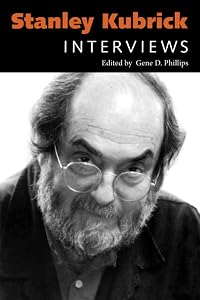
On This Page
Description
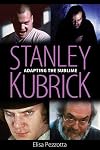
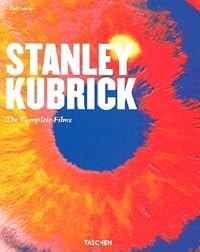
Although Stanley Kubrick adapted novels and short stories, his films deviate in notable ways from the source material. In particular, since '2001: A Space Odyssey' (1968), they seem to exploit definitively all cinematic techniques, embodying a compelling visual and aural experience. But, as the author of this book contends, it is for these reasons that Kubrick's cinema becomes the supreme embodiment of the sublime, fruitful encounter between the two arts and, simultaneously, of their show more independence. Pezzotta concludes that, unlike his predecessors, he creates a cinema not only centred on the ontology of the medium, but on the staging of sublime, new experiences. show lessTags
Recommendations









Member Reviews
Stanley Kubrick is my favorite director of all time, and is arguably one of the best of all time. This book helps dive into the mind of this mad genius and his brilliant masterpiece movies. Kubrick gets a lot of criticism for his bleak and violent outlook on humankind, but haven't the horrors of the 20th century and beyond proven his case?
The Playboy interview with Kubrick turned into a long meditative discussion about human condition, mortality and life, purpose and meaning, hopelessness and bliss...
As Carl Jung once said:
"The sole purpose of human existence is to kindle a light of meaning in the darkness of mere being."
Kubrick answers a question:
—
Playboy: If life is so purposeless, do you feel it’s worth living?
Kubrick: Yes, for those of us who manage somehow to cope with our Mortality. The very meaninglessness of life forces man to create his own meaning. Children, of course, begin life with an untarnished sense of wonder, a capacity to experience total joy at something as simple as the greenness of a leaf; but as they grow older, the awareness of death and show more decay begins to impinge on their consciousness and subtly erode their joie de vivre, their idealism — and their assumption of immortality. As a child matures, he sees death and pain everywhere about him, and begins to lose faith in the ultimate goodness of man. But, if he’s reasonably strong — and lucky — he can emerge from this twilight of the soul into a rebirth of life’s elan. Both because of and in spite of his awareness of the meaninglessness of life, he can forge a fresh sense of purpose and affirmation. He may not recapture the same pure sense of wonder he was born with, but he can shape something far more enduring and sustaining. The most terrifying fact about the universe is not that it is hostile but that it is indifferent; but if we can come to terms with this indifference and accept the challenges of life within the boundaries of death — however mutable man may be able to make them — our existence as a species can have genuine meaning and fulfillment. 'However vast the darkness, we must supply our own light.'
—
Gavin Aung Than, the illustrator of 'Zen Pencils', shared Kubrick's incredible insight—on what it means to exist—by turning it into a fun and entertaining comic.
Click here to view the Comic show less
As Carl Jung once said:
"The sole purpose of human existence is to kindle a light of meaning in the darkness of mere being."
Kubrick answers a question:
—
Playboy: If life is so purposeless, do you feel it’s worth living?
Kubrick: Yes, for those of us who manage somehow to cope with our Mortality. The very meaninglessness of life forces man to create his own meaning. Children, of course, begin life with an untarnished sense of wonder, a capacity to experience total joy at something as simple as the greenness of a leaf; but as they grow older, the awareness of death and show more decay begins to impinge on their consciousness and subtly erode their joie de vivre, their idealism — and their assumption of immortality. As a child matures, he sees death and pain everywhere about him, and begins to lose faith in the ultimate goodness of man. But, if he’s reasonably strong — and lucky — he can emerge from this twilight of the soul into a rebirth of life’s elan. Both because of and in spite of his awareness of the meaninglessness of life, he can forge a fresh sense of purpose and affirmation. He may not recapture the same pure sense of wonder he was born with, but he can shape something far more enduring and sustaining. The most terrifying fact about the universe is not that it is hostile but that it is indifferent; but if we can come to terms with this indifference and accept the challenges of life within the boundaries of death — however mutable man may be able to make them — our existence as a species can have genuine meaning and fulfillment. 'However vast the darkness, we must supply our own light.'
—
Gavin Aung Than, the illustrator of 'Zen Pencils', shared Kubrick's incredible insight—on what it means to exist—by turning it into a fun and entertaining comic.
Click here to view the Comic show less
The Playboy interview with Kubrick turned into a long meditative discussion about human condition, mortality and life, purpose and meaning, hopelessness and bliss...
As Carl Jung once said:
"The sole purpose of human existence is to kindle a light of meaning in the darkness of mere being."
Kubrick answers a question:
—
Playboy: If life is so purposeless, do you feel it’s worth living?
Kubrick: Yes, for those of us who manage somehow to cope with our Mortality. The very meaninglessness of life forces man to create his own meaning. Children, of course, begin life with an untarnished sense of wonder, a capacity to experience total joy at something as simple as the greenness of a leaf; but as they grow older, the awareness of death and show more decay begins to impinge on their consciousness and subtly erode their joie de vivre, their idealism — and their assumption of immortality. As a child matures, he sees death and pain everywhere about him, and begins to lose faith in the ultimate goodness of man. But, if he’s reasonably strong — and lucky — he can emerge from this twilight of the soul into a rebirth of life’s elan. Both because of and in spite of his awareness of the meaninglessness of life, he can forge a fresh sense of purpose and affirmation. He may not recapture the same pure sense of wonder he was born with, but he can shape something far more enduring and sustaining. The most terrifying fact about the universe is not that it is hostile but that it is indifferent; but if we can come to terms with this indifference and accept the challenges of life within the boundaries of death — however mutable man may be able to make them — our existence as a species can have genuine meaning and fulfillment. 'However vast the darkness, we must supply our own light.'
—
Gavin Aung Than, the illustrator of 'Zen Pencils', shared Kubrick's incredible insight—on what it means to exist—by turning it into a fun and entertaining comic.
Click here to view the Comic show less
As Carl Jung once said:
"The sole purpose of human existence is to kindle a light of meaning in the darkness of mere being."
Kubrick answers a question:
—
Playboy: If life is so purposeless, do you feel it’s worth living?
Kubrick: Yes, for those of us who manage somehow to cope with our Mortality. The very meaninglessness of life forces man to create his own meaning. Children, of course, begin life with an untarnished sense of wonder, a capacity to experience total joy at something as simple as the greenness of a leaf; but as they grow older, the awareness of death and show more decay begins to impinge on their consciousness and subtly erode their joie de vivre, their idealism — and their assumption of immortality. As a child matures, he sees death and pain everywhere about him, and begins to lose faith in the ultimate goodness of man. But, if he’s reasonably strong — and lucky — he can emerge from this twilight of the soul into a rebirth of life’s elan. Both because of and in spite of his awareness of the meaninglessness of life, he can forge a fresh sense of purpose and affirmation. He may not recapture the same pure sense of wonder he was born with, but he can shape something far more enduring and sustaining. The most terrifying fact about the universe is not that it is hostile but that it is indifferent; but if we can come to terms with this indifference and accept the challenges of life within the boundaries of death — however mutable man may be able to make them — our existence as a species can have genuine meaning and fulfillment. 'However vast the darkness, we must supply our own light.'
—
Gavin Aung Than, the illustrator of 'Zen Pencils', shared Kubrick's incredible insight—on what it means to exist—by turning it into a fun and entertaining comic.
Click here to view the Comic show less
Ratings
Members
- Recently Added By
Author Information

61+ Works 6,592 Members
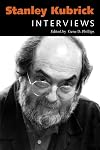
Stanley Kubrick was born in the Bronx, New York, and became a skilled photographer before he went into directing. He achieved fame with the fine antiwar film Paths of Glory in 1957, and his output since then has been extremely diversified. Through it all, however, runs a deep vein of pessimism. Dr. Strangelove (1964), 2001: A Space Odyssey (1968), show more and A Clockwork Orange (1972) express his vision of an apocalyptic future, while Spartacus (1959) and Barry Lyndon (1975) reveal his dark view of futility in the past. Kubrick has been able to work independently for most of his career, enjoying the rare right to make the final cuts of his films without studio interference. Some of his other notable films are Lolita (1954), based on Vladimir Nabokov's novel, and Full Metal Jacket (1987), about troops in the Vietnam War. (Bowker Author Biography) show less
All Editions
Series

Common Knowledge
- Canonical title
- Stanley Kubrick: Interviews
- Original publication date
- 2001
- People/Characters
- Stanley Kubrick
- Related movies
- Dr. Strangelove or: How I Learned to Stop Worrying and Love the Bomb (1964 | IMDb); 2001: A Space Odyssey (1968 | IMDb); A Clockwork Orange (1971 | IMDb); Barry Lyndon (1975 | IMDb); Full Metal Jacket (1987 | IMDb)
- Dedication
- for Anthony Frewin
- First words
- Various books on film directors in recent years have each hazarded that the subject of that particular volume was the greatest living American director.
- Last words
- (Click to show. Warning: May contain spoilers.)That's because I don't have any easy answers.
Classifications
- Genres
- Nonfiction, General Nonfiction, Literature Studies and Criticism
- DDC/MDS
- 791.43 — Arts & recreation Recreation, sports, and performing arts Public performances Motion pictures, radio, television, podcasting Motion pictures
- LCC
- PN1998.3 .K83 .A5 — Language and Literature Literature (General) Literature (General) Drama Motion pictures
- BISAC
Statistics
- Members
- 114
- Popularity
- 286,072
- Reviews
- 3
- Rating
- (3.91)
- Languages
- English, Finnish, Turkish
- Media
- Paper, Ebook
- ISBNs
- 6
- ASINs
- 1