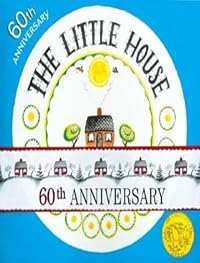
The Little House
by Virginia Lee Burton
On This Page
Description
A country house is unhappy when the city, with all its buildings and traffic, grows up around her.Tags
Recommendations
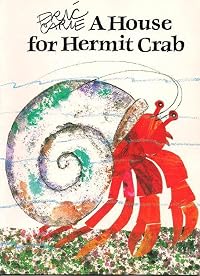
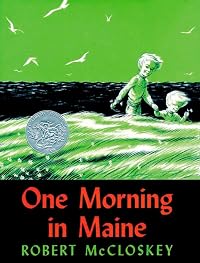
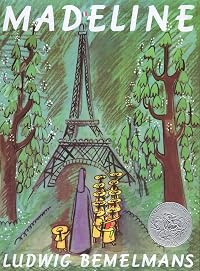
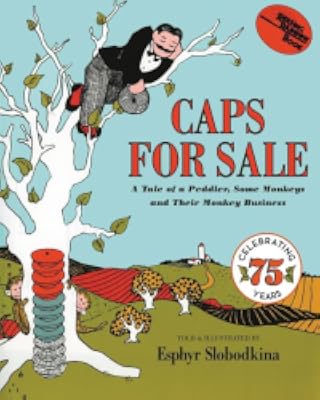
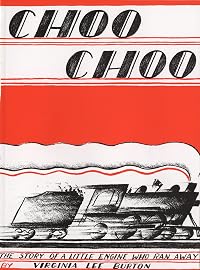
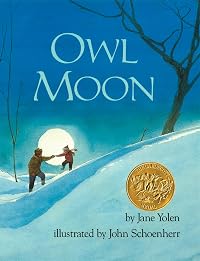
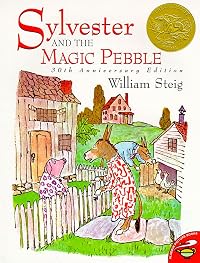

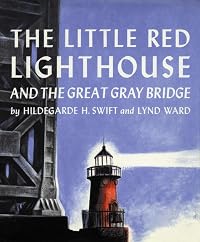
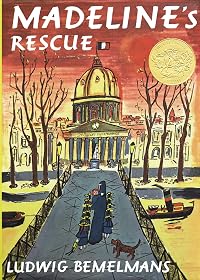
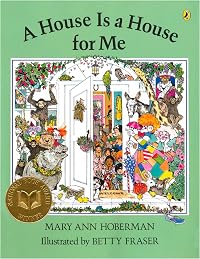
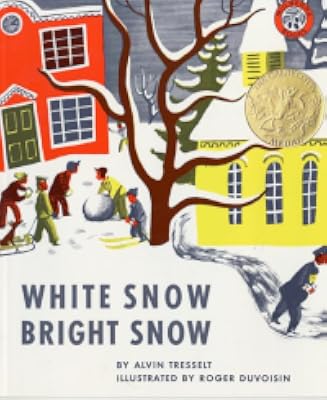
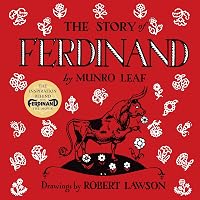
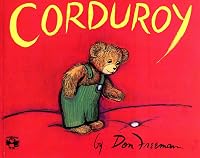
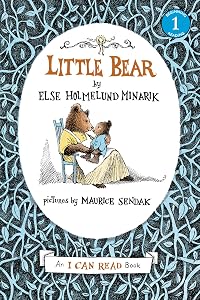
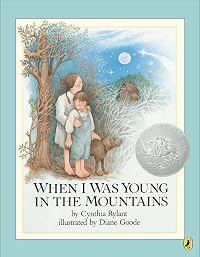

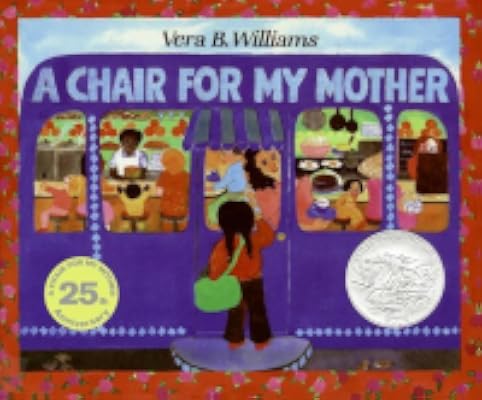
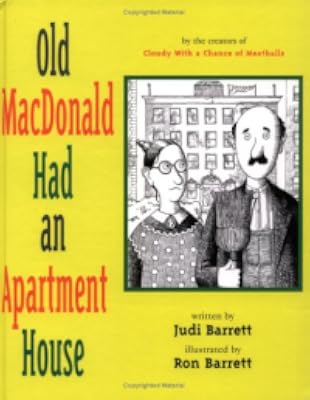
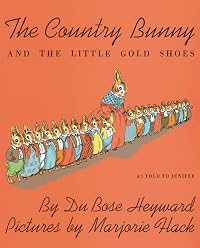
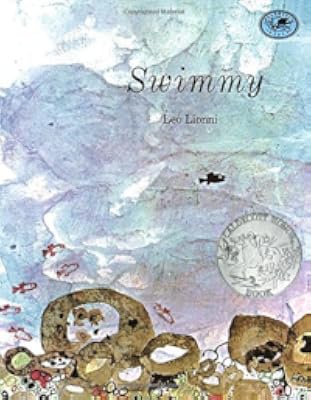

Member Recommendations


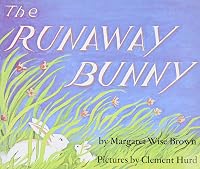
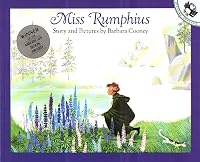
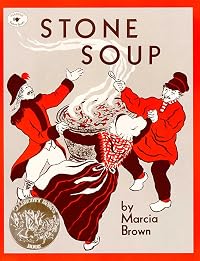
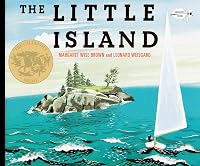
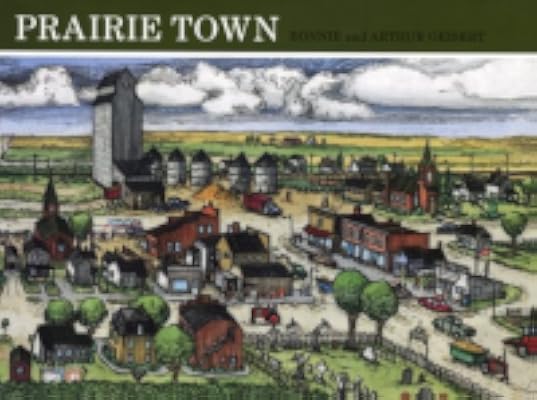
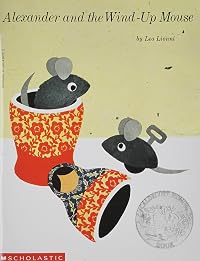
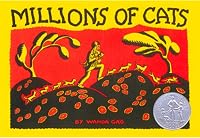
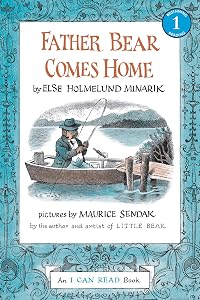
Heather39 Picture book about a little house in a changing community. Each book has a very different ending.
Member Reviews
Built to stand the test of time, a little pink house leads a happy life in the countryside, watching the sun rise and set, the moon wax and wane, and the human generations go by. She occasionally wonders what life is like in the big city, never dreaming that one day her curiosity will be satisfied. One day a road is put in, running right by her front yard, and soon the area around her is filled with homes. The homes gives way to buildings, the buildings grow ever taller, and trolley-cars and then an elevated train-track appear before her door. Eventually the little house finds that she cannot see the moon or stars, because of the lights of the city, that she sees the sun only at noon, and that she has become dirty and dilapidated. Is it show more the end for the Little House? Or is another change in store...?
Awarded the Caldecott Medal in 1943, this classic picture-book from Virginia Lee Burton, also the creator of such beloved childhood titles as Mike Mulligan and His Steam Shovel and Katy and the Big Snow, is a sweet tale that, for all its vintage artwork, feels very fresh and contemporary to me. There are days when, part of a rushing crowd here on the streets of New York City, or squeezed into a packed subway car, I long for quieter, calmer locales - places where I can smell the flowers and see the trees. Even in the less crowded suburban town where I live, I sometimes long for the fresh beauty of the country - somewhere I can sit and really see the stars! Burton taps into that longing with this story of change, painting a portrait of development that is by no means flattering. There is real pathos in the transformation of the world around the house, who is overtaken by urban sprawl, and slowly strangled by the inherent disadvantages of city life, just as there is joy in her liberation from urbanity, and her renewed existence as a family home. The artwork has an old-fashioned feeling to it, but is still very appealing. I particularly liked the way that changing fashions - in both clothing and mode of transportation - are chronicled in the illustrations, through the parade of tiny people and vehicles passing by the house in each scene.
In sum: an engaging, heartwarming tale is joined to appealing artwork in The Little House, making it a book that (much like the house itself) has stood the test of time. show less
Awarded the Caldecott Medal in 1943, this classic picture-book from Virginia Lee Burton, also the creator of such beloved childhood titles as Mike Mulligan and His Steam Shovel and Katy and the Big Snow, is a sweet tale that, for all its vintage artwork, feels very fresh and contemporary to me. There are days when, part of a rushing crowd here on the streets of New York City, or squeezed into a packed subway car, I long for quieter, calmer locales - places where I can smell the flowers and see the trees. Even in the less crowded suburban town where I live, I sometimes long for the fresh beauty of the country - somewhere I can sit and really see the stars! Burton taps into that longing with this story of change, painting a portrait of development that is by no means flattering. There is real pathos in the transformation of the world around the house, who is overtaken by urban sprawl, and slowly strangled by the inherent disadvantages of city life, just as there is joy in her liberation from urbanity, and her renewed existence as a family home. The artwork has an old-fashioned feeling to it, but is still very appealing. I particularly liked the way that changing fashions - in both clothing and mode of transportation - are chronicled in the illustrations, through the parade of tiny people and vehicles passing by the house in each scene.
In sum: an engaging, heartwarming tale is joined to appealing artwork in The Little House, making it a book that (much like the house itself) has stood the test of time. show less
I know this wasn't the point of the book, but this story really got me thinking about how much I've been struggling against our new suburban lifestyle. I was longing for urban living---public transit, museums...sidewalks---and I've been chafing a under the difficulty of pedestrian travel, how spread out we are from the people we know, and how much we depend on our car where we live now. But this book helped highlight for me the things I like about living "out in the country".
My kids like the story, too, although my daughter is disappointed that it's not a Laura Ingalls Wilder "Little House" story. She seems feel offended at the false advertising of the title.
My kids like the story, too, although my daughter is disappointed that it's not a Laura Ingalls Wilder "Little House" story. She seems feel offended at the false advertising of the title.
A little pink house on a hill looks content sitting on top of a hill in the beautiful countryside. Staying the same throughout every changing season. This house looks like a home because it seems so warm, cozy, and familiar. Slowly, the scenery starts to change, and it becomes clear that this little house is going to disappear amongst buildings, bridges, and roads. The house suddenly looks sad, sitting in a grimy city. This book may encourage the reader to contemplate the environment that they live in and their carbon footprint. This books is meant for 4-8 year olds, which I think is suitable considering the number of words per page is light. Personally, this book always breaks my heart a little--it's hard to watch such a warm home show more sitting on top of a hill in the countryside, become dwarfed by buildings in a dirty city. When I was a child I had a fascination with farms and the country, so my mom bought me this book, and it has been my favorite book since. This book would be a great book to read-aloud, especially if the teacher wants to encourage discussion about how we can protect our environment. show less
Starting at a point probably in the late 1800s, a little house is built in the country. Each page turn jumps us ahead a few years, and while the little house sits solidly and unchanging in the middle of each illustration, we view the slow development of the land around it from agrarian, to suburban, to urban as the city at first visible only as a glow of lights on the horizon in the evening slowly grows and engulfs the little house’s lot.
There are words on each page that are sometimes passingly interesting, but the real lasting power of this book comes from the illustrations. I would be hard pressed to think of any book that invites a closer study of the pictures, encouraging viewers to flip the pages back and forth in a game of show more compare and contrast as they seek out new little details with each viewing. Indeed, I’d wager that no book that has been “read” without the written words coming into play more than this one. I mean what could compete, the illustrated Kama Sutra? show less
There are words on each page that are sometimes passingly interesting, but the real lasting power of this book comes from the illustrations. I would be hard pressed to think of any book that invites a closer study of the pictures, encouraging viewers to flip the pages back and forth in a game of show more compare and contrast as they seek out new little details with each viewing. Indeed, I’d wager that no book that has been “read” without the written words coming into play more than this one. I mean what could compete, the illustrated Kama Sutra? show less
Interesting book about a little house built (apparently in the 19th century) that lives through the seasons and, ultimately, the changing of times and urbanization of countryside. The story actually gets pretty sad there for a while, but has a happy ending when the great-great-grand-child of the original builder finds the house and relocates it to the countryside.
Useful certainly for discussions of urban sprawl, country life, growth and change, development of farmland.
The "litlte house" is gendered female, so it's a female protagonist. But since the little house is wholly passive, while it's a sympathetic portrayal, it's not what I would call a strong female role model. Be sure to pair with inanimate females that are shown as strong show more actors in the world -- e.g., maybe "The Little Engine That Could", if you're on a nostalgia kick. show less
Useful certainly for discussions of urban sprawl, country life, growth and change, development of farmland.
The "litlte house" is gendered female, so it's a female protagonist. But since the little house is wholly passive, while it's a sympathetic portrayal, it's not what I would call a strong female role model. Be sure to pair with inanimate females that are shown as strong show more actors in the world -- e.g., maybe "The Little Engine That Could", if you're on a nostalgia kick. show less
I choose this story because it was my favorite book when I was little, I used to feel so awful for the little house and I wanted to save it. The story talks about this little house in the country that is so happy and so full of life. But life happens to the little house and a huge towering city is eventually built around the little house. The house is so tiny it gets lost in the big city and starts to fall apart until it is moved back out to the country and given attention again. One of my favorite things about this book is the illustration of the house throughout the story. In the beginning we see that with the windows and front steps that the house is somewhat smiling but as the story goes on and the house starts to get over taken by show more the hustle and bustle of the city the windows slunk down and the porch frowns and the reader can see how unhappy and hurt the house becomes. That is until it is moved back out to the country and loved once more. The big idea of this book is that everything, and in this case a little house, has it's own place. Not everyone is cut out for the city and everything needs individual love. The reader can also see how damaging over construction can be to something that was once so beautiful. This story is still to this day one of my favorite books. show less
This was a touching book about a beloved little house that sits through rapid industrialization all around her. Where there were rolling hills and farmland, the house watches skyscrapers and railroads and bustling streets built. When she is fully surrounded and feeling forgotten and hopeless, a great great grandchild of her original builders recognizes her and moves her back into the country. I think this could be a useful book in showing children some of the differing views on industrialization and why it's not always such a desirable thing.
Members
- Recently Added By
Lists

Favorite Childhood Books
1,651 works; 519 members

Caldecott Medal Books
91 works; 15 members

Best children's picture books
377 works; 85 members

Top-Rated Children's Books
87 works; 16 members

Scholastic 100 Best Read-Aloud Books
100 works; 8 members

Childhood Favorites
427 works; 24 members

Read the book and saw the movie
1,170 works; 195 members
Honey For a Child's Heart
1,152 works; 25 members

Brightly Beaming Curriculum Books
281 works; 8 members

Sonlight Books
1,487 works; 25 members
Ambleside Books
459 works; 18 members

Top-Rated Books on LibraryThing
272 works; 117 members
Geek Dad Read to Your Kids Additions List
66 works; 4 members

CCE 1000 Good Books List
1,033 works; 12 members

1940s
221 works; 25 members
Favorite Picture Books
479 works; 160 members

Move into Children's Picture Books House
25 works; 1 member

Books We Loved As Children
610 works; 254 members

Written and Illustrated By
805 works; 1 member

LLATL Blue Book List
13 works; 1 member

Which house?
423 works; 16 members

Recommended Reading List
219 works; 1 member

Early Picture Books
467 works; 9 members

Books You Read For University
184 works; 3 members

Five star books
1,767 works; 109 members

Books Read in 2015
3,299 works; 126 members

Literary Works Read in College
316 works; 15 members

University literature
145 works; 5 members

The Peaceful Preschool Curriculum
58 works; 1 member
Author Information

Virginia Lee Burton was born August 30, 1909 in Massachusetts. She was an author and illusrator of children's books. Her titles include Maybelle the Cable Car, Mike Mulligan and His Steam Shovel and Choo Choo: The Story of a Little Engine Who Ran Away. In 1942, she won the Caldecott Medal for her title, The Little House. Burton died on October 15, show more 1968 in Massachusetts. (Bowker Author Biography) show less
Some Editions
Awards and Honors
Work Relationships
Is contained in
Has the adaptation
Common Knowledge
- Canonical title
- The Little House
- Original title
- The Little House
- Original publication date
- 1942
- People/Characters
- Little House; Great-great granddaughter
- Important places
- The country; The City
- Related movies
- The Little House (1952 | IMDb)
- First words
- Once upon a time there was a Little House way out in the country.
- Quotations
- Now she couldn't tell when Spring came, or Summer or Fall, or Winter. It all seemed about the same.
- Last words
- (Click to show. Warning: May contain spoilers.)It was Spring...and all was quiet and peaceful in the country.
- Original language
- English
Classifications
Statistics
- Members
- 6,870
- Popularity
- 1,744
- Reviews
- 140
- Rating
- (4.31)
- Languages
- 9 — Chinese, Dutch, English, French, German, Japanese, Norwegian (Bokmål), Russian, Spanish
- Media
- Paper, Audiobook, Ebook
- ISBNs
- 60
- UPCs
- 4
- ASINs
- 29