No Bones
by Anna Burns
On This Page
Description
SHORTLISTED FOR THE ORANGE PRIZE FOR FICTION 2002 A stunning debut novel about a little girl growing up in Belfast, from the author of the Man Booker Prize winning novel, Milkman. 'Marvellous: shocking, moving, evocative' Daily MailThis is sensational. This young Irishwoman is perhaps the most distinctive, the most purely gifted new writer to come to Flamingo all year. Her debut novel tracks the tragicomic fortunes of the Lovett family of Catholic Belfast - splenetically violent father; show more shrewdly mad mother; malevolent Mick the eldest; and dreamy, endearing Amelia, our narrator of choice. Their antics over the years (she devotes, more or less, one chapter per year from 1969 to the late 1990s) - fights, school, kickings, the IRA and the RUC vying for Most Inept Police in the City, more violence - make for black comedy of the highest order. We are up amongst the gods here: think Belfast's Angela's Ashes; think Roddy Doyle with guns; think a Northern Irish Trainspotting. show lessTags
Recommendations












Member Reviews
This was not the book I expected. I mean, I wasn't expecting hugs and puppies in a book about the Troubles. But the blurb sold it as a 'hilarious' ... 'speaks the truth in a way only a child can do' ... 'growing up in the Troubles', so I thought it would be a naive 'boy in the striped pyjamas' type book.
It's a lot darker than that. It's more Catch 22, where the story shifts from horrific things that could really have happened, to horrific things that are surreal trips illustrating the feelings of all that happened. And while Amelia is young at the start of the book, it is very much coming of age - her teenage years, her first jobs, and, while I expected a book about the Troubles to be uncomfortable reading, I didn't realise how much the show more personal would be entwined with the political, explicit sibling rape, anorexia, dead babies...
Moving. Horrific. Disturbing. Hard to follow at times. show less
It's a lot darker than that. It's more Catch 22, where the story shifts from horrific things that could really have happened, to horrific things that are surreal trips illustrating the feelings of all that happened. And while Amelia is young at the start of the book, it is very much coming of age - her teenage years, her first jobs, and, while I expected a book about the Troubles to be uncomfortable reading, I didn't realise how much the show more personal would be entwined with the political, explicit sibling rape, anorexia, dead babies...
Moving. Horrific. Disturbing. Hard to follow at times. show less
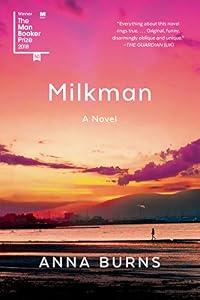
I knew nothing of Anna Burns before [b:Milkman|36059839|Milkman|Anna Burns|https://images.gr-assets.com/books/1519878239s/36059839.jpg|57622946] was longlisted (and more recently shortlisted) for this year's Man Booker Prize. It is my favourite book on that list, so when I heard that her debut novel was also about growing up during the Troubles, I was very keen to track down a copy.
This book has many of the same elements - it is full of horrific situations but told with such outrageous humour and exaggeration that it is also very entertaining. Unlike Milkman, the story spans almost the whole of the Troubles. Its protagonist Amelia Boyd Lovett is a young girl when it begins in 1969. There is roughly one chapter a year until the story show more ends in 1994, some narrated by Amelia, others by an omniscient narrator who brings a wider perspective and explores peripheral characters.
As in Milkman, the focus is on the impossibility of maintaining a normal life in the violent madness of Catholic Belfast, and Amelia's escapes into bulimia, alcoholism and mental illness are described with a mixture of visceral horror and high comedy. The ending finds a note of partial redemption.
This is not as polished or as accomplished as Milkman, but it is still a memorable and impressive debut novel. show less
This book has many of the same elements - it is full of horrific situations but told with such outrageous humour and exaggeration that it is also very entertaining. Unlike Milkman, the story spans almost the whole of the Troubles. Its protagonist Amelia Boyd Lovett is a young girl when it begins in 1969. There is roughly one chapter a year until the story show more ends in 1994, some narrated by Amelia, others by an omniscient narrator who brings a wider perspective and explores peripheral characters.
As in Milkman, the focus is on the impossibility of maintaining a normal life in the violent madness of Catholic Belfast, and Amelia's escapes into bulimia, alcoholism and mental illness are described with a mixture of visceral horror and high comedy. The ending finds a note of partial redemption.
This is not as polished or as accomplished as Milkman, but it is still a memorable and impressive debut novel. show less
This novel of life Belfast during the Troubles is, not entirely surprisingly, grim as fuck. It follows Amelia Lovett through her childhood during the 1970s, teenage years in the 1980s, and into adulthood, with digressions following family members and acquaintances. The episodic structure works very well, keeping the narrative taut. The tone is deadpan, even sardonic:
This narrative style parallels how characters in [b:No Bones|748235|No Bones|Anna Burns|https://i.gr-assets.com/images/S/compressed.photo.goodreads.com/books/1347837199l/748235._SY75_.jpg|734377] survive pervasive sectarian conflict by cultivating some sense of detachment. The mental strain of constant danger and conflict is carefully dissected via Amelia's experiences and those of her family and acquaintances. Frequent arbitrary deaths, street and domestic violence, and poverty have traumatic effects. Burns depicts ubiquitous alcoholism and mental illness, including detailed examination of eating disorders, depression, and psychosis. Squalid details of sexual violence and child neglect are presented dispassionately. Many scenes are hard to read, but all written with lucid insight and conviction.
The novel ends in 1994 as the possibility of ceasefire grows, although the Good Friday Agreement would not follow for another few years. After the bleakness of what preceded it, I appreciated the cautious hope of the final chapter:
[b:No Bones|748235|No Bones|Anna Burns|https://i.gr-assets.com/images/S/compressed.photo.goodreads.com/books/1347837199l/748235._SY75_.jpg|734377] gives a striking insight into the social and psychological toll of the Troubles. The narrative voice remains compelling despite the extreme bleakness of events. show less
A few things happened at the same time. First there was that film starring Robert De Niro, the one that had the Russian roulette in. Then there was that treasurer fella from Sinn Fein, the one who was supposed to be minding all the money but who was secretly spending it instead. Finally there were the fed-up and easily bored delinquents, who took it upon themselves to dressshow more
up and muck around and pretend to be vigilantes for a day. These three things came together the way three things generally do and produced a fourth, unexpected thing. Some in the know though, said that was a load of rubbish, that the fourth had nothing to do with the other three, that it was a long time coming, but in the end, it would have happened anyway.
This narrative style parallels how characters in [b:No Bones|748235|No Bones|Anna Burns|https://i.gr-assets.com/images/S/compressed.photo.goodreads.com/books/1347837199l/748235._SY75_.jpg|734377] survive pervasive sectarian conflict by cultivating some sense of detachment. The mental strain of constant danger and conflict is carefully dissected via Amelia's experiences and those of her family and acquaintances. Frequent arbitrary deaths, street and domestic violence, and poverty have traumatic effects. Burns depicts ubiquitous alcoholism and mental illness, including detailed examination of eating disorders, depression, and psychosis. Squalid details of sexual violence and child neglect are presented dispassionately. Many scenes are hard to read, but all written with lucid insight and conviction.
The novel ends in 1994 as the possibility of ceasefire grows, although the Good Friday Agreement would not follow for another few years. After the bleakness of what preceded it, I appreciated the cautious hope of the final chapter:
Amelia, looking a lot better than she'd looked in a long time, in fact ever, recklessly continued to throw out ideas and suggestions without seeming to think once about the consequences.
"I mean just that," she said, looking round, a big smile on her face which must have been an accident, nothing like it ever having happened on Amelia Lovett's face before. "A day out," she said. "We can go sightseein', go to the beach, the hills, stroll about, not worry, take fresh air, buy sticks of rocks, have tea in teashops, those sorts of things, relaxing sorts of things, all sorts of things. Why don't we?"
Unbelievable. Inconceivable. And what exactly did she mean by 'not worry'? They backed off, for Amelia was different. And she'd been in hospital in England, they'd heard. Not just an ordinary hospital either. A mental sort of hospital.
[b:No Bones|748235|No Bones|Anna Burns|https://i.gr-assets.com/images/S/compressed.photo.goodreads.com/books/1347837199l/748235._SY75_.jpg|734377] gives a striking insight into the social and psychological toll of the Troubles. The narrative voice remains compelling despite the extreme bleakness of events. show less
In Belfast aufzuwachsen und zu überleben erfordert eine gewisse Gelassenheit und Cleverness. Auch wenn man es nicht so nennt, es herrscht Krieg auf den Straßen und in den Häusern und Kinder wie Amelia Lovett lernen schon in jungen Jahren, wer Freund ist, wer Feind ist und wann ein Feind auch mal zu Freund werden kann, weil es einen anderen, gemeinsamen Feind gibt. Gewalt spielt sich tagtäglich vor ihren Augen ab, gehört zu Leben wie die Schule. Da muss man manchmal gedanklich einfach abschweifen, um all das zu vergessen, was sich um einen rum zuträgt, denn sonst schlägt sich das irgendwann nieder.
Ihr Roman „Milchmann“ wurde mit zahlreichen Preisen ausgezeichnet, darunter dem Man Booker Prize, dem National Book Critics Award show more und dem Orwell Prize, was die nordirische Autorin Anna Burns weit über ihre Heimat hinaus bekannt machte. „Amelia“ ist ihr Debüt aus dem Jahr 2001, welches ebenfalls von den Kritikern begeistert aufgenommen wurde und für zahlreiche Preise nominiert war. Beide Romane haben gemein, dass die Autorin mit einer ungeschönten, direkten Sprache das alltägliche Grauen, dem die Mädchen bzw. junge Frauen ausgesetzt sind, schildert und den Leser damit ins Mark trifft. Es ist manchmal nur schwer auszuhalten – verglichen jedoch mit der Realität, die sie einfängt, ist das Lesen ein Klacks, wenn man es sich realistischer Weise vor Augen führt.
Die Kinder leben während der Troubles eine Normalität, die man sich kaum vorstellen kann. Tote, Blut, Gewaltexzesse – nichts bringt sie mehr aus der Ruhe, weil es so normal ist, dass im Puppenwagen genauso gut eine Bombe wie eine Puppe liegen könnte oder dass der Vater oder Bruder morgen schon zu den Opfern gehören könnte. Die Frauen sind gleichermaßen abgestumpft und tragen ihre Streitigkeiten ebenso gewalttätig aus, wie die Männer. Es wirkt geradezu grotesk, wie Amelia die Tage zählt, bis ihr Elternhaus an der Reihe ist, niedergebrannt zu werden, nun ja, Troubles eben. Dass dies nicht ohne Spuren bleiben kann, gerade auch weil selbst innerhalb der Familie keine Loyalität zu erwarten ist, verwundert nicht. Die Spuren der Verwüstung ziehen sich zwar in anderer Art, aber nicht weniger heftig durch ihr Erwachsenenleben.
Die Geschichte Amelias überspannt mehrere Jahrzehnte, es sind kurze Kapitel, nur Episoden, die jedoch eindrücklich nachwirken. Sie erscheinen wie Flashbacks, böse Erinnerungen, die sich eingebrannt haben und die Amelia nicht mehr los wird. Narben, die sie zeichnen und eine von vielen Geschichten eines Landes im andauernden Ausnahmezustand erzählen. show less
Ihr Roman „Milchmann“ wurde mit zahlreichen Preisen ausgezeichnet, darunter dem Man Booker Prize, dem National Book Critics Award show more und dem Orwell Prize, was die nordirische Autorin Anna Burns weit über ihre Heimat hinaus bekannt machte. „Amelia“ ist ihr Debüt aus dem Jahr 2001, welches ebenfalls von den Kritikern begeistert aufgenommen wurde und für zahlreiche Preise nominiert war. Beide Romane haben gemein, dass die Autorin mit einer ungeschönten, direkten Sprache das alltägliche Grauen, dem die Mädchen bzw. junge Frauen ausgesetzt sind, schildert und den Leser damit ins Mark trifft. Es ist manchmal nur schwer auszuhalten – verglichen jedoch mit der Realität, die sie einfängt, ist das Lesen ein Klacks, wenn man es sich realistischer Weise vor Augen führt.
Die Kinder leben während der Troubles eine Normalität, die man sich kaum vorstellen kann. Tote, Blut, Gewaltexzesse – nichts bringt sie mehr aus der Ruhe, weil es so normal ist, dass im Puppenwagen genauso gut eine Bombe wie eine Puppe liegen könnte oder dass der Vater oder Bruder morgen schon zu den Opfern gehören könnte. Die Frauen sind gleichermaßen abgestumpft und tragen ihre Streitigkeiten ebenso gewalttätig aus, wie die Männer. Es wirkt geradezu grotesk, wie Amelia die Tage zählt, bis ihr Elternhaus an der Reihe ist, niedergebrannt zu werden, nun ja, Troubles eben. Dass dies nicht ohne Spuren bleiben kann, gerade auch weil selbst innerhalb der Familie keine Loyalität zu erwarten ist, verwundert nicht. Die Spuren der Verwüstung ziehen sich zwar in anderer Art, aber nicht weniger heftig durch ihr Erwachsenenleben.
Die Geschichte Amelias überspannt mehrere Jahrzehnte, es sind kurze Kapitel, nur Episoden, die jedoch eindrücklich nachwirken. Sie erscheinen wie Flashbacks, böse Erinnerungen, die sich eingebrannt haben und die Amelia nicht mehr los wird. Narben, die sie zeichnen und eine von vielen Geschichten eines Landes im andauernden Ausnahmezustand erzählen. show less
While very different to "milkman" there are also many similarities, most especially in the humour and language, and insights into personalities. While Milkman is a structured story, No Bones swerves its way through time and perspective in a not always clear manner. All of the chapters/sections intersect with the life of one character, Amelia, as she grows up and lives through the troubles from the first warnings that something was about to happen to the peace process, jumping a few years at a time. The characters are great as you'd expect from Burns, and the impact of the troubles on the psyche of the poor souls trapped within them vivid and heartbreaking. It is harder to read than Milkman, and many people state Milkman itself show more difficult, though I didn't find it so. I found No Bones very worth while, and love how Burns sees people. The wrap up chapter is extremely funny so don't despair when things are looking bad for poor Amelia. show less
As this book started out, I was immediately impressed with the way Burns sets you down right into the middle of Belfast through the eyes of an innocent child. But as the book wore on, I found the author's perspective disturbing. I expected her to hate what had happened in Belfast, but her apparent disdain for every single character she created, including the protagonist, was inexplicable to me. Nobody seems to have any redeeming qualities. Amelia becomes less and less likeable as time goes by. So does Anna Burns' novel.
Der Konflikt zwischen den Protestanten und den Katholiken in Irland mündet 1969 in den Troubles. Amelia Boyd Lovett ist gerade mal acht Jahre alt, als sie miterleben muss, wie sich Gewalt und Schrecken ausbreiten. Familien brechen auseinander und viele Menschen in der näheren Umgebung werden zu Feinden. Amelia begegnet dem Schrecken, indem sie Schätze sammelt und sie anschaut. Zu diesen Schätzen gehören auch die Gummigeschosse der britischen Armee.
Wie werden Menschen mit dieser Gewalt fertig? Wie ist es, wenn Waffen überall normal sind und man jederzeit mit einem Bombenanschlag rechnen muss? Was macht die allgegenwärtige Gewalt mit einem Kind?
Wir begleiten Amelia in Zeiten dieser nicht enden wollenden Konflikte über viele Jahre show more lang. Es ist erschreckend und grausam, was geschieht. Die Menschen stumpfen immer mehr ab und kennen keine Gnade. Mitgefühl bleibt auf der Strecke. Es ist schwer zu ertragen, dies alles zu lesen. Wer also zartbesaitet ist, sollte vielleicht diesen Roman nicht lesen.
Ich hätte gerne mehr über die Hintergründe erfahren, die zu den Troubles geführt haben, in diesem Buch geht es nur darum, was das mit den Menschen macht.
Ein interessanter, lesenswerter Roman, aber wahrlich keine leichte Kost. show less
Wie werden Menschen mit dieser Gewalt fertig? Wie ist es, wenn Waffen überall normal sind und man jederzeit mit einem Bombenanschlag rechnen muss? Was macht die allgegenwärtige Gewalt mit einem Kind?
Wir begleiten Amelia in Zeiten dieser nicht enden wollenden Konflikte über viele Jahre show more lang. Es ist erschreckend und grausam, was geschieht. Die Menschen stumpfen immer mehr ab und kennen keine Gnade. Mitgefühl bleibt auf der Strecke. Es ist schwer zu ertragen, dies alles zu lesen. Wer also zartbesaitet ist, sollte vielleicht diesen Roman nicht lesen.
Ich hätte gerne mehr über die Hintergründe erfahren, die zu den Troubles geführt haben, in diesem Buch geht es nur darum, was das mit den Menschen macht.
Ein interessanter, lesenswerter Roman, aber wahrlich keine leichte Kost. show less
May 22, 2022German
Members
- Recently Added By
Author Information

4 Works 3,326 Members
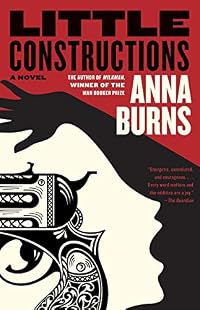
Anna Burns was born in Belfast, Ireland in 1962. Her books include Little Constructions, No Bones, and Milkman, which won the 2018 Man Booker Prize. (Bowker Author Biography)
Awards and Honors
Awards
Common Knowledge
- Canonical title
- No Bones
- Original title
- No Bones
- Important places
- Belfast, Northern Ireland, UK
- Dedication
- For Georgia, Margaret, and for Mitzi
Classifications
Statistics
- Members
- 182
- Popularity
- 179,336
- Reviews
- 9
- Rating
- (3.62)
- Languages
- English, German
- Media
- Paper, Ebook
- ISBNs
- 5
- ASINs
- 3