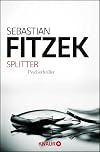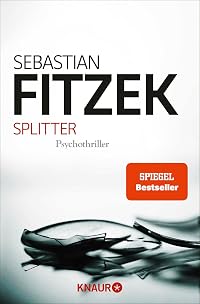
Splinter
by Sebastian Fitzek
On This Page
Description
A fast-paced, utterly unputdownable psychological thriller from a German bestseller: what if we could permanently erase our most terrifying memories? And what could go wrong?Tags
Recommendations













Member Reviews
What if we could permanently erase our most terrifying experiences from memory? Psychological thrillers are meant to manipulate our perceptions and mess with our minds, and this book does just that!
This is my first book by this German author, and despite some readers finding his writing style confusing and all over the place, I just loved it! This fast-paced, roller-coaster of a book gave me the rush and excitement that comes with reading a good thriller novel.
Having short chapters that end with a cliffhanger is brilliant. At no point was I confused with the story, and I actually enjoyed Fitzek's writing style, which is effortlessly engaging while still keeping the plot complex enough to keep the ending a mystery until the final page!
He show more has a remarkable talent for making you think you’ve figured out the twists, only to reveal just how mistaken you were!
Speaking of twists, I wish the ending had been less dramatic and more believable. This is my only issue with the book. I'm having a hard time accepting the conclusion of the main character's journey. After everything, the ending felt over the top. I’m struggling to understand a certain character's motives and why they went to such extremes to influence everything that happens with the main. Did they REALLY have to go through ALL that?
Read this if you love fast-paced psychological thrillers with intricate plots that will have you thinking long after you’ve finished. If you enjoy themes like reality versus illusion and trust versus deception, this book is a must-read. show less
This is my first book by this German author, and despite some readers finding his writing style confusing and all over the place, I just loved it! This fast-paced, roller-coaster of a book gave me the rush and excitement that comes with reading a good thriller novel.
Having short chapters that end with a cliffhanger is brilliant. At no point was I confused with the story, and I actually enjoyed Fitzek's writing style, which is effortlessly engaging while still keeping the plot complex enough to keep the ending a mystery until the final page!
He show more has a remarkable talent for making you think you’ve figured out the twists, only to reveal just how mistaken you were!
Speaking of twists, I wish the ending had been less dramatic and more believable. This is my only issue with the book. I'm having a hard time accepting the conclusion of the main character's journey. After everything, the ending felt over the top. I’m struggling to understand a certain character's motives and why they went to such extremes to influence everything that happens with the main. Did they REALLY have to go through ALL that?
Read this if you love fast-paced psychological thrillers with intricate plots that will have you thinking long after you’ve finished. If you enjoy themes like reality versus illusion and trust versus deception, this book is a must-read. show less
Este el segundo libro que leo de Fitzek un autor que se ha ganado a pulso su título como maestro del terro psicologico, para muestra el primer acercamiento a "El destructor de almas", que honestamente te deja así:
Joder! Que manera de presentar a un personaje, y también que manera de hacer que te interese otra historia y no la de esté macabro villano presentado al inicio (este punto aun hace que me debata si fue bueno o malo porque tienes a alguien que fácilmente puede tomar todo de ti y dejarte vacío, pero al arrojarte otro misterio que se siente más personal deja de tener tanta importancia el primer enigma y el segundo toma mayor importancia para el lector).
El estilo es sencillo pero penetrante, el inicio no es acelerado, ni lo show more necesita, te presenta a los personajes y parte de los hechos, el punto de vista vamos leyendo es el de uno de los involucrados en toda esta vorágine de locura que es el hospital y el experimento, los dos elementos que conviven de manera inseparable durante toda el libro. Rapidamente quedas cautivado por el expediente que te presentan y logras creer en un mundo donde este estudio es real.
El detalle con esta historia es que varios de los giros pecan de ser imaginables, especialmente el último que se alcanza a percibir desde las primeras páginas, pero los que el autor se guarda, sin esconderlos, son los que hacen que te salten los ojos tanto por su impresivilidad como por la posible obviedad de los mismos, con esto quiero decir que el autor realmente no nos esta ocultándo hechos simplemente los presenta de tal forma que nosotros sigamos el cámino que el ya ha trazado. show less
Joder! Que manera de presentar a un personaje, y también que manera de hacer que te interese otra historia y no la de esté macabro villano presentado al inicio (este punto aun hace que me debata si fue bueno o malo porque tienes a alguien que fácilmente puede tomar todo de ti y dejarte vacío, pero al arrojarte otro misterio que se siente más personal deja de tener tanta importancia el primer enigma y el segundo toma mayor importancia para el lector).
El estilo es sencillo pero penetrante, el inicio no es acelerado, ni lo show more necesita, te presenta a los personajes y parte de los hechos, el punto de vista vamos leyendo es el de uno de los involucrados en toda esta vorágine de locura que es el hospital y el experimento, los dos elementos que conviven de manera inseparable durante toda el libro. Rapidamente quedas cautivado por el expediente que te presentan y logras creer en un mundo donde este estudio es real.
El detalle con esta historia es que varios de los giros pecan de ser imaginables, especialmente el último que se alcanza a percibir desde las primeras páginas, pero los que el autor se guarda, sin esconderlos, son los que hacen que te salten los ojos tanto por su impresivilidad como por la posible obviedad de los mismos, con esto quiero decir que el autor realmente no nos esta ocultándo hechos simplemente los presenta de tal forma que nosotros sigamos el cámino que el ya ha trazado. show less
Bewildering, disorienting, but a page turner. The narration from POV of character who doesn't remember, and the author seems to deliberately blur what's real and what's perception, so it's fairly confusing, but very effective at pulling you in. The ending though - complete disappointment, bleeding out all the tension and interest. (The translation also seems clunky to me – one step below 'plain' thriller prose. "Ironical" – really?! )
Overall, quite sad, bleak ( think the epilogue is supposed to make it less bleak, along with the newspaper cuttings used to wrap up the loose ends, but – didn't really do it for me, especially after that reveal!
Overall, quite sad, bleak ( think the epilogue is supposed to make it less bleak, along with the newspaper cuttings used to wrap up the loose ends, but – didn't really do it for me, especially after that reveal!
This book had me gripped from chapter to chapter as each ended in a cliffhanger. I was dying to find out what was happening as reality appeared to jump forward and backward and morph all around. The ride felt exhilarating for a while, but as we got to the end... I've never felt so let down! I didn't understand the level of deception once the motive was revealed. It felt like the author had a great concept for a book, a mystery memory experiment, but was too lazy to think of a reason for the experiment. Very disappointing. The two stars are for keeping me gripped along the way, but oh that ending...such a disapointment.
I didn't like this book at all probably because I'm not clever enough to follow it - and unlike some books which I have problems with at first reading this one didn't incentivise me to reread. Not often I ditch a book so soon after purchase.
La memoria – persa e ritrovata – è uno dei temi fondamentali della narrativa: è il nostro “specchio del passato”. E’ indubbiamente un argomento intrigante e di cui ancora sappiamo poco, a livello scientifico: per questo Schegge mi ha subito incuriosita.
Marc è un uomo distrutto dal dolore, pronto a cancellare dalla propria mente anche i ricordi più felici, pur di poter vivere un’esistenza con almeno una parvenza di serenità. Ma la memoria non è un’entità che si può sforbiciare a piacimento e il nostro protagonista si troverà incastrato in una situazione ben peggiore di quella che già si prospettava – una situazione in cui fidarsi degli altri diventa difficile, fidarsi di sé stessi quasi impossibile.
Ogni pagina show more è un passo in più lungo la strada che trascina Marc (e noi con lui) in una spirale confusa e tenebrosa, dove si mescolano ricordi veri e presunti.
Fitzek conosce bene il suo genere e sa come muoversi al suo interno, riuscendo a creare una storia coinvolgente ed emozionante, che tocca con abilità certe corde, legate a paure ataviche dell’essere umano, che fanno immediatamente scattare una certa empatia nei confronti del protagonista.
Ottiene questo effetto anche perché fa sollevare domande che chiunque di noi può porsi: questioni più generali, come l’importanza della memoria e l’eticità della rimozione dei ricordi (se mai divenisse scientificamente possibile), oppure dubbi lapidari che non possono che lasciarci inermi. Saremmo comunque noi stessi, cancellando alcuni dei nostri ricordi? E se non fossimo più “noi”, chi saremmo? E ancora: se nessuno si ricorda di noi, si può dire che esistiamo? O un’esistenza che non ha alcun impatto su quella degli altri non può essere definita tale?
Attorno a tutti questi dilemmi si costruisce, nel frattempo, una corsa contro il tempo: Marc vuole scoprire cosa gli sta succedendo, vuole capire di chi fidarsi e, più di ogni altra cosa, rivuole indietro la sua vita. “Buoni” e “cattivi” non sono mai quello che sembrano, tant’è che, scambiandosi spesso e volentieri di posto, finiscono per mandare all’aria tutte le ipotesi che il lettore si era fatto!
Io stessa sono rimasta più volte a bocca aperta, mentre tutte le mie supposizioni venivano sfatate da un colpo di scena del tutto inaspettato. Inutile dire che, in un libro di questo genere, non può che essere un buon segno.
Ho trovato solo due difetti durante la lettura: trattasi di una lieve tendenza dell’autore a inserire dettagli inutili (del genere che ogni tanto il protagonista parla di sé, senza che questo sia effettivamente utile al proseguimento dell’azione) e di alcuni capitoli conclusi in maniera anti-climatica, che non rendono giustizia alla tensione che Fitzek riesce a creare. Ma sono difetti minimi, non reiterati e che non impediscono in alcun modo di appassionarsi alla storia.
Il finale, poi, merita un po’ di spazio per sé. Non lo svelerò, ovviamente – non mi sembra proprio il caso. Cercherò di mantenere le considerazioni a riguardo prive di anticipazioni.
Appena finito di leggere il libro l’avevo trovato fantastico, in quanto totalmente inaspettato. Gli ultimi capitolo sono, a modo loro, toccanti; la vicenda mi sembrava conclusa come si deve.
Ora, ripensandoci, non ne sono più tanto sicura… anzi, più ci rifletto, più mi è sembrata una soluzione un po’ assurda, troppo assurda perfino per un thriller. Non è un finale facile, di quelli che l’autore appronta per non doversi sforzare troppo e trovare una conclusione decente; però, non posso fare a meno di pensare che abbia tentato di “svicolare”, per evitare di rispondere a certe domande… Mi piacerebbe discuterne con qualcuno che ha letto il libro.
In sostanza, nonostante il finale su cui ancora rimugino, non si può proprio dire che sia un brutto libro, anzi: creando una storia frenetica e piena di tensione centra esattamente il suo obbiettivo, ovvero essere un ottimo thriller – meritandosi, così, un buon voto! show less
Marc è un uomo distrutto dal dolore, pronto a cancellare dalla propria mente anche i ricordi più felici, pur di poter vivere un’esistenza con almeno una parvenza di serenità. Ma la memoria non è un’entità che si può sforbiciare a piacimento e il nostro protagonista si troverà incastrato in una situazione ben peggiore di quella che già si prospettava – una situazione in cui fidarsi degli altri diventa difficile, fidarsi di sé stessi quasi impossibile.
Ogni pagina show more è un passo in più lungo la strada che trascina Marc (e noi con lui) in una spirale confusa e tenebrosa, dove si mescolano ricordi veri e presunti.
Fitzek conosce bene il suo genere e sa come muoversi al suo interno, riuscendo a creare una storia coinvolgente ed emozionante, che tocca con abilità certe corde, legate a paure ataviche dell’essere umano, che fanno immediatamente scattare una certa empatia nei confronti del protagonista.
Ottiene questo effetto anche perché fa sollevare domande che chiunque di noi può porsi: questioni più generali, come l’importanza della memoria e l’eticità della rimozione dei ricordi (se mai divenisse scientificamente possibile), oppure dubbi lapidari che non possono che lasciarci inermi. Saremmo comunque noi stessi, cancellando alcuni dei nostri ricordi? E se non fossimo più “noi”, chi saremmo? E ancora: se nessuno si ricorda di noi, si può dire che esistiamo? O un’esistenza che non ha alcun impatto su quella degli altri non può essere definita tale?
Attorno a tutti questi dilemmi si costruisce, nel frattempo, una corsa contro il tempo: Marc vuole scoprire cosa gli sta succedendo, vuole capire di chi fidarsi e, più di ogni altra cosa, rivuole indietro la sua vita. “Buoni” e “cattivi” non sono mai quello che sembrano, tant’è che, scambiandosi spesso e volentieri di posto, finiscono per mandare all’aria tutte le ipotesi che il lettore si era fatto!
Io stessa sono rimasta più volte a bocca aperta, mentre tutte le mie supposizioni venivano sfatate da un colpo di scena del tutto inaspettato. Inutile dire che, in un libro di questo genere, non può che essere un buon segno.
Ho trovato solo due difetti durante la lettura: trattasi di una lieve tendenza dell’autore a inserire dettagli inutili (del genere che ogni tanto il protagonista parla di sé, senza che questo sia effettivamente utile al proseguimento dell’azione) e di alcuni capitoli conclusi in maniera anti-climatica, che non rendono giustizia alla tensione che Fitzek riesce a creare. Ma sono difetti minimi, non reiterati e che non impediscono in alcun modo di appassionarsi alla storia.
Il finale, poi, merita un po’ di spazio per sé. Non lo svelerò, ovviamente – non mi sembra proprio il caso. Cercherò di mantenere le considerazioni a riguardo prive di anticipazioni.
Appena finito di leggere il libro l’avevo trovato fantastico, in quanto totalmente inaspettato. Gli ultimi capitolo sono, a modo loro, toccanti; la vicenda mi sembrava conclusa come si deve.
Ora, ripensandoci, non ne sono più tanto sicura… anzi, più ci rifletto, più mi è sembrata una soluzione un po’ assurda, troppo assurda perfino per un thriller. Non è un finale facile, di quelli che l’autore appronta per non doversi sforzare troppo e trovare una conclusione decente; però, non posso fare a meno di pensare che abbia tentato di “svicolare”, per evitare di rispondere a certe domande… Mi piacerebbe discuterne con qualcuno che ha letto il libro.
In sostanza, nonostante il finale su cui ancora rimugino, non si può proprio dire che sia un brutto libro, anzi: creando una storia frenetica e piena di tensione centra esattamente il suo obbiettivo, ovvero essere un ottimo thriller – meritandosi, così, un buon voto! show less
Feb 18, 2014Italian
Marc Lucas heeft bij een door hem veroorzaakt auto-ongeluk zijn zwangere vrouw verloren. Zelf heeft hij daardoor een niet verwijderbare splinter in zijn nek, die helse pijnen veroorzaakt waarvoor hij medicijnen slikt. Maar zijn depressie drukt nog zwaarder. Dan stuit hij in de kliniek van zijn schoonvader op een advertentie, waarin vrijwilligers worden gevraagd voor een experiment waarbij traumatische gebeurtenissen uit het geheugen gewist zullen worden. Na een vrijblijvend gesprek blijkt hij al midden in het experiment te zitten. Niets klopt meer in zijn leven, en het lijkt of hij voortdurend aan hallucinaties lijdt. Een ware nachtmerrie. Een vlot leesbaar, meeslepend boek vol actie. Het houdt de aandacht vast, omdat je ook als lezer show more niet weet, of de ervaringen echt of hallucinaties zijn. Wat gebeurt er nou eigenlijk, en wie zijn de werkelijke vijanden? Welk groot geheim moet verborgen blijven? Er wordt niets overbodigs verteld. Als lezer verwacht je na zo'n prima thriller een grootse ontknoping, echter het slot maakt het verhaal bizar. show less
Jun 10, 2011Dutch
Members
- Recently Added By
Author Information

103+ Works 6,285 Members
Some Editions
Series
Belongs to Publisher Series
Common Knowledge
- Canonical title
- Splinter
- Original title
- Splinter
- Original publication date
- 2009
- Last words*
- (Click to show. Warning: May contain spoilers.)I suoi occhi non brillarono neppure quando, molto più tardi, liberarono una prima, delicata lacrima.
- Publisher's editor*
- Elliot
- Canonical DDC/MDS
- 833.92
- Canonical LCC
- PT2706.I89
*Some information comes from Common Knowledge in other languages. Click "Edit" for more information.
Classifications
Statistics
- Members
- 357
- Popularity
- 88,196
- Reviews
- 16
- Rating
- (3.64)
- Languages
- 9 — Chinese, Danish, Dutch, English, German, Italian, Polish, Spanish, Turkish
- Media
- Paper, Audiobook, Ebook
- ISBNs
- 25
- ASINs
- 11