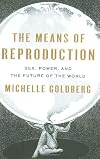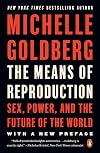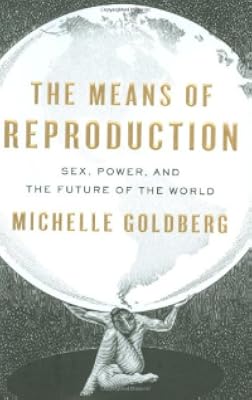
The Means of Reproduction: Sex, Power, and the Future of the World
by Michelle Goldberg
On This Page
Description
Investigative journalist Michelle Goldberg exposes the global war on women's reproductive rights and its disastrous and unreported consequences for the future of global development. Women's rights are often treated as mere appendages to great questions of war, peace, poverty, and economic development. But as networks of religious fundamentalists, feminists, and bureaucrats struggle to remake sexual and childbearing norms worldwide, the battle to control women's bodies has become a show more high-stakes enterprise, with the United States often supporting the most reactionary forces. Goldberg shows how the emancipation of women has become the key human rights struggle of the 21st century. Empowering women is the key to retarding the progress of AIDS, curbing overpopulation, and helping the third world climb out of poverty, but attempts to improve women's status elicit fierce opposition from conservatives who see women's submission as key to their own national or religious identity.--From publisher description. show lessTags
Recommendations






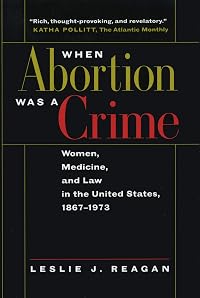
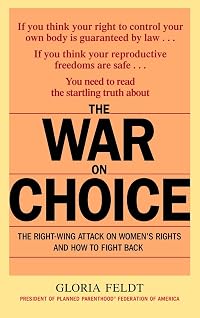
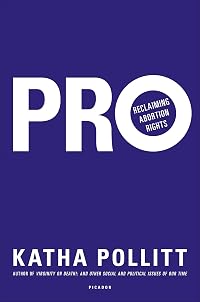
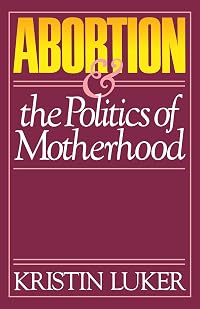




















Member Recommendations
Member Reviews
If you're a pro-choice feminist or just pro-reporoductive rights, this book will anger you beyond belief before you get to page 20. I'm trying to decide if I should keep reading. (Ed. note. I skimmed through the rest of the book and became even more outraged yet inspired. I think those women who are pro-life will also find the book upsetting because of the way patriarchal based governments and religions manipulate the ideas of women's fertility for their own ambitions.)
A thoroughly researched and highly informative look at the subjects of contraception, abortion, and women's reproductive rights on the global stage, and most particularly in the developing world. These issues, it turns out, are much more complex than the basic fundamentalists vs. liberals narrative that those of us here in the US tend to buy into, involving all kinds of tangled religious, cultural and political factors. Michelle Goldberg navigates us through all of them, and while her own emphatically pro-choice stance on the matter is clear, she never descends to the level of a political shouting match, instead keeping her prose calm and measured even when discussing things that I personally would have trouble not getting ranty about. show more In the end, she makes a very cogent and persuasive argument that, despite all obstacles, increasing freedoms for women is very much a win-win approach, rather than a choice between individual rights and the greater social good. show less
This book was a very interesting take on the international woman's right's movement. Most books I've read have focused the struggle on the US, but this book really brings into view the larger picture.
Goldberg starts by going into the history of the global reproductive rights movement, which really grew out of a desire to stem population growth back in the 1950s. The US was actually a large proponent of helping other countries to better plan their families, and so started funding for contraception, etc. I found it interesting (and sad) that by the time the right wing backlash occurred in the 1980s, family planning was something that many developing countries actively wanted, and when the US pulled funding, many clinics started closing show more down.
The book covers a lot more ground than just contraception and abortion access. Goldberg devotes a chapter to Female Genital Mutilation and the attempts to curb the practice. She also covers the skewed sex ratios in India and Asia, where more boys are born than girls due to selective abortion of females.
I like how Goldberg really brings together all aspects of the reproductive rights movement, and argues that without woman's empowerment, the population issue will never be solved. Women cannot effectively plan their families, stand up against FGM or stop the selective abortion of females if they don't have any agency. Goldberg also shows how birth rates actually increase (up to about replacement level) in countries where women have full rights and abilities to take paid maternal leave, which is something that countries such as Italy may want to take into account.
Another important issue is that when the US swings from right to left, women are affected worldwide. Whether or not you are pro-choice or anti-choice, woman's clinics close when the right wing comes to power. This affects women's ability to obtain pap smears, maternal care, and, yes, safe abortions. (Illegal abortions are still a huge killer of women globally.)
The only thing missing from the book, but understandably due to the scope, is a deeper look into the HIV/AIDS crisis and how it disproportionally affects women. Goldberg briefly covers it in the conclusion of the book.
Overall an excellent book for those who want to get a bigger picture of the global struggle for women's rights and reproductive freedom. show less
Goldberg starts by going into the history of the global reproductive rights movement, which really grew out of a desire to stem population growth back in the 1950s. The US was actually a large proponent of helping other countries to better plan their families, and so started funding for contraception, etc. I found it interesting (and sad) that by the time the right wing backlash occurred in the 1980s, family planning was something that many developing countries actively wanted, and when the US pulled funding, many clinics started closing show more down.
The book covers a lot more ground than just contraception and abortion access. Goldberg devotes a chapter to Female Genital Mutilation and the attempts to curb the practice. She also covers the skewed sex ratios in India and Asia, where more boys are born than girls due to selective abortion of females.
I like how Goldberg really brings together all aspects of the reproductive rights movement, and argues that without woman's empowerment, the population issue will never be solved. Women cannot effectively plan their families, stand up against FGM or stop the selective abortion of females if they don't have any agency. Goldberg also shows how birth rates actually increase (up to about replacement level) in countries where women have full rights and abilities to take paid maternal leave, which is something that countries such as Italy may want to take into account.
Another important issue is that when the US swings from right to left, women are affected worldwide. Whether or not you are pro-choice or anti-choice, woman's clinics close when the right wing comes to power. This affects women's ability to obtain pap smears, maternal care, and, yes, safe abortions. (Illegal abortions are still a huge killer of women globally.)
The only thing missing from the book, but understandably due to the scope, is a deeper look into the HIV/AIDS crisis and how it disproportionally affects women. Goldberg briefly covers it in the conclusion of the book.
Overall an excellent book for those who want to get a bigger picture of the global struggle for women's rights and reproductive freedom. show less
As the subtitle says "sex, power and the future of the world." Yikes! How do I sum that up in a couple of paragraphs? I can't. The best I can say is that Goldberg looks at the conflicts around the world between tradition and modernity that are being fought on the "terrain" of women's bodies. She connects many different trends and concerns and believes that women's rights will ultimately shape the future. She reasons that if women in the western world have brought about societal change, then women elsewhere can too--it is not simply a matter of the West imposing its value system everywhere. In every one of these trends and concerns, she pulls the topic apart and looks at it from different angles--it is clear that nothing is simple. All show more her statistics and claims are supported and referenced.
Some of the topics she covers include: reproductive rights and access to safe abortions (65,000 - 70,000 women die annually because of botched abortions). She goes into great depth about the history and developments of the global family planning movement (I had no idea that in the 1960s the Catholic church performed an extensive study on birth control and the panel recommended its approval--the recommendation was denied by a very small uber-conservative group of Vatican officials and the reason for denying it had nothing to do with the findings of report, or reason, but had everything to do with power and politics.)
Other chapters cover female genital mutilation (again, more complex an issue than I'd read previously) and infant sex selection in Asia and the ramifications for societies with an unbalanced female-to-male ratio. She also touches on the AIDS epidemic in Africa, which was fascinating but too short. And she talks about a whole pile of other interesting stuff too.
Recommended for: Everyone. This was an informative, enlightening read.
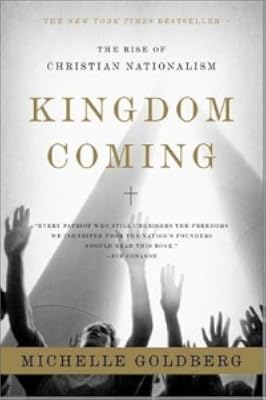
Why I Read This Now: saw it at the bookshop, and as I loved the same author's Kingdom Coming last year, I bought it and read it right away. show less
Some of the topics she covers include: reproductive rights and access to safe abortions (65,000 - 70,000 women die annually because of botched abortions). She goes into great depth about the history and developments of the global family planning movement (I had no idea that in the 1960s the Catholic church performed an extensive study on birth control and the panel recommended its approval--the recommendation was denied by a very small uber-conservative group of Vatican officials and the reason for denying it had nothing to do with the findings of report, or reason, but had everything to do with power and politics.)
Other chapters cover female genital mutilation (again, more complex an issue than I'd read previously) and infant sex selection in Asia and the ramifications for societies with an unbalanced female-to-male ratio. She also touches on the AIDS epidemic in Africa, which was fascinating but too short. And she talks about a whole pile of other interesting stuff too.
Recommended for: Everyone. This was an informative, enlightening read.
Why I Read This Now: saw it at the bookshop, and as I loved the same author's Kingdom Coming last year, I bought it and read it right away. show less
Strange as it may seem supporting individual women economically and allowing them to control their fertility works both to decrease overpopulation in developing countries and encourage reproduction in developed countries that face declines in their native population. Also as strange as it might seem supposed "pro-life" laws that criminalize abortion work to end the lives of thousands of women who subject themselves to illegal abortions. Unfortunately it is not surprising that conservatives in various religions and countries work against the interests of their countries when they enforce laws to restrict the reproductive lives of women in order to maintain a culture of patriarchy.
I recommend this book to anyone wanting to understand the show more politics of sex throughout the world. show less
I recommend this book to anyone wanting to understand the show more politics of sex throughout the world. show less
This is a very informative and well-written book. The author looks at the spread of contraception and abortion worldwide as well as a number of issues related to birth control. Although the countries examined include India, Bangladesh, Nicaragua, and Sierra Leone, the initial push for population control came from the U.S and the West. Goldberg interviewed many people and has stories from top policymakers, grassroots local activists and ordinary women affected by changing policies and social conditions. She presents a nuanced view of the issues covered. Highly recommended.
If there was one criticism about this book, it was that it jumped around a bit. The opening chapter discusses the abortion ban in Nicaragua, the history that led up to show more the ban and views from both sides of the debate. Then the author moves into the background of the family planning/population control movement worldwide. For the most part, this is the overarching narrative but Goldberg takes side detours to look at female circumcision, India’s skewed birth ratios, the European birth decline and the AIDs epidemic. However, pretty much everything is interesting and well-researched so I didn’t mind.
The initial push for population control was framed as a national security issue – visions of hordes of angry, poor, non-white people becoming Communists. In the early days, there was broad popular and political support for the initiative. As will be seen throughout the book – resistance arises from the left and the right. Goldberg discusses a number of influential people – the man who developed an easy to use abortion device, Margaret Sanger, John D. Rockefeller III, Reimert Ravenholt – a scientist who eventually gained a political position and aggressively pushed birth control. The flaws in both arguments and approaches are covered – Goldberg notes that Sanger made some racist-sounding arguments to appeal to the right and Ravenholt was a polarizing figure, both for his sometimes sexist behavior and his ignorance to real-world conditions of the women he was trying to help. While many problems in this initial push are noted, Goldberg catches the giddy excitement of the people in it who truly believed they were helping to change the world and had an inventive anything-goes mentality. A movement gradually springs up where women’s rights come to the forefront. This argument is developed through the whole book – when women have more rights and are more valued, they tend to have smaller families and the overall welfare of daughters goes up.
This way of thinking finally becomes enshrined in some of the UN goal statements. Goldberg charts the opposition on both the left and the right. The Catholic Church is a prominent critic of birth control and abortion as might be expected but in the early days, a conference was convened that came out pro-birth control. This position was ignored in the Church hierarchy and that has continued. Arguments on the left focus on the idea that population control is another form of imperialism. Some of these arguments influenced the movement – the feminist ideas of pushing for equality along with providing birth control came out of criticism of the one-size-fits-all, population goals, ends-justifies-means initial mentality.
The author is clearly critical of US administrations that put religious beliefs and conservative ideas of women as only wives and mothers above the realities seen on the ground. She provides evidence of how some of these policies were harmful and unrealistic. I suppose some might complain that she takes cheap shots by describing how the Catholic Church allied with Iran to oppose UN actions or how she describes some of the speakers at their planned pro-family anti-birth control conferences – one who was pretty anti-Semitic, one who supported beating one’s wife (Goldberg notes with a straight face that his apologists said he only suggested doing it as a last resort and not too hard) but I felt that the author had shown the flaws in a number of people on both sides of the argument and she spends more time showing the false basis of this side’s beliefs. While the UN directives don’t affect the lives of Americans, some in other countries have directly appealed to the UN and won their cases. Since the US is the largest donor country, administrations there can have an outsize effect as is clearly shown – America is almost bipolar on the issue, depending which group is in power.
The chapters on issues were also very fascinating and again showed the effects of both local movements and worldwide policies. Goldberg emphasizes that a one size fits all approach like Ravenholt promoted isn’t effective but that Western money, organization and initiatives are important in supporting the local movements. I was familiar with some of the issues she mentions – female circumcision and European declining birth rates – but I did learn a good deal in the chapters.
She discusses beliefs on both sides of the female circumcision movement which I’d heard before but also the development and spread of female circumcision as well as initial European reactions. The author interviewed a woman who had been cut herself and she described the initiation ceremony. Goldberg comes out with a moderate message – shouldn’t be done to children, but if women choose it for themselves, it should be accepted. However, as she notes, there are cultural pressures even for adults. I had read about some of the reasons for the birth decline in Europe as well as the contrast between the French/Scandinavian systems and the Spanish/Italian systems with America as an outlier. The author goes into more detail on the oddities of the American system – she mentions the high teenage birth rate and cheap childcare as reasons for the higher birth rate as well as the instability or flexibility of the job market. She also covers the situation in Germany – I would have thought that would be similar to France/Scandinavia but cultural and policy reasons have it closer to Spain/Italy/Poland. Goldberg occasionally suggests solutions but even she seems to find the Indian sex selection problem intractable. She again provides a detailed, nuanced look at the situation. show less
If there was one criticism about this book, it was that it jumped around a bit. The opening chapter discusses the abortion ban in Nicaragua, the history that led up to show more the ban and views from both sides of the debate. Then the author moves into the background of the family planning/population control movement worldwide. For the most part, this is the overarching narrative but Goldberg takes side detours to look at female circumcision, India’s skewed birth ratios, the European birth decline and the AIDs epidemic. However, pretty much everything is interesting and well-researched so I didn’t mind.
The initial push for population control was framed as a national security issue – visions of hordes of angry, poor, non-white people becoming Communists. In the early days, there was broad popular and political support for the initiative. As will be seen throughout the book – resistance arises from the left and the right. Goldberg discusses a number of influential people – the man who developed an easy to use abortion device, Margaret Sanger, John D. Rockefeller III, Reimert Ravenholt – a scientist who eventually gained a political position and aggressively pushed birth control. The flaws in both arguments and approaches are covered – Goldberg notes that Sanger made some racist-sounding arguments to appeal to the right and Ravenholt was a polarizing figure, both for his sometimes sexist behavior and his ignorance to real-world conditions of the women he was trying to help. While many problems in this initial push are noted, Goldberg catches the giddy excitement of the people in it who truly believed they were helping to change the world and had an inventive anything-goes mentality. A movement gradually springs up where women’s rights come to the forefront. This argument is developed through the whole book – when women have more rights and are more valued, they tend to have smaller families and the overall welfare of daughters goes up.
This way of thinking finally becomes enshrined in some of the UN goal statements. Goldberg charts the opposition on both the left and the right. The Catholic Church is a prominent critic of birth control and abortion as might be expected but in the early days, a conference was convened that came out pro-birth control. This position was ignored in the Church hierarchy and that has continued. Arguments on the left focus on the idea that population control is another form of imperialism. Some of these arguments influenced the movement – the feminist ideas of pushing for equality along with providing birth control came out of criticism of the one-size-fits-all, population goals, ends-justifies-means initial mentality.
The author is clearly critical of US administrations that put religious beliefs and conservative ideas of women as only wives and mothers above the realities seen on the ground. She provides evidence of how some of these policies were harmful and unrealistic. I suppose some might complain that she takes cheap shots by describing how the Catholic Church allied with Iran to oppose UN actions or how she describes some of the speakers at their planned pro-family anti-birth control conferences – one who was pretty anti-Semitic, one who supported beating one’s wife (Goldberg notes with a straight face that his apologists said he only suggested doing it as a last resort and not too hard) but I felt that the author had shown the flaws in a number of people on both sides of the argument and she spends more time showing the false basis of this side’s beliefs. While the UN directives don’t affect the lives of Americans, some in other countries have directly appealed to the UN and won their cases. Since the US is the largest donor country, administrations there can have an outsize effect as is clearly shown – America is almost bipolar on the issue, depending which group is in power.
The chapters on issues were also very fascinating and again showed the effects of both local movements and worldwide policies. Goldberg emphasizes that a one size fits all approach like Ravenholt promoted isn’t effective but that Western money, organization and initiatives are important in supporting the local movements. I was familiar with some of the issues she mentions – female circumcision and European declining birth rates – but I did learn a good deal in the chapters.
She discusses beliefs on both sides of the female circumcision movement which I’d heard before but also the development and spread of female circumcision as well as initial European reactions. The author interviewed a woman who had been cut herself and she described the initiation ceremony. Goldberg comes out with a moderate message – shouldn’t be done to children, but if women choose it for themselves, it should be accepted. However, as she notes, there are cultural pressures even for adults. I had read about some of the reasons for the birth decline in Europe as well as the contrast between the French/Scandinavian systems and the Spanish/Italian systems with America as an outlier. The author goes into more detail on the oddities of the American system – she mentions the high teenage birth rate and cheap childcare as reasons for the higher birth rate as well as the instability or flexibility of the job market. She also covers the situation in Germany – I would have thought that would be similar to France/Scandinavia but cultural and policy reasons have it closer to Spain/Italy/Poland. Goldberg occasionally suggests solutions but even she seems to find the Indian sex selection problem intractable. She again provides a detailed, nuanced look at the situation. show less
This book covers reproductive rights throughout the world and covers very, very complicated issues related to it: the problems of population growth/decline, how women and their sexuality are viewed in different societies, education, and women as financial burdens (in India, girls are not as desirable because their parents must pay increasingly expensive dowries to the groom's family when their daughters marry). It was interesting to see how all of these different issues affected ideas about reproduction. I thought the first half of the book moved along pretty well, but the rest of it seemed disorganized and was harder for me to get through.
Members
- Recently Added By
Lists

Penguin Random House
458 works; 4 members

Books Read in 2012
816 works; 33 members
Author Information

4+ Works 962 Members
Awards and Honors
Awards
Work Relationships
Common Knowledge
- Canonical title
- The Means of Reproduction: Sex, Power, and the Future of the World
- Original publication date
- 2009
Classifications
- Genres
- Nonfiction, Sexuality and Gender Studies, General Nonfiction
- DDC/MDS
- 363.46091724 — Society, government, & culture Social problems and social services Public Safety - Police, Crime Investigation Abortion
- LCC
- HQ766.5 .D44 .G65 — Social sciences The family. Marriage, Women and Sexuality The Family. Marriage. Women The family. Marriage. Home Family size
- BISAC
Statistics
- Members
- 272
- Popularity
- 118,671
- Reviews
- 10
- Rating
- (4.17)
- Languages
- English, Polish
- Media
- Paper, Ebook
- ISBNs
- 5
- ASINs
- 4