On This Page
Description
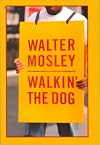
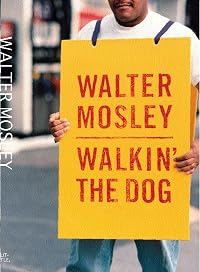
Fiction. Mystery. Short Stories. Socrates Fortlow, an ex-convict forced to define his own morality in a lawless world, confronts wrongs that most people would rather ignore and comes face-to-face with the most dangerous emotion: hope. It has been nine years since his release from prison, and he still makes his home in a two-room shack in a Watts alley. But he has a girlfriend now, a steady job, and he is even caring for a pet, the two-legged dog he calls Killer. These responsibilities make show more finding the right path even harder - especially when the police make Socrates their first suspect in every crime within six blocks.—BOOK JACKET. "In each chapter of Walkin' the Dog, Socrates challenges a different conundrum of modern life. In "Blue Lightning, " he is offered a better-paying job but has to consider whether the extra pay is worth the freedom he would have to give up. In "Promise, " he keeps a vow made long ago to a dying friend, and learns that a promise to one person can mean damage to another. In "Mookie Kid, " he gets a telephone and,learns that the price of being able to reach others is that others can contact him - whether he wants to be reached or not."—BOOK JACKET. "Walkin' the Dog builds to a stunning climax as Socrates takes on a rogue cop who has terrorized his neighborhood."—BOOK JACKET. show lessTags
Recommendations




Member Recommendations
Member Reviews
Socrates has returned in another collection of thoughtful vignettes about the ex-con in Los Angeles. Introduced in [b:Always Outnumbered, Always Outgunned|84557|Always Outnumbered, Always Outgunned|Walter Mosley|https://i.gr-assets.com/images/S/compressed.photo.goodreads.com/books/1348622123l/84557._SY75_.jpg|81620], in this collection, Mosley further explores the intimacies of Socrates' relationships, including the details about how Socrates ended up in prison for murder.
“They can lock up your body,” the purple man said. “But your mind is yours even if you don't want it.”
The blurb mentions something about Ralph Ellison's Invisible Man, but if anything, Socrates as a Black ex-con is far too visible, particularly with his size. show more He knows too well that if any trouble goes down, he'll be the first the police come to, a point made all too clear when a dead body is found nearby in a vacant lot. That is one of the threads that ties many of these stories together.
"The policeman, the salesman in the store, the newspaperman or TV anchor, Socrates didn't trust any one of them. He knew that their jobs were to hold him down and rob him, and then afterward to tell him lies about what had really gone down. It was a crazy thought, he told himself, but then he'd say, “But not as crazy as this world,” and then he'd laugh."
Actually the writing and storytelling style brought back recollections of The Nick Adams Stories by Hemingway. The scenes are evocative, without a lot of context or helpful inner dialogue, so it is more of an experiential journey with much of the conflict centered around ethical dilemmas or life experiences, such as the homeless person living in the lot nearby.
Unsurprisingly, there's a lot of hard living in this world, but there are also moments of joy, altruism, and hope that make it a much easier read than I expected.
“But not everybody could hear it. Some dope fiends too high an' some mens hatin' too hard. Sometimes the angel is that much too late and his song becomes a funeral hymn.”
I think I found the first book more powerful, but this was still interesting and occasionally profound, without feeling preachy. Mosley is such a powerful writer. Recommended.
“Yeah, well,” Marty said as he swerved past a red Bonneville that had loud bass music playing out of its open trunk. “I guess you can't beat that.” “Yeah,” Socrates said, not really agreeing.
show less
“They can lock up your body,” the purple man said. “But your mind is yours even if you don't want it.”
The blurb mentions something about Ralph Ellison's Invisible Man, but if anything, Socrates as a Black ex-con is far too visible, particularly with his size. show more He knows too well that if any trouble goes down, he'll be the first the police come to, a point made all too clear when a dead body is found nearby in a vacant lot. That is one of the threads that ties many of these stories together.
"The policeman, the salesman in the store, the newspaperman or TV anchor, Socrates didn't trust any one of them. He knew that their jobs were to hold him down and rob him, and then afterward to tell him lies about what had really gone down. It was a crazy thought, he told himself, but then he'd say, “But not as crazy as this world,” and then he'd laugh."
Actually the writing and storytelling style brought back recollections of The Nick Adams Stories by Hemingway. The scenes are evocative, without a lot of context or helpful inner dialogue, so it is more of an experiential journey with much of the conflict centered around ethical dilemmas or life experiences, such as the homeless person living in the lot nearby.
Unsurprisingly, there's a lot of hard living in this world, but there are also moments of joy, altruism, and hope that make it a much easier read than I expected.
“But not everybody could hear it. Some dope fiends too high an' some mens hatin' too hard. Sometimes the angel is that much too late and his song becomes a funeral hymn.”
I think I found the first book more powerful, but this was still interesting and occasionally profound, without feeling preachy. Mosley is such a powerful writer. Recommended.
“Yeah, well,” Marty said as he swerved past a red Bonneville that had loud bass music playing out of its open trunk. “I guess you can't beat that.” “Yeah,” Socrates said, not really agreeing.
show less
I used to see Walter Mosley's books cross the my circulation desk all the time in Fayetteville, NC. The librarian said he wrote about urban characters in tough situations. That didn't strike a chord with me back then, so I dismissed his writing. A few weeks ago, a different library I go to as a customer had Walkin' the Dog on a display. Tough urban folks sounded like a needed departure from my everyday experience. It was hard to read, because Socrates is angry, and with good reason. There is ugliness and cruelty in the world Mosley describes, but also kindness and beauty. I'm going to find more of Walter Mosley's books.
Be aware that there is subject matter and language that make this book quite inappropriate for children. For teens, a show more parent should definitely screen first. show less
Be aware that there is subject matter and language that make this book quite inappropriate for children. For teens, a show more parent should definitely screen first. show less
‘Walkin’ the Dog’ is the follow up to Walter Mosley’s excellent ‘Always Outnumbered, Always Outnumbered’ and it’s more of the same. That might sound like a criticism, but if you’ve read my review of the first Socrates Fortlow book you’ll know it’s high praise.
Like that book, this is a series of connected short stories about the life of a black ex-con trying to make a life for himself in Los Angeles. Also like the first book, it’s gripping, powerful, moving and deeply political. Fortlow is an amazing character, and spending more time in his company is an absolute delight. He’s determined, wise and filled with righteous rage.
I don’t know if it is the short story format that makes the difference, or Fortlow show more himself, but I definitely prefer these books to Mosley’s better known Easy Rawlins series. The tales in this volume have both punch and emotion, and allow Mosley to focus on character and place rather than worrying so much about plot. That’s not to say the story-telling isn’t great though, and the threads that run through the stories bind them together as a cohesive whole.
The dog of the title is one of those threads, and Fortlow’s care for it is touching, The implications of his actions also adds some real tension in one of the stories. More than anything though, these stories are about the day to day struggles of the underprivileged in modern America. Mosley’s writing is fierce and impassioned. His depiction of impoverished LA leaps off the page and Fortlow and his companions are memorable and as real as any fictional characters I’ve read. That adds up to another amazingly satisfying book. For me it cements Walter Mosley as being in the top tier of crime writers, someone who writes about the mystery of the human condition, rather than just churning out whodunnits. show less
Like that book, this is a series of connected short stories about the life of a black ex-con trying to make a life for himself in Los Angeles. Also like the first book, it’s gripping, powerful, moving and deeply political. Fortlow is an amazing character, and spending more time in his company is an absolute delight. He’s determined, wise and filled with righteous rage.
I don’t know if it is the short story format that makes the difference, or Fortlow show more himself, but I definitely prefer these books to Mosley’s better known Easy Rawlins series. The tales in this volume have both punch and emotion, and allow Mosley to focus on character and place rather than worrying so much about plot. That’s not to say the story-telling isn’t great though, and the threads that run through the stories bind them together as a cohesive whole.
The dog of the title is one of those threads, and Fortlow’s care for it is touching, The implications of his actions also adds some real tension in one of the stories. More than anything though, these stories are about the day to day struggles of the underprivileged in modern America. Mosley’s writing is fierce and impassioned. His depiction of impoverished LA leaps off the page and Fortlow and his companions are memorable and as real as any fictional characters I’ve read. That adds up to another amazingly satisfying book. For me it cements Walter Mosley as being in the top tier of crime writers, someone who writes about the mystery of the human condition, rather than just churning out whodunnits. show less
Six years after being released from prison where he served 27 years for murder, Socrates Fortlow is living in an unofficial apartment with no true address, in a space between two abandoned buildings. He has a minimum wage job, a two-legged dog, and one or two friends. The police keep him in mind whenever there is a crime of any sort in his neighborhood; despite his efforts to live clean, the label of "murderer" is a permanent tattoo on his existence. Socrates, whom we met first in Always Outnumbered, Always Outgunned, has no fear of pain, death or jail, but he does have strange disturbing dreams. He trusts no one but himself, and wants very little from life. He does, however, want to sort out his conscience, get a grip on what freedom show more means, and go forward doing "right" as he sees it. This novel is episodic, philosophical and strangely hopeful. Highly recommended. show less
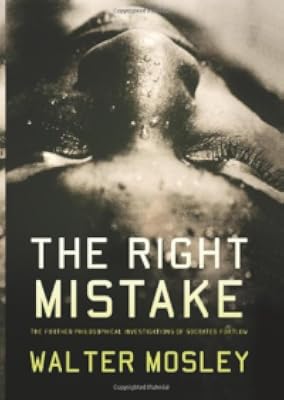
More Socrates, please. Last one, The Right Mistake: The Further Philosophical Investigations of Socrates Fortlow, to go. I hang on this ex-con's words — who would've dreamed that I'd do so — like young Darryl that he fathers over, always wondering how he'll react or respond. I'm also looking forward to The Last Days of Ptolemy Grey. Really good stuff.
"She was staring out at the same street that Socrates was watching but he still wondered what it was that she saw. He knew that Luvia lived in a completely different world than he did. Maybe the world she saw had different colors; maybe there were truths revealed to her scrutiny that Socrates missed."
"She was staring out at the same street that Socrates was watching but he still wondered what it was that she saw. He knew that Luvia lived in a completely different world than he did. Maybe the world she saw had different colors; maybe there were truths revealed to her scrutiny that Socrates missed."
The simplistic form of language Mosley employs can be irritating and off-putting at times, but at its best it also adds a tense power that is stylistically unique. And you care about Socrates Fortlow, about his crimes, his anger, his redemption.
An honest, unflinching attempt to acknowledge and confront black experience in America, along with broader questions of identity and what makes us who we are--whether white, black, or mexican, criminal or cop.
An outstanding contemporary tale.
An honest, unflinching attempt to acknowledge and confront black experience in America, along with broader questions of identity and what makes us who we are--whether white, black, or mexican, criminal or cop.
An outstanding contemporary tale.
Socrates Fortlaw becomes a little more human and a little less of an archetype in the second book featuring this character. Well done, but not as gripping as Always Outnumbered Always Outgunned.
Members
- Recently Added By
Author Information

106+ Works 26,732 Members
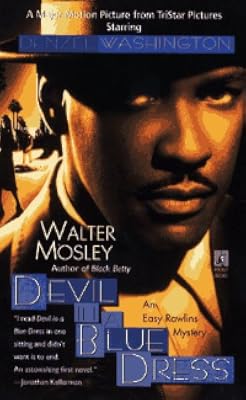
Walter Mosley was born in Los Angeles, California on January 12, 1952. He graduated from Johnson State College in Vermont. His first book, Devil in a Blue Dress, was published in 1990, won a John Creasy Award for best first novel, and was made into a motion picture starring Denzel Washington in 1995. He is the author of the Easy Rawlins Mystery show more series, the Leonid McGill Mystery series, and the Fearless Jones series. His other works include Always Outnumbered, Always Outgunned, 47, Last Days of Ptolemy Grey, and Twelve Steps toward Political Revelation. He has received numerous awards, including an O. Henry Award, the Carl Brandon Society Parallax Award, and PEN America's Lifetime Achievement Award. (Bowker Author Biography) Walter Mosley is the author of the acclaimed Easy Rawlins series of mysteries, the novels "Blue Light" and "RL's Dream", and two collections of stories featuring Socrates Fortlow, "Always Outnumbered", "Always Outgunned", for which he received the Anisfield-Wolf Award, and "Walkin' the Dog". He is a member of the board of directors of the National Book Awards and the founder of the PEN American Center's Open Book Committee. At various times in his life he has been a potter, a computer programmer, & a poet. He was born in Los Angeles & now lives in New York. (Publisher Provided) show less
Some Editions
Awards and Honors
Distinctions
Series

Common Knowledge
- Canonical title*
- Socrates' Welt
- People/Characters
- Socrates Fortlow
*Some information comes from Common Knowledge in other languages. Click "Edit" for more information.
Classifications
Statistics
- Members
- 514
- Popularity
- 58,564
- Reviews
- 7
- Rating
- (3.92)
- Languages
- English, German, Portuguese (Portugal)
- Media
- Paper, Audiobook, Ebook
- ISBNs
- 17
- UPCs
- 1
- ASINs
- 4