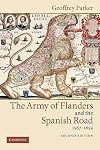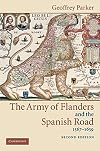
The Army of Flanders and the Spanish Road, 1567-1659: The Logistics of Spanish Victory and Defeat in the Low Countries' Wars
by Geoffrey Parker
On This Page
Description
The publication of The Army of Flanders and the Spanish Road in 1972 marked the birth of the 'new military history', which emphasized military organization - mobilization, pay, supply, morale and, above all, logistics - rather than military 'events' such as sieges and battles. Geoffrey Parker studied one of the great logistical feats of early modern Europe: how Habsburg Spain managed to maintain and mobilize the largest army in Europe in an 80-year effort to suppress the Dutch Revolt, at 700 show more miles' distance. Using a unique combination of surviving records, he presented strikingly the logistical problems of fighting wars in early modern Europe, and demonstrated why Spain failed to suppress the Dutch Revolt. The book has been constantly cited since its first publication in English (with translations into Spanish and Dutch). This revised second edition includes some new sources and updates some references but otherwise remains faithful to the original version. show lessTags
Recommendations




















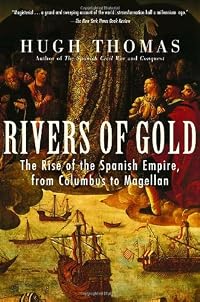



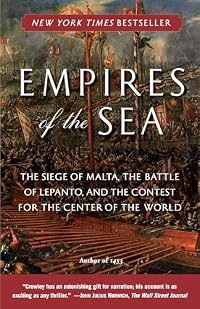









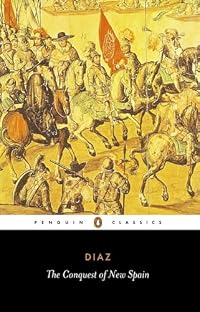










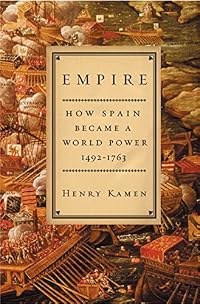


Member Recommendations

Member Reviews
This is deservedly a classic.
A tip, though, for those who, like me, could use a refresher on the narrative history before tackling the logistical meat of Parker's study: read the conclusion first, as it does contain a brief account of the course of the wars fought by the Army of Flanders during the period covered.
A tip, though, for those who, like me, could use a refresher on the narrative history before tackling the logistical meat of Parker's study: read the conclusion first, as it does contain a brief account of the course of the wars fought by the Army of Flanders during the period covered.
Excelente libro que proporciona una visión de porqué se perdieron los Paises Bajos a través de un magnífico análisis de como era el ejército español que luchaba a miles de kilómetros. Quienes lo formaban, como se reclutaban, como era la cadena de mando, como vestían y se alimentaban, como los pagaban, que comportamiento tenían con los naturales, porque se amotinaban con tanta frecuencia, contra quien luchaban y donde, como estaban armados.....etc, son preguntas que encuentran respuesta en esta obra. Un análisis que excede de los hechos y se traslada al dia a dia en un interminable conflicto de ochenta años.
Sep 9, 2019Catalan
¿Por qué la España de los Habsburgo, el estado más rico y poderoso de Europa, fracasó en su intento de dominar la revuelta holandesa? ¿Cuáles fueron los objetivos y el programa político de España en los Países Bajos después de 1567? ¿Cómo procuró realizarl0? ¿Por qué no lo consiguió?
Jan 23, 2023Spanish
Biblioteca Historia de España. Ilustraciones en b/n.
Encuadernación en tapa dura de editorial ilustrada. Cinta de lectura.
Nuevo
Encuadernación en tapa dura de editorial ilustrada. Cinta de lectura.
Nuevo
May 1, 2024Spanish
Ratings
Members
- Recently Added By
Lists

Bibliography of How the Old World Ended by Jonathan Scott
308 works; 1 member
Author Information

38+ Works 3,967 Members
Geoffrey Parker is the author or editor of more than twenty-five books. He is Andreas Dorpelan Professor of History at Ohio State University. (Bowker Author Biography)
Series
Belongs to Publisher Series
Common Knowledge
- Canonical title
- The Army of Flanders and the Spanish Road, 1567-1659: The Logistics of Spanish Victory and Defeat in the Low Countries' Wars
- People/Characters
- Philip II, King of Spain; Philip III, King of Spain; Philip IV of Spain; Ambrogio Spinola, 1st Marquis of the Balbases
Classifications
- Genres
- History, Nonfiction, General Nonfiction
- DDC/MDS
- 949.203 — History & geography History of Europe Greece, Albania, Yugoslavia, Serbia, Romania, Bulgaria Netherlands
- LCC
- DH186.5 — History of Europe, Asia, Africa and Oceania Low Countries – Benelux Countries History of Low Countries. Benelux Countries History By period Wars of Independence, 1555-1648
- BISAC
Statistics
- Members
- 164
- Popularity
- 199,058
- Reviews
- 4
- Rating
- (4.30)
- Languages
- Dutch, English, Spanish
- Media
- Paper
- ISBNs
- 9
- ASINs
- 1