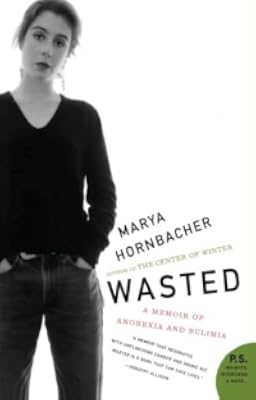
Wasted
by Marya Hornbacher
On This Page
Description
A classic of psychology and eating disorders, now reissued with an important and perhaps controversial new afterword by the author, Wasted is New York Times bestselling author Marya Hornbacher's highly acclaimed memoir that chronicles her battle with anorexia and bulimia. Vivid, honest, and emotionally wrenching, Wasted is the story of how Marya Hornbacher willingly embraced hunger, drugs, sex, and death-until a particularly horrifying bout with anorexia and bulimia in college forever ended show more the romance of wasting away. In this updated edition, Hornbacher, an authority in the field of eating disorders, argues that recovery is not only possible, it is necessary. But the journey is not easy or guaranteed. With a new ending to her story that adds a contemporary edge, Wasted continues to be timely and relevant. show lessTags
Recommendations



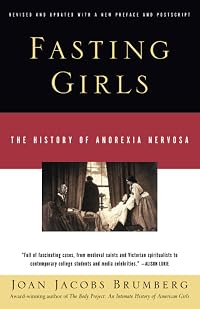
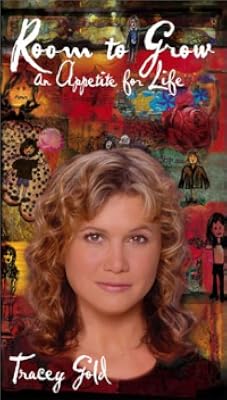
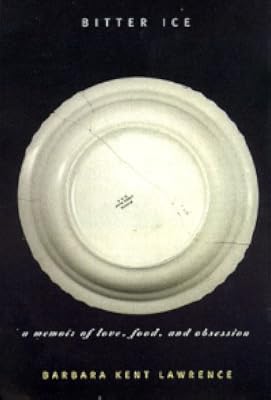
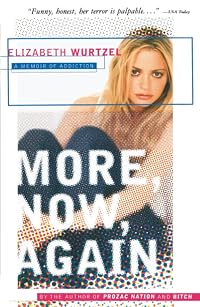
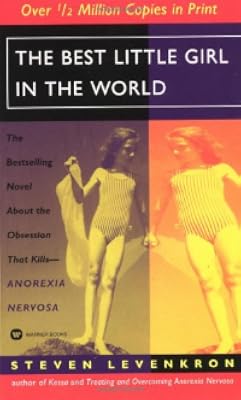
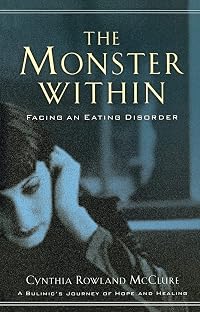
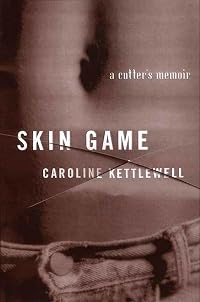
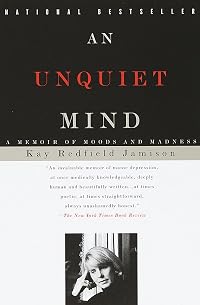
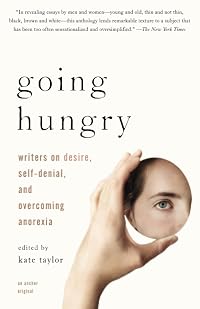
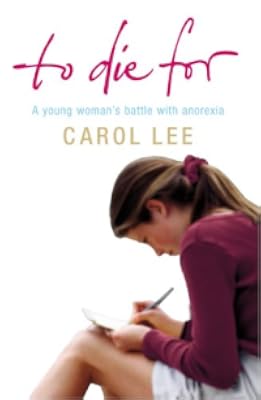
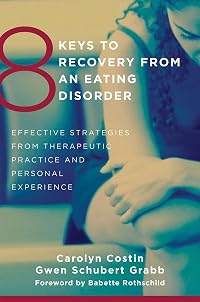
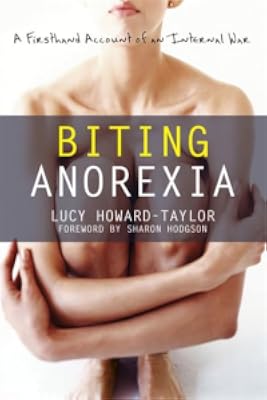
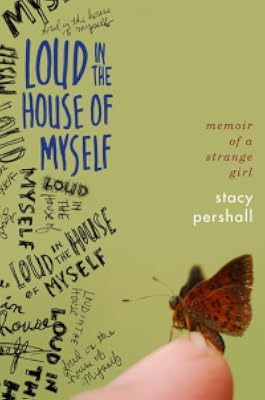
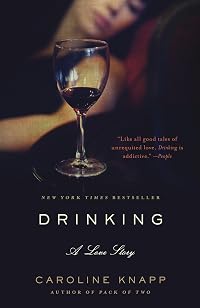
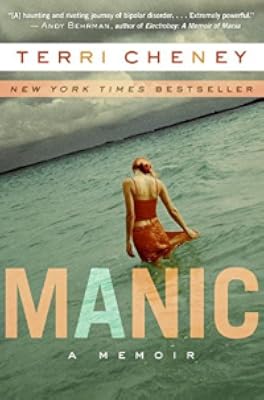
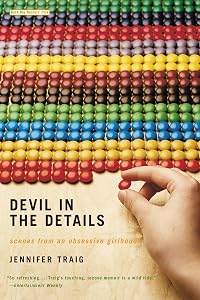
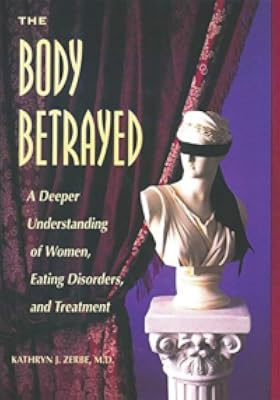
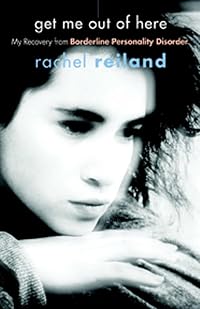
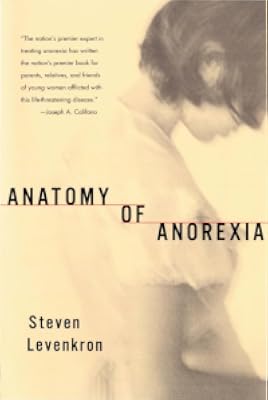
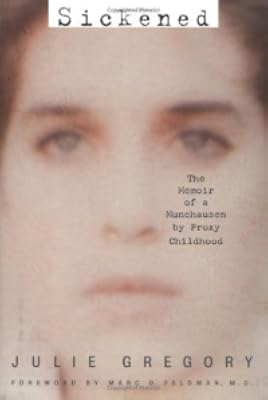
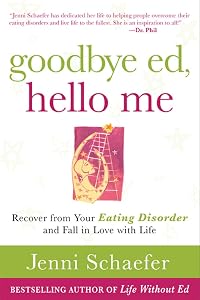
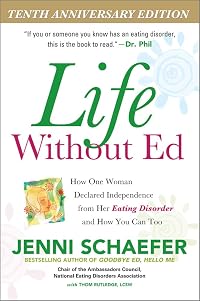
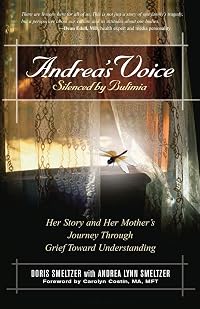

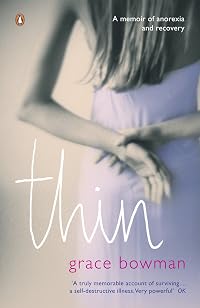

Member Recommendations

Skinny by Ibi Kaslik
by Kerian
Member Reviews
This book should be read by every grade school girl and every woman in Western civilization, if not the world. Along with being very well written, it is a haunting critique on the ramifications of our culture's idea of beauty. It's the memoir of a woman (the author) who dealt with bulimia and anorexia for 15 years of her life. And yet this book reflects the majority of women, regardless of whether they have eating disorders or not. Hornbacher constantly refers to the fact that most women in our culture are obsessed with their weight, that the paragon of cultural beauty is found in a body that is prepubescent at best, and that society expects women to be something that is unrealistic if not distinctly unhealthy. It will scare you, how show more much of yourself you see in this novel. An absolutely amazing, striking, and tragic memoir. show less
This was recommended in the goodreads review section of a fiction book that mocked people with eating disorders and was praised by Roxane Gay. Many people recovering from eating disorders understandably were deeply offended, and one of them recommended this memoir instead. Memoirs aren't my thing, and me giving three stars is common. Five stars for this actual content. Three stars for the way it was edited. The book could have been a hundred pages shorter, or even more, and lost nothing. The style took some getting used to. It switched back and forth between past and present without warning. It switched between first and -second- person -within the same paragraph- so often that I came to expect it. At first, I had a hard time show more interpreting whether she used "you" royally to confer a sense of immediacy or intimacy, or if it was herself in second person trying to distance herself from her body and choices around it in a way that's consistent with her state. Often, it was both. This is both a memoir and a social commentary, and the two are weaved together so tightly that it can be...a lot at times.
Hornbacher is bipolar. Someone asked if I'd read her memoir about it, and I said no. I have the same thing. I don't need to read about it. I've been stable on medication for awhile, but am fully aware of what I'm like off of it. This is a book about eating disorders and has a few pages dedicated to treatment. It's also inseparable from her experiences with bipolar disorder, such to the point that sometimes I felt like I -was- reading a memoir about bipolar disorder before she was medicated. But eating disorders; I don't have one that I know of. So I read this. I learned a lot. I'm glad Hornbacher was so willing to share so much of her life, especially with all the gritty details. I've never seen a fiction book handle this topic with such respect nor gravity, and I wish those authors would read this memoir first. Highly, highly recommended. show less
Hornbacher is bipolar. Someone asked if I'd read her memoir about it, and I said no. I have the same thing. I don't need to read about it. I've been stable on medication for awhile, but am fully aware of what I'm like off of it. This is a book about eating disorders and has a few pages dedicated to treatment. It's also inseparable from her experiences with bipolar disorder, such to the point that sometimes I felt like I -was- reading a memoir about bipolar disorder before she was medicated. But eating disorders; I don't have one that I know of. So I read this. I learned a lot. I'm glad Hornbacher was so willing to share so much of her life, especially with all the gritty details. I've never seen a fiction book handle this topic with such respect nor gravity, and I wish those authors would read this memoir first. Highly, highly recommended. show less
This was an incredibly difficult book to read.
On the surface, that seems obvious. Reading the experience of a woman living with bulima, anorexia, and a plethora of other mental health issues, is going to be a difficult read. But that's not what I mean.
Hornbacher wrote this memior at age 23. She ends the book (I did not read the modern reprint with her "updated" ending) rather solemnly, admitting that she is not cured, there is no answer, and essentially she cannot give an ending. She wrote this only 4 years after her nearth-death experience, and only 3 years after her suicide attempt. This memoir was written by someone still deeply in the grip of the things that had led her to that point in her life.
So the uncomfortableness comes from show more the outsiders perspective. She insists, over and again, that she had a "normal", "good" childhood and that her eating disorder just appeared out of the blue from no where.
She then goes on to detail a childhood filled with emotional trauma, surrounded by family members with mental health and food issues of their own, and as the reader we find ourselves frustratingly yelling, "it's there! it's all there! I can see it happening to you as you're writing it but you cannot see it!" Near the end of the book she still refers to her family has relatively normal, just "messy". It feels like a kick in the gut.
I have not read Hornbacher's other books. I feel almost honor-bound to do so now, to not always have my memory of this author entrenched in her view of herself at 23-years-old. None of us deserve that. show less
On the surface, that seems obvious. Reading the experience of a woman living with bulima, anorexia, and a plethora of other mental health issues, is going to be a difficult read. But that's not what I mean.
Hornbacher wrote this memior at age 23. She ends the book (I did not read the modern reprint with her "updated" ending) rather solemnly, admitting that she is not cured, there is no answer, and essentially she cannot give an ending. She wrote this only 4 years after her nearth-death experience, and only 3 years after her suicide attempt. This memoir was written by someone still deeply in the grip of the things that had led her to that point in her life.
So the uncomfortableness comes from show more the outsiders perspective. She insists, over and again, that she had a "normal", "good" childhood and that her eating disorder just appeared out of the blue from no where.
She then goes on to detail a childhood filled with emotional trauma, surrounded by family members with mental health and food issues of their own, and as the reader we find ourselves frustratingly yelling, "it's there! it's all there! I can see it happening to you as you're writing it but you cannot see it!" Near the end of the book she still refers to her family has relatively normal, just "messy". It feels like a kick in the gut.
I have not read Hornbacher's other books. I feel almost honor-bound to do so now, to not always have my memory of this author entrenched in her view of herself at 23-years-old. None of us deserve that. show less
I really liked this. She has a great smartass style and just writes frankly about what anorexia and bulimia are like for her and what her life has been like. She started being bulimic at age 9. She acknowledges all the societal pressures on women and how abnormally most "normal" women eat, but also thinks there is something about her that responded to this. Her family is so much like mine, in their "stop acting like a child / why are you trying to act so grown up?" schizophrenia and their micro managing in some areas and deliberate blindness in others. I'm surprised in some ways that I didn't develop her kind of eating disorder but can see places where my life went in a different way.
A long time ago someone I know said of her eating show more disorders that she tells people who say they wish they could get anorexia and lose weight, "If you want to kill yourself, just use a gun, it's quicker." But I never understood what she meant or what it was like. This book made what it's like clear. For the first time I wasn't thinking "What's so bad about that? It would be great to have that kind of willpower" and could see it was something that had hold of her rather than something she was doing.
All that and she's funny, too. show less
A long time ago someone I know said of her eating show more disorders that she tells people who say they wish they could get anorexia and lose weight, "If you want to kill yourself, just use a gun, it's quicker." But I never understood what she meant or what it was like. This book made what it's like clear. For the first time I wasn't thinking "What's so bad about that? It would be great to have that kind of willpower" and could see it was something that had hold of her rather than something she was doing.
All that and she's funny, too. show less
This book continues to fascinate me long after I first read it. It is a curious mixture of bits and pieces. But what stands out to me is what a hugely anorexic book it is. It's focus is wholly on weight loss and accounts, pound by pound, the descent. The prose runs over the physical decline, the bones pushing out, the hair falling in the shower, the coldness, the numbness, the trembling bird like hands, the tiny limbs you can fit your thumb and finger round and on and on. But in between these periods of weight loss she must have, occaisionally, had periods of weight gain. These are mentioned really only in passing, the focus is on weight _loss_ and how _that_ feels. This misses key points of the experience of eating disorders, which is show more if you survive it, chances are you have to gain weight, you have to sit there and accept it. Hornbacher acknowledges that she gains weight but the epilogue is anorexia's last word - she is still skipping meals, exercising through the pain, passing out.
The book's narrative returns again and again to just how much she gets done. I felt at times I was reading a book written by anorexia itself - here I am winning scholarships, leaving home, swanning in and out of the doctor's office, nothing they can do, winning awards, going to a prestigious university, getting a great job, all on virtually no calories, no sleep and no slowing down. It is not of course that these things didn't happen, but that a memoir is a highly selective version of events, and this memoir shows a teenage girl winning it all - winning at school, winning awards, winning at anorexia. And anorexia being a disease that creates the desire for pain and depicting that pain, she's winning at that too, describing more than once the heart troubles, the bone deterioation. And of course, writing a book about it. She is now fixed in everyone's mind at 52 pounds.
It is a punchy and graphic memoir and there is good writing in there. Hornbacher knows how to write a cool sentence, to create some vivid imagery. But there is a holding back built into it, a restraint, an intellectual distance. When it seems to throw open the door and show you all the gory details, it still holds back, not just on weight gain, but on the boring side of eating disorders, the things you miss cause youre bingeing or you have binged and cant face it, or you feel too ill, youre too tired and hungry and feel too awful. The easy fun you miss, because your whole world is seen through a lens of "what have i eaten, how thin do i look?" The guilt. This memoir swings between mouthy descriptions of her life, of dashing about with her bones poking through, getting so much done, smart-arsed sex, drugs and literature; and bursts of analysis on the meaning of the anorexic body, why someone might play with death. But I was left still cold, not really knowing who Marya was, what she was like to hang out with, what she wanted (other than "thin" and "success", which are superficial desires), her best qualities and her worst. This memoir made the same mistake that bad therapists make - they make it all about food and weight. show less
The book's narrative returns again and again to just how much she gets done. I felt at times I was reading a book written by anorexia itself - here I am winning scholarships, leaving home, swanning in and out of the doctor's office, nothing they can do, winning awards, going to a prestigious university, getting a great job, all on virtually no calories, no sleep and no slowing down. It is not of course that these things didn't happen, but that a memoir is a highly selective version of events, and this memoir shows a teenage girl winning it all - winning at school, winning awards, winning at anorexia. And anorexia being a disease that creates the desire for pain and depicting that pain, she's winning at that too, describing more than once the heart troubles, the bone deterioation. And of course, writing a book about it. She is now fixed in everyone's mind at 52 pounds.
It is a punchy and graphic memoir and there is good writing in there. Hornbacher knows how to write a cool sentence, to create some vivid imagery. But there is a holding back built into it, a restraint, an intellectual distance. When it seems to throw open the door and show you all the gory details, it still holds back, not just on weight gain, but on the boring side of eating disorders, the things you miss cause youre bingeing or you have binged and cant face it, or you feel too ill, youre too tired and hungry and feel too awful. The easy fun you miss, because your whole world is seen through a lens of "what have i eaten, how thin do i look?" The guilt. This memoir swings between mouthy descriptions of her life, of dashing about with her bones poking through, getting so much done, smart-arsed sex, drugs and literature; and bursts of analysis on the meaning of the anorexic body, why someone might play with death. But I was left still cold, not really knowing who Marya was, what she was like to hang out with, what she wanted (other than "thin" and "success", which are superficial desires), her best qualities and her worst. This memoir made the same mistake that bad therapists make - they make it all about food and weight. show less
Marya Hornbacher was severely anorexic and bulimic from the age of nine into her college years. In this memoir she attempts to explain the experience of having an eating disorder. The picture is grim. Hornbacher cannot locate a single cause for her eating disorder. Certainly there are plenty of the regularly-accepted influences: a family that's weird about food, a society in which women are rewarded for being quiet and skinny, and so on. While living at boarding school Hornbacher was surrounded by girls with eating disorders, hers, too, was already formed. By the time she was in college Hornbacher was nearly dead.
The portrait of eating disorders that emerges from this memoir is complex and frightening. There are no simple causes and no show more simple answers. It is scary how easy it is for Hornbacher, as a desperately ill girl, to fall under the radar of anyone's ability to help, even parents and doctors. Hornbacher's analysis of her disease is thoughtful. She makes interesting points, and argues that anorexia in not, necessarily, an effort to remain a child. Light reading this is not, but essential for those who would like to understand more about eating disorders. show less
The portrait of eating disorders that emerges from this memoir is complex and frightening. There are no simple causes and no show more simple answers. It is scary how easy it is for Hornbacher, as a desperately ill girl, to fall under the radar of anyone's ability to help, even parents and doctors. Hornbacher's analysis of her disease is thoughtful. She makes interesting points, and argues that anorexia in not, necessarily, an effort to remain a child. Light reading this is not, but essential for those who would like to understand more about eating disorders. show less
A powerful look at bulimia and anorexia as lived by the author. Using alternatively creative, poetic language and harsh facts, Hornbacher sets out - and succeeds - to demystify the romantic aesthetics of thinness, to communicate just how much she hated herself and her body to go through such lengths to destroy herself and the constant price that she now has to pay for a normal healthy life. A shocking story of a young women who from ages nine to eighteen suffered in solitude from a little understood disease. A must read for all women and especially mothers.
Members
- Recently Added By
Lists

HarperCollins Publishers
144 works; 3 members
Author Information

5 Works 3,112 Members
Marya Hornbacher is the author of two best-selling nonfiction titles, Madness: A Bipolar Life and Wasted: A Memoir of Anorexia and Bulimia. She has also authored a recovery handbook, Sane: Mental Illness, Addiction, and the 12 Steps, and a critically acclaimed novel, The Center of Winter.
Common Knowledge
- Canonical title
- Wasted
- Original title
- Wasted
- Original publication date
- 1998
- People/Characters
- Marya Hornbacher
- Epigraph*
- The awakened and knowing say: body I am entirely, and nothing else; and soul is a word for something about the body. - Nietzsche, Thus spoke Zarathustra
- Dedication
- To Brian
- First words
- It was a landmark event: We were having lunch.
- Quotations
- "Physical contact has not come naturally to me. It seemed and seems, laden with significance, so laden that one might avoid it all together."
- Last words
- (Click to show. Warning: May contain spoilers.)And then it tumbles into sleep, grabbing me by the hair and pulling me down into these watery sleeps that are so terribly deep and cold.
*Some information comes from Common Knowledge in other languages. Click "Edit" for more information.
Classifications
- Genres
- Biography & Memoir, Nonfiction, General Nonfiction
- DDC/MDS
- 616.85260092 — Applied science & technology Medicine & health Diseases, Allergies, Skin Conditions Nervous Disorders: Autism, Anorexia, OCD Miscellaneous Neuroses Eating disorders
- LCC
- RC552 .A5 .H67 — Medicine Internal medicine Internal medicine Neurosciences. Biological psychiatry. Neuropsychiatry Psychiatry Psychopathology Neuroses
- BISAC
Statistics
- Members
- 1,886
- Popularity
- 11,462
- Reviews
- 39
- Rating
- (4.06)
- Languages
- 7 — Dutch, English, Finnish, German, Italian, Portuguese, Spanish
- Media
- Paper, Audiobook, Ebook
- ISBNs
- 30
- UPCs
- 1
- ASINs
- 12