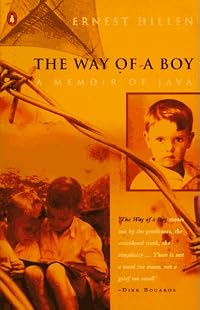
The Way of a Boy: A Memoir of Java
by Ernest Hillen
On This Page
Description
Chronicles the years Ernest Hillen spent as a little boy in a Japanese prisoner-of-war camp on Java. He and his family lived in Java on a tea plantation before the war and they were interned by the Japanese and transported to a series of camps.Tags
Recommendations
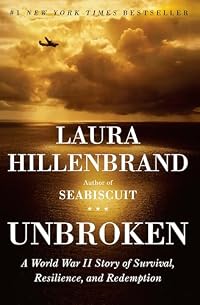

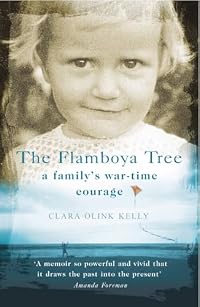


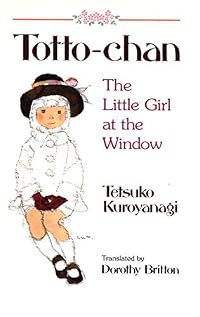

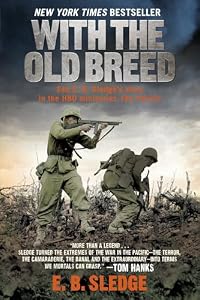
















Member Recommendations
Member Reviews
Ernest Hillen was seven years old, living with his wealthy Dutch family on a colonial tea plantation in 1942, when the Japanese invaded the island and interned (i.e., imprisoned and/or sent to forced labor projects throughout southeast Asia) all white Europeans (or those who looked European-enough). The Way of a Boy describes Ernest's harrowing experiences in Japanese detention camps from 1942 when the Japanese invaded the Dutch East Indies, until the end of the war. Ernest's father was taken off early and Ernest passed into the camps with his mother and older brother Jerry, who was eventually also moved to a separate camp when he got too old (something around 13). Miraculously all survived and were reunited after the war. Writing 50 show more years later, Hillen has remarkably sharp memories of his time in the camps. He describes well the deprivation of the camps, the brutality of the Japanese, the daily demand from his mother that they retain the values and behaviours of a different time and place because it was important not to give in to the malaise and apathy of camp life, the pettiness of some prisoners, the bravery and self-sacrifice of others, the pathos of those who cracked and died, the incredible strength of some, and through it all the resiliency of a human spirit that can adapt and live in such appalling conditions. A well-written book and one that reminds me, again, of what an incredibly sheltered and privileged life I have enjoyed compared to the misery that has afflicted millions, just in this century. show less
The Way of a Boy describes Ernest's harrowing experiences in Japanese detention camps from 1942 when the Japanese invaded the Dutch East Indies, until the end of the war. Ernest's father was taken off early and Ernest passed into the camps with his mother and older brother Jerry, who was eventually also moved to a separate camp when he got too old (something around 13). Miraculously all survived and were reunited after the war. Writing 50 years later, Hillen has remarkably sharp memories of his time in the camps. He describes well the deprivation of the camps, the brutality of the Japanese, the daily demand from his mother that they retain the values and behaviours of a different time and place because it was important not to give in to show more the malaise and apathy of camp life, the pettiness of some prisoners, the bravery and self-sacrifice of others, the pathos of those who cracked and died, the incredible strength of some, and through it all the resiliency of a human spirit that can adapt and live in such appalling conditions. A well-written book and one that reminds me, again, of what an incredibly sheltered and privileged life I have enjoyed compared to the misery that has afflicted millions, just in this century. show less
I simply did not find this book interesting. It sounds like good fodder for a memoir: an innocent family locked up in an internment camp because of a faraway war. But it was dull, dull, dull. I don't know how much of it was the author's writing and how much of it was just the situation. Because, when you think about it, life in an internment camp probably would be mostly squalid and boring rather than exciting and scary. I also wish more historical context had been provided to the story. I don't know much about the Pacific Theater of World War II and I wasn't always sure about why things happened the way they did.
For a much more exciting take on white colonials in Southeast Asia during World War II, try Roland Smith's novel Elephant Run.
For a much more exciting take on white colonials in Southeast Asia during World War II, try Roland Smith's novel Elephant Run.
Pretty good childhood account of family incarceration in Java by the Japanese soldiers of WW II. Tells about good and evil and various personalities and some philosophy. Not bad at all. Somewhat like "Empire of the Sun."
Ernest Hillen was seven years old, living with his wealthy Dutch family on a colonial tea plantation in 1942, when the Japanese invaded the island and interned (i.e., imprisoned and/or sent to forced labor projects throughout southeast Asia) all white Europeans (or those who looked European-enough).
I think I have a paperback copy in Bali.
War-time memories in a Japanese
prisoner of war camp.
War-time memories in a Japanese
prisoner of war camp.
Ratings
Members
- Recently Added By
Author Information
4 Works 124 Members
Common Knowledge
- Original publication date
- 1993
- Dedication
- To Anna Cadwallader Watson Hillen
Classifications
- Genres
- Biography & Memoir, Nonfiction, History
- DDC/MDS
- 940.53175982092 — History & geography History of Europe History of Europe 1918- World War II, 1939-1945 Social, political, economic history; Holocaust Concentration and related camps Camps in Asia
- LCC
- D805 .I55 .H55 — History of Europe, Asia, Africa and Oceania History (General) World War II (1939-1945)
- BISAC
Statistics
- Members
- 103
- Popularity
- 312,901
- Reviews
- 6
- Rating
- (3.50)
- Languages
- Dutch, English
- Media
- Paper, Audiobook
- ISBNs
- 6