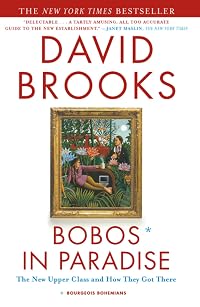
Bobos In Paradise: The New Upper Class and How They Got There
by David Brooks
On This Page
Description
Do you believe that spending $15,000 on a media center is vulgar, but that spending $15,000 on a slate shower stall is a sign that you are at one with the Zenlike rhythms of nature? Do you work for one of those visionary software companies where people come to work wearing hiking boots and glacier glasses, as if a wall of ice were about to come sliding through the parking lot? If so, you might be a Bobo. In his bestselling work of "comic sociology," David Brooks coins a new word, Bobo, to show more describe today's upper class -- those who have wed the bourgeois world of capitalist enterprise to the hippie values of the bohemian counterculture. Their hybrid lifestyle is the atmosphere we breathe, and in this witty and serious look at the cultural consequences of the information age, Brooks has defined a new generation. show lessTags
Recommendations

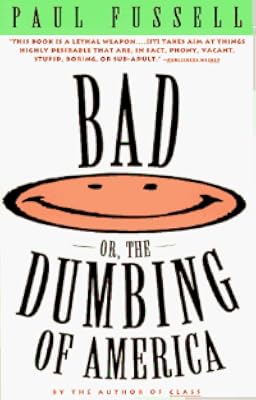
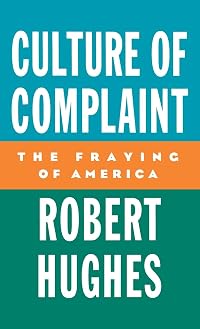
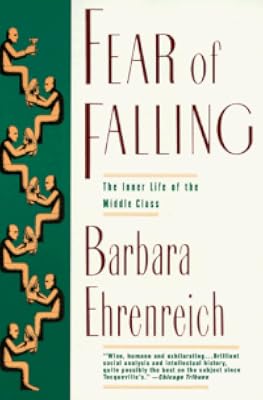
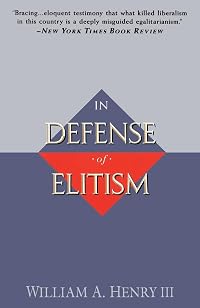





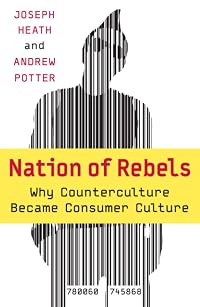
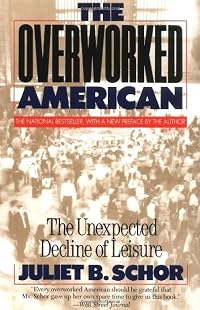

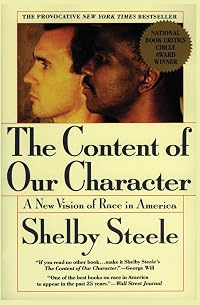
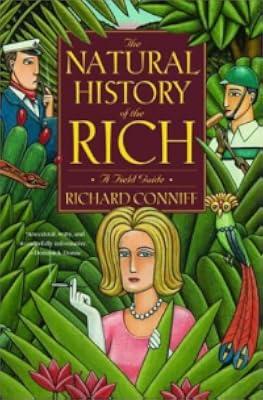
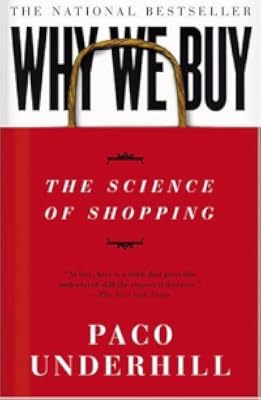
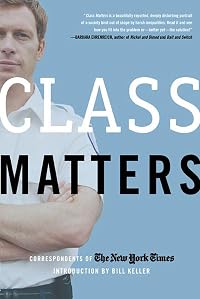
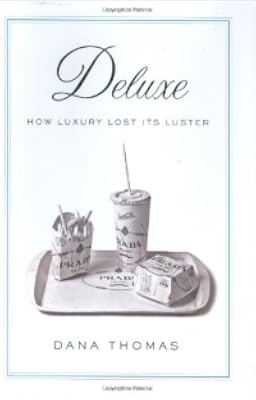
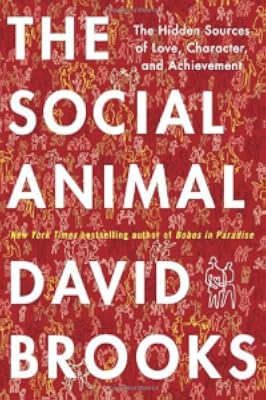
Member Recommendations
Member Reviews
Brooks assumes that the Bobos at some point in their lives have shared counter cultural, radical, and creative ideas associated with bohemians. Is this the case, or are they merely tourists of the lifestyle? I am reminded of John Lennon's observation about "Day Trippers", the weekend bohemians of the 60s. B. would have us think that the bourgeois synthesized Bohemia into the Bobo, but the book does not provide the evidence for some such Hegelian process. Instead, he runs down a seemingly inexhaustible (and exhausting) list of their lifestyle choices, concentrating especially on their consumer habits, sometimes to humorous effect. Eventually, though, the act becomes tiresome, and he rather lamely attempts some serious analysis.
This is show more where the book falls flat, and the thud is deafening. If the Bobo had truly incorporated bohemian values into the upper class sensibility, we would not see them purchasing SUVs, for instance. These vehicles get terrible gas mileage, which is incompatible with the Bobos' supposed deep caring for the environment. Also, these expensive vehicles pose a danger to those less fortunate motorists who can only afford a small car. Such contradictions can be found elsewhere in the opening chapters (electricity-gobbling appliances, for instance); they should be kept in mind when the reader gets to the weak arguments of Bobo morality and spirituality in the later chapters.
B. claims that the Bobos are concerned with preservation of America's older neighborhoods, to save older structures and our heritage, yet the facts speak to an utter lack of concern of the Bobos when it comes to their own "needs." Witness the gentrification of the Mission District in San Francisco, which has forced the traditional Hispanic population out because of sky-high rents. There is a noticeable lack of mention of the lower classes in the book, in fact. The Bobo is depicted unintentionally as a classic elitist, with a narcissistic streak that would make the 70s "Me Decade" seem tame by comparison. Thus, the horrific reaction some readers might have when they discover that B. not only thinks the Bobos are a positive force of nature, but that he counts himself as one.
If B. were approaching the subject critically, he would undoubtedly have tackled the psychology of the Bobo, and why the fascination with bohemian culture. He never tackles this very key point; the possible issues of guilt and self-esteem, for instance. Or how about the Info Age obsession with research? Is this lifestyle optimized based on careful study of all the facts? Is the incorporation of the bohemian a sign of neurosis instead? Don't the descriptions of consumption sound like classic obsessive-compulsive disorder? How does the Bobo grapple with Bobo ethical questions, such as the dilemma posed by optimizing his lifestyle choice by buying the "best" coffee from a plantation that exploits its workers, against the "lesser" coffee that would be more politically correct? The more you ponder these contradictions, the more you are apt to recognize the absurdity of buying B.'s arguments.
B. later talks of the Bobo spiritual life, wherein they pick and choose freely from an ever-changing menu of religious beliefs. Again, the consumer approach to salvation. Yet the earlier chapters allow one to reach a different conclusion: that the real spiritual instinct has been supplanted by entertainment itself, in the form of food, gadgets, and popular culture that are considered superior and "hip". It is this obsessive approach to lifestyle that fills the void left by the decline of true religious commitment. Religion then becomes yet another item for research and eventual consumption.
As this is a conservative's project to convince us of the likability of the Bobo over previous elite classes, he distracts the reader from his true purpose: to celebrate the death of true bohemianism, by co-opting it and robbing it of its alternative world view, which stood in opposition to that of the global exploits of the bourgeois in the realms of commerce and politics. This is the core piece of bohemianism that the Bobo rejects, which makes the so-called synthesis impossible. A much, much better analysis of the Elites and their effect on the erosion of democracy worldwide is presented in Christopher Lasch's "The Revolt of the Elites," which is the work of a true intellectual, not the faux sort exemplified by David Brooks. show less
This is show more where the book falls flat, and the thud is deafening. If the Bobo had truly incorporated bohemian values into the upper class sensibility, we would not see them purchasing SUVs, for instance. These vehicles get terrible gas mileage, which is incompatible with the Bobos' supposed deep caring for the environment. Also, these expensive vehicles pose a danger to those less fortunate motorists who can only afford a small car. Such contradictions can be found elsewhere in the opening chapters (electricity-gobbling appliances, for instance); they should be kept in mind when the reader gets to the weak arguments of Bobo morality and spirituality in the later chapters.
B. claims that the Bobos are concerned with preservation of America's older neighborhoods, to save older structures and our heritage, yet the facts speak to an utter lack of concern of the Bobos when it comes to their own "needs." Witness the gentrification of the Mission District in San Francisco, which has forced the traditional Hispanic population out because of sky-high rents. There is a noticeable lack of mention of the lower classes in the book, in fact. The Bobo is depicted unintentionally as a classic elitist, with a narcissistic streak that would make the 70s "Me Decade" seem tame by comparison. Thus, the horrific reaction some readers might have when they discover that B. not only thinks the Bobos are a positive force of nature, but that he counts himself as one.
If B. were approaching the subject critically, he would undoubtedly have tackled the psychology of the Bobo, and why the fascination with bohemian culture. He never tackles this very key point; the possible issues of guilt and self-esteem, for instance. Or how about the Info Age obsession with research? Is this lifestyle optimized based on careful study of all the facts? Is the incorporation of the bohemian a sign of neurosis instead? Don't the descriptions of consumption sound like classic obsessive-compulsive disorder? How does the Bobo grapple with Bobo ethical questions, such as the dilemma posed by optimizing his lifestyle choice by buying the "best" coffee from a plantation that exploits its workers, against the "lesser" coffee that would be more politically correct? The more you ponder these contradictions, the more you are apt to recognize the absurdity of buying B.'s arguments.
B. later talks of the Bobo spiritual life, wherein they pick and choose freely from an ever-changing menu of religious beliefs. Again, the consumer approach to salvation. Yet the earlier chapters allow one to reach a different conclusion: that the real spiritual instinct has been supplanted by entertainment itself, in the form of food, gadgets, and popular culture that are considered superior and "hip". It is this obsessive approach to lifestyle that fills the void left by the decline of true religious commitment. Religion then becomes yet another item for research and eventual consumption.
As this is a conservative's project to convince us of the likability of the Bobo over previous elite classes, he distracts the reader from his true purpose: to celebrate the death of true bohemianism, by co-opting it and robbing it of its alternative world view, which stood in opposition to that of the global exploits of the bourgeois in the realms of commerce and politics. This is the core piece of bohemianism that the Bobo rejects, which makes the so-called synthesis impossible. A much, much better analysis of the Elites and their effect on the erosion of democracy worldwide is presented in Christopher Lasch's "The Revolt of the Elites," which is the work of a true intellectual, not the faux sort exemplified by David Brooks. show less
Or what happens when the soft relativist college students described in Allan Bloom's The Closing of the American Mind graduate and start making real money. Many reviews at the time chastised Brooks for letting the Bobos off the hook. In the last chapter, the worst of the book, he does pull back and blathers that the Bobos have potential to be "the class that led America into another golden age. (This was not borne out by subsequent events.) However, I don't think Brooks understood what he did here. He tries to pull off an "aw shucks, I was just joshing" attitude; however, in the previous chapters, just by describing Bobo culture, he stabbed these people in the heart and twisted the knife. For instance, he has a vignette of Death coming show more to a Montana second home that just drips with gleeful contempt for the shallow soul described. (By the way, even though Brooks accurately described the Bobos, the word did not catch on here, but it did in France. Also, in the interest of full disclosure, Brooks has summed up some of my attitudes and accoutrements.) show less
What kind of person buys new furniture put through a distressing procedure to make it look old? Many of us, according to author David Brooks in his book, Bobos in Paradise. With keen insight and occasional wit, he dissects the urban educated elite of today, a weird amalgam of the bourgeois and Bohemian, or “Bobo” for short. Brooks sprinkles his book with a good dollop of research, which fortifies his thesis but feels needlessly academic at times. While there is many humorous rest stop observations along the way, Brooks takes his time getting to his punch lines; for example, the telltale tendency for Bobos to feel everything in their life must be approached as if it’s an aptitude test, including comfortless vacations that serve as show more grueling endurance tests rather than relaxing and enjoyable getaways. If you want to know who the Bobos are around us, read this book. Be warned however, you find you’re holding a mirror. show less
In a nutshell, Brooks does two things here. He presents a well-considered thesis about how, since the 1980s, the various positions – political, religious, economic, polemical – and general societal outlook of the educated classes have shifted to the middle. As a special supplement, he delves into hilarious anecdotes about how this manifests itself as regards the BOBO’s professional, material, and leisure choices. His description of a visit to REI left me rolling in my subway seat! (or I would have been had I been able to procure a seat). I mean they supposedly sell “outdoor” crap yet not a baseball anywhere!
Anyway, one might charge that Brooks grossly stereotypes his group. He frequently acknowledges the obvious exceptions show more within this demographic and certainly it’s not as absurd as some of the generalizations about “Millennials” that get espoused in corporate seminars, NPR interviews, and by jack-ass Today Show “experts” (read, busy-body housefraus). Perhaps not balanced, this is definitely funny and mostly palatable.
An obvious, contemporary parallel would be the “white people” as defined by Christian Lander. In fact it seems that half of his blog/book is a less well-written rip off of this BOBO exposé. The remainder simply plugging in updates such as white folk’s preoccupation with (or disdain towards) Mad Men, Ed Hardy, and girls with bangs. Where, I silently ask myself, do hipsters (of whom my wife commented, “They seem nice enough but they all dress like shit.” after a recent visit to Williamsburg, Brooklyn) fit into the Brooks-Lander Whitey matrix? show less
Anyway, one might charge that Brooks grossly stereotypes his group. He frequently acknowledges the obvious exceptions show more within this demographic and certainly it’s not as absurd as some of the generalizations about “Millennials” that get espoused in corporate seminars, NPR interviews, and by jack-ass Today Show “experts” (read, busy-body housefraus). Perhaps not balanced, this is definitely funny and mostly palatable.
An obvious, contemporary parallel would be the “white people” as defined by Christian Lander. In fact it seems that half of his blog/book is a less well-written rip off of this BOBO exposé. The remainder simply plugging in updates such as white folk’s preoccupation with (or disdain towards) Mad Men, Ed Hardy, and girls with bangs. Where, I silently ask myself, do hipsters (of whom my wife commented, “They seem nice enough but they all dress like shit.” after a recent visit to Williamsburg, Brooklyn) fit into the Brooks-Lander Whitey matrix? show less
Yet another book about the American class system. This, as opposed to Class: a guide through the American Status System, is somewhat more up-to-date and less cranky. The author self-identifies as a member of the class he is discussing, the Bohemian Bourgeoisie, or the educated elite, aka BoBos, and seems extremely pleased with himself about, well, everything.
First he explains how the BoBos came to be (basically as a synthesis of '60s radicalism and pre-'50s ambitions) and then how they, with their "meritocracy" came to take the place of the monied classes as the social leaders. He then spends the rest of the book detailing what it means to be a BoBo. He tells us what they wear, what they eat, what they buy and buy, where they travel, show more what they spend money on, and so on. He ends by stating that the BoBo age is here to stay and peace and prosperity will abound for those wise enough to buy into their belief system.
Anyone who has lived in the Bay Area will immediately recognize the people he is describing- think Noe Valley, Mill Valley, actually, anywhere in Marin pretty much, Berkeley, parts of Oakland, etc. Also, the Village in NYC has a lot of them these days, as do parts of LA, though it's more spread out there. My point, though, is that yes, these people exist. However, the author made a few egregious mistakes. First, he wrote this in 2000.
Yes, this is definitely a pre-9/11 book. A lot of what he says about the American economy and American social values are going to seem just as dated as those in Fussell's book. Right- we're living in the age of global supremacy, peace, and prosperity, which is why it cost me $9 to buy a coffee when I was in England this summer. However, back in 1999, or 2000, I can see how it might have looked that way, especially for someone really optimistic.
The other mistake that really bothered me is that this author takes a lot of good ideas/motives/goals and then turns them all wrong. Like being environmentally conscious while wanting to own nice things. These are both reasonable goals, right? His solution? Buy a Range Rover! Wait, what?! How in the world is that environmentally conscious? And so on. The book is filled with statements like that. I found myself saying yes, yes, yes, NO! DEAR GOD NO! often throughout the book. Reading about the BoBos, according to Mr. Brooks, was like reading about an evil version of me with a lot more money and a lot less honesty.
As an addition to the panoply of books about the US's social structure, it was alright, though neither as amusing as Class, nor as useful as, well, not being oblivious to reality. show less
First he explains how the BoBos came to be (basically as a synthesis of '60s radicalism and pre-'50s ambitions) and then how they, with their "meritocracy" came to take the place of the monied classes as the social leaders. He then spends the rest of the book detailing what it means to be a BoBo. He tells us what they wear, what they eat, what they buy and buy, where they travel, show more what they spend money on, and so on. He ends by stating that the BoBo age is here to stay and peace and prosperity will abound for those wise enough to buy into their belief system.
Anyone who has lived in the Bay Area will immediately recognize the people he is describing- think Noe Valley, Mill Valley, actually, anywhere in Marin pretty much, Berkeley, parts of Oakland, etc. Also, the Village in NYC has a lot of them these days, as do parts of LA, though it's more spread out there. My point, though, is that yes, these people exist. However, the author made a few egregious mistakes. First, he wrote this in 2000.
Yes, this is definitely a pre-9/11 book. A lot of what he says about the American economy and American social values are going to seem just as dated as those in Fussell's book. Right- we're living in the age of global supremacy, peace, and prosperity, which is why it cost me $9 to buy a coffee when I was in England this summer. However, back in 1999, or 2000, I can see how it might have looked that way, especially for someone really optimistic.
The other mistake that really bothered me is that this author takes a lot of good ideas/motives/goals and then turns them all wrong. Like being environmentally conscious while wanting to own nice things. These are both reasonable goals, right? His solution? Buy a Range Rover! Wait, what?! How in the world is that environmentally conscious? And so on. The book is filled with statements like that. I found myself saying yes, yes, yes, NO! DEAR GOD NO! often throughout the book. Reading about the BoBos, according to Mr. Brooks, was like reading about an evil version of me with a lot more money and a lot less honesty.
As an addition to the panoply of books about the US's social structure, it was alright, though neither as amusing as Class, nor as useful as, well, not being oblivious to reality. show less
The most notable thing about this book is that it clearly is built from a series of articles strung together into a central hypothesis. There isn't terrific flow between the chapters -- the voice, style, and the goal of each chapter is highly variable and it really undermines the idea that the book is supposed to be an expose of a central social thesis.
That being said, the book is enjoyable -- there are many funny parts (although non quite as funny as Brooks seem to think) and many insightful parts. I particularly enjoyed the introduction about education, and the sections on vacations and spirituality. In contrast, the parts on business and academia were dull, repetitive and highly exaggerated.
That being said, the book is enjoyable -- there are many funny parts (although non quite as funny as Brooks seem to think) and many insightful parts. I particularly enjoyed the introduction about education, and the sections on vacations and spirituality. In contrast, the parts on business and academia were dull, repetitive and highly exaggerated.
brooks claims to be looking at the bohemian bourgeoise [the first two letters of each creating the word bobo], but this is actually a clever deceit. a better and more accurate title would be How to Be A Conservative in the Post-Woodstock Era. A fascinating analysis, welll-written, and well-delivered.
Members
- Recently Added By
Lists

Books Read in 2002
201 works; 8 members

If Books Could Kill Podcast
52 works; 1 member
Author Information

11+ Works 7,859 Members
David Brooks was born in Toronto, Canada on August 11, 1961. He received a degree in history from the University of Chicago in 1983. After graduation, he worked as a police reporter for the City News Bureau. His other jobs include numerous posts at The Wall Street Journal, a senior editor at The Weekly Standard, and a contributing editor at show more Newsweek and The Atlantic Monthly. He currently is an op-ed columnist for The New York Times since 2003 and a weekly commentator on PBS NewsHour. He is the author of the several books including Bobos in Paradise: The New Upper Class and How They Got There, On Paradise Drive: How We Live Now (And Always Have) in the Future Tense, and The Social Animal: The Hidden Sources of Love, Character, and Achievement. He is also the editor of the anthology Backward and Upward: The New Conservative Writing. David Brooks made the New York Times Best Seller List with his title Social Animal: the Hidden Sources of Love, Character, and Achievement and The Road to Character. (Publisher Provided) show less
Awards and Honors
Distinctions
Work Relationships
Is contained in
Common Knowledge
- Original publication date
- 2000
- Important places
- USA
- First words
- I'm not sure I'd like to be one of the people featured on the New York Times weddings page, but I know I'd like to be the father of one of them.
- Last words
- (Click to show. Warning: May contain spoilers.)But if they raise their sights and ask the biggest questions, they have the ability to go down in history as the class that led America into another golden age.
Classifications
- Genres
- Sociology, Nonfiction, General Nonfiction
- DDC/MDS
- 305.520973 — Society, government, & culture Social sciences, sociology & anthropology Social group - Age, Gender, Ethnicity People by social and economic levels Upper Class
- LCC
- HN90 .E4 .B76 — Social sciences Social history and conditions. Social problems. Social reform Social history and conditions. Social problems. By region or country
- BISAC
Statistics
- Members
- 1,660
- Popularity
- 13,558
- Reviews
- 25
- Rating
- (3.42)
- Languages
- 8 — Chinese, Czech, English, French, German, Russian, Spanish, Portuguese (Portugal)
- Media
- Paper, Audiobook, Ebook
- ISBNs
- 14
- UPCs
- 1
- ASINs
- 12