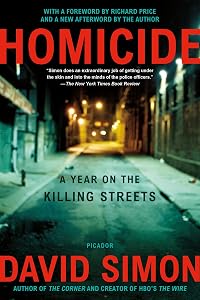
Homicide: A Year on the Killing Streets
by David Simon
On This Page
Description
From the creator of HBO's The Wire, the classic book about homicide investigation that became the basis for the hit television showThe scene is Baltimore. Twice every three days another citizen is shot, stabbed, or bludgeoned to death. At the center of this hurricane of crime is the city's homicide unit, a small brotherhood of hard men who fight for whatever justice is possible in a deadly world.
David Simon was the first reporter ever to gain unlimited access to a homicide unit, and this show more electrifying book tells the true story of a year on the violent streets of an American city. The narrative follows Donald Worden, a veteran investigator; Harry Edgerton, a black detective in a mostly white unit; and Tom Pellegrini, an earnest rookie who takes on the year's most difficult case, the brutal rape and murder of an eleven-year-old girl.
Originally published fifteen years ago, Homicide became the basis for the acclaimed television show of the same name. This new edition—which includes a new introduction, an afterword, and photographs—revives this classic, riveting tale about the men who work on the dark side of the American experience.
. show less
Tags
Recommendations





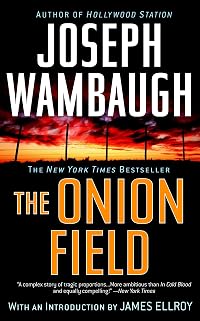


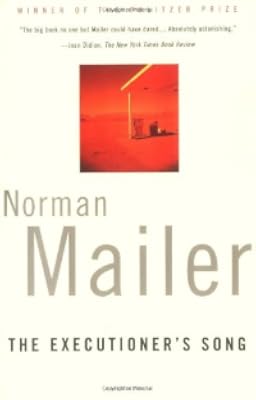
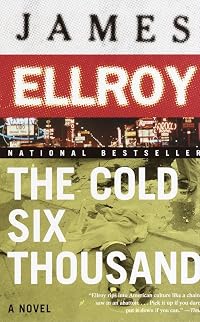
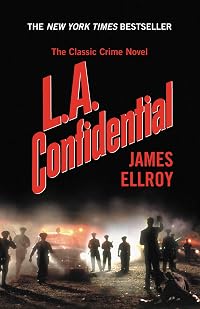

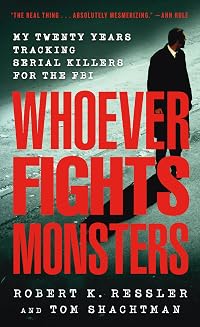
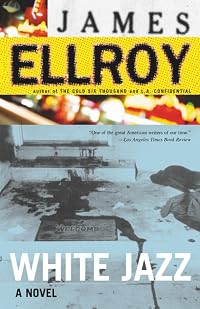

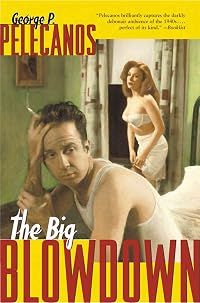
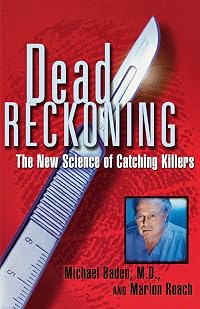
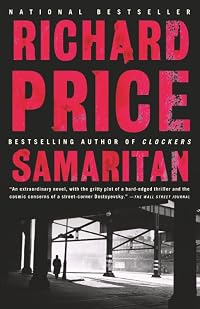


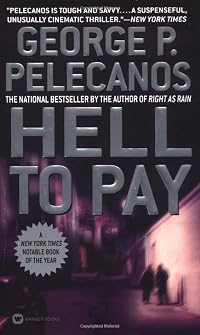
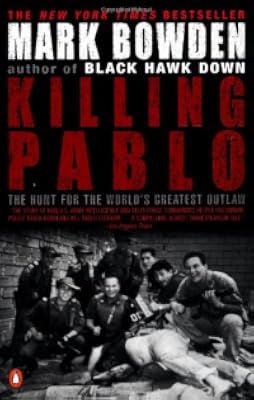
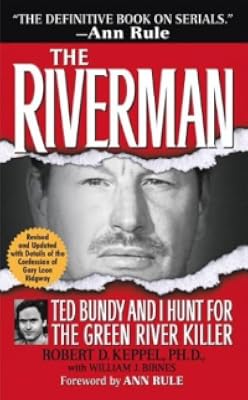
Member Recommendations
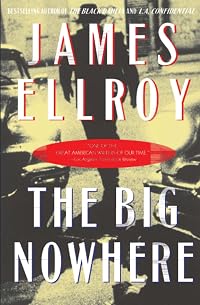
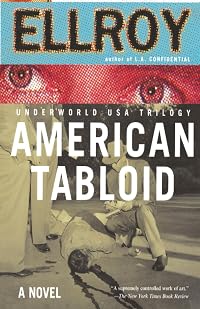
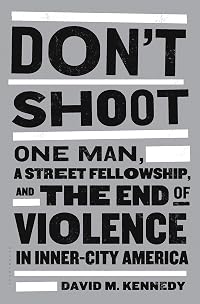
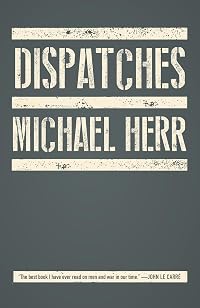
meggyweg Both books get into the weeds of solving homicides, and also talk about the politics of a major city's police department.
Member Reviews
Easily the best chronicle of the homicide detective written by a non-practitioner that I have come across so far. It's not that Baltimore produces more, or more interesting, or more peculiar, or more heinous murders than other places. It doesn't. The death described here ranges from standard gangland warfare and drug killings to the horrific murder of a small girl--and you will find these sorts of things in the memoirs of detectives from all over the land (sadly). What makes this book so good is the biographies of the people involved, the defense mechanisms of the detectives to get through their days and nights, the challenges of a large bureaucracy, the idiosyncrasies of the real genius detectives working some of these cases, and all show more the other minutiae that living amongst a group of elite detectives for a year allows one to see. A joy from beginning to end--worth the time it takes to read and digest! show less
A journalist spends a year with Baltimore homicide detectives and ends up writing quite simply one of the best books I've ever read. Up there with HST's Hell's Angels or Mailer's The Fight in demonstrating that at it's peak journalism becomes art. This recent re-issue is particularly good because of the Post Mortem at the end where Simon explains the background to the book and what has happened since. It goes without saying that any fan of The Wire or Homicide: Life On The Streets should read it (and if you are not a fan of The Wire I doubt your sentience), but it should also be read by any fan of crime fiction or by anyone interested in US politics and culture.
I enjoyed this. A lot.
David Simon sat with detectives in Baltimore for a year and this is his report: there is no overarching narrative, theme or analysis. There isn't a thesis. Simon isn't trying to prove anything - he's painting a portrait of Baltimore homicide detectives and their lifestyle, one murder at a time.
This can make the book frustrating; you begin to wonder where all its grim awfulness is taking you. Although individual sections take on larger questions, such as national homicide rates or the history of racial bias in Baltimore, they are tiny islands in a river of gritty anecdotes.
But they are good anecdotes, and well told. Things are helped along by a fixed cast of characters. Rather than a string of random murders, show more each case is presented from the perspective of the detective (or detectives) who work the case. We don't just learn how these detectives approach each case, we learn how they think and feel about them. We learn about their anxieties and insecurities and their political positions within the department. We watch them mature and grow throughout the year.
One battle-weary veteran burns out and recovers. One new recruit struggles through his first difficult case. And so on. You do indeed start to believe you're getting a feel for the life of the department.
Yet, the focus on the detectives is in part a weakness. Although individual cases are presented in detail and victims are presented as victims, our empathy is first and foremost with the detectives. We see the tragedy of the (mostly black) victims through the lens of the (mostly white) detectives. It's difficult for me to say whether this is a deficit, but I did find myself wondering how a victim's family might perceive things.
Through it all the writing is (to me) delightfully gritty. You could flip the book open at random, throw down your finger, and start reading off a new reason to despise humanity. I find this as funny as David Simon does; despite their darkness, many passages are laugh-out-loud funny.
Homicide is beautifully told and gripping, even if it does ramble a bit. And although it doesn't offer solutions to the many problems it brings up - legal, societal, racial - it also doesn't pretend it has the answers. "Here's how it is," is Homicide's approach, and also its feel. show less
David Simon sat with detectives in Baltimore for a year and this is his report: there is no overarching narrative, theme or analysis. There isn't a thesis. Simon isn't trying to prove anything - he's painting a portrait of Baltimore homicide detectives and their lifestyle, one murder at a time.
This can make the book frustrating; you begin to wonder where all its grim awfulness is taking you. Although individual sections take on larger questions, such as national homicide rates or the history of racial bias in Baltimore, they are tiny islands in a river of gritty anecdotes.
But they are good anecdotes, and well told. Things are helped along by a fixed cast of characters. Rather than a string of random murders, show more each case is presented from the perspective of the detective (or detectives) who work the case. We don't just learn how these detectives approach each case, we learn how they think and feel about them. We learn about their anxieties and insecurities and their political positions within the department. We watch them mature and grow throughout the year.
One battle-weary veteran burns out and recovers. One new recruit struggles through his first difficult case. And so on. You do indeed start to believe you're getting a feel for the life of the department.
Yet, the focus on the detectives is in part a weakness. Although individual cases are presented in detail and victims are presented as victims, our empathy is first and foremost with the detectives. We see the tragedy of the (mostly black) victims through the lens of the (mostly white) detectives. It's difficult for me to say whether this is a deficit, but I did find myself wondering how a victim's family might perceive things.
Through it all the writing is (to me) delightfully gritty. You could flip the book open at random, throw down your finger, and start reading off a new reason to despise humanity. I find this as funny as David Simon does; despite their darkness, many passages are laugh-out-loud funny.
Homicide is beautifully told and gripping, even if it does ramble a bit. And although it doesn't offer solutions to the many problems it brings up - legal, societal, racial - it also doesn't pretend it has the answers. "Here's how it is," is Homicide's approach, and also its feel. show less
This was the book that launched David Simon on his career, and it's just as good as you could ask it to be - dense, detailed, sympathetic, analytical, perceptive, and deeply immersing to the point where I read all 600 pages of the extended edition in 3 days. While I'm a huge fan of The Wire, Generation Kill, and Treme, I've never seen the acclaimed show this work spawned, although I'll probably have to eventually since this book is truly excellent. It's exactly what the subtitle promises: the true story of the year Simon spent embedded in the Baltimore Police Department's Homicide Division alongside a score of detectives doing what they can to investigate and solve the unending torrent of murder cases thrown their way by the good people show more of Baltimore.
The detectives are the heroes of the story, although they would probably be uncomfortable with the H-word. They're shown as a jaded, foul, exhausted, cantankerous, cynical lot whose chief respite from the grueling toil of police work is the type of black humor that could be called "gallows humor", except that the parade of criminals they're trying to get prosecuted don't end up on Death Row near often enough for their tastes. Simon is able to make each detective's personality vivid and present on the page, explaining the man's role in the ensemble of his department while also shedding light on what makes an otherwise intelligent person spend their life chasing what seems like an infinite carousel of depression and misery. Simon obviously cared deeply about these guys doing jobs that were basically guaranteed to destroy their marriages and leave them feeling like the cog in a vast and impersonal machine.
But the stories of the detectives are the melody, and the cases they chase are the true rhythm. Simon makes these real-life cases, which in the hands of a lesser writer might have felt like mere scene-setting, just as compelling and heartbreaking to the reader as they must have been to their loved ones, while also showing how the detectives' practiced emotional distance from these cases is essential for their ability to function. He's also upfront and honest about the fact that many of these cases, including some of the worst, don't have neat or happy endings; that same sense of realism obviously informed his later work on The Wire. Indeed, there are many easter eggs for Wire viewers, like the famous Snot Boogie story, plus names like Sydnor and Mouzone that got reappropriated as part of his general "stealing life" philosophy.
In between the men and their cases are some of his trademark rants/analyses of various aspects of America and its relationship to its crimes. There's one section in particular that struck me, about the debilitating effects of slick TV dramas on juries - citizens called to serve have gotten so used to the telegenic formula of conscience-stricken criminals, omnipresent witnesses, dramatic confessions, and smoking guns that it's become noticeably harder to get juries to follow the subtler and more complicated chains of logic that occur in real courtrooms to real-life guilty men they should be convicting. I can't help but remember scenes from The Wire like Clay Davis' acquittal and wonder if at least some of the motivation behind his creative work is an effort to present a more realistic depiction of life to TV viewers as a sort of antidote.
I can't help but feel like The Corner, his second book, hit me slightly harder, that's surely no slight to the man. This will always remain one of the greatest depictions of police work ever written, and for the fan of The Wire who's digging into the back catalog, this particular item is well worth it. show less
The detectives are the heroes of the story, although they would probably be uncomfortable with the H-word. They're shown as a jaded, foul, exhausted, cantankerous, cynical lot whose chief respite from the grueling toil of police work is the type of black humor that could be called "gallows humor", except that the parade of criminals they're trying to get prosecuted don't end up on Death Row near often enough for their tastes. Simon is able to make each detective's personality vivid and present on the page, explaining the man's role in the ensemble of his department while also shedding light on what makes an otherwise intelligent person spend their life chasing what seems like an infinite carousel of depression and misery. Simon obviously cared deeply about these guys doing jobs that were basically guaranteed to destroy their marriages and leave them feeling like the cog in a vast and impersonal machine.
But the stories of the detectives are the melody, and the cases they chase are the true rhythm. Simon makes these real-life cases, which in the hands of a lesser writer might have felt like mere scene-setting, just as compelling and heartbreaking to the reader as they must have been to their loved ones, while also showing how the detectives' practiced emotional distance from these cases is essential for their ability to function. He's also upfront and honest about the fact that many of these cases, including some of the worst, don't have neat or happy endings; that same sense of realism obviously informed his later work on The Wire. Indeed, there are many easter eggs for Wire viewers, like the famous Snot Boogie story, plus names like Sydnor and Mouzone that got reappropriated as part of his general "stealing life" philosophy.
In between the men and their cases are some of his trademark rants/analyses of various aspects of America and its relationship to its crimes. There's one section in particular that struck me, about the debilitating effects of slick TV dramas on juries - citizens called to serve have gotten so used to the telegenic formula of conscience-stricken criminals, omnipresent witnesses, dramatic confessions, and smoking guns that it's become noticeably harder to get juries to follow the subtler and more complicated chains of logic that occur in real courtrooms to real-life guilty men they should be convicting. I can't help but remember scenes from The Wire like Clay Davis' acquittal and wonder if at least some of the motivation behind his creative work is an effort to present a more realistic depiction of life to TV viewers as a sort of antidote.
I can't help but feel like The Corner, his second book, hit me slightly harder, that's surely no slight to the man. This will always remain one of the greatest depictions of police work ever written, and for the fan of The Wire who's digging into the back catalog, this particular item is well worth it. show less
If you’re a fan of The Wire - the greatest show on TV - and you’re jonesing for more of that multilayered urban poetry, you owe it to yourself to pick up a copy of David Simon’s 1991 narrative nonfiction classic which launched the (lesser) namesake show and The Wire itself. The real stories are here, the real Jay Landsman, McNulty, The Bunk. Snot Boogie, even.
Even if you haven’t seen The Wire - and what are you waiting for - you shouldn’t skip this. It’s easily the best book I’ve read in years: gripping, funny, real, and told with the sort of sober, sincere humor all news should be made of. It’s a police procedural and a what-evil-lurks type of crime book, sure, but it’s fetishistic of only one thing: humanity show more itself.
(I strongly recommend getting the 2006 Holt edition; it comes with several invaluable afterwords by Simon and Detective Terry McLarney. It’s also much easier to hold and read than the super-cheap paperback which fell apart on me only about 400 pages in.) show less
Even if you haven’t seen The Wire - and what are you waiting for - you shouldn’t skip this. It’s easily the best book I’ve read in years: gripping, funny, real, and told with the sort of sober, sincere humor all news should be made of. It’s a police procedural and a what-evil-lurks type of crime book, sure, but it’s fetishistic of only one thing: humanity show more itself.
(I strongly recommend getting the 2006 Holt edition; it comes with several invaluable afterwords by Simon and Detective Terry McLarney. It’s also much easier to hold and read than the super-cheap paperback which fell apart on me only about 400 pages in.) show less
In 1998, a young reporter named David Simon spent a year attached to the Baltimore Homicide Unit, reporting on what he saw, how the Officers did their jobs, various murders which were dealt with and how those cases progressed. This book is the result of that year - and it's an amazing and absorbing read (particularly for someone like myself, who generally prefers fiction). No names were changed, although on a few occasions, certain persons remain anonymous, and there was no poetic licence used - events were written exactly as they occurred.
This book works both as an entertaining read, and a remarkable piece of journalism. One case in particular - the brutal molestation and murder of a young girl - forms a major part of the book, just as show more it formed a major part of the unit's lives, and one detective in particular.
The writing itself is amazing and makes some of the cases so visible in the mind's eye that it is at times almost painful to read. But what are equally as compelling as the many cases written about, are the little anecdotes about squad room life, and the relationships between the various members of the squad. Sometimes the detectives come across as callous, racially insensitive, and/or sexist, and certainly they seem to find humour in the darkest situations, but above all they come across as people determined to right some of the wrongs in the world.
It is the only third book I have read this year, but I am fairly confident that at in twelve months time, I will be listing it as one of my favourite books of 2009. Very highly recommended. show less
This book works both as an entertaining read, and a remarkable piece of journalism. One case in particular - the brutal molestation and murder of a young girl - forms a major part of the book, just as show more it formed a major part of the unit's lives, and one detective in particular.
The writing itself is amazing and makes some of the cases so visible in the mind's eye that it is at times almost painful to read. But what are equally as compelling as the many cases written about, are the little anecdotes about squad room life, and the relationships between the various members of the squad. Sometimes the detectives come across as callous, racially insensitive, and/or sexist, and certainly they seem to find humour in the darkest situations, but above all they come across as people determined to right some of the wrongs in the world.
It is the only third book I have read this year, but I am fairly confident that at in twelve months time, I will be listing it as one of my favourite books of 2009. Very highly recommended. show less
Question: What happens when a reporter, already on the Baltimore police beat, is allowed to have unlimited access to the city's homicide unit for a full year? Answer: Homicide: a Year on the Killing Streets, a 600 page play by play of what it is like to work a murder from start to finish. From the first report of a cold body to (sometimes) solving the case, Simon was there to witness and document every little moment. He followed various detectives as they got the call, examined the victim for cause of death, poured over the crime scene for clues, canvassed the neighborhoods for reluctant witnesses, stood over autopsies waiting for more evidence, paced the halls in hospital emergency rooms impatient for first-hand accounts from show more survivors, went on death notifications, stared at their murder boards trying to put the pieces together...These police officers portray the grim reality of crime but they also share moments of humor, sarcasm and a genuine love of the job. show less
Members
- Recently Added By
Lists

True Crime
216 works; 16 members

Non-Fiction Worth Reading
1,015 works; 254 members

Top-Rated Books on LibraryThing
272 works; 117 members

Great American Novels
158 works; 42 members

Books Set in Maryland
14 works; 4 members

Sense of place
156 works; 13 members

Detective Stories
343 works; 5 members

Edgar Award
418 works; 15 members

Books With Time Words in the Title
160 works; 4 members
Author Information

Awards and Honors
Awards
Work Relationships
Common Knowledge
- Canonical title
- Homicide: A Year on the Killing Streets
- Original title
- Homicide: A Year on the Killing Streets
- Original publication date
- 1991
- People/Characters
- Tom Pellegrini; Latonya Kim Wallace; Geraldine Parrish; Donald Waltemeyer; Gene Cassidy; John Randolph Scott (show all 120); Donald Worden; Gary D'Addario; Terrence McLarney; Rick James; Edward Brown; David John Brown; Roger Nolan; Harry Edgerton; Richard Garvey; Robert Bowman; Donald Kincaid; Robert McAllister; Jay Landsman; Oscar Requer; Gary Dunnigan; Richard Fahlteich; Fred Ceruti; Glen Alexander; Derrick Allen; Milton Baines; Corey Belt; Bob Biemiller; Purnell Booker; Vincent Booker; Elsbeth Bothe; Mr Brown; Carrington Brown; Dollie Brown; Norman Buckman; Clinton Butler; Patti Cassidy; Mark Cohen; Howard Corbin; Eugene Dale, Jr.; Eugene Dale, Sr.; Robert DelGiornio; Lawrence C. Doan; The Fish Man; Glenn Foster; Clifton "Butchie" Frazier; Howard Gersh; Rayfield Gilliard; Julia Goodin; Edwin "Conrad" Gordon; Clifton Gordy; Stanley Gwynn; Ernestine Haskins; Sharon Henson; Jerry Jackson; Romaine Jackson; Roy Johnson; Theodore Johnson; Clayvon Jones; Cornell Jones; Joe Kopera; Cornelius Langley; Michael Langley; Ronnie Lawis; Kevin Lawrence; Henrietta Lucas; Jackie Lucas; Lena Lucas; Yolanda Marks; O. B. McCarter; Scotty McCown; Ja-Wan McGee; Walter McKesson; Milton; John Moore; Anthony Morris; Vince Moulter; John Nathan; Rudy Newsome; Anthony T. Owens; Brian Pedrick; Andrea Perry; Nina Perry; Henry Plumer; Paul Polansky; Alvin Clements Richardson; Craig Rideout; Albert Robinson; Carlton Robinson; Durrell Rollins; William Donald Schaefer; Gary Schenker; Michael Shaw; Jimmy Lee Shrout; John Smialek; Karen Smith; Robert William Smith; Gregory "Pete" Taylor; Brenda Thompson; Katherine Thompson; Lisa Turner; Janie Vaughn; Rodney Vice; Warren Waddell; Dennis Wahls; Rayshawn Wallace; Ransom Watkins; Barbara Womble; Tiffany Woodhous; Carol Wright; John Wylie; Robert Yergin; Larry Young; The fat kid; Squirrel No. 1; Squirrel No. 2; Squirrel No. 3; Andrew; Ollie; Reds
- Important places
- Baltimore, Maryland, USA; Maryland, USA
- Related movies
- Homicide: Life on the Street (1993 | IMDb)
- Epigraph
- If a man is found slain, lying in a field in the land the Lord your God is giving you to possess, and it is not known who killed him, your elders and judges shall go out and measure the distance from the body to the neighbori... (show all)ng towns.
Then the elders of the town nearest the body shall take a heifer that has never been worked and has never work a yoke and lead her down to a valley that has not been plowed or planted and where there is a flowing stream.
There in the valley they are to break the heifer's neck.
The pirests, the sons of Levi, shall step forward, for the Lord your God has chosen them to minister and to pronounce blessings n the name of the Lord and to decide all cases of dispute and assault.
Then all the elders of the town nearest the body shall wash their hands over the heifer whose neck was broken in the valley and they shall declare:
"Our hands did not shed this blood, nor did our eyes see it done. Accept this atonement for your people Israel, whom you have redeemed, O Lord, and do not hold your people guilty of the blood of an innocent man."
Deuteronomy 21:1-9
In contact wounds, the muzzle of the weapon is held against the surface of the body. . .the immediate edges of the entrance are seared by hot gases and blackened by the soot. This is embedded in the seared skin and cannot be... (show all) completely removed eithe rby washing or vigorous scrubbing of the wound.
Vincent J.M. DiMaio, M.D.,
Gunshot Wounds: Practical Aspects of Firearms, Ballistics and Forensic Technique - Dedication
- For Linda
- First words
- Pulling one hand from the warmth of a pocket, Jay Landsman squats down to grab the dead man's chin, pushing the head to one side until the wound becomes visible as a small, ovate hole, oozing red and white.
- Last words
- (Click to show. Warning: May contain spoilers.)In the first month of 1991, the city is averaging one murder a day.
Classifications
- Genres
- General Nonfiction, Nonfiction
- DDC/MDS
- 363.259520972526 — Society, government, & culture Social problems and social services Public Safety - Police, Crime Investigation Police services Criminal investigation & forensics Investigation of specific types of offenses
- LCC
- HV8148 .B22 .S54 — Social sciences Social pathology. Social and public welfare. Criminology Social pathology. Social and public welfare. Criminal justice administration Police. Detectves. Constabulary By region or country
- BISAC
Statistics
- Members
- 2,405
- Popularity
- 8,127
- Reviews
- 48
- Rating
- (4.31)
- Languages
- 5 — Dutch, English, French, German, Spanish
- Media
- Paper, Audiobook, Ebook
- ISBNs
- 29
- ASINs
- 15