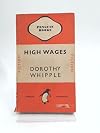
High Wages
by Dorothy Whipple
On This Page
Description
In High Wages, Dorothy Whipple crafts a compelling tale of ambition, resilience, and the pursuit of independence set against the backdrop of early 20th-century England. This novel captures the life of Jane Carter, a young woman of modest means, who dares to dream beyond the confines of her station in a society that often limits women's aspirations. Jane begins her journey working in a draper's shop, where her keen eye for fashion and understanding of customers sets her apart. Despite her show more talents, she faces challenges from the oppressive attitudes of her employer and the societal norms that dictate her future. Undeterred, Jane seizes an opportunity to forge her own path, opening a small dress shop and daring to compete with established businesses. Whipple deftly explores themes of class disparity, gender roles, and the transformative power of determination. As Jane navigates the complexities of business, personal relationships, and societal expectations, she becomes a symbol of the emerging modern woman: bold, resourceful, and unafraid to challenge the status quo. show lessTags
Recommendations

















Member Recommendations

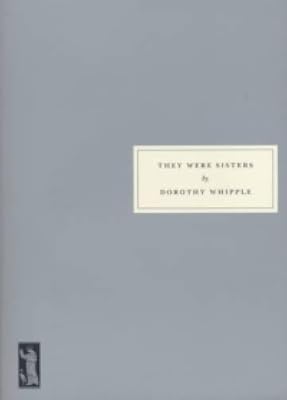
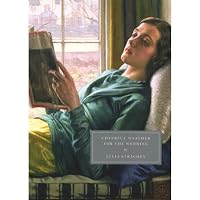
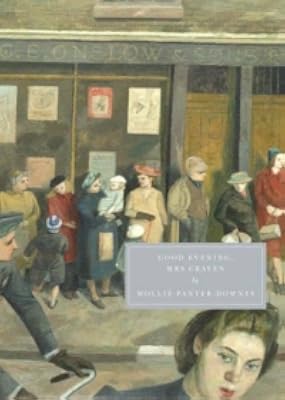
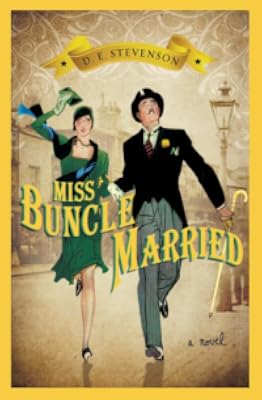
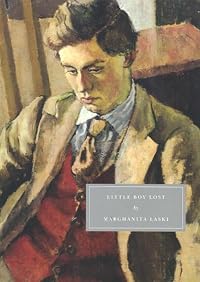
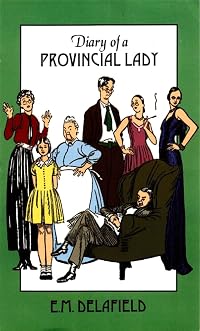
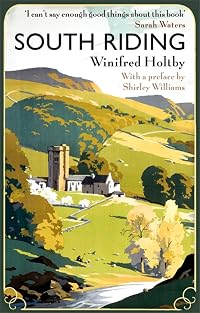
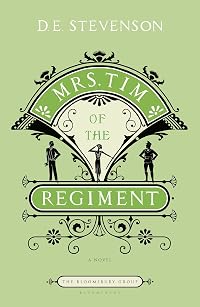
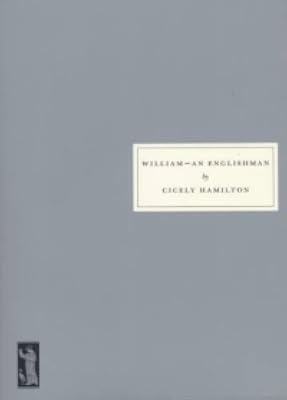
souloftherose Both books look at the life of a young woman working as a shop assistant in the early 20th century.
Member Reviews
Really fantastic book, it was like talking to me granny about how things were back in the day. It's Northern humour at it's best, a gentle rolling piss-take. Full of wonderful characters with a bit of a love story thrown in.
Set in the years leading up to and through WWI, this is the tale of Jane Carter, a teenage girl when the story begins, who gets a job as an assistant in a draper’s shop in a town. The story takes Jane from the 1910s up through the 1920s, when she opens up her own shop, becoming as she does so much more independent.
This is one of Dorothy Whipple’s earlier novels, so it’s less polished than, say They Were Sister or Someone at a Distance. Still, it’s interesting for the way it portrays life in the early 20th century and the difference between the various classes (Jane as a poor girl from Lancashire; Mr. Chadwick, who has aspirations to something more; the wealthy, genteel Greenwoods; and the Briggses, who are self-made). I enjoyed show more watching how those differences began to break down and how these various characters interact with each other. I loved Mrs. Briggs especially; she’s married to one of the wealthiest people in town, but she’s still kept her lower-class ways, dropping her aitches and befriending shopgirls. She’s eccentric and entertaining, which makes her an engaging character.
In addition, I enjoyed watching Jane’s development from a slightly shy shopgirl to an independent shopowner, one of the New Women of the early 20th century (but not a feminist). It’s truly amazing (albeit somewhat unrealistic) how she eventually gets the better of the Greenwoods in the end, or how she manages to come to the rescue of the Briggses, just in the nick of time (a plot contrivance, if ever I saw one, but I enjoyed it).
There may a couple of problems with the plot, but I really enjoyed Dorothy Whipple’s character descriptions—she has a way of summing up her characters in just a few sentences. The characters in some of Whipple’s later novels tend to be either too good or too bad, but here there’s a little more gray area, which I enjoyed. Incidentally, this novel also contains an interesting look at the ways in which fashion changed in the early 20th century—as seen in Jane’s willingness to adopt a ready-made department, for example, or using a shop window to advertise goods. The author uses fashion and clothing to describe her characters’ personalities and station in life, and they spend a lot of time in this novel obsessing over the little details. I loved how Dorothy Whipple managed to work all of this into the novel in a way that was subtle. show less
This is one of Dorothy Whipple’s earlier novels, so it’s less polished than, say They Were Sister or Someone at a Distance. Still, it’s interesting for the way it portrays life in the early 20th century and the difference between the various classes (Jane as a poor girl from Lancashire; Mr. Chadwick, who has aspirations to something more; the wealthy, genteel Greenwoods; and the Briggses, who are self-made). I enjoyed show more watching how those differences began to break down and how these various characters interact with each other. I loved Mrs. Briggs especially; she’s married to one of the wealthiest people in town, but she’s still kept her lower-class ways, dropping her aitches and befriending shopgirls. She’s eccentric and entertaining, which makes her an engaging character.
In addition, I enjoyed watching Jane’s development from a slightly shy shopgirl to an independent shopowner, one of the New Women of the early 20th century (but not a feminist). It’s truly amazing (albeit somewhat unrealistic) how she eventually gets the better of the Greenwoods in the end, or how she manages to come to the rescue of the Briggses, just in the nick of time (a plot contrivance, if ever I saw one, but I enjoyed it).
There may a couple of problems with the plot, but I really enjoyed Dorothy Whipple’s character descriptions—she has a way of summing up her characters in just a few sentences. The characters in some of Whipple’s later novels tend to be either too good or too bad, but here there’s a little more gray area, which I enjoyed. Incidentally, this novel also contains an interesting look at the ways in which fashion changed in the early 20th century—as seen in Jane’s willingness to adopt a ready-made department, for example, or using a shop window to advertise goods. The author uses fashion and clothing to describe her characters’ personalities and station in life, and they spend a lot of time in this novel obsessing over the little details. I loved how Dorothy Whipple managed to work all of this into the novel in a way that was subtle. show less
High Wages by Dorothy Whipple, published in 1930, opens in 1912 and follows he lie of Jane Carter, a young woman totally on her own. The book opens when she obtains a poorly paid job as a shop girl in a drapery shop in the small mill town of Tidsley. She works her way up and eventually, with the help of a wealthy friend, is able to open her own dress shop which becomes a success. Along the way, Jane experiences many ups and downs in her day-to-day life.
She had always had an eye for a local young man who treated her kindly but once success comes she finds herself on an equal footing with this man and they develop a friendship that evolves into a love relationship although he is married to the daughter of the owner of the local cotton show more mill. They make plans to run away together but before they can, scandal and tragedy strike.
High Wages was a very readable story. The author paints a vivid picture of life in the early part of the 1900s, how people were often paid a pittance and kept firmly “in their place”. Jane was able to break out of the lower class and build a successful life for herself but does her love for this married man entitle her to more? If you are familiar with the melodramatic films made in the 1930s and 40s, you will have a good idea of the outcome. This was my first Dorothy Whipple book and the insight and emotional depth of her characters have inspired me to look for more by her. show less
She had always had an eye for a local young man who treated her kindly but once success comes she finds herself on an equal footing with this man and they develop a friendship that evolves into a love relationship although he is married to the daughter of the owner of the local cotton show more mill. They make plans to run away together but before they can, scandal and tragedy strike.
High Wages was a very readable story. The author paints a vivid picture of life in the early part of the 1900s, how people were often paid a pittance and kept firmly “in their place”. Jane was able to break out of the lower class and build a successful life for herself but does her love for this married man entitle her to more? If you are familiar with the melodramatic films made in the 1930s and 40s, you will have a good idea of the outcome. This was my first Dorothy Whipple book and the insight and emotional depth of her characters have inspired me to look for more by her. show less
25 Dec 2009 - from Ali
Dorothy Whipple can do no wrong in my book - I think I've read most of her Persephone reissues and every one has been a delight. This was no exception. We follow a few exciting years in the life of a shopgirl, Jane - but she's no ordinary shopgirl. Starting work in the big town in 1912, she has ideas which are perhaps a little above her station, but all about improving the shop and selling more clothes and haberdashery. But will the stately world of Chadwicks and the company of other shopgirls be enough for her? First, the local poet-librarian shows her a hitherto unexplored world of books, and then a member of the gentry takes an interest in her business plans. Some melodramatic moments, but we all need some of show more those now and then. I particularly liked the very detailed descriptions of exactly how a shop of that period worked, and the friendship forged across societal boundaries between Jane and the delightful Mrs Briggs. An excellent read which was gulped down during the course of one happy Sunday. show less
Dorothy Whipple can do no wrong in my book - I think I've read most of her Persephone reissues and every one has been a delight. This was no exception. We follow a few exciting years in the life of a shopgirl, Jane - but she's no ordinary shopgirl. Starting work in the big town in 1912, she has ideas which are perhaps a little above her station, but all about improving the shop and selling more clothes and haberdashery. But will the stately world of Chadwicks and the company of other shopgirls be enough for her? First, the local poet-librarian shows her a hitherto unexplored world of books, and then a member of the gentry takes an interest in her business plans. Some melodramatic moments, but we all need some of show more those now and then. I particularly liked the very detailed descriptions of exactly how a shop of that period worked, and the friendship forged across societal boundaries between Jane and the delightful Mrs Briggs. An excellent read which was gulped down during the course of one happy Sunday. show less
I am unashamedly in love with the books that Persephone Books puts out. They are physically lovely objects, with their dove gray jackets and their bright, unique endpapers. They also contain some really wonderful and much-neglected fiction. "High Wages" by Dorothy Whipple is another winner.
As other reviewers have noted, this is a fairly simple story about the rise of a young shopgirl from ill paid work as an assistant at the haberdashery counter to becoming the owner of her own store.
There are a few love story aspects involved, of course, but the real focus--and the thing that appeals to me so much about the book--is on the economic life and entrepreneurial vision of the book's heroine, Jane Carter.
Jane's triumphant career is driven, show more throughout the novel, by her willingness to take chances on innovations in business, from the introduction of ready to wear clothing, to the use of advertising, to new and exciting shop window displays. Jane is always on the cutting edge, and her daring is always backed up by knowledge and careful thinking, and the novel's readers are brought into that thinking. We see entrepreneurship happening, and we see why it's exciting.
Great book. Great read. And one I'll be handing around to my economist friends for its literary as well as economic charms. show less
As other reviewers have noted, this is a fairly simple story about the rise of a young shopgirl from ill paid work as an assistant at the haberdashery counter to becoming the owner of her own store.
There are a few love story aspects involved, of course, but the real focus--and the thing that appeals to me so much about the book--is on the economic life and entrepreneurial vision of the book's heroine, Jane Carter.
Jane's triumphant career is driven, show more throughout the novel, by her willingness to take chances on innovations in business, from the introduction of ready to wear clothing, to the use of advertising, to new and exciting shop window displays. Jane is always on the cutting edge, and her daring is always backed up by knowledge and careful thinking, and the novel's readers are brought into that thinking. We see entrepreneurship happening, and we see why it's exciting.
Great book. Great read. And one I'll be handing around to my economist friends for its literary as well as economic charms. show less
This is a gentle story of a girl with nothing who uses wit, goodness and tact to be a woman with something. Not quite a Cinderella story as she doesn't fall into her good fortunes and not everything in her life is pleasant, and there is no man to rescue her. It's written prettily, the way I like LM Montgomery, with a feminine and reaching heroine. Not a new story, or a revolutionary one, but that has it's place too. Probably not Whipple's best, but I look forward to reading more of her work.
PS - This is my first Persephone to read. I don't usually buy paperbacks, but the color, paper and most importantly the size! makes it a pleasure to read.
PS - This is my first Persephone to read. I don't usually buy paperbacks, but the color, paper and most importantly the size! makes it a pleasure to read.
One of those rare reading experiences where between my reading and the years and distance to where the author originally put the words down, I just feel fundamentally understood. Amazing character writing and a really interesting plot around a young woman trying not to be exploited at work.
Members
- Recently Added By
Lists

Top Five Books of 2024
795 works; 264 members

Persephone
148 works; 3 members
Author Information

22+ Works 2,599 Members
Some Editions
Series
Belongs to Publisher Series
Persephone (85)
Common Knowledge
- Original publication date
- 1930
- People/Characters
- Jane Carter; William Henry Chadwick; Mrs Briggs; Maggie Pye; Noel Yarde; Sylvia Greenwood (show all 7); Wilfrid Thompson
- Important places
- Tidsley, Lancashire, England, UK
- Important events
- World War I
- Epigraph
- Experience doth take dreadfully high wages, but she teacheth like none other.
- Dedication
- To A. S. and W. S. from their daughter
- First words
- Jane Carter had come to Tidsley on her half-day off to look at the shops, but she looked mostly at the sky.
- Last words
- (Click to show. Warning: May contain spoilers.)'My dear...it's not an end,' he said.
Classifications
Statistics
- Members
- 306
- Popularity
- 104,564
- Reviews
- 13
- Rating
- (4.20)
- Languages
- English
- Media
- Paper, Audiobook, Ebook
- ISBNs
- 8
- ASINs
- 7