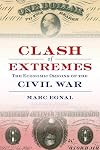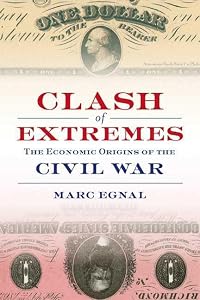
Clash of Extremes: The Economic Origins of the Civil War
by Marc Egnal
On This Page
Description
Clash of Extremes takes on the reigning orthodoxy that the American Civil War was waged over high moral principles. Marc Egnal contends that economics, more than any other factor, moved the country to war in 1861.Drawing on a wealth of primary and secondary sources, Egnal shows that between 1820 and 1850, patterns of trade and production drew the North and South together and allowed sectional leaders to broker a series of compromises. After midcentury, however, all that changed as the rise show more of the Great Lakes economy reoriented Northern trade along east-west lines. Meanwhile, in the South, soil exhaustion, concerns about the country's westward expansion, and growing ties between the Upper South and the free states led many cotton planters to contemplate secession. The war that ensued was truly a "clash of extremes."Sweeping from the 1820s through Reconstruction and filled with colorful portraits of leading individuals, Clash of Extremes emphasizes economics while giving careful consideration to social conflicts, ideology, and the rise of the antislavery movement. The result is a bold reinterpretation that will challenge the way we think about the Civil War. show lessTags
Recommendations

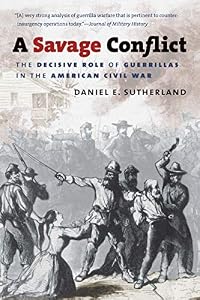
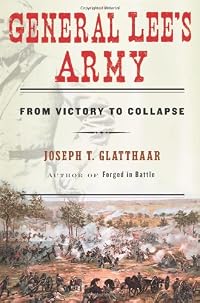

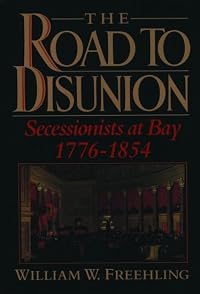
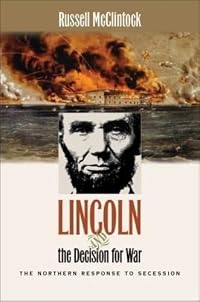






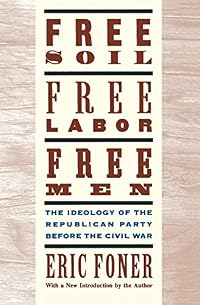
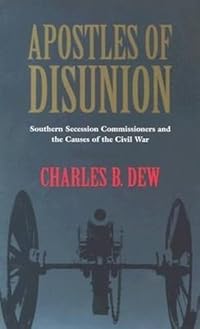
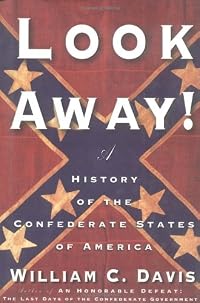


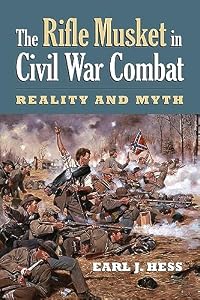



Member Recommendations
jrgoetziii Egnal's scholarship is outstanding-but how to explain the apparent irrationality, at times, of the Southern approach to the Civil War?
Member Reviews
Great detail about the formation of the Republican party and its economic goals and priorities and how the South became alienated from the Northern economy and its westward expansion. Egnal has been accused of ignoring slavery as the cause of the war; however, I feel he details the real economic conflicts between the backward, isolated agrarian plantation/slave system of the South and the vibrant expanding Industrial North.
For example, Egnal tells of a the son of a rich Virgina planter who studies the new science of Soil Management, Crop Rotation and the use of modern agricultural equipment, such as steam powered tractors and harvesters. He finds huge improvement in crop yields if soils are limed and then fertilized with manure. He show more travels to South Carolina where the same crops have been grown on the same land for many generations, cutting crop yields by 75%. He tries to educated the plantation owners in more up to date farming techniques, and discovers they will not invest in new equipment because the slave laborers are considered unable to learn how to maintain and operate modern farming equipment. The Carolina planters also considered the use of manure as a fertilizer to be "crude" and unworthy of a gentleman farmer. They would rather buy cheap land and move their slave-based farming system in the West - Arkansas, West Texas, Missouri and beyond. show less
For example, Egnal tells of a the son of a rich Virgina planter who studies the new science of Soil Management, Crop Rotation and the use of modern agricultural equipment, such as steam powered tractors and harvesters. He finds huge improvement in crop yields if soils are limed and then fertilized with manure. He show more travels to South Carolina where the same crops have been grown on the same land for many generations, cutting crop yields by 75%. He tries to educated the plantation owners in more up to date farming techniques, and discovers they will not invest in new equipment because the slave laborers are considered unable to learn how to maintain and operate modern farming equipment. The Carolina planters also considered the use of manure as a fertilizer to be "crude" and unworthy of a gentleman farmer. They would rather buy cheap land and move their slave-based farming system in the West - Arkansas, West Texas, Missouri and beyond. show less
An interesting take on the cause of the US Civil War, Egnal argues that it was economics, far more than slavery or states rights that set the two regions on a collision course. Thoroughy researched and full of facts and figures, he also weaves in stories of individuals to make his case. I am not sure I buy into it 100%, but it certainly thought-provoking and worth the read.
Ratings
Members
- Recently Added By
Author Information

6 Works 204 Members
Common Knowledge
- Important events
- American Civil War
Classifications
Statistics
- Members
- 126
- Popularity
- 254,271
- Reviews
- 2
- Rating
- (4.13)
- Languages
- English
- Media
- Paper, Ebook
- ISBNs
- 3
- ASINs
- 3