On This Page
Description
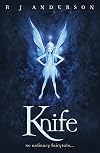
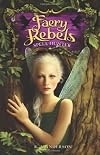
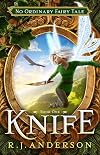
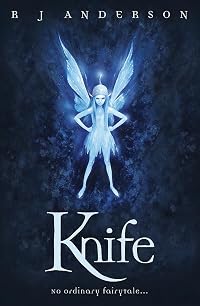
In a dying faery realm, only the brave and rebellious faery Knife persists in trying to discover how her people's magic was lost and what is needed to restore their powers and ensure their survival, but her quest is endangered by her secret friendship with a human named Paul.Tags
Recommendations


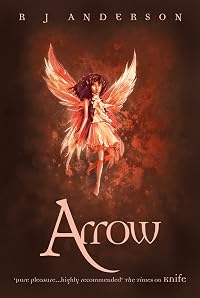
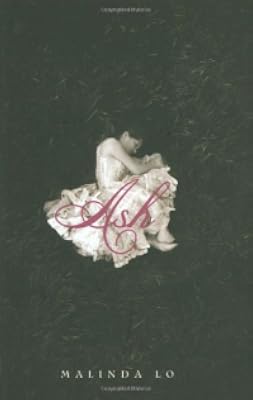
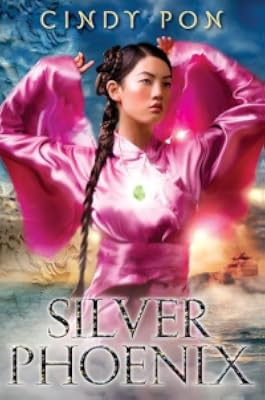
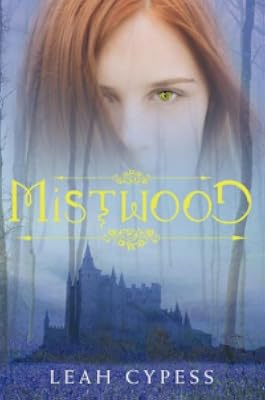
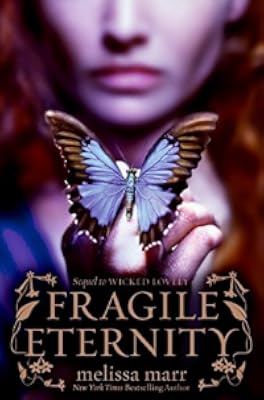
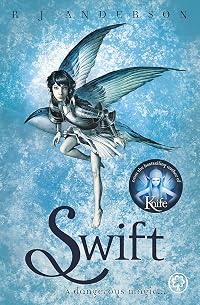
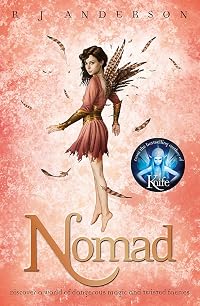
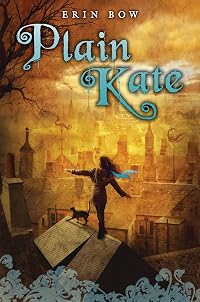
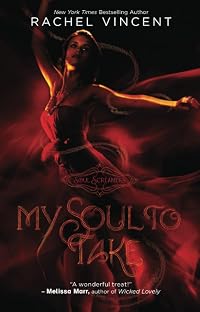
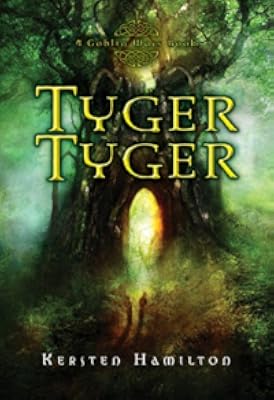
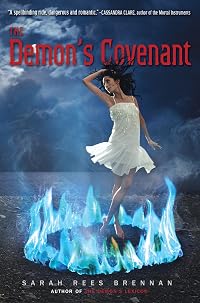


Member Recommendations
stephxsu Similar independent and versatile female protagonist.
Member Reviews
I loved the first half of this book and it did a lot of things right, but I was vastly less thrilled with the second half. Spoilers incoming.
Things I liked:
- The way fairy culture was portrayed as distinctly different from human life and the way Knife and Paul learned about each other's people
- The strong friendships that developed over the course of the book; not just Knife and Paul's but especially the one between Knife and Wink (both her "mother" and her friend), and Knife and her mentor Thorn, and even Wink and Thorn, although we only got the faintest glimpse of the latter
- The male lead (and in fact the only male character of any importance in the book) is a boy in a wheelchair! I would've preferred if that wasn't mostly just used show more as a source of frustration and feelings of inferiority, but still. How many romantic leads in wheelchairs do you see in the media?
- Some of Queen Amarylis' moral ambiguity, with her ultimately doing the best she can
Things I didn't really care for:
- The love story itself, especially once the ~forbidden love~ element came into it, complete with "Oh if I stay a fairy, we can never love each other!". As Thorn would say, hedgehog droppings.
- The way the narrative danced around whether Amarylis was really an "evil queen" or not. After it became clear that she was doing all she could to protect the Oakenwyld, I got really tired of all the "Oh but she's *really* ruthless! Really, I mean it this time!" fakeouts.
- The overall lack of details (substance? I find it hard to pinpoint what exactly bothered me here) and how the (adult?) reader solves the mystery at around the halfway point while it takes the characters until near the end of the book. Which I realise is mostly because I'm not the target audience (I think the publisher made the right call when they recommended this book for "ages 11 and up") and is probably my least "severe" problem with the book, but I thought I'd mention it anyway.
Things I disliked enough to drop this book down to three stars:
- The way the entirety of fairy culture is completely dependant on humans to the point where (the answer to) the whole main mystery is that the fairies of the Oak are all dying because they're not in contact with humans anymore, and that without the fragile workaround of the eggs they not only need humans to stay alive but even to just procreate. (I am trying really hard not to think about the unfortunate implications of the Oakenwyld fairies being an all-female race who literally cannot keep functioning without outside help.) Related:
- The whole genius/muse myth. I think the author was trying to make the relationship between fairies and humans more symbiotic by having fairies give humans "inspiration", but even if ~geniuses~ didn't bother me in general I don't think that would've worked for me: clearly humans have been doing just fine without regular fairy contact because they don't need geniuses everywhere, while fairies are, as mentioned above, utterly dependant on humans. And what kind of sense does that make anyway? Fairies need creativity to live, but they are not capable of creativity themselves, but they can inspire it in humans and then take human creativity back to their people? Pffffffff.
- The lack of communication in the ending/before Amarylis casts the spell that makes Knife human permanently. Way to take the decision out of our heroine's hands "for her own good"! (And she had planned to do something very similar to Paul instead. I know I'm not the only one who thinks that isn't such a stellar basis for a romantic relationship that we're supposed to hope lasts a lifetime.)
So, yeah. I did enjoy the book overall and would like to hear more from the fairies of the Oak or other wylds, but for the above reasons, I'm more than weary of picking up the other books in this series. show less
Things I liked:
- The way fairy culture was portrayed as distinctly different from human life and the way Knife and Paul learned about each other's people
- The strong friendships that developed over the course of the book; not just Knife and Paul's but especially the one between Knife and Wink (both her "mother" and her friend), and Knife and her mentor Thorn, and even Wink and Thorn, although we only got the faintest glimpse of the latter
- The male lead (and in fact the only male character of any importance in the book) is a boy in a wheelchair! I would've preferred if that wasn't mostly just used show more as a source of frustration and feelings of inferiority, but still. How many romantic leads in wheelchairs do you see in the media?
- Some of Queen Amarylis' moral ambiguity, with her ultimately doing the best she can
Things I didn't really care for:
- The love story itself, especially once the ~forbidden love~ element came into it, complete with "Oh if I stay a fairy, we can never love each other!". As Thorn would say, hedgehog droppings.
- The way the narrative danced around whether Amarylis was really an "evil queen" or not. After it became clear that she was doing all she could to protect the Oakenwyld, I got really tired of all the "Oh but she's *really* ruthless! Really, I mean it this time!" fakeouts.
- The overall lack of details (substance? I find it hard to pinpoint what exactly bothered me here) and how the (adult?) reader solves the mystery at around the halfway point while it takes the characters until near the end of the book. Which I realise is mostly because I'm not the target audience (I think the publisher made the right call when they recommended this book for "ages 11 and up") and is probably my least "severe" problem with the book, but I thought I'd mention it anyway.
Things I disliked enough to drop this book down to three stars:
- The way the entirety of fairy culture is completely dependant on humans to the point where (the answer to) the whole main mystery is that the fairies of the Oak are all dying because they're not in contact with humans anymore, and that without the fragile workaround of the eggs they not only need humans to stay alive but even to just procreate. (I am trying really hard not to think about the unfortunate implications of the Oakenwyld fairies being an all-female race who literally cannot keep functioning without outside help.) Related:
- The whole genius/muse myth. I think the author was trying to make the relationship between fairies and humans more symbiotic by having fairies give humans "inspiration", but even if ~geniuses~ didn't bother me in general I don't think that would've worked for me: clearly humans have been doing just fine without regular fairy contact because they don't need geniuses everywhere, while fairies are, as mentioned above, utterly dependant on humans. And what kind of sense does that make anyway? Fairies need creativity to live, but they are not capable of creativity themselves, but they can inspire it in humans and then take human creativity back to their people? Pffffffff.
- The lack of communication in the ending/before Amarylis casts the spell that makes Knife human permanently. Way to take the decision out of our heroine's hands "for her own good"! (And she had planned to do something very similar to Paul instead. I know I'm not the only one who thinks that isn't such a stellar basis for a romantic relationship that we're supposed to hope lasts a lifetime.)
So, yeah. I did enjoy the book overall and would like to hear more from the fairies of the Oak or other wylds, but for the above reasons, I'm more than weary of picking up the other books in this series. show less
Originally posted at Paperback Wonderland.
Generally speaking, I know how good a book is if I almost die while reading it. I tend to read while walking and if the book is good enough, chances are I'll stupidly walk into traffic and almost give some innocent driver a heart-attack.
That didn't happen with the Faery Rebel series, I only tripped and fell onto some train tracks while reading them, but I knew then and there that they were wonderful.
First of all, the main protagonist is a tiny fairy who still manages to be more badass than almost all action heroes combined. Seriously, Rambo had better watch out for Knife, if he wanders too near her tree - that's how awesome she is.
Second, I absolutely LOVE that [a:R.J. Anderson|1330287|R.J. show more Anderson|http://d.gr-assets.com/authors/1225053848p2/1330287.jpg] included a main character who is not able-bodied. In most fantasy books these characters either do not exist or there's some magic to make it all a-ok. I can not emphasise enough how great it is to have one who, for lack of a more literary expression, "keeps it real".
And third, the plot! I could start quoting and commenting but I'd just end up quoting the whole thing and making a fool of myself, and even with the spoilers tag I could not do it justice.
Great series! show less
Generally speaking, I know how good a book is if I almost die while reading it. I tend to read while walking and if the book is good enough, chances are I'll stupidly walk into traffic and almost give some innocent driver a heart-attack.
That didn't happen with the Faery Rebel series, I only tripped and fell onto some train tracks while reading them, but I knew then and there that they were wonderful.
First of all, the main protagonist is a tiny fairy who still manages to be more badass than almost all action heroes combined. Seriously, Rambo had better watch out for Knife, if he wanders too near her tree - that's how awesome she is.
Second, I absolutely LOVE that [a:R.J. Anderson|1330287|R.J. show more Anderson|http://d.gr-assets.com/authors/1225053848p2/1330287.jpg] included a main character who is not able-bodied. In most fantasy books these characters either do not exist or there's some magic to make it all a-ok. I can not emphasise enough how great it is to have one who, for lack of a more literary expression, "keeps it real".
And third, the plot! I could start quoting and commenting but I'd just end up quoting the whole thing and making a fool of myself, and even with the spoilers tag I could not do it justice.
Great series! show less
Something isn't quite right in the Oakenwyld. The fairies are terrified to go outside, they're losing their creativity, and their numbers are dwindling. Young Bryony has a chance face-to-face meeting with a human that leaves the other fairies aghast and Bryony remorseful but curious. After Bryony comes of age, Queen Amaryllis appoints her as the Queen's Hunter. Bryony is thrilled. Now she gets to venture out of the tree on legitimate business every day and see a bit of the wider world. She starts to question the way things are, and soon she finds herself torn between not wanting to endanger her friends and trying to find out if she can help them lead a better life.
I enjoyed this. I love fairy tales and I love the idea of fairies. show more Unfortunately, most of the modern books I pick up about fairies disappoint me. They're so very dark and dangerous. I want to see the cute little flower fairies. (Why, yes, I do think Disney Fairies are the cutest things ever!) This delivered the cute fairies with flowery names while also giving me a mystery that kept my attention. This is probably more of a middle-grade book than a young-adult book, but I still couldn't guess how everything was going to tie together and end up. There's a little darkness, a little twisty-ness, but nothing that went too overboard.
Bryony is such a feisty little thing, I couldn't help but love her. She's practically fearless. Fearless can lead to stupidity in real life, and it happened a little with Bryony too. She would occasionally get over-confident and she'd pay the consequences and learn from her mistakes. She isn't content with hearing, "That's the way things are," she wants to know why things are the way they are and if it doesn't make sense to her, she challenges the status quo.
The next book in the series, [b:Wayfarer|6399294|Wayfarer (Faery Rebels, #2)|R.J. Anderson|http://photo.goodreads.com/books/1261096445s/6399294.jpg|6587991], was just released in the US, and I'll be keeping an eye out for it. This was a nice little break for me.
Pick this up if you don't like your fairies quite so dark. show less
I enjoyed this. I love fairy tales and I love the idea of fairies. show more Unfortunately, most of the modern books I pick up about fairies disappoint me. They're so very dark and dangerous. I want to see the cute little flower fairies. (Why, yes, I do think Disney Fairies are the cutest things ever!) This delivered the cute fairies with flowery names while also giving me a mystery that kept my attention. This is probably more of a middle-grade book than a young-adult book, but I still couldn't guess how everything was going to tie together and end up. There's a little darkness, a little twisty-ness, but nothing that went too overboard.
Bryony is such a feisty little thing, I couldn't help but love her. She's practically fearless. Fearless can lead to stupidity in real life, and it happened a little with Bryony too. She would occasionally get over-confident and she'd pay the consequences and learn from her mistakes. She isn't content with hearing, "That's the way things are," she wants to know why things are the way they are and if it doesn't make sense to her, she challenges the status quo.
The next book in the series, [b:Wayfarer|6399294|Wayfarer (Faery Rebels, #2)|R.J. Anderson|http://photo.goodreads.com/books/1261096445s/6399294.jpg|6587991], was just released in the US, and I'll be keeping an eye out for it. This was a nice little break for me.
Pick this up if you don't like your fairies quite so dark. show less
Wow. I was not expecting such heavy themes to be shelved in the tween section. This book really threw me, in a very good way.
Trigger Warning for suicide. Since one would not expect that out of a faery story.
Knife is a young faery who just wants to explore. We grow with Knife on her journey, not only to adulthood, also to self awareness. She is the queen's hunter. She is also the queen's most disobedient subject. What will Knife get up to next.
Trigger Warning for suicide. Since one would not expect that out of a faery story.
Knife is a young faery who just wants to explore. We grow with Knife on her journey, not only to adulthood, also to self awareness. She is the queen's hunter. She is also the queen's most disobedient subject. What will Knife get up to next.
Twee but interesting. Then again, it is a book for kids (not sure what age; it's shelved in junior in my library, but there's a romance, albeit very chaste). Amidst the faeries at the bottom of the garden with flower names, there's a lot of interesting themes about safety versus stagnation, selfishness versus vulnerability, and the value of meeting, not fearing, the Other. Nice twists in the who-can-we-trust stakes, and a satisfying (and not as twee as it could be) ending.
Knife has lived in a faery world that is different. There is hardly any magic in the lives of the faery's, and the faery's are afraid to adventure beyond the large oak that they live in. However, Knife is different. She wants to be free, shes not afraid of the outside world, and she is smart. When Knife starts sneaking out of the oak and meets up the crippled boy that lives in the house by the oak, new ideas and hopes open up for Knife. Though art was lost to her faery realm ages ago, Paul teaches her how to draw. Knife and Paul become friends, especially after Knife saved Paul from nearly killing himself in despair for his body condition. Knife starts to discover secrets that no one knew before. Knife feels the urge to learn more, and show more help break the mystery. However, her bond with Paul grows stronger, and she learns that faery's have actually lived with humans before, Knife has some serious choices to make. Will she decide the right things or will she bring the faery realm into a worse spot than what it is already at?
I really enjoyed reading "Faery Rebels!" R.J. Anderson portrayed the faery's differently than most stories and I enjoyed that. Knife was easy to like with her witty ideas and humor! I thought that the story moved along at a good pace and overall, I really like it. Even though the suggested age is 10+, I think that older readers will still enjoy it! I really hope that R.J continues the series with more "Faery Rebels!" show less
I really enjoyed reading "Faery Rebels!" R.J. Anderson portrayed the faery's differently than most stories and I enjoyed that. Knife was easy to like with her witty ideas and humor! I thought that the story moved along at a good pace and overall, I really like it. Even though the suggested age is 10+, I think that older readers will still enjoy it! I really hope that R.J continues the series with more "Faery Rebels!" show less
After a horrifying yet mysterious event known as the Sundering, the faeries who live in the Oakenwyld possess very little magic, and something seems to be killing them off, even as their queen, Amaryllis, forbids them to go outside the Oak, for fear that predators—such as crows and the terrifying humans—will destroy them even faster.
However, the Queen’s Hunter, Knife, will not be satisfied with staying away from the humans. She ends up befriending Paul, a crippled human boy living in the nearby House. The more Knife learns about the humans, the more she thinks there is something fishy about her faery community’s mistrust of humans. With Paul and her faery friends’ help, Knife may be able to discover what is ailing show more Oakenwyld—but only at the cost of heavy sacrifices. What is Knife willing to do for love, even if the love is impossible?
The world of FAERY REBELS is instantly engaging, a space filled with danger, betrayal, creativity, and hope. Knife is a fantastic character, a young faery willing to follow her instincts and take risks; she reminds me a lot of Katniss from The Hunger Games, which was GREAT! I have no doubt that she will easily win the hearts of readers of all ages.
R. J. Anderson spins a convincing world with strong supporting characters and an elaborate plotline, filled with interesting backstories. At times I got frustrated when the characters felt the need to talk aloud every step of their thought process to reach revelations that I, as the reader, would’ve liked to figure out myself, instead of being smashed in the face with it. But I can see why younger readers—those in middle school—wouldn’t be bothered by that, so I suppose it was just a minor complaint on my part.
Overall, FAERY REBELS is a must-read 2009 debut novel. You will reluctantly put the book down at the end, sad because you crave so much more of Knife and Paul’s world. Seriously, teat yourself to this marvelous fantasy novel, and then you, like me, will be eagerly awaiting what R. J. Anderson has for us next. show less
However, the Queen’s Hunter, Knife, will not be satisfied with staying away from the humans. She ends up befriending Paul, a crippled human boy living in the nearby House. The more Knife learns about the humans, the more she thinks there is something fishy about her faery community’s mistrust of humans. With Paul and her faery friends’ help, Knife may be able to discover what is ailing show more Oakenwyld—but only at the cost of heavy sacrifices. What is Knife willing to do for love, even if the love is impossible?
The world of FAERY REBELS is instantly engaging, a space filled with danger, betrayal, creativity, and hope. Knife is a fantastic character, a young faery willing to follow her instincts and take risks; she reminds me a lot of Katniss from The Hunger Games, which was GREAT! I have no doubt that she will easily win the hearts of readers of all ages.
R. J. Anderson spins a convincing world with strong supporting characters and an elaborate plotline, filled with interesting backstories. At times I got frustrated when the characters felt the need to talk aloud every step of their thought process to reach revelations that I, as the reader, would’ve liked to figure out myself, instead of being smashed in the face with it. But I can see why younger readers—those in middle school—wouldn’t be bothered by that, so I suppose it was just a minor complaint on my part.
Overall, FAERY REBELS is a must-read 2009 debut novel. You will reluctantly put the book down at the end, sad because you crave so much more of Knife and Paul’s world. Seriously, teat yourself to this marvelous fantasy novel, and then you, like me, will be eagerly awaiting what R. J. Anderson has for us next. show less
Members
- Recently Added By
Lists

Faerie Mythology
87 works; 13 members

KayStJ's to-read list
1,616 works; 11 members
Talk Discussions
Past Discussions
Found: Fairy/ faerie book with a plain black cover and a glowy blue fairy in the middle in Name that Book (October 2023)
Author Information

13 Works 2,108 Members

R. J. Anderson is a LibraryThing Author, an author who lists their personal library on LibraryThing.
Awards and Honors
Awards
Notable Lists
Series

Common Knowledge
- Canonical title
- Knife
- Alternate titles
- Knife
- Original publication date
- 2009-05-01
- People/Characters
- Knife; Paul Mccormick; Heather; Thorn; Campion; Amaryllis (show all 14); Linden; Wink; Valerian; Jasmine; Old Wormwood; Alfred Wrenfield; Lavender; Vermeer
- Important places
- Oakenwyld
- Dedication
- To my father, the voice of Aslan;
To my mother, who taught me to do what is right and not give way to fear;
And to my brother Pete, who may not believe in faeries but always believed in me. - First words
- "I only want to go out for a little, little while," the faery child pleaded.
- Blurbers
- Marr, Melissa; Turner, Megan Whalen; Prineas, Sarah; Wrede, Patricia C.
Classifications
Statistics
- Members
- 522
- Popularity
- 57,617
- Reviews
- 39
- Rating
- (4.07)
- Languages
- English, German
- Media
- Paper, Audiobook, Ebook
- ISBNs
- 19
- ASINs
- 8