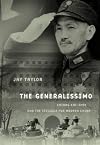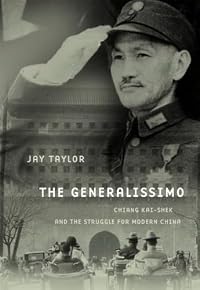
The Generalissimo: Chiang Kai-shek and the Struggle for Modern China
by Jay Taylor
On This Page
Description
Chiang was a man of war who led the most ancient and populous country in the world through a quarter century of bloody revolutions, civil conflict, and wars of resistance against Japanese aggression. In 1949, when he was defeated by Mao Zedong, he fled to Taiwan, where he ruled for another twenty-five years. Playing a key role in the cold war with China, Chiang suppressed opposition with his "white terror," controlled inflation and corruption, carried out land reform, and raised personal show more income, health, and educational levels on the island. --from publisher description show lessTags
Recommendations
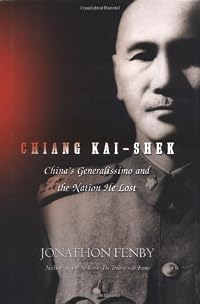
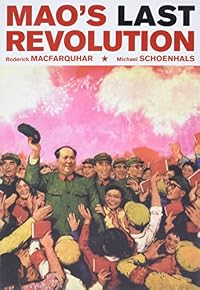
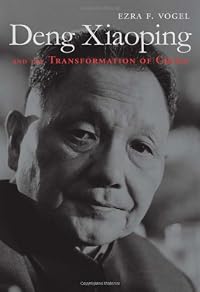
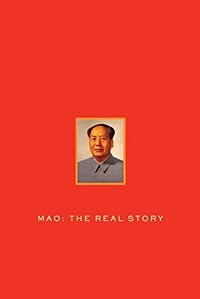


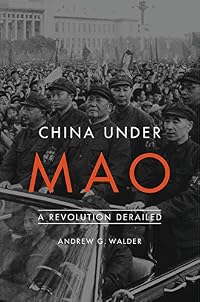

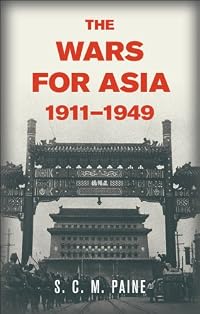
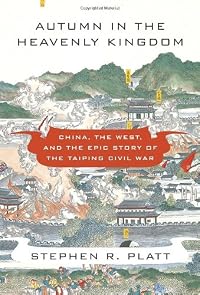
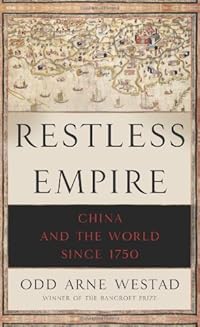
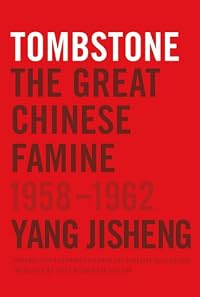
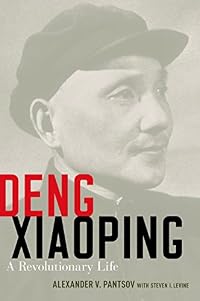

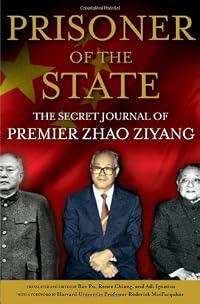
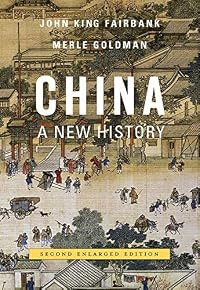



Member Recommendations
Member Reviews
Chiang Kai-Shek (also Jiang Jieshi) was one of the most polarising Chinese figures of the twentieth century, equally celebrated as the victor over the Japanese and reviled as the man who lost the Mainland to the Communists after defeat in the Chinese Civil War.
Taylor's new, revisionary biography attempts to rehabilitate the man behind the superlatives and portray Chiang as a more nuanced and humanised figure: for example in discussing his conversion to Christianity after his marriage to Soong Mayling (Song Meiling). Drawing on numerous newly-available Chinese sources from the National Archives in Taiwan including Chiang's personal diaries, Taylor provides a much more detailed and personal biography of Chiang.
Of particular note is the show more post-war history that Taylor narrates: the founding of a modern, renewed Republic of China on Taiwan, the intricacies of Cold War politics and how deeply betrayed Chiang and those on Taiwan felt as America, particularly, recognised the PRC in lieu of the ROC.
Unlike previous biographies that categorically castigate Chiang for losing China owing to his own ineptitude, Taylor's biography takes a long view of history and proposes that the modern society and economy on Taiwan that arose as a result of both Chiang Kai-Shek and his son, Chiang Ching-kuo's rule as more in line with Sun Yat-sen's vision of China as opposed to the Communist rule on the Mainland.
This biography is a welcome addition to scholarship on Modern Chinese history and politics, and a welcome change, too, to the scholarly treatment of Chiang himself. A better knowledge not only of China's twentieth-century history but also of its future is given on reading this. show less
Taylor's new, revisionary biography attempts to rehabilitate the man behind the superlatives and portray Chiang as a more nuanced and humanised figure: for example in discussing his conversion to Christianity after his marriage to Soong Mayling (Song Meiling). Drawing on numerous newly-available Chinese sources from the National Archives in Taiwan including Chiang's personal diaries, Taylor provides a much more detailed and personal biography of Chiang.
Of particular note is the show more post-war history that Taylor narrates: the founding of a modern, renewed Republic of China on Taiwan, the intricacies of Cold War politics and how deeply betrayed Chiang and those on Taiwan felt as America, particularly, recognised the PRC in lieu of the ROC.
Unlike previous biographies that categorically castigate Chiang for losing China owing to his own ineptitude, Taylor's biography takes a long view of history and proposes that the modern society and economy on Taiwan that arose as a result of both Chiang Kai-Shek and his son, Chiang Ching-kuo's rule as more in line with Sun Yat-sen's vision of China as opposed to the Communist rule on the Mainland.
This biography is a welcome addition to scholarship on Modern Chinese history and politics, and a welcome change, too, to the scholarly treatment of Chiang himself. A better knowledge not only of China's twentieth-century history but also of its future is given on reading this. show less
The author works hard to show that Chiang's personal honor, almost ascetic life and cunning intelligence absolve him from the horrors of leading civil war. At least, Chiang did not kill a whole social class or wreck an almost functioning economy (as Mao did.) But he copied Mao in his security apparatus and seems to have confused China with Chiang for a long part of his life. No heroes in this book.
Excellent history of China through the long life of Chiang Kai-Shek. Explains in detail, the complexity of Taiwan (Republic of China) with it's freedom vs the mainland People's Republic of China with it's history of communism, the center of which has always been Russia.
Well-written and informative. I really like the interesting narration of the japanese invasion of china and the civil war, including the negotiations between Zhou Enlai and Chang Kai-shek. The diplomatic maneuverings especially at the United Nations were also covered adequately. I would recommend this book to anyone interested on the subject.
See the strong critiques of this book in Steve Tsang’s review article.
Ratings
Members
- Recently Added By
Lists

Favourite Books
1,817 works; 308 members

In Our Time books
4,934 works; 2 members
Author Information
6 Works 171 Members
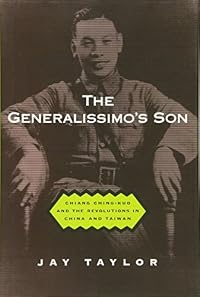
Jay Taylor is a Research Associate at the Fairbank Center for Chinese Studies at Harvard University and the author of The Generalissimo's Son: Chiang Ching-kuo and the Revolutions in China and Tai-wan (Harvard).
Awards and Honors
Awards
Notable Lists
Common Knowledge
- Canonical title
- The Generalissimo: Chiang Kai-shek and the Struggle for Modern China
- Original publication date
- 2009
- People/Characters
- Chiang Kai-shek
- Important places
- China; Taiwan
Classifications
Statistics
- Members
- 146
- Popularity
- 223,476
- Reviews
- 5
- Rating
- (4.09)
- Languages
- English
- Media
- Paper, Ebook
- ISBNs
- 3
- ASINs
- 2