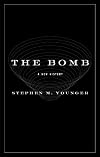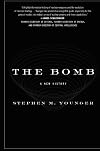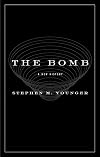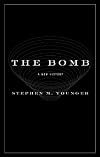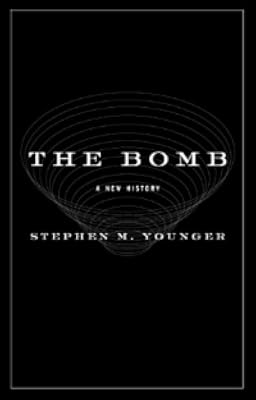
The Bomb: A New History
by Stephen M. Younger
On This Page
Description
From his years in U.S. weapons systems to his meetings with nuclear arms experts in Moscow, former weapons designer Stephen M. Younger has witnessed firsthand the making of nuclear policy. With a deep understanding of both the technology and the politics, he guides us from the Manhattan Project to the Cold War and into the present day, illuminating how nuclear weapons fit into our globalized, war-plagued world. Younger reveals the myths and realities of how these weapons work, and how our show more nuclear policy evolved to what it is today. Does the United States genuinely need a massive stockpile in an era of precision bombs and missile defense? Under what circumstances might we need nuclear weapons in the future? How does the proliferation of weapons in the hands of other nations affect our own nuclear policy?--From publisher description. show lessTags
Recommendations







Member Reviews
A lot of people seem to like this book, and it's not that it's not good -- it is. It provides a solid history of how it came to be and what has happened since with some good technical details thrown in. And for those not already familiar with such information, it's a good primer. However, in terms of the author's present worldview, recent worldview, future worldview, again, while I don't necessarily disagree, it simply seems a bit dated and it's hard to believe this was published merely a decade or so ago, because this feels most definitely like an immediate post-Cold War book to me, and one wonders where the author has been the past 20 years... It's like he hasn't kept up with the changes he didn't anticipate, or couldn't have in 1990, show more but which were already taking place before he even published this book. Which again begs the question -- are his assessments of present geopolitical conditions, military strategies, hegemoies, etc., accurate not only at the time of publication but today? I think most would argue, NO, they weren't and aren't. I feel fairly confident I could, most certainly. Which then begs the question of if he was and is so off base in his understanding of the present dynamics and his predictions of future dynamics and geopolitical likelihoods, how do we know how much to trust from this book, and further, is this book of any current relevant value? As a historical primer, it's fairly well done. As a "New History," it fails miserably. There are many better books out there and thus this is most definitely NOT remotely recommended. show less
I learned more about nuclear weapons reading these 220 pages than I did as a member of the national security community for 25 years. Younger lucidly lays out the history of nuclear weapons, the technological issues involved in maintaining them and in verifying arms control agreements, and describes the rationale behind such strategies as MAD and counter-value plans. I checked this book out of my local library, but I just ordered a copy, it is worth having.
The author is an expert on nuclear weapons, having worked in the nuclear weapons program and in the government . This book covers the history of nuclear weapons and the current state of our weapons. It also reviews the nuclear policy and tactics. I found the sections on the history and current state of our weapons interesting. The policy and theory sections were also interesting, but I thought they were too high level. I would have preferred that he give his own opinions on our current policies. I would have also preferred to read more about the possibilities for arms reduction. I found this informative but not as authoritative as I wanted. It was easy to read and useful.
A very direct, informative introduction to the physics and engineering needed to understand nuclear weapons policy.
It's not often an actual weapons designed gets to tell things. He doesn't tell all but has a very informed opinion.
First hand account of nuclear weapons with very good pix
Ratings
Members
- Recently Added By
Author Information
4 Works 113 Members
Stephen M. Younger is a senior policy scholar at the Woodrow Wilson International Center for Scholars. He recently retired as a senior fellow at Los Alamos National Laboratory, where he was in charge of nuclear weapons research and development. From 2001 to 2004, he was director of the Defense Threat Reduction Agency at the U.S. Department of show more Defense. He lives in Las Vegas. show less
Classifications
Statistics
- Members
- 86
- Popularity
- 372,498
- Reviews
- 6
- Rating
- (3.45)
- Languages
- English
- Media
- Paper, Ebook
- ISBNs
- 4
- ASINs
- 2