On This Page
Description
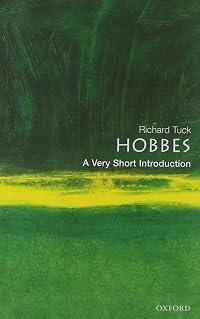
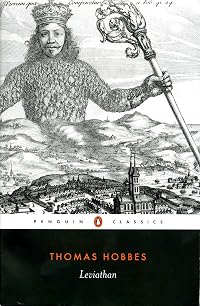
Thomas Hobbes has long had the reputation of being a pessimistic atheist, who saw human nature as evil, proposing a totalitarian state to subdue human failings. This study re-evaluates his philosophy, showing his concern with refuting scepticism.Tags
Recommendations


Member Reviews
Okay, to be fair, I already agree with much of Tuck's method. I do think the best way to understand political thought is to pay attention scrupulously to its historical context; that such attention will probably reveal no Immortal, Eternal Wisdom but rather a set of tactical responses to actual political events; that the first interpreters of political books are most likely the best interpreters. So I'm biased.
All that said, this was one of the best VSIs I've read: a massive amount of information, a clear and reasonably readable style, a perfect balance between depth and breadth. You get a great summary of Hobbes' context and his biography, a good summary of his thought (including, crucially, his physics, metaphysics, methodology and show more religious thought as well as the ethics and politics), and a great summary of Hobbes interpretation. It's unclear to me why Goodreads reviewers insist on giving it 3 stars, unless they're all Straussians or are put off by Tuck's unbalanced description of C. B. McPherson's work (which - in 'Possessive Individualism' at least - does not claim, as Tuck suggests, that Hobbes is the defender of the bourgeoisie; it argues quite persuasively that Hobbes took his own social context to provide an eternal picture of human nature).
Highly recommended. show less
All that said, this was one of the best VSIs I've read: a massive amount of information, a clear and reasonably readable style, a perfect balance between depth and breadth. You get a great summary of Hobbes' context and his biography, a good summary of his thought (including, crucially, his physics, metaphysics, methodology and show more religious thought as well as the ethics and politics), and a great summary of Hobbes interpretation. It's unclear to me why Goodreads reviewers insist on giving it 3 stars, unless they're all Straussians or are put off by Tuck's unbalanced description of C. B. McPherson's work (which - in 'Possessive Individualism' at least - does not claim, as Tuck suggests, that Hobbes is the defender of the bourgeoisie; it argues quite persuasively that Hobbes took his own social context to provide an eternal picture of human nature).
Highly recommended. show less
Tomas Hobsi (Thomas Hobs) ishte i pari filozof i madh anglez në lëmin e mendimit politik. Vepra e tij Leviathan ishte me të vërtetë e para ndër veprat e filozofisë moderne. Për një kohë të gjatë ai është vështruar si një ateist pesimist, që e pikturonte natyrën njerëzore si pashmangshmërisht të ligë, çka e shtyu drejt përvijimit të idesë së një shteti totalitar, i cili përmes nënshtrimit do të synonte të shmangte mangësitë apo ligësitë e njeriut të vështruar si qenie individuale.
Në këtë studim dritëhedhës, Richard Tuck rreh të zhveshë një e nga një mitet e mësipërme, për të na zbuluar një Hobs të lëshuar, plot pasion, kundër hedhjes poshtë skepticizmit qoftë në shkencë qoftë show more në etikë. Krahas kësaj autori tregon se si Hobsi lëvroi një teori njohjeje, që për nga rëndësia, në formimin e filozofisë moderne rivalizon ndjeshëm teorinë e lëvruar nga Dekarti. show less
Në këtë studim dritëhedhës, Richard Tuck rreh të zhveshë një e nga një mitet e mësipërme, për të na zbuluar një Hobs të lëshuar, plot pasion, kundër hedhjes poshtë skepticizmit qoftë në shkencë qoftë show more në etikë. Krahas kësaj autori tregon se si Hobsi lëvroi një teori njohjeje, që për nga rëndësia, në formimin e filozofisë moderne rivalizon ndjeshëm teorinë e lëvruar nga Dekarti. show less
It does what it says on the tin, with a first chapter on Hobbes's life and times putting him in his intellectual context, followed by an exploration of his thought, and then how some other philosophers have reacted to him.
The first chapter was interesting and easy to follow but I did struggle a bit more with the second and third chapters.
The first chapter was interesting and easy to follow but I did struggle a bit more with the second and third chapters.
This is the best "wee book on..." series out there. If I need to know about something, and there's a book in this series, I get it first.
Ratings
Members
- Recently Added By
Author Information

10+ Works 669 Members
Richard Tuck is one of the world's greatest historians of political thought. He is Frank G. Thomson Professor of Government at Harvard University.
Series

Common Knowledge
- Canonical title
- Hobbes: A Very Short Introduction
- Original title
- Hobbes. A Very Short Introduction
- First words
- It is sometimes tempting to think that the heroes of the various histories of philosophy or ethics — men as different as St Thomas Aquinas, Machiavelli, Luther, Hobbes, Kant, or Hegel — were all in some sense engaged on a... (show all) common enterprise, and would have recognized one another as fellow workers.
- Last words
- (Click to show. Warning: May contain spoilers.)The rigid and alienating state structures of the modern world may also be an appropriate landscape for sceptics, and it is Hobbes who shows us why.
Classifications
Statistics
- Members
- 216
- Popularity
- 151,029
- Reviews
- 4
- Rating
- (3.35)
- Languages
- English, Greek
- Media
- Paper, Ebook
- ISBNs
- 6
- UPCs
- 1
- ASINs
- 2