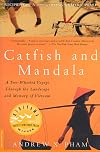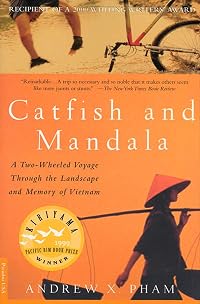
Catfish and Mandala: A Two-Wheeled Voyage Through the Landscape and Memory of Vietnam
by Andrew X. Pham
On This Page
Description
Winner of the Kiriyama Pacific Rim Book Prize A New York Times Notable Book of the Year Winner of the Whiting Writers' Award A Seattle Post-Intelligencer Best Book of the Year Catfish and Mandala is the story of an American odyssey-a solo bicycle voyage around the Pacific Rim to Vietnam-made by a young Vietnamese-American man in pursuit of both his adopted homeland and his forsaken fatherland. Intertwined with an often humorous travelogue spanning a year of discovery is a memoir of war, show more escape, and ultimately, family secrets. Andrew X. Pham was born in Vietnam and raised in California. His father had been a POW of the Vietcong; his family came to America as "boat people." Following the suicide of his sister, Pham quit his job, sold all of his possessions, and embarked on a year-long bicycle journey that took him through the Mexican desert; on a thousand-mile loop from Narita in South Korea to Kyoto in Japan; and, after five months and 2,357 miles, to Saigon, where he finds "nothing familiar in the bombed-out darkness." In Vietnam, he's taken for Japanese or Korean by his countrymen, except, of course, by his relatives, who doubt that as a Vietnamese he has the stamina to complete his journey ("Only Westerners can do it"); and in the United States he's considered anything but American. A vibrant, picaresque memoir written with narrative flair and an eye-opening sense of adventure, Catfish and Mandala is an unforgettable search for cultural identity. show lessTags
Recommendations



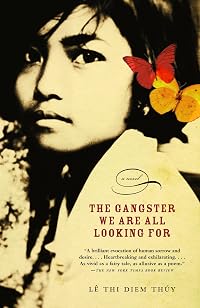


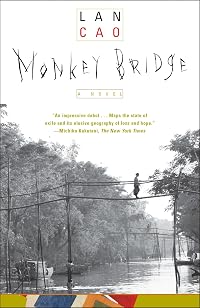
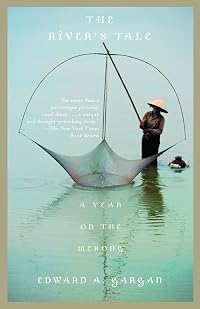

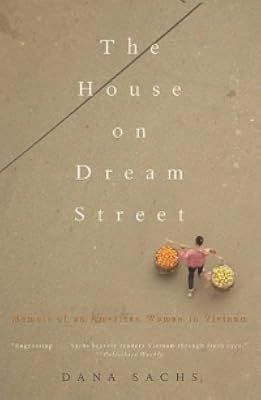


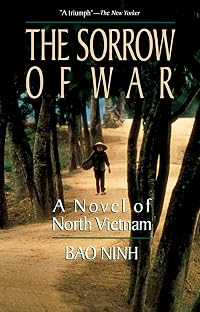
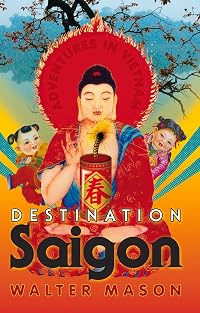
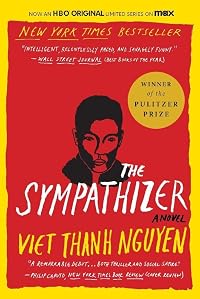
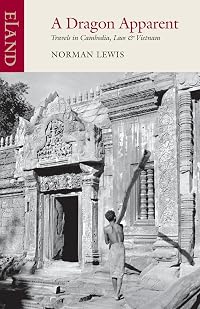



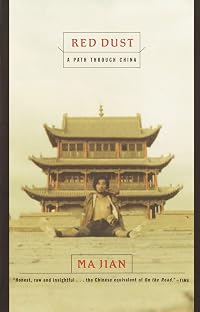
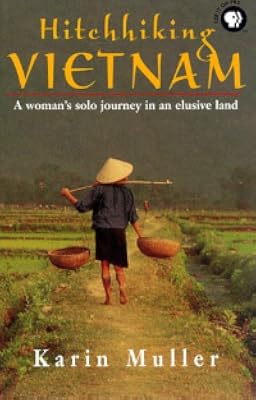
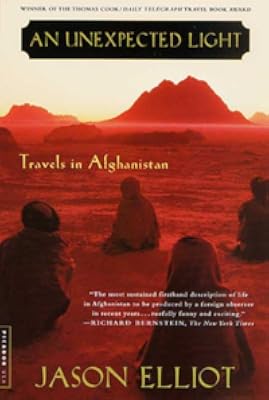
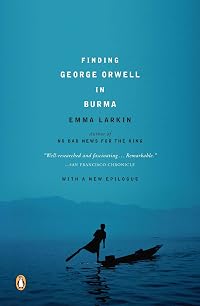

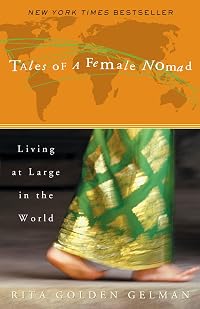
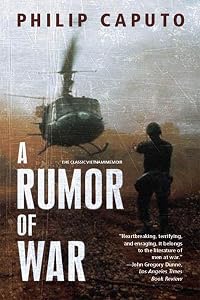
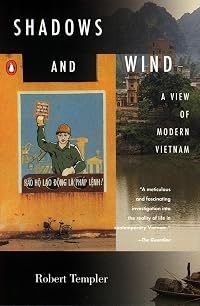
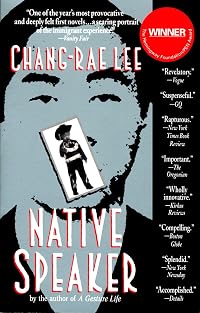



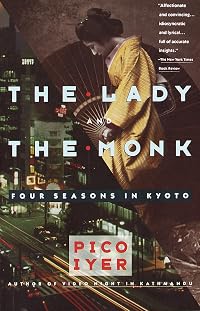
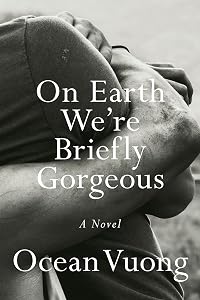
Member Recommendations
Member Reviews
I probably would not have enjoyed this book as much as I did if I hadn't been in Vietnam as I was reading it. He's a Viet-kieu, one of those "boat people" who left as a child and returned years later. As a result, he was experiencing the country as I was, but also as someone who understood the language. An outsider and (somewhat looked down-upon) insider at the same time.
I shared so many of his impressions. The streets of Hanoi jammed with motorcycles loaded with everything conceivable going every which way, ridden by masked men and women on cellphones with babies and small children riding along; not to mention the trucks and the people and the cars and the constant car horns and the pollution. The food, some delicious but some quite show more questionable (e.g. organs), and the water you can only drink out of the ubiquitous plastic bottles, both of which eventually gave him dysentery. The people, welcoming and (of him) scornful at the same time.
I liked the interwoven strands of his previous life and his journey, and how he discovered himself in the process. show less
I shared so many of his impressions. The streets of Hanoi jammed with motorcycles loaded with everything conceivable going every which way, ridden by masked men and women on cellphones with babies and small children riding along; not to mention the trucks and the people and the cars and the constant car horns and the pollution. The food, some delicious but some quite show more questionable (e.g. organs), and the water you can only drink out of the ubiquitous plastic bottles, both of which eventually gave him dysentery. The people, welcoming and (of him) scornful at the same time.
I liked the interwoven strands of his previous life and his journey, and how he discovered himself in the process. show less
Catfish and Mandala is more than an adventure story about biking across Vietnam. It's a cultural exploration and by turn, an explanation. Comparing American versus Vietnamese differing viewpoints on mundane topics like when a child should move out of his parent's home after reaching adulthood. And yet. Noticing similarities: we all want our fathers to be proud of us, in any culture.
The story of Pham's father's imprisonment in the Labor Camp is brief, but heartbreaking just the same. After reading pages 16-20 I will never look at catfish the same.
Pham's ability to weave past with present is brilliant. He recaptures his family's flight from Vietnam to the U.S. when he was a small child seamlessly while recounting his own journey from the show more U.S. back to Vietnam as an adult. His confusion over what he remembers is intertwined with his inability to articulate what he is really looking for. Pham finds himself asking "what am I doing here?" time and time again. As he faces prejudice and violence and corruption I asked the same question. show less
The story of Pham's father's imprisonment in the Labor Camp is brief, but heartbreaking just the same. After reading pages 16-20 I will never look at catfish the same.
Pham's ability to weave past with present is brilliant. He recaptures his family's flight from Vietnam to the U.S. when he was a small child seamlessly while recounting his own journey from the show more U.S. back to Vietnam as an adult. His confusion over what he remembers is intertwined with his inability to articulate what he is really looking for. Pham finds himself asking "what am I doing here?" time and time again. As he faces prejudice and violence and corruption I asked the same question. show less
Some mixed reviews about this title. It was an eye opener for me; both stories. (The author tells the story of his childhood on one hand and his road stories visiting Vietnam on the other.) Personal accounts of escaping Vietnam as one of the boat people, of a Viet Cong prison, of extended family expectations in America took me to landscapes I've never read about. Stories of traveling in Vietnam in the 21st century were equally eye opening. Very raw and emotional but the kind of non-fiction armchair travel I enjoy. KH
An Pham arrived in America in 1977 at the age of ten. His father, who had worked for the Americans, had recently been released from a deadly prison, and the family hastened to escape from Vietnam before he could be arrested again.
Eighteen years later, after his older sister Chi committed suicide, An, now Andrew, headed on a bicycle into the Mexican desert, where he encountered a Vietnam veteran and realized that he needed to go back to Vietnam to understand where he had come from and what he had left behind. He decides to go by bicycle -- riding up the coast of California to the Pacific NW whence he flies to Japan, which he tours by bicycle, and finally to Vietnam.
As his journey progresses, his family history slowly unfolds -- in a show more skillfully constructed, novelistic approach. The book alternates between a fascinating travelogue of Vietnam's cities and countryside, and the difficulties of a proud immigrant family struggling to adjust to American life with its new freedoms, racism, and contrasts of poverty and prosperity. As Viet-kieu in his homeland, Pham faces a mixture of suspicion, affection, envy and very real danger. His descriptions are visceral and sensual: he is particularly cognizant of food, and the reader's reactions veer from mouth-watering to stomach-churning. His connection to Vietnam is anything but sentimental -- although he empathizes with its inhabitants, he has a love-hate relationship that is complicated by his knowledge that but for chance, their fate could have been his.
The slow unraveling of his family history is riveting -- from his parents' disapproved-of marriage to his sister's anguish in trying to come to terms with life in America and with her sexual identity. In many ways Catfish and Mandala is a quintessentially American tale, beautifully written, heartbreaking and ultimately hopeful. Highly recommended, especially for anyone who is interested in the history and culture of the Vietnam War and its aftermath. show less
Eighteen years later, after his older sister Chi committed suicide, An, now Andrew, headed on a bicycle into the Mexican desert, where he encountered a Vietnam veteran and realized that he needed to go back to Vietnam to understand where he had come from and what he had left behind. He decides to go by bicycle -- riding up the coast of California to the Pacific NW whence he flies to Japan, which he tours by bicycle, and finally to Vietnam.
As his journey progresses, his family history slowly unfolds -- in a show more skillfully constructed, novelistic approach. The book alternates between a fascinating travelogue of Vietnam's cities and countryside, and the difficulties of a proud immigrant family struggling to adjust to American life with its new freedoms, racism, and contrasts of poverty and prosperity. As Viet-kieu in his homeland, Pham faces a mixture of suspicion, affection, envy and very real danger. His descriptions are visceral and sensual: he is particularly cognizant of food, and the reader's reactions veer from mouth-watering to stomach-churning. His connection to Vietnam is anything but sentimental -- although he empathizes with its inhabitants, he has a love-hate relationship that is complicated by his knowledge that but for chance, their fate could have been his.
The slow unraveling of his family history is riveting -- from his parents' disapproved-of marriage to his sister's anguish in trying to come to terms with life in America and with her sexual identity. In many ways Catfish and Mandala is a quintessentially American tale, beautifully written, heartbreaking and ultimately hopeful. Highly recommended, especially for anyone who is interested in the history and culture of the Vietnam War and its aftermath. show less
I opened this book expecting a typical backpacker's travelogue, pages filled with loving descriptions of food and scenery. But Andrew Pham's reasons for traveling are much deeper than simple wanderlust and his experiences taught me as much about America as they did about Vietnam.
At 8 years old, Andrew became one of Vietnam's boat people, the refugees who fled their country by a dangerous open-ocean journey in the wake of the Vietnam War. As an immigrant to America, Andrew finds that he is not entirely welcome and the legacy of the Vietnam War is never far away. His trip to Vietnam is an attempt to understand his lost homeland and to make peace with the suicide of his oldest sister, Chi. Adult Andrew is a masterful storyteller who weaves show more effortlessly between modern-day Vietnam and haunting memories of his war-torn childhood. Still fluent in Vietnamese, he is able to explore the country in a way few foreigners can, providing real insight to life in poverty and the effects of tourism on native culture. Drop by drop, he reels out the story of Chi in between chapters until the book mounts to a powerful and surprising conclusion. After reaching the ultimate revelation, the book struggles a bit, feeling contrived where each page before felt authentic. However, five disappointing pages were not enough to spoil the book.
I savored this book slowly with a glass of wine before bed each night and I recommend you do the same. show less
At 8 years old, Andrew became one of Vietnam's boat people, the refugees who fled their country by a dangerous open-ocean journey in the wake of the Vietnam War. As an immigrant to America, Andrew finds that he is not entirely welcome and the legacy of the Vietnam War is never far away. His trip to Vietnam is an attempt to understand his lost homeland and to make peace with the suicide of his oldest sister, Chi. Adult Andrew is a masterful storyteller who weaves show more effortlessly between modern-day Vietnam and haunting memories of his war-torn childhood. Still fluent in Vietnamese, he is able to explore the country in a way few foreigners can, providing real insight to life in poverty and the effects of tourism on native culture. Drop by drop, he reels out the story of Chi in between chapters until the book mounts to a powerful and surprising conclusion. After reaching the ultimate revelation, the book struggles a bit, feeling contrived where each page before felt authentic. However, five disappointing pages were not enough to spoil the book.
I savored this book slowly with a glass of wine before bed each night and I recommend you do the same. show less
travel memoir/Vietnamese culture (native and American). I don't usually go for the meandering-type of narrative, but I really enjoyed the pace of this and the unfolding of the various stories in the author's family history.
Andrew Pham is a Vietnamese American, who went back to Vietnam, and bicycled across the country; in an exploration of his identity and roots. I felt that the book could have used a little more editing and focus. The book is dedicated to one of Pham's siblings, Chi, who committed suicide at age 32. Chi's story really should be the center of the book; and it would be a good base for an exploration of the authors ambivalence about Vietnamese American identity. (which I think is the purpose of the book) However the book seems to careen from story to story; camping near the Tokyo airport, drinking with cousins in Saigon, an ex-girlfriends relationship with her birthfather. Each story is interesting in it's own right, but maybe not all in the show more same book. show less
Members
- Recently Added By
Lists

Read These Too
458 works; 9 members

Racial identity
13 works; 1 member
Author Information

4+ Works 1,021 Members
Awards and Honors
Awards
Common Knowledge
- Original title
- Catfish and Mandala: A Two-Wheeled Voyage Through the Landscape and Memory of Vietnam
- Original publication date
- 1999
- Important places
- Vietnam
- Epigraph
- What is the proper number of kisses
For a man to leave this world?
The average depth of melancholy?
The approximate wetness of hope?
- Max Garland - Dedication
- to the memory of my sister Chi, my brother Minh, one and the same... if only I had learned to see without looking
- First words
- Grandmother told me it had been written in my sister Chi's fortune penned by a Vietnamese Buddhist monk on the day of her birth, in the year of the Tiger: suicide at thirty-two. (Prologue)
The first thing I notice ab... (show all)out Tyle is that he can squat on his haunches Third World-style, indefinitely. - Last words
- (Click to show. Warning: May contain spoilers.)"Yes, brother," I smile. "Welcome home."
Classifications
- Genres
- Travel, Nonfiction, Biography & Memoir, General Nonfiction
- DDC/MDS
- 915.970444 — History & geography Geography & travel Geography of and travel in Asia Southeast Asia; Indochina; Mekong River Vietnam 1949- 1975-
- LCC
- E184 .V53 .P455 — History of the United States United States Elements in the population Afro-Americans
- BISAC
Statistics
- Members
- 796
- Popularity
- 35,013
- Reviews
- 23
- Rating
- (3.88)
- Languages
- Dutch, English, French, German
- Media
- Paper, Ebook
- ISBNs
- 13
- ASINs
- 6