Mhudi
by Sol T. Plaatje
On This Page
Description
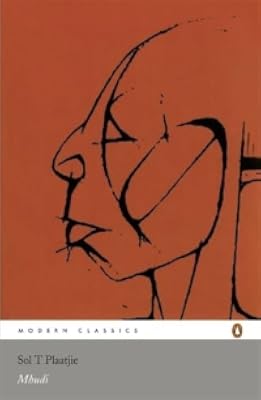
Mhudi, the first full-length novel in English by a black South African, was written in the late 1910s. A romantic epic set in the first half of the nineteenth century, the main action is unleashed by King Mzilikazi's extermination campaign against the Barolong in 1832 at Kunana (nowadays Setlagole), and covers the resultant alliance of defeated peoples with Boer frontiersmen in a resistance movement leading to Battlehill (Vegkop, 1836) and the showdown at the Battle of Mosega (17 January show more 1839). Plaatje's eponymous heroine is an enduring symbol of the belief in a new day. show lessTags
Recommendations

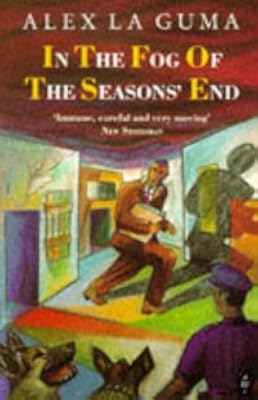
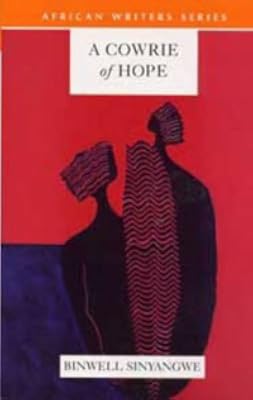
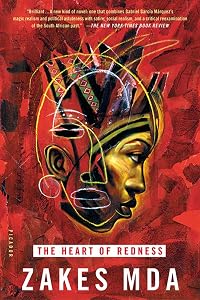
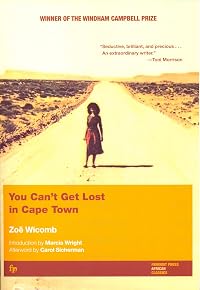






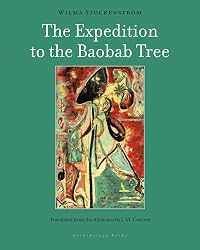
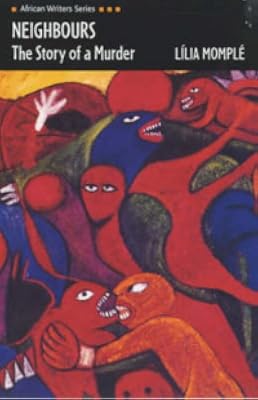
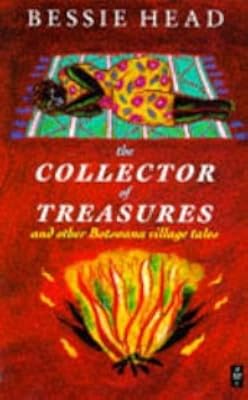
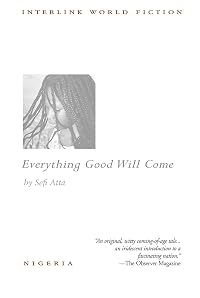



Member Recommendations
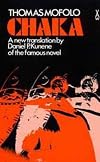
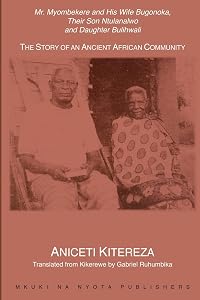
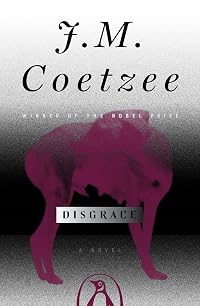
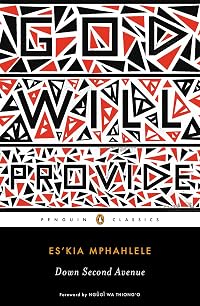
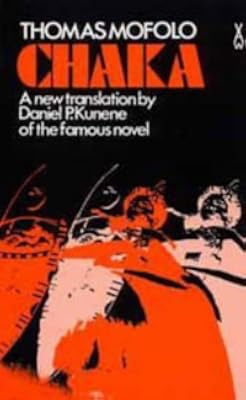
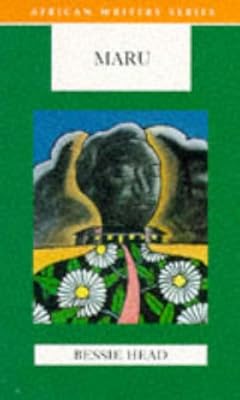
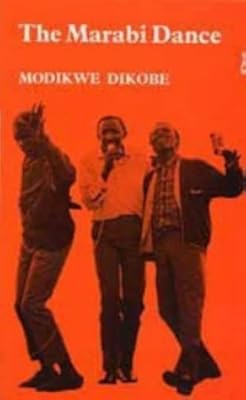
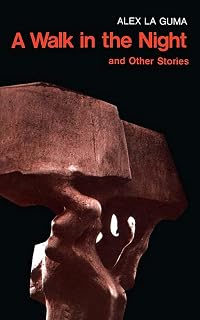
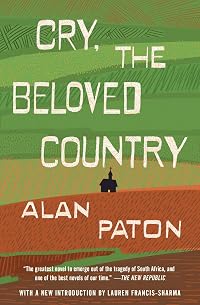
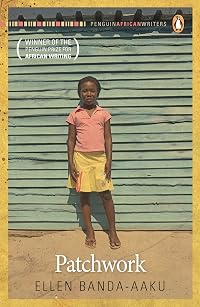
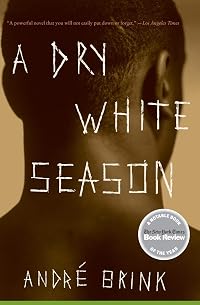
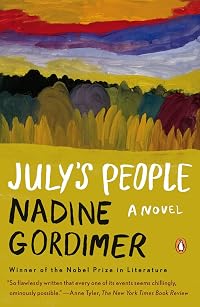
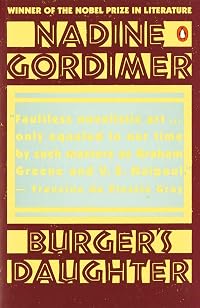
thorold Early historical novels by black South African writers
Member Reviews
Sol Plaatje was one of the most important and conspicuous black intellectuals in South Africa in the early 20th century. Eye-witness of the siege of Mafeking, editor of the first black-owned newspaper in the country, translator of Shakespeare into Tswana (he's known to have spoken at least nine languages), founder-member of the ANC, member of the delegation that went to London in 1912 to lobby against the Native Lands Act, and so on. If Thomas Mofolo is remembered mainly for having written Chaka, with this novel it's the other way round: Mhudi is remembered mainly for having been written by Plaatje (and for having some claim to be the first English novel by a black South African, although there are other claimants for that). Despite his show more Dutch-sounding name, Plaatje was a member of the Barolong tribe (one of the Tswana peoples) and grew up in Thaba Nchu, where he was educated by Wesleyan missionaries.
Mhudi is — like Chaka — a historical novel, but set a generation later, in the 1830s, against the background of the mfecane and Mzilikazi's rule of the Matabele kingdom. Like Chaka, it had to wait some time before finding a publisher: Plaatje seems to have finished it around 1917, but it didn't come out until 1930. It's not clear why: probably Plaatje simply had too many other things going on in his life.
The central characters, Mhudi and Ra-Thaga, are among the few survivors of a Matabele massacre of the Barolong town of Kunana (revenge for the killing of two of Mzilikazi's tax-collectors). They set up house together in the bush for a while, before making contact with other people from Kunana who have moved in with the other Barolong branch in Thaba Nchu.
When Sarel Cilliers and his caravan of Voortrekkers turn up, the Barolong see the potential in their guns and horses, and offer to let them settle in exchange for an alliance against Mzilikazi. Initially they are charmed by the Boers' manners, piety and cooking skills, and Ra-Thaga forms a hunting friendship with a young Boer man, but Mhuti sees the brutal way they treat their Hottentot (Khoikhoi) servants, and has her reservations about them from the start. The Barolong and the Boers manage to drive the Matabele off to the north (where Mzilikazi establishes a new kingdom around Bulawayo), but we're left with the feeling that the Dutchmen aren't going to be very good at sharing the land with black people...
In his introduction, Tim Couzens suggests that Plaatje wants us to read the fate of the early 19th century Matabele as a warning to the Afrikaners of his own time: a powerful, oppressive minority risks being overthrown if it pushes the majority of its subject-peoples too far. He also draws a parallel between the way Plaatje introduces the Europeans as minor characters part-way through the story and the similar structure Achebe used thirty years later in Things fall apart. Both seem like useful insights.
Although the setting and theme has a lot of parallels with Chaka, it's quite a different kind of novel. The focus on the "ordinary people" Mhudi and Ra-Thaga, caught up in the middle of the big events, makes this feel much more like Walter Scott than the kind of epic drama Mofolo was going for. Mhudi's role as a strong, independent-minded woman determined to save her man is right out of The Heart of Mid-Lothian. Also, of course, Plaatje wrote in English: he has a lot of fun with different kinds of English, modulating unexpectedly (but quite deliberately) between echoes of the Authorised Version, Bunyan, Shakespeare, and contemporary barrack-room or newspaper idiom. Not a million miles from the sort of things contemporaries like Kipling and P G Wodehouse were doing, but Plaatje adds multilingual elements from Zulu, Tswana and Afrikaans into the mix as well. It sometimes feels a bit overdone, but most of the time it works very well. And there are enough jokes buried in the text to make you confident that Plaatje knows exactly what he is doing (he was a skilled journalist and propagandist, of course).
I was slightly taken aback by the unexpected appearance of an African tiger in the story, but it turns out that Afrikaans in those days didn't bother itself too much with petty zoological niceties, and the word tier (tiger) was routinely used for a leopard, and obviously strayed across into local English as well. show less
Mhudi is — like Chaka — a historical novel, but set a generation later, in the 1830s, against the background of the mfecane and Mzilikazi's rule of the Matabele kingdom. Like Chaka, it had to wait some time before finding a publisher: Plaatje seems to have finished it around 1917, but it didn't come out until 1930. It's not clear why: probably Plaatje simply had too many other things going on in his life.
The central characters, Mhudi and Ra-Thaga, are among the few survivors of a Matabele massacre of the Barolong town of Kunana (revenge for the killing of two of Mzilikazi's tax-collectors). They set up house together in the bush for a while, before making contact with other people from Kunana who have moved in with the other Barolong branch in Thaba Nchu.
When Sarel Cilliers and his caravan of Voortrekkers turn up, the Barolong see the potential in their guns and horses, and offer to let them settle in exchange for an alliance against Mzilikazi. Initially they are charmed by the Boers' manners, piety and cooking skills, and Ra-Thaga forms a hunting friendship with a young Boer man, but Mhuti sees the brutal way they treat their Hottentot (Khoikhoi) servants, and has her reservations about them from the start. The Barolong and the Boers manage to drive the Matabele off to the north (where Mzilikazi establishes a new kingdom around Bulawayo), but we're left with the feeling that the Dutchmen aren't going to be very good at sharing the land with black people...
In his introduction, Tim Couzens suggests that Plaatje wants us to read the fate of the early 19th century Matabele as a warning to the Afrikaners of his own time: a powerful, oppressive minority risks being overthrown if it pushes the majority of its subject-peoples too far. He also draws a parallel between the way Plaatje introduces the Europeans as minor characters part-way through the story and the similar structure Achebe used thirty years later in Things fall apart. Both seem like useful insights.
Although the setting and theme has a lot of parallels with Chaka, it's quite a different kind of novel. The focus on the "ordinary people" Mhudi and Ra-Thaga, caught up in the middle of the big events, makes this feel much more like Walter Scott than the kind of epic drama Mofolo was going for. Mhudi's role as a strong, independent-minded woman determined to save her man is right out of The Heart of Mid-Lothian. Also, of course, Plaatje wrote in English: he has a lot of fun with different kinds of English, modulating unexpectedly (but quite deliberately) between echoes of the Authorised Version, Bunyan, Shakespeare, and contemporary barrack-room or newspaper idiom. Not a million miles from the sort of things contemporaries like Kipling and P G Wodehouse were doing, but Plaatje adds multilingual elements from Zulu, Tswana and Afrikaans into the mix as well. It sometimes feels a bit overdone, but most of the time it works very well. And there are enough jokes buried in the text to make you confident that Plaatje knows exactly what he is doing (he was a skilled journalist and propagandist, of course).
I was slightly taken aback by the unexpected appearance of an African tiger in the story, but it turns out that Afrikaans in those days didn't bother itself too much with petty zoological niceties, and the word tier (tiger) was routinely used for a leopard, and obviously strayed across into local English as well. show less
Ratings
Members
- Recently Added By
Lists

Black Authors
384 works; 28 members
Author Information

5+ Works 193 Members
Series
Belongs to Publisher Series
Common Knowledge
- Original publication date
- 1930
Classifications
Statistics
- Members
- 112
- Popularity
- 290,442
- Reviews
- 1
- Rating
- (4.05)
- Languages
- Dutch, English, French, Italian
- Media
- Paper, Ebook
- ISBNs
- 15
- ASINs
- 4