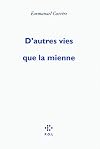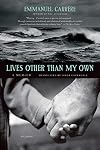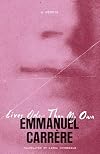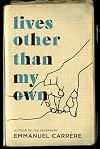
Lives Other Than My Own
by Emmanuel Carrère
On This Page
Description
Story of lives racked by tragedy and redeemed by love.Tags
Recommendations





































Member Reviews
Lives Other Than My Own is a deeply moving and unconventional book that blurs the lines between memoir, reportage, and philosophical inquiry. It's a challenging yet rewarding read that confronts the raw realities of grief and loss through personal experiences and observations. Carrère's book is an unflinching look at how catastrophe and personal tragedy impact individuals and families. The narrative is primarily divided into two seemingly distinct sections that, together, explore the breadth of human suffering and resilience.
A central theme is the exploration of different facets of grief—the sudden, overwhelming shock of accidental death versus the prolonged, agonizing process of losing someone to illness. Carrère's prose is often show more praised for its honesty and sensitivity, allowing readers to connect deeply with the emotions of those he portrays. show less
A central theme is the exploration of different facets of grief—the sudden, overwhelming shock of accidental death versus the prolonged, agonizing process of losing someone to illness. Carrère's prose is often show more praised for its honesty and sensitivity, allowing readers to connect deeply with the emotions of those he portrays. show less
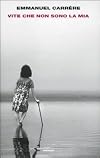
"Vite che non sono la mia" si tratta libro emotivamente complicato da leggere, perché affronta un argomento che nella vita reale tendiamo a far finta che non esista: la morte.
Lo fa senza affidarsi a quegli artifici letterari che spesso, nelle storie che trattano lo stesso argomento, la rendono più sopportabile: il patetismo sentimentale o la brutalità. Emmanuel Carrère racconta tutto con gentilezza e delicatezza, ma forse sono proprio queste a rendere la lettura di questo libro così difficile, perché con gentilezza e con delicatezza, non viene risparmiato nulla al lettore.
Il punto di partenza di quest'opera sono due persone di nome Juliette, la prima è una bambina di 4 anni, l'altra una giovane donna di 33 anni. La Juliette di 4 show more anni muore investita dallo tsunami che nel 2004 ha spazzato le coste dello Sri Lanka, mentre la seconda, cognata dello stesso Carrère, muore a causa di un cancro lasciando un marito e tre figlie. Sono due morti diverse, due morti che non fanno rumore. Le due Juliette erano persone comuni che hanno semplicemente incrociato nella propria breve strada e per motivi diversissimi lo scrittore Carrère che, con questo libro, investito di questo ruolo dal nonno della bambina e da un collega di lavoro della giovane donna, diviene Testimone delle loro vite, delle loro morti e di ciò che le loro esistenze hanno dato alle persone che hanno lasciato e che le avevano amate.
Arrivare fino alla fine di "Vite che non sono la mia" è stato un supplizio, ma un supplizio a cui ci si sottopone volentieri, con la sicurezza di uscirne in qualche modo arricchiti. show less
Lo fa senza affidarsi a quegli artifici letterari che spesso, nelle storie che trattano lo stesso argomento, la rendono più sopportabile: il patetismo sentimentale o la brutalità. Emmanuel Carrère racconta tutto con gentilezza e delicatezza, ma forse sono proprio queste a rendere la lettura di questo libro così difficile, perché con gentilezza e con delicatezza, non viene risparmiato nulla al lettore.
Il punto di partenza di quest'opera sono due persone di nome Juliette, la prima è una bambina di 4 anni, l'altra una giovane donna di 33 anni. La Juliette di 4 show more anni muore investita dallo tsunami che nel 2004 ha spazzato le coste dello Sri Lanka, mentre la seconda, cognata dello stesso Carrère, muore a causa di un cancro lasciando un marito e tre figlie. Sono due morti diverse, due morti che non fanno rumore. Le due Juliette erano persone comuni che hanno semplicemente incrociato nella propria breve strada e per motivi diversissimi lo scrittore Carrère che, con questo libro, investito di questo ruolo dal nonno della bambina e da un collega di lavoro della giovane donna, diviene Testimone delle loro vite, delle loro morti e di ciò che le loro esistenze hanno dato alle persone che hanno lasciato e che le avevano amate.
Arrivare fino alla fine di "Vite che non sono la mia" è stato un supplizio, ma un supplizio a cui ci si sottopone volentieri, con la sicurezza di uscirne in qualche modo arricchiti. show less
I can't imagine the day when I awaken with, "What I really need is a book in which a 'tsunami sweeps a child out to sea', 'a woman dies from cancer, leaving her husband and small children bereft', mixed with details about the daily workings and application of the law in the courtroom of a civil magistrate in Vienne." But these are the matters center stage in the book I finished this morning.
I am not a connoisseur of memoirs. I would bet that most do not deal primarily with "Lives Other Than" the author's. But the stories Carrère tells about these other lives are the entré to the story of his own life: the other lives inhabit the foreground, his own life, the background. It is a delicate balancing act for sure given the nature of loss show more and grief that he recounts but also must co-opt to mold into a memoir--his memoir.
I can see why for some readers, Carrère's strategy fails, even does a kind of violence to the material which he tethers together. Memoirs can also fail because some readers find themselves simply not liking the consciousness being rendered.
For me, it works. The tales of loss help me to understand exactly what is lost and what remains. Carrère is one of the ones left standing who might tell this tale. And as he does tell it, he feels what those who have been in the wings but never center stage must feel: "Life has spared me such unhappiness and will I pray continue to do so." show less
I am not a connoisseur of memoirs. I would bet that most do not deal primarily with "Lives Other Than" the author's. But the stories Carrère tells about these other lives are the entré to the story of his own life: the other lives inhabit the foreground, his own life, the background. It is a delicate balancing act for sure given the nature of loss show more and grief that he recounts but also must co-opt to mold into a memoir--his memoir.
I can see why for some readers, Carrère's strategy fails, even does a kind of violence to the material which he tethers together. Memoirs can also fail because some readers find themselves simply not liking the consciousness being rendered.
For me, it works. The tales of loss help me to understand exactly what is lost and what remains. Carrère is one of the ones left standing who might tell this tale. And as he does tell it, he feels what those who have been in the wings but never center stage must feel: "Life has spared me such unhappiness and will I pray continue to do so." show less
Bello, denso, pieno di spunti di riflessione su vita, morte, felicita`. Mi sono commossa, mi sono provata a guardare un pochino piu` dentro, ho abbozzato pure qualche sorriso.
Carrere e` egocentrico, e` il personaggio principale di tutti i suoi romanzi, ma lo e` in maniera sincera e onesta. E scrive schifosamente bene. Ecco perche` lo trovo irresistibile.
Carrere e` egocentrico, e` il personaggio principale di tutti i suoi romanzi, ma lo e` in maniera sincera e onesta. E scrive schifosamente bene. Ecco perche` lo trovo irresistibile.
“È un libro sulla vita e sulla morte, sulla povertà e sulla giustizia, sulla malattia e soprattutto sull'amore.
È un libro in cui tutto è vero.”
Finito di leggerlo, “Vite che non sono la mia” mi lascia sensazioni contrastanti.
È un romanzo indubbiamente molto potente, coinvolgente, pieno di umanità, che in sostanza si concentra sulla morte degli affetti più cari per ognuno di noi (un figlio, una madre, una moglie, un'amica) e su come chi rimane affronta il dolore della perdita, prima, e poi della mancanza.
La prima parte, quella che parla dello tsunami del 2004 nel sud-est asiatico è quella che personalmente mi è piaciuta di più, perché sullo sfondo di una cronaca che tutti conosciamo si muovono i personaggi in carne ed show more ossa, chi quella tragedia l’ha vissuta e chi in quella tragedia è morto. La parte centrale del romanzo, nella quale l’autore inizia a raccontare la lenta agonia di una giovane madre malata di cancro, è un po’ più lenta e, a mio avviso, indugia un po’ troppo sulla teoria (realmente sposata da alcuni filosofi e anche da medici) dell’origine psicosomatica del cancro: è vero che, nell’economia generale del romanzo, soffermarsi su questo tema non è fuori luogo; ma è pur vero che, specie in questo momento storico, non è bene dare risalto a queste teorie. La parte conclusiva del romanzo, invece, rivela tutta la potenza di quanto raccontato: dalla descrizione degli ultimi giorni di vita di questa giovane mamma, moglie, figlia, amica per bocca di chi l’ha conosciuta e amata; del senso di impotenza di coloro che le stanno vicino vivendone il lento ma inarrestabile consumarsi; la sorpresa delle ultime pagine, che chiudono la struttura circolare del romanzo: il dolore e l’amarezza della morte delle persone care che si coagula alla fine, dando tuttavia origine a nuova vita, a nuove speranze, ogni giorno a un nuovo domani. L’ho trovato davvero bello e commovente, sebbene in alcuni punti l’ego che immagino strabordante dello scrittore faccia capolino in modo un po’ stridente. Ma, pur con i suoi (piccoli) difetti e nonostante la tristezza e la grevità dei temi affrontati, resta un libro memorabile, un inno alla vita che, alla fine dei conti, assolve la morte. show less
È un libro in cui tutto è vero.”
Finito di leggerlo, “Vite che non sono la mia” mi lascia sensazioni contrastanti.
È un romanzo indubbiamente molto potente, coinvolgente, pieno di umanità, che in sostanza si concentra sulla morte degli affetti più cari per ognuno di noi (un figlio, una madre, una moglie, un'amica) e su come chi rimane affronta il dolore della perdita, prima, e poi della mancanza.
Carrere experienced the "Christmas" tsunami in Sri Lanka; a couple he had met there lost their only child to the wave. That as the first loss he examines; his partner's sister soon dies young, claimed by cancer. He then delves into her life and family, and into his own relationship with the people he interviews. This book is really about love, and it is an excellent essay on love through the stories of people who weather these deaths.
[CEDUTO] Duro e amorale, il reportage di Carrere ondeggia tra il disturbante ed il voyeuristico. Le analisi sono senz'altro impietose: non capisco tuttavia la necessita' di doversi per forza ergere a testimone dei drammi subiti da questi giovani uomini e donne. Sulla forza - anche e sopratutto emotiva - dello tsunami l'ultimo film di Eastwood va oltre; alle doglianze per la perdita di una madre non so cosa aggiungere, se non che così purtroppo la vita va per molti. Non e' ne' bello ne' piacevole, si spera sempre che la campana non suoni per noi, ma e' un sentiero che toccherà percorrere. Un libro che non avrei scritto: mi pare non aggiunga nulla.
Members
- Recently Added By
Lists

Vulture's 100 Best Books of the 21st Century (So Far)
98 works; 9 members
Author Information

48+ Works 6,795 Members
Emmanuel Carrere is one of France's most critically acclaimed writers, author of screenplays, a biography of Philip K. Dick, and two novels, including CLASS TRIP, which won the prestigious Prix Femina. A major bestseller in France, THE ADVERSARY is being published in eighteen countries. Carrere lives in Paris (Bowker Author Biography)
Awards and Honors
Awards
Series
Belongs to Publisher Series
Work Relationships
Is contained in
Has as a student's study guide
Common Knowledge
Classifications
- Genres
- Biography & Memoir, Fiction and Literature
- DDC/MDS
- 843.914 — Literature & rhetoric French & related literatures French fiction 1900- 20th Century 1945-1999
- LCC
- PQ2663 .A7678 .D38 — Language and Literature French, Italian, Spanish and Portuguese literatures French literature Modern literature 1961-2000
- BISAC
Statistics
- Members
- 568
- Popularity
- 51,598
- Reviews
- 23
- Rating
- (3.87)
- Languages
- 11 — Catalan, Danish, Dutch, English, French, German, Italian, Polish, Portuguese, Slovenian, Spanish
- Media
- Paper, Audiobook, Ebook
- ISBNs
- 36
- ASINs
- 15