
Letters to Milena
by Franz Kafka 
On This Page
Description
In no other work does Franz Kafka reveal himself as in Letters to Milena, which begins as a business correspondence but soon develops into a passionate but doomed epistolary love affair. Kafka's Czech translator, Milena Jesensk,? was a gifted and charismatic twenty-three-year-old who was uniquely able to recognize Kafka's complex genius and his even more complex character. For thirty-six-year-old Kafka, she was "a living fire, such as I have never seen." It was to Milena that he revealed his show more most intimate self and, eventually, entrusted his diaries for safekeeping. show lessTags
Recommendations
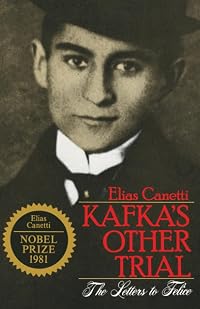


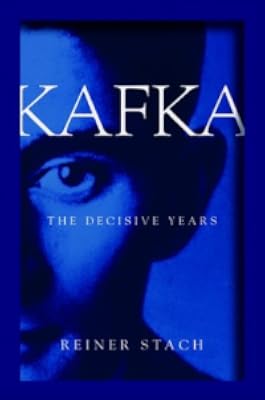

















Member Recommendations

Member Reviews
The content of these letters did not feel directed to anyone but their recipient, and left me feeling like a voyeur. Although at times Kafka gives brilliant philosophical insight into one thing or another, the main value to this work is in the light it sheds on the life of its author.
The Letters to Milena constitute correspondence written by Franz Kafka to Milena Jesenska during the year 1920. Theirs was almost entirely a correspondence relationship, since they met but twice during this period. This review focuses on the 1953 English language edition, published by Schocken Book. It is best avoided in favor of the later (1986) one, translated by Philip Boehm in 1990. The 1953 edition was edited by Willy Haas, who cut many passages that he thought might affect people still alive. Because Haas did not specify where passages had been removed, what remains has a fragmentary quality. What's more, since the letters were undated and were unaccompanied by envelopes, Haas was unable to discern their chronology, much less show more their actual dates. I will comment on the body of material in a review of the 1990 edition, but note here a little information about the provenance of the letters.
As Haas explains in this edition's introduction, the letters had been given by to him by Milena herself in the spring of 1939, shortly after German troops had entered Prague. Having been unable to take the letters with him during his flight, Haas left them with relatives until 1945, at which point he was able to reclaim them. Milena had since died in a WW2 concentration camp. Haas expresses confidence that Milena would have wanted the letters to be published; meanwhile, he secured consent of Milena's ex-husband for their publication. Haas explains that he expurgated portions of the letters that offered inaccurate descriptions (even caricatures) of living persons, some of which reflected Kafka's "hatred" (a term I find startling in this context). The letters themselves offer an invaluable peek into the nature and psyche of Franz Kafka, but having read both, I recommend the later (unexpurgated) edition in lieu of the 1953 edition. show less
As Haas explains in this edition's introduction, the letters had been given by to him by Milena herself in the spring of 1939, shortly after German troops had entered Prague. Having been unable to take the letters with him during his flight, Haas left them with relatives until 1945, at which point he was able to reclaim them. Milena had since died in a WW2 concentration camp. Haas expresses confidence that Milena would have wanted the letters to be published; meanwhile, he secured consent of Milena's ex-husband for their publication. Haas explains that he expurgated portions of the letters that offered inaccurate descriptions (even caricatures) of living persons, some of which reflected Kafka's "hatred" (a term I find startling in this context). The letters themselves offer an invaluable peek into the nature and psyche of Franz Kafka, but having read both, I recommend the later (unexpurgated) edition in lieu of the 1953 edition. show less
There was no letter today, but I’m not afraid, Milena, please don’t misunderstand me; I’m never afraid about you, even if it sometimes seems that way and it often does — it’s simply a weakness, a mood of the heart, which knows exactly why it’s beating nevertheless.
These passionate letters lay bare K’s pain and anguish in living. He paid with his life for his work, or rather the other way round: through his work, gave sense to his unbearable pain. Could ever such extraordinary work be created without it? But then he did not have a choice.
It is unfortunate that the letters of Milena Jesenská, the other half of the correspondence, are lost.
Lies den “Brief an den Vater”, die “Tagebücher”, “Das Schloß” und dann komm zurück zu den Briefen. (IX-11)
Willy Haas schreibt im Nachwort zu dieser Ausgabe, dass Milena ihm diese Briefe 1939 übergeben hätte und dass sie von seinen Angehörigen wärend seiner Flucht bis 1945 aufbewahrt wurden. Weiterhin schreibt er, dass er für diese erste, show more nicht-wissenschaftliche Ausgabe, leider Partien aus den Briefen mit Rücksicht auf noch lebende Personen hätte streichen müssen. Da Kafka die Briefe nicht datiert hat, habe er versucht, ihre zeitliche Abfolge aus Anspielungen zu rekonstruieren, ohne Zweifel nicht immer erfolgreich und einer Revision bedürftig. (VIII-20) show less
It is unfortunate that the letters of Milena Jesenská, the other half of the correspondence, are lost.
Lies den “Brief an den Vater”, die “Tagebücher”, “Das Schloß” und dann komm zurück zu den Briefen. (IX-11)
Willy Haas schreibt im Nachwort zu dieser Ausgabe, dass Milena ihm diese Briefe 1939 übergeben hätte und dass sie von seinen Angehörigen wärend seiner Flucht bis 1945 aufbewahrt wurden. Weiterhin schreibt er, dass er für diese erste, show more nicht-wissenschaftliche Ausgabe, leider Partien aus den Briefen mit Rücksicht auf noch lebende Personen hätte streichen müssen. Da Kafka die Briefe nicht datiert hat, habe er versucht, ihre zeitliche Abfolge aus Anspielungen zu rekonstruieren, ohne Zweifel nicht immer erfolgreich und einer Revision bedürftig. (VIII-20) show less
"In no other work does Kafka reveal himself as" much
The man, not art
The man, not art
Normaal lees ik heel graag de gepubliceerde briefwisseling tussen twee historische of publieke figuren. Het is een aantrekkelijk genre door de dynamische interactie tussen twee mensen, en doordat er – als het literati betreft – heel vaak retorische hoogstandjes in te vinden zijn. In sommige gevallen is de briefwisseling ook een mooie aanvulling op de biografische gegevens van de betrokkenen. Maar helaas bleef ik in dit boek toch wel op mijn honger.
Ik zit om te beginnen met een moreel probleem, namelijk dat deze hoogstpersoonlijke briefwisseling tussen Franz Kafka en Milena Jesenská nooit bedoeld was om gepubliceerd te worden. Het gaat immers voor het grootste deel om liefdesbrieven, en wat is er intiemer dan een relatie die zich show more tussen twee mensen ontwikkelt, met alle passie én worstelingen, hoogtes en laagtes die daarmee gepaard gaan? Ik voelde me na een tijdje dan ook een eerder een voyeur dan een geïnteresseerde lezer.
Twee: we hebben alleen de brieven van Kafka aan Milena, en niet omgekeerd. We missen dus soms wel echt essentiële informatie om te kunnen verstaan wat Kafka precies antwoordt op Milena. Bovendien, ik vermoed dat de brieven van Milena – als we even abstractie maken van het voyeuristische aspect – wellicht veel interessanter zouden geweest zijn: uit Kafka’s brieven kunnen we opmaken dat de worsteling net bij haar zat, verscheurd als ze was tussen haar bewondering voor het opkomende talent Kafka en haar zwalpende huwelijk; zijn brieven daarentegen geven zeker in de eerste helft een vrij eenduidige lijn te zien van een geleidelijk steeds passioneler uiting van liefde, en vervolgens van toenemende frustratie om het uitblijven van meer.
En dan is er de belangrijke vraag of deze briefwisseling ons meer leert over het oeuvre of de persoon van Kafka. Over dat eerste kan ik vrij kort zijn: Kafka haalt in de brieven slechts sporadisch zijn eigen werk aan, dus als zodanig voegt dit weinig toe.
We komen wel redelijk wat te weten over zijn slechte gezondheidstoestand, die hij te pas en te onpas beschrijft. Maar bovenal illustreert de briefwisseling de koortsachtigheid van Kafka’s mentale huishouden, zijn obsessies en frustraties. Opvallend is vooral hoe denigrerend hij over zichzelf schrijft, hoe hard hij voor zichzelf is.
Ik weet dat er meerdere opinies bestaan over de verhouding tussen kunstenaars en hun werk: mij lijkt Kafka bij uitstek iemand van wie je het werk op zich moet lezen, los van het leven van de schrijver. Eigenlijk hebben deze brieven aan Milena me daar nog meer van overtuigd. show less
Ik zit om te beginnen met een moreel probleem, namelijk dat deze hoogstpersoonlijke briefwisseling tussen Franz Kafka en Milena Jesenská nooit bedoeld was om gepubliceerd te worden. Het gaat immers voor het grootste deel om liefdesbrieven, en wat is er intiemer dan een relatie die zich show more tussen twee mensen ontwikkelt, met alle passie én worstelingen, hoogtes en laagtes die daarmee gepaard gaan? Ik voelde me na een tijdje dan ook een eerder een voyeur dan een geïnteresseerde lezer.
Twee: we hebben alleen de brieven van Kafka aan Milena, en niet omgekeerd. We missen dus soms wel echt essentiële informatie om te kunnen verstaan wat Kafka precies antwoordt op Milena. Bovendien, ik vermoed dat de brieven van Milena – als we even abstractie maken van het voyeuristische aspect – wellicht veel interessanter zouden geweest zijn: uit Kafka’s brieven kunnen we opmaken dat de worsteling net bij haar zat, verscheurd als ze was tussen haar bewondering voor het opkomende talent Kafka en haar zwalpende huwelijk; zijn brieven daarentegen geven zeker in de eerste helft een vrij eenduidige lijn te zien van een geleidelijk steeds passioneler uiting van liefde, en vervolgens van toenemende frustratie om het uitblijven van meer.
En dan is er de belangrijke vraag of deze briefwisseling ons meer leert over het oeuvre of de persoon van Kafka. Over dat eerste kan ik vrij kort zijn: Kafka haalt in de brieven slechts sporadisch zijn eigen werk aan, dus als zodanig voegt dit weinig toe.
We komen wel redelijk wat te weten over zijn slechte gezondheidstoestand, die hij te pas en te onpas beschrijft. Maar bovenal illustreert de briefwisseling de koortsachtigheid van Kafka’s mentale huishouden, zijn obsessies en frustraties. Opvallend is vooral hoe denigrerend hij over zichzelf schrijft, hoe hard hij voor zichzelf is.
Ik weet dat er meerdere opinies bestaan over de verhouding tussen kunstenaars en hun werk: mij lijkt Kafka bij uitstek iemand van wie je het werk op zich moet lezen, los van het leven van de schrijver. Eigenlijk hebben deze brieven aan Milena me daar nog meer van overtuigd. show less
Aug 17, 2022Dutch
Members
- Recently Added By
Lists

Epistolary Non-Fiction (Letters and Correspondence)
99 works; 5 members
Author Information

1,502+ Works 103,640 Members
Franz Kafka -- July 3, 1883 - June 3, 1924 Franz Kafka was born to middle-class Jewish parents in Prague, Czechoslovakia on July 3, 1883. He received a law degree at the University of Prague. After performing an obligatory year of unpaid service as law clerk for the civil and criminal courts, he obtained a position in the workman's compensation show more division of the Austrian government. Always neurotic, insecure, and filled with a sense of inadequacy, his writing is a search for personal fulfillment and understanding. He wrote very slowly and deliberately, publishing very little in his lifetime. At his death he asked a close friend to burn his remaining manuscripts, but the friend refused the request. Instead the friend arranged for publication Kafka's longer stories, which have since brought him worldwide fame and have influenced many contemporary writers. His works include The Metamorphosis, The Castle, The Trial, and Amerika. Kafka was diagnosed with tuberculosis (TB) in August 1917. As his disease progressed, his throat became affected by the TB and he could not eat regularly because it was painful. He died from starvation in a sanatorium in Kierling, near Vienna, after admitting himself for treatment there on April 10, 1924. He died on June 3 at the age of 40. (Bowker Author Biography) show less
Franz Kafka has a Legacy Library. Legacy libraries are the personal libraries of famous readers, entered by LibraryThing members from the Legacy Libraries group.
Some Editions
Series
Belongs to Publisher Series
Work Relationships
Common Knowledge
- Canonical title
- Letters to Milena
- Original title
- Briefe an Milena
- Original publication date
- 1952
- People/Characters
- Franz Kafka; Milena Jesenska
- Original language
- German
Classifications
- Genres
- Biography & Memoir, Fiction and Literature
- DDC/MDS
- 833.912 — Literature & rhetoric German & related literatures German fiction 1900- 1900-1990 1900-1945
- LCC
- PT2621 .A26 .Z5513 — Language and Literature German, Dutch and Scandinavian literatures German literature Individual authors or works 1860/70-1960
- BISAC
Statistics
- Members
- 1,180
- Popularity
- 21,174
- Reviews
- 12
- Rating
- (4.05)
- Languages
- 18 — Catalan, Chinese, Czech, Dutch, English, Estonian, Finnish, French, German, Hebrew, Italian, Norwegian (Bokmål), Polish, Serbian, Spanish, Swedish, Turkish, Portuguese (Portugal)
- Media
- Paper, Ebook
- ISBNs
- 79
- ASINs
- 28