On This Page
Description
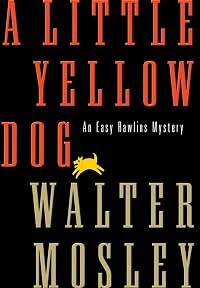
Easy Rawlins, working as a school janitor in Los Angeles, is seduced by a teacher into taking her dog, which her husband is threatening to kill. When the husband is murdered, Rawlins becomes the prime suspect and must clear his name. By the author of Black Betty.Tags
Recommendations
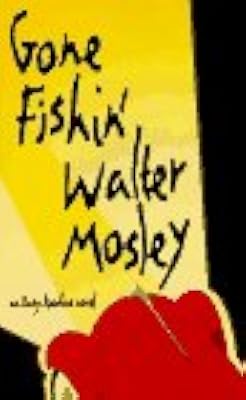



Member Reviews
In the fifth book of Walter Mosley's Easy Rawlins series, Easy is settled into a legitimate, respectable job when a murder he has no part of threatens to derail him. His job is maintenance supervisor at a campus of the Los Angeles public school system. Trouble descends. As the school day begins to begin, a teacher seduces Easy into keeping her snappy, disagreeable little dog hidden so her husband won't kill it. That done, she scoots. The police descend, not because she's absent but because there's a dead body on the school grounds. The investigator knows a bit about Easy's past brushes with the police, and that's enough to make Easy the prime suspect. To extricate himself, and to rid himself of the dog who hates him, Easy has to track show more the now missing teacher and her husband and her close friend, a flight attendant on international flights. The track runs by dive bars, mob-owned bars, mobsters, and sundry low-lifes.
The novel's climactic confrontation holds the biggest surprise in Easy's life. show less
The novel's climactic confrontation holds the biggest surprise in Easy's life. show less
From previous books in the Easy Rawlins series, I'd come to see Easy as a man with a good amount of money and Mouse as a frightening, murderous thug. Here, Mouse has apparently reformed and works as a janitor, and Easy as a supervisor of the janitorial staff at a local school. Beyond those incongruities, there's a lot that The Little Yellow Dog shares with Mosely's other works in the series -- rampant promiscuity, corrupt racist cops, violence, low-lifes, criminals, con men, and ordinary people trying to get by.
Against his inclinations, Easy is drawn into a puzzling case involving multiple murders (including two male twins and a woman he's slept with). He is in some danger of losing his job, if not the two orphans he's given a home show more to, and is up against a Police sergeant who would like to pin the murders on Easy. To survive, he has to figure out who the various miscreants are and who did what to whom. As for the dog, it's a little yappy thing named Phoenix that he's taken in as a favor to one of the school's teachers, who says her husband has threatened to kill it. The dog functions as comic relief (it takes an instant dislike to Easy) and presents some suspense, since its presence may reveal his connection to the teacher. It turns out the case revolves around a heroin smuggling ring in which a child's croquet set serves as the means by which drugs were brought into the country.
My main reaction to this book is that it has far too many characters -- even though I kept a running list with descriptions, it was hard to keep track of them all, in part because they weren't fleshed out enough to make them distinctive. In addition, I didn't find a single memorable character, nor any to like, including Easy himself. This book has some amusing moments and interesting prose, and I credit it with its uncompromising look at the nature of early 1960s racism. However, reading it was less than an enjoyable experience. show less
Against his inclinations, Easy is drawn into a puzzling case involving multiple murders (including two male twins and a woman he's slept with). He is in some danger of losing his job, if not the two orphans he's given a home show more to, and is up against a Police sergeant who would like to pin the murders on Easy. To survive, he has to figure out who the various miscreants are and who did what to whom. As for the dog, it's a little yappy thing named Phoenix that he's taken in as a favor to one of the school's teachers, who says her husband has threatened to kill it. The dog functions as comic relief (it takes an instant dislike to Easy) and presents some suspense, since its presence may reveal his connection to the teacher. It turns out the case revolves around
My main reaction to this book is that it has far too many characters -- even though I kept a running list with descriptions, it was hard to keep track of them all, in part because they weren't fleshed out enough to make them distinctive. In addition, I didn't find a single memorable character, nor any to like, including Easy himself. This book has some amusing moments and interesting prose, and I credit it with its uncompromising look at the nature of early 1960s racism. However, reading it was less than an enjoyable experience. show less
I came to this (the fifth) installment in the series first, and liked that there was so much weight behind the protagonist, Easy Rawlins, and seemingly such a sea change in his character and place in life compared to what it was in previous books. Curious how much is literally explained in the previous novels, how much is Mosley's writing that lends it this weight.
I knew nothing of the series, and found it intriguing that it was a third of the way in before the date was made clear. On page 155 Easy makes reference to it being "early in the sixties". Up to that point, there were references to 1961 and such, but it wasn't clear whether that was a year, 10 years, 20 years prior to the current situation. (Later it's made explicit: JFK is show more assasinated on the last day of the novel's action, and the book jacket clearly states 1963.) Are race relations really not that much different that for much of the plot, it wasn't certain whether the events were unfolding in 1963, 1983, or 2003? Similar to Pulp Fiction in that respect, at least for me: could not tell if it took place in the 80s, 90s, or ... when.
The story is a mystery, sure, but I was propelled by my interest in what would be revealed about life in LA, and in Mosley's spare prose, hardboiled dialogue, and occasional turns of phrase. He also reveals a wicked if deadpan sense of humour, noting about the gardening and horticulture of a daughter and father he visits at home: "Their house was small but impeccably well kept. The mums and honeysuckle made me jealous. The oranges were the pride of their race." (100) But the people to whom he's referring are Italian-Chinese. What race is that, exactly? show less
I knew nothing of the series, and found it intriguing that it was a third of the way in before the date was made clear. On page 155 Easy makes reference to it being "early in the sixties". Up to that point, there were references to 1961 and such, but it wasn't clear whether that was a year, 10 years, 20 years prior to the current situation. (Later it's made explicit: JFK is show more assasinated on the last day of the novel's action, and the book jacket clearly states 1963.) Are race relations really not that much different that for much of the plot, it wasn't certain whether the events were unfolding in 1963, 1983, or 2003? Similar to Pulp Fiction in that respect, at least for me: could not tell if it took place in the 80s, 90s, or ... when.
The story is a mystery, sure, but I was propelled by my interest in what would be revealed about life in LA, and in Mosley's spare prose, hardboiled dialogue, and occasional turns of phrase. He also reveals a wicked if deadpan sense of humour, noting about the gardening and horticulture of a daughter and father he visits at home: "Their house was small but impeccably well kept. The mums and honeysuckle made me jealous. The oranges were the pride of their race." (100) But the people to whom he's referring are Italian-Chinese. What race is that, exactly? show less
"Los Ángeles, 1963. Han pasado algunos años desde el asesinato de Mariposa Blanca, y la vida de Easy Rawlins ha sufrido una serie de altibajos, con más bajos que altos, como corresponde a un negro de los barrios negros de un país gobernado por blancos. Han fracasado los negocios inmobiliarios que tan brillante porvenir parecían augurarle, y ahora vive de su trabajo como conserje en un instituto de enseñanza secundaria, en casta soledad y dedicado al cuidado de sus dos hijos adoptivos. Ya no fuma ni bebe, y está definitivamente en el lado correcto de la ley. Y ha colocado a su viejo amigo Mouse -que también aspira a regenerarse- en el equipo de limpieza y mantenimiento del instituto.
Pero como el hombre propone y el destino show more dispone, una mañana en que Easy va muy temprano a su trabajo a organizar las tareas del día, se encuentra con la perturbadora Idabelle Turner, la profesora más guapa del colegio, y su insufrible perro amarillo. Según Idabelle, se ha refugiado allí porque su marido se ha vuelto loco y amenaza con matar al perro. Y como una cosa lleva a la otra, acabarán haciendo el amor sobre una mesa. Easy, enternecido, acepta llevarse al perro para salvarlo del marido iracundo. Pero los problemas de Idabelle no acaban allí, y muy pronto lo que Easy encontrará a su paso no serán animalitos caprichosos sino cadáveres. Y para la policía, un negro con el pasado de Easy jamás está en el lado correcto de la ley y es siempre el principal sospechoso..." (Descripción editorial). show less
Pero como el hombre propone y el destino show more dispone, una mañana en que Easy va muy temprano a su trabajo a organizar las tareas del día, se encuentra con la perturbadora Idabelle Turner, la profesora más guapa del colegio, y su insufrible perro amarillo. Según Idabelle, se ha refugiado allí porque su marido se ha vuelto loco y amenaza con matar al perro. Y como una cosa lleva a la otra, acabarán haciendo el amor sobre una mesa. Easy, enternecido, acepta llevarse al perro para salvarlo del marido iracundo. Pero los problemas de Idabelle no acaban allí, y muy pronto lo que Easy encontrará a su paso no serán animalitos caprichosos sino cadáveres. Y para la policía, un negro con el pasado de Easy jamás está en el lado correcto de la ley y es siempre el principal sospechoso..." (Descripción editorial). show less
Easy Rawlins is trying to stay off the street but his sense of justice, his hidden knight errant, keeps pulling him back. Full of intersting characters (too many w similar names) and told in the first person it is a great look at late 1950's - 1960's LA thriough the eyes of a black man. Moseley writes well and his philosophical meanderings via Easy are sharp. Almost gave it a 3.5 but the ending brought it up to a 4.
This book is the one in the Easy Rawlins’ series that precedes Bad Boy Brawley Brown, the Moseley book I read first on vacation. It wasn’t available to me until half way through my second week beside the lake in Maine. Interestingly, it was written six years before its “sequel”. It’s unfortunate that I didn’t get to read it first, it explains things we're already supposed to understand by the time we begin the sequel: stuff about Easy’s having taken a straight job as the head janitor at a school, his taking up with Bonnie Shay, and Mouse's being dead (or not?).
Anyway, Easy heads into work early at the Sojurner Truth Junion High School. One of the teachers is already in. Not only that, but she has a little yellow dog, show more Pharoh, with her. No dogs allowed. Even worse, the little yellow dog takes an instant dislike to Easy. But the teacher convinces Easy that she's rescued Pharoh from her husband, who was going to kill Pharoh. So, helped along no doubt by a little hanky panky on a student desk, Easy agrees to shield the dog.
Later, Easy learns that the teacher had lied to him. Also, however, a man looking much like the teacher's husband, ends up dead on school grounds, in a garden. Then, when Easy goes to the teacher's house to return the little yellow dog, he finds the teacher's husband dead in an easy chair. Apparently, it was the guy's brother who expired in the school garden.
So, Easy takes Pharoh home. His young daughter, Feather, and Pharoh immediately become best friends. Feather renames Pharoh, Frenchie.
Naturally, the cops think Easy is likely implicated in the murders. Furthermore, they think he's implicated in some embezzlement going on at the various schools.
So, Easy, helped by his friend, Raymond Alexander, a.k.a. Mouse, eventually figure things out. But along the way, Mouse is shot. At the end of the book, he's in the ICU.
Oh, one other thing happens. Easy strikes up a friendship with one Bonny Shay. She's an airline stewardess who was at one time best buds with the sketchy teacher who got Easy into the mess with the little yellow dog.
Well, I'm afraid my recounting is rather incoherent. Perhaps I don't concentrate so well on vacation as I thought. I blame the loons on the lake and the chipmunk that runs back and forth in front of my seat along the shores of Parker Pond.
Anyway, like the other books in the Easy Rawlins series, this is worth one's time, a GoodRead indeed. show less
Anyway, Easy heads into work early at the Sojurner Truth Junion High School. One of the teachers is already in. Not only that, but she has a little yellow dog, show more Pharoh, with her. No dogs allowed. Even worse, the little yellow dog takes an instant dislike to Easy. But the teacher convinces Easy that she's rescued Pharoh from her husband, who was going to kill Pharoh. So, helped along no doubt by a little hanky panky on a student desk, Easy agrees to shield the dog.
Later, Easy learns that the teacher had lied to him. Also, however, a man looking much like the teacher's husband, ends up dead on school grounds, in a garden. Then, when Easy goes to the teacher's house to return the little yellow dog, he finds the teacher's husband dead in an easy chair. Apparently, it was the guy's brother who expired in the school garden.
So, Easy takes Pharoh home. His young daughter, Feather, and Pharoh immediately become best friends. Feather renames Pharoh, Frenchie.
Naturally, the cops think Easy is likely implicated in the murders. Furthermore, they think he's implicated in some embezzlement going on at the various schools.
So, Easy, helped by his friend, Raymond Alexander, a.k.a. Mouse, eventually figure things out. But along the way, Mouse is shot. At the end of the book, he's in the ICU.
Oh, one other thing happens. Easy strikes up a friendship with one Bonny Shay. She's an airline stewardess who was at one time best buds with the sketchy teacher who got Easy into the mess with the little yellow dog.
Well, I'm afraid my recounting is rather incoherent. Perhaps I don't concentrate so well on vacation as I thought. I blame the loons on the lake and the chipmunk that runs back and forth in front of my seat along the shores of Parker Pond.
Anyway, like the other books in the Easy Rawlins series, this is worth one's time, a GoodRead indeed. show less
Having never read a Mosley book, but having seen Devil In A Blue Dress, I thought I would give an Easy Rawlins mystery a try.
While the book was very well written, I had problems keeping up with all of the characters. This might be a personable problem of mine OR it might be that the characters weren't delineated enough for me to keep them straight. That's why I rated it 3 stars instead of 4.
While the book was very well written, I had problems keeping up with all of the characters. This might be a personable problem of mine OR it might be that the characters weren't delineated enough for me to keep them straight. That's why I rated it 3 stars instead of 4.
Members
- Recently Added By
Author Information

106+ Works 26,745 Members
Walter Mosley was born in Los Angeles, California on January 12, 1952. He graduated from Johnson State College in Vermont. His first book, Devil in a Blue Dress, was published in 1990, won a John Creasy Award for best first novel, and was made into a motion picture starring Denzel Washington in 1995. He is the author of the Easy Rawlins Mystery show more series, the Leonid McGill Mystery series, and the Fearless Jones series. His other works include Always Outnumbered, Always Outgunned, 47, Last Days of Ptolemy Grey, and Twelve Steps toward Political Revelation. He has received numerous awards, including an O. Henry Award, the Carl Brandon Society Parallax Award, and PEN America's Lifetime Achievement Award. (Bowker Author Biography) Walter Mosley is the author of the acclaimed Easy Rawlins series of mysteries, the novels "Blue Light" and "RL's Dream", and two collections of stories featuring Socrates Fortlow, "Always Outnumbered", "Always Outgunned", for which he received the Anisfield-Wolf Award, and "Walkin' the Dog". He is a member of the board of directors of the National Book Awards and the founder of the PEN American Center's Open Book Committee. At various times in his life he has been a potter, a computer programmer, & a poet. He was born in Los Angeles & now lives in New York. (Publisher Provided) show less
Awards and Honors
Distinctions
Series

Work Relationships
Common Knowledge
- Canonical title
- A Little Yellow Dog
- Original title
- A Little Yellow Dog
- Original publication date
- 1996
- People/Characters
- Ezekiel "Easy" Rawlins; Idabell Turner; Holland Gasteau; Roman Gasteau; Raymond "Mouse" Alexander
- Important places
- Los Angeles, California, USA
- Epigraph
- It was the dog's fault.
- First words
- When I got to work that Monday morning I knew something was wrong. Mrs. Idabell Turner's car was parked in the external lot and there was a light on in her half of bungalow C.
- Quotations
- We take our friends where we can. (72)
I had my hand on the trigger and my eye in his. There was going to be blood or money on the table before long because neither one of us was walking away until the issue was settled. (94)
(Easy warily interviews someone involved in murder, each not revealing much to the other)
Our eyes met in the involuntary agreement that we were both liars. (164)
Ice didn't melt on his tongue and he didn't know, for a fact, the color of his own blood. (173)
(Waitress) 'You got to buy three drinks in here if you wanna stay. Either that or go up to the gamblin' room. You gamble?'
(Easy) 'Only with my life.' (178)
There I found a discreet phone booth at the side of a newspaper and magazine stand. / The number was stored in my finger, I guess, I hadn't called it in over two years. (188) (show all 8)
(Describing Easy's interrogation of a crook's employee)
I was discovering my destination by asking directions. (257)
Stetz was a cat in the window, frozen before his leap. I was a bird on the ledge, praying for glass. (275) - Last words
- (Click to show. Warning: May contain spoilers.)When I hung up I felt as if I was an astronaut who had completed his orbit of the earth and now I was pulled by some new gravity into a cold clean darkness.
- Original language*
- Anglais (USA) (USA)
- Disambiguation notice
- Please distinguish between this LT Work, Walter Mosley's original 1996 novel A Little Yellow Dog, and the 2002 publication that also includes the original Easy Rawlins short story "Gray-Eyed Death." Thank you.
*Some information comes from Common Knowledge in other languages. Click "Edit" for more information.
Classifications
Statistics
- Members
- 771
- Popularity
- 36,501
- Reviews
- 13
- Rating
- (3.75)
- Languages
- 10 — Dutch, English, Finnish, French, German, Italian, Norwegian (Bokmål), Norwegian, Spanish, Swedish
- Media
- Paper, Audiobook, Ebook
- ISBNs
- 26
- ASINs
- 15