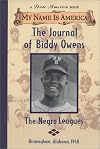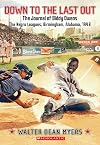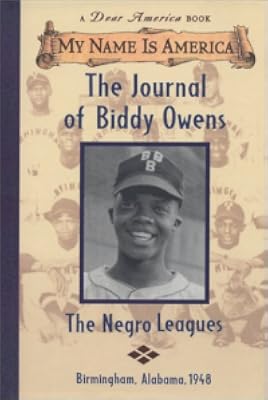
The Journal of Biddy Owens: The Negro Leagues, Birmingham, Alabama, 1948
by Walter Dean Myers
My Name is America (11), My Story, Dear America Collections (My Name Is America: Civil Rights, 1948)
On This Page
Description
Teenager Biddy Owens' 1948 journal about working for the Birmingham Black Barons includes the games and the players, racism the team faces from New Orleans to Chicago, and his family's resistance to his becoming a professional baseball player. Includes a historical note about the evolution of the Negro Leagues.Tags
Recommendations














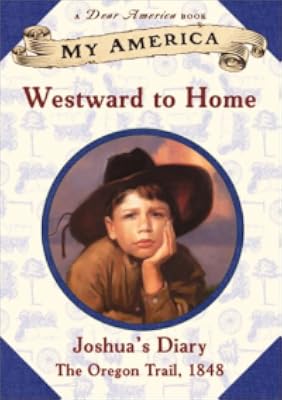
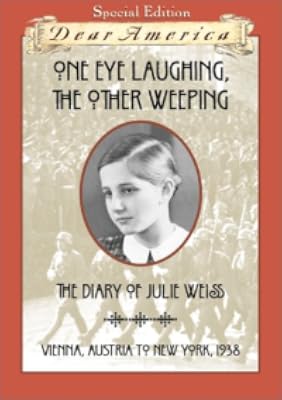
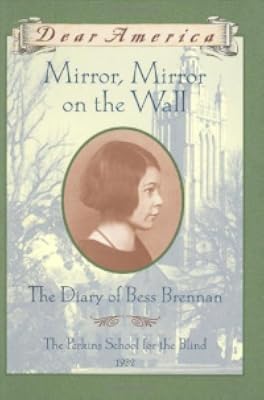


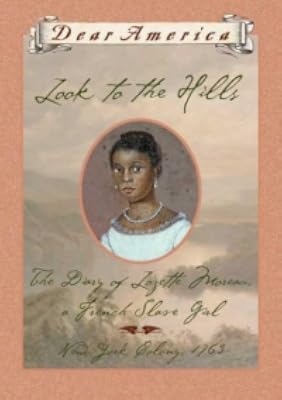

Member Reviews
Told in free-flowing journal entries, The Journal of Biddy Owens brings to life the 1948 season of the Birmingham Black Barons through the eyes of seventeen-year-old Biddy, their batboy and budding player. Biddy dreams of breaking into the major leagues at a time when baseball is slowly integrating—but racial prejudice and segregation threaten his path. With vivid game scenes, keen observations of teammates like a teenage Willie Mays, and honest reflections on racism both on and off the field, Myers delivers a fictional yet deeply grounded look at courage, dignity, and love for the game. A powerful read for middle graders that connects sports, history, and the civil rights era.
The Journal of Biddy Owens is a children's chapter book that is formatted as a series of journal entries authored by Biddy Owens, the Birmingham Black Baron's baseball team manager. The tale is particularly impressive for it's ability to convey the atmosphere of racial hate and oppression that surrounds the main character and is a part of his daily life. The book is effective because it doesn't set out to explain segregation, it just describes the Biddy's daily life and includes moments where Biddy is sharply reminded of the racial hate of the era. It hits me harder because I fall into Biddy's world as I read and I'm not expecting it, just as Biddy doesn't really expect it either (at least, not at first).
I would use this as a mentor show more text within a social studies unit on racial segregation and oppression in the late 1940s. It might be a good option for a literature circle, particularly for students who are emerging readers. The atmosphere of the book conveys the impact of segregation in a relatable way. Reading level: 5.8 show less
I would use this as a mentor show more text within a social studies unit on racial segregation and oppression in the late 1940s. It might be a good option for a literature circle, particularly for students who are emerging readers. The atmosphere of the book conveys the impact of segregation in a relatable way. Reading level: 5.8 show less
I just couldn't get into this book as much as I would have liked. I do like baseball, so I think that helped, but I probably wouldn't read this book again. Was it worth the read? I think so, but I was just left wanting more...in a bad way. I would still recommend it to people though. 3.5 out of 5 stars.
I just couldn't get into this book as much as I would have liked. I do like baseball, so I think that helped, but I probably wouldn't read this book again. Was it worth the read? I think so, but I was just left wanting more...in a bad way. I would still recommend it to people though. 3.5 out of 5 stars.
This entire series is a wonderful way to learn history or teach it to adolescents. I find today's generations seem to recall more when they learn through other people (pop songs, celebrity gossip, etc.), so what better way to teach history than through someone else's perspective? Yes, "authentic" diaries would be "better", but would the language really hold the modern student's attention? Did the diary writer know what WOULD be important in the context of history? Probably not.
This book is written in the form of a diary. Though This book shows you thing though the eyes of any African American. This book is about the Negro Leagues. It tell about the times where Baseball was still considered a White man's game.
Around this time in 1948, Baseball was starting to ingrates with African American. It was when Jackie Robinson was brought to place for the Major Leagues though though out the book. People were still think that there were still a few segregated seating in ballparks. They were still signs for blacks and White signs stating around.
Though this does change though you understand what it like at that time along with baseball changing and other things about american history. You do learn about the different show more thing though Ameican History and good for young children and adult to understand and learn about that time. show less
Around this time in 1948, Baseball was starting to ingrates with African American. It was when Jackie Robinson was brought to place for the Major Leagues though though out the book. People were still think that there were still a few segregated seating in ballparks. They were still signs for blacks and White signs stating around.
Though this does change though you understand what it like at that time along with baseball changing and other things about american history. You do learn about the different show more thing though Ameican History and good for young children and adult to understand and learn about that time. show less
This book is written in the form of a diary. Though This book shows you thing though the eyes of any African American. This book is about the Negro Leagues. It tell about the times where Baseball was still considered a White man's game.
Around this time in 1948, Baseball was starting to ingrates with African American. It was when Jackie Robinson was brought to place for the Major Leagues though though out the book. People were still think that there were still a few segregated seating in ballparks. They were still signs for blacks and White signs stating around.
Though this does change though you understand what it like at that time along with baseball changing and other things about american history. You do learn about the different show more thing though Ameican History and good for young children and adult to understand and learn about that time. show less
Around this time in 1948, Baseball was starting to ingrates with African American. It was when Jackie Robinson was brought to place for the Major Leagues though though out the book. People were still think that there were still a few segregated seating in ballparks. They were still signs for blacks and White signs stating around.
Though this does change though you understand what it like at that time along with baseball changing and other things about american history. You do learn about the different show more thing though Ameican History and good for young children and adult to understand and learn about that time. show less
Members
- Recently Added By
Lists

Learning history through first-person, young adult, historical fiction one
188 works; 4 members
Author Information

150+ Works 38,351 Members
Walter Dean Myers was born on August 12, 1937 in Martinsberg, West Virginia. When he was three years old, his mother died and his father sent him to live with Herbert and Florence Dean in Harlem, New York. He began writing stories while in his teens. He dropped out of high school and enlisted in the Army at the age of 17. After completing his army show more service, he took a construction job and continued to write. He entered and won a 1969 contest sponsored by the Council on Interracial Books for Children, which led to the publication of his first book, Where Does the Day Go? During his lifetime, he wrote more than 100 fiction and nonfiction books for children and young adults. His works include Fallen Angels, Bad Boy, Darius and Twig, Scorpions, Lockdown, Sunrise Over Fallujah, Invasion, Juba!, and On a Clear Day. He also collaborated with his son Christopher, an artist, on a number of picture books for young readers including We Are America: A Tribute from the Heart and Harlem, which received a Caldecott Honor Award, as well as the teen novel Autobiography of My Dead Brother. He was the winner of the first-ever Michael L. Printz Award for Monster, the first recipient of the Coretta Scott King-Virginia Hamilton Award for Lifetime Achievement, and a recipient of the Margaret A. Edwards Award for lifetime achievement in writing for young adults. He also won the Coretta Scott King Award for African American authors five times. He died on July 1, 2014, following a brief illness, at the age of 76. (Bowker Author Biography) show less
Awards and Honors
Awards
Series


Work Relationships
Is contained in
Common Knowledge
- Canonical title
- The Journal of Biddy Owens: The Negro Leagues, Birmingham, Alabama, 1948
- Original publication date
- 2001
- People/Characters
- Biddy Owens
- Important places
- Birmingham, Alabama, USA; Alabama, USA
Classifications
Statistics
- Members
- 765
- Popularity
- 36,665
- Reviews
- 11
- Rating
- (3.38)
- Languages
- English
- Media
- Paper, Ebook
- ISBNs
- 7
- ASINs
- 3