
Kato Kaelin: The Whole Truth (The Real Story of O.J., Nicole, and Kato from the Actual Tapes)
by Marc Eliot
On This Page
Description
Tells the story of Brian "Kato" Kaelin who rented the guest house of Nicole Simpson and lived in the guest house at O.J. Simpson's estate. Focuses on differences between what Kaelin said in taped interviews with the author and what he said as a witness at the trial.Tags
Recommendations




































Member Reviews
Kato Kaelin was positioned to be an important witness in the “Trial of the Century” in the US – the prosecution of former football star Orenthal Simpson for the 1994 murder of his ex-wife Nicole and her friend Ron Goldman. After all, Kaelin was living with OJ Simpson as a houseguest, and on that fateful evening, saw him immediately before and after the murders. Furthermore, he had lived (platonically) with Nicole for a year before. With Kaelin under subpoena as a trial witness, author Marc Eliot spent six months working with him to produce a book manuscript, but at the last minute, Kato pulled out of the project – whether out of cowardice, self- interest, or both is not clear. Mr. Eliot therefore wrote this book based on his show more extended interviews with Kaelin. Given the timing of this book’s publication, he was able to contrast what Kaelin had revealed with his rambling, disingenuous testimony at the trial (testimony so incoherent that prosecutors declared him a hostile witness). Thus, this book may offer a more reliable account of Kaelin’s observations than the trial testimony itself.
Kato Kaelin: The Whole Truth offers a useful perspective into the personalities and events surrounding in this infamous murder case. While living at Nicole’s, Kaelin witnessed verbal battles between her and “OJ”, including a night that he smashed the doors to get into her house. Nicole confided her fears that her life was in danger -- that Simpson would not only kill her, but get away with it due to his celebrity status. In Kaelin’s account of life with OJ, Simpson comes across as a pathetic character – bored, lonely, arthritic, and feeling his age; filling his time with golf, public dinners, and women; obsessed with his beautiful ex-wife, and consumed with anger and jealousy over her flirtations, her revealing style of dress, and her involvements with men. (In fact he tells Kato of spying on her, and of seeing her perform sexually on a man in her living room -- an account that has since been corroborated by others).
Any readers who care about the murder case will want to know what Kato observed. The night of the murder Simpson is especially moody and morose. OJ is going out for some fast food, and Kato invites himself along (OJ stares at him coldly and finally assents; Kato remembers thinking “I wasn’t supposed to go!”). After a hasty trip, OJ drops Kaelin at the house. About 70 minutes later, Kaelin is disturbed by someone crashing into the wall behind his bedroom (now considered to be Simpson returning from having murdered Nicole and Goldman). Kato goes out to investigate, and sees the limo driver waiting outside the gate to take OJ to the airport. Kato lets the driver in, and goes behind the house to investigate further; OJ appears “out of nowhere” – Kato doesn’t know if he was inside or outside the house. Likewise, a blue duffel bag mysteriously appears behind Simpson’s car; OJ won’t let Kato or the driver touch it, and loads it in the limo himself. (This bag is thought by some to have contained the murder weapon; it was never seen again). Throughout, Kato considers Simpson’s behavior very strange. In haste, Simpson leaves for the airport; Kato goes to bed; the next thing he knows he’s being awakened by the police.
A major issue at the murder trial was that the police entered the Simpson compound without a warrant. The police claimed that it was out of concern for the safety of residents at Simpson’s estate. However, their questions of Kaelin make clear that they were investigating the murders themselves. Thus, the Simpson defense appears to have been justified in questioning the veracity of the police, and seeking (if unsuccessfully) to exclude evidence the police had gathered. Among the evidence seen was the infamous glove, stained with blood from Simpson as well as his victims.
The book offers a number of other informational tidbits.
• Two key events seem to have precipitated the murders. First, Simpson's girlfriend Paula had broken up with him that morning. Second, Simpson was bitterly angry at how Nicole had acted towards him the previous evening, not letting him interact with their children.
• Nicole's murder does not seem to have been premeditated. Earlier that evening, Simpson was trying to make plans to meet a woman early the next week. What's more, in the hurried pace of the evening, Simpson barely had enough time to get back to his estate and change clothes before leaving for Chicago. (And of course, as noted elsewhere, he could not have anticipated the arrival of Ron Goldman on the scene).
• Kaelin states unequivocally that Simpson was wearing a dark sweatsuit the night of the murders. The issue is significant for four reasons: (1) the description is consistent with the dark fibers found at the crime scene; (2) the next morning, the sweatsuit was found in Simpson's washing machine by detectives, who neglected to collect it as evidence; (3) the sweatsuit "disappeared" after Simpson's return; and (4) Simpson strongly denied ever owning such a suit.
• In the early morning after the murders, Simpson (then in Chicago) repeatedly called his house (as shown by telephone records). Kato remembered hearing the telephone ring several times. Could Simpson have been trying to reach Kato to establish an alibi?
• On his return from Chicago, Simpson twice tried to get Kaelin to give him an alibi for the time of the murders, but Kaelin declined. Likewise Kaelin was pressured by one of OJ’s friends.
• Simpson’s actions at the funeral were not those of an innocent man. Kaelin considered Simpson’s show of grief to be an act. To Kato he said “Sorry to put you through this. Sorry to put you through this” Further, when Nicole’s friend cried to him “Why did you do this? How could you? Why did you do this?” his answer was “I loved her too much! “I’m sorry! I’m sorry!”
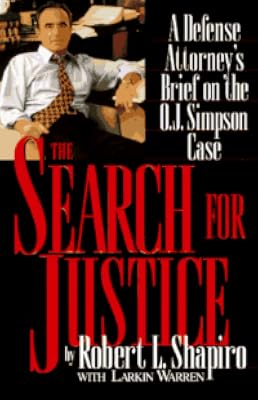
• Kato confessed to the author that he thought Simpson to be guilty of the two murders. From his consultations with Simpson's attorney Robert Shapiro, Kato gained the impression that Shapiro also thought his client to be guilty.
To no great surprise to anyone who followed the murder case, Kato Kaelin turned out to be an unprincipled opportunist, if not an irresponsible and self- serving coward. Supposedly Nicole’s friend, he abandoned her when given the chance to move in with OJ Simpson, and he wouldn't even stand up for her when she was murdered. "I love O.J., guilty or not guilty" he is quoted as saying here. Under the moral and legal obligation of testifying against her murderer, he downplayed his observations and obscured them with rambling incoherence; further, he gave deceptive testimony at the trial regarding his collaboration on a book deal. In the view of this book's author, Marc Eliot, Kaelin feared that it would hurt his career to be known as the person who put away OJ Simpson, and likewise feared for his life if he testified against him. Thus, Kaelin's withdrawal from the book deal becomes clear. In any case, Kaelin was turned into an object of ridicule on the late- night television talk shows (as “America’s house-guest"). Later he was turned into a moderately effective witness in the civil suit in which Simpson was found guilty of the murders. Now, mercifully, he has disappeared from the public scene, and he remains one of the few public figures from the trial not to have profitted massively from a memoir. show less
Kato Kaelin: The Whole Truth offers a useful perspective into the personalities and events surrounding in this infamous murder case. While living at Nicole’s, Kaelin witnessed verbal battles between her and “OJ”, including a night that he smashed the doors to get into her house. Nicole confided her fears that her life was in danger -- that Simpson would not only kill her, but get away with it due to his celebrity status. In Kaelin’s account of life with OJ, Simpson comes across as a pathetic character – bored, lonely, arthritic, and feeling his age; filling his time with golf, public dinners, and women; obsessed with his beautiful ex-wife, and consumed with anger and jealousy over her flirtations, her revealing style of dress, and her involvements with men. (In fact he tells Kato of spying on her, and of seeing her perform sexually on a man in her living room -- an account that has since been corroborated by others).
Any readers who care about the murder case will want to know what Kato observed. The night of the murder Simpson is especially moody and morose. OJ is going out for some fast food, and Kato invites himself along (OJ stares at him coldly and finally assents; Kato remembers thinking “I wasn’t supposed to go!”). After a hasty trip, OJ drops Kaelin at the house. About 70 minutes later, Kaelin is disturbed by someone crashing into the wall behind his bedroom (now considered to be Simpson returning from having murdered Nicole and Goldman). Kato goes out to investigate, and sees the limo driver waiting outside the gate to take OJ to the airport. Kato lets the driver in, and goes behind the house to investigate further; OJ appears “out of nowhere” – Kato doesn’t know if he was inside or outside the house. Likewise, a blue duffel bag mysteriously appears behind Simpson’s car; OJ won’t let Kato or the driver touch it, and loads it in the limo himself. (This bag is thought by some to have contained the murder weapon; it was never seen again). Throughout, Kato considers Simpson’s behavior very strange. In haste, Simpson leaves for the airport; Kato goes to bed; the next thing he knows he’s being awakened by the police.
A major issue at the murder trial was that the police entered the Simpson compound without a warrant. The police claimed that it was out of concern for the safety of residents at Simpson’s estate. However, their questions of Kaelin make clear that they were investigating the murders themselves. Thus, the Simpson defense appears to have been justified in questioning the veracity of the police, and seeking (if unsuccessfully) to exclude evidence the police had gathered. Among the evidence seen was the infamous glove, stained with blood from Simpson as well as his victims.
The book offers a number of other informational tidbits.
• Two key events seem to have precipitated the murders. First, Simpson's girlfriend Paula had broken up with him that morning. Second, Simpson was bitterly angry at how Nicole had acted towards him the previous evening, not letting him interact with their children.
• Nicole's murder does not seem to have been premeditated. Earlier that evening, Simpson was trying to make plans to meet a woman early the next week. What's more, in the hurried pace of the evening, Simpson barely had enough time to get back to his estate and change clothes before leaving for Chicago. (And of course, as noted elsewhere, he could not have anticipated the arrival of Ron Goldman on the scene).
• Kaelin states unequivocally that Simpson was wearing a dark sweatsuit the night of the murders. The issue is significant for four reasons: (1) the description is consistent with the dark fibers found at the crime scene; (2) the next morning, the sweatsuit was found in Simpson's washing machine by detectives, who neglected to collect it as evidence; (3) the sweatsuit "disappeared" after Simpson's return; and (4) Simpson strongly denied ever owning such a suit.
• In the early morning after the murders, Simpson (then in Chicago) repeatedly called his house (as shown by telephone records). Kato remembered hearing the telephone ring several times. Could Simpson have been trying to reach Kato to establish an alibi?
• On his return from Chicago, Simpson twice tried to get Kaelin to give him an alibi for the time of the murders, but Kaelin declined. Likewise Kaelin was pressured by one of OJ’s friends.
• Simpson’s actions at the funeral were not those of an innocent man. Kaelin considered Simpson’s show of grief to be an act. To Kato he said “Sorry to put you through this. Sorry to put you through this” Further, when Nicole’s friend cried to him “Why did you do this? How could you? Why did you do this?” his answer was “I loved her too much! “I’m sorry! I’m sorry!”
• Kato confessed to the author that he thought Simpson to be guilty of the two murders. From his consultations with Simpson's attorney Robert Shapiro, Kato gained the impression that Shapiro also thought his client to be guilty.
To no great surprise to anyone who followed the murder case, Kato Kaelin turned out to be an unprincipled opportunist, if not an irresponsible and self- serving coward. Supposedly Nicole’s friend, he abandoned her when given the chance to move in with OJ Simpson, and he wouldn't even stand up for her when she was murdered. "I love O.J., guilty or not guilty" he is quoted as saying here. Under the moral and legal obligation of testifying against her murderer, he downplayed his observations and obscured them with rambling incoherence; further, he gave deceptive testimony at the trial regarding his collaboration on a book deal. In the view of this book's author, Marc Eliot, Kaelin feared that it would hurt his career to be known as the person who put away OJ Simpson, and likewise feared for his life if he testified against him. Thus, Kaelin's withdrawal from the book deal becomes clear. In any case, Kaelin was turned into an object of ridicule on the late- night television talk shows (as “America’s house-guest"). Later he was turned into a moderately effective witness in the civil suit in which Simpson was found guilty of the murders. Now, mercifully, he has disappeared from the public scene, and he remains one of the few public figures from the trial not to have profitted massively from a memoir. show less
****SPOILER ALERT This book only has snippets of the "tape" Honest to goodness everything in this book can be found on public records and seriously you really do not know any more than you did before reading it. This was the author's way to fame and "fortune" if he made anything, It is very poorly written as the author assumes we all followed the trial (I did not) and that we are supposed to know what is going on. ( I used google) I would not recommend this book as we can google and get more information on this than the book, I say it was a waste of my time!
Ratings
Members
- Recently Added By
Author Information

31 Works 2,011 Members
Marc Eliot is a New York Times bestselling author and American biographer. He has written over a dozen books on the media and popular culture including the biographies of Cary Grant, Jimmy Stewart, Walt Disney and Bruce Springsteen, and Clint Eastwood. His writing has also appeared in several publications including L.A. Weekly and California show more Magazine. Eliot lives in New York and Los Angeles. (Bowker Author Biography) show less
Awards and Honors
Distinctions
Common Knowledge
- People/Characters
- Nicole Kidman; O. J. Simpson
Classifications
- Genres
- Nonfiction, General Nonfiction, Biography & Memoir, Politics and Government
- DDC/MDS
- 364.1523 — Society, government, & culture Social problems and social services Crime Criminal offenses Offenses against the person Homicide Murder
- LCC
- GV939 .S47 .E55 — Geography, Anthropology and Recreation Recreation. Leisure Recreation. Leisure Sports Ball games: Baseball, football, golf, etc.
Statistics
- Members
- 56
- Popularity
- 548,980
- Reviews
- 2
- Rating
- (2.78)
- Languages
- English
- Media
- Paper, Audiobook
- ISBNs
- 2

