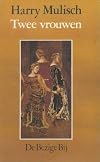
Two Women
by Harry Mulisch
On This Page
Description
Die Geschichte von Laura, 35 und aus gutem Hause, und Sylvia, 20, ein einfaches Mädchen vom Land, die eine leidenschaftliche Liebesbeziehung miteinander eingehen und doch letztendlich an ihrer eigenen Vergangenheit scheitern.Tags
Recommendations




Member Reviews
There's a scene towards the end of this book where the narrator, exhausted from nervous strain and a long drive, briefly falls unconscious at a café table. When she comes round, the friend who was sitting with her tells her that he saw her suddenly lean forward and fold up "like a ventriloquist's doll".
An image Mulisch chose carefully, of course, because the one fact we never manage to shake out of our minds whilst reading this very intimate first-person story of a tragic love-affair between two women is that it's actually being told by one of the biggest alpha-males of seventies Dutch literature, in a quite extraordinarily bare-faced bit of ventriloquism. To his credit, he doesn't quite turn it into porn (the only explicit sex show more described in the book is, bizarrely enough, between two men on a theatre stage), but we do get all the other clichés of male-gaze fantasy. Both women are scared stiff of their mothers; the relationship is incomplete by definition, without a man and without children; it can only end unhappily; there can only be a dramatic resolution by bringing a man into the story.
Mulisch is a competent and entertaining story-teller, and he manages to muddy the waters enough by clever image-play and high-cultural references that we almost believe that there's something serious going here. Perhaps not surprising to know that it was one of his most popular books, made into a reasonably high-profile film in 1979. But fifty years on the world has changed: it's hard now to see it as anything more than a rather pointless confidence trick. show less
An image Mulisch chose carefully, of course, because the one fact we never manage to shake out of our minds whilst reading this very intimate first-person story of a tragic love-affair between two women is that it's actually being told by one of the biggest alpha-males of seventies Dutch literature, in a quite extraordinarily bare-faced bit of ventriloquism. To his credit, he doesn't quite turn it into porn (the only explicit sex show more described in the book is, bizarrely enough, between two men on a theatre stage), but we do get all the other clichés of male-gaze fantasy. Both women are scared stiff of their mothers; the relationship is incomplete by definition, without a man and without children; it can only end unhappily; there can only be a dramatic resolution by bringing a man into the story.
Mulisch is a competent and entertaining story-teller, and he manages to muddy the waters enough by clever image-play and high-cultural references that we almost believe that there's something serious going here. Perhaps not surprising to know that it was one of his most popular books, made into a reasonably high-profile film in 1979. But fifty years on the world has changed: it's hard now to see it as anything more than a rather pointless confidence trick. show less
"Two Women"
The problem with novels that are either stylistically original or break taboos, is that they date far more quickly than others, and I felt that this novel suffered somewhat from that. In the 1970s, Mulisch openly writing about lesbianism, probably caused some stir in the literary world, now somehow seems quite flat. Barely could feel any kind of bond between these two people. No real frisson at all. It wasn’t even simply a quiet relationship. It was as if two people had met on a bored day and for no other reason decided to dance together, but their dance was lacklustre.
The second half opens up a bit, brings some more ideas, but some of these seemed more interesting than the relationship itself. As we were wrung through act show more 2 we are given the tragedy that one of the characters implies is not possible between same sex partnerships, and yet I still didn’t believe that in such a short time the intensity of this relationship was such that it would have inspired such behaviour.
Did Mulisch simply expect his novel to ride on the steam of sensation? Unfortunately most of the original reviews of this novel will be in Dutch so I don’t really know how it was received, although a fellow LibraryThinger told me that a special edition of this novel is due to be released. As it has been selected by Mulisch for re-printing, clearly it holds some special place amongst his work for him.
I'll give it another go in time, as there were themes in the second part of the novel that I found interesting, but as a piece complete, it failed for me. show less
The problem with novels that are either stylistically original or break taboos, is that they date far more quickly than others, and I felt that this novel suffered somewhat from that. In the 1970s, Mulisch openly writing about lesbianism, probably caused some stir in the literary world, now somehow seems quite flat. Barely could feel any kind of bond between these two people. No real frisson at all. It wasn’t even simply a quiet relationship. It was as if two people had met on a bored day and for no other reason decided to dance together, but their dance was lacklustre.
The second half opens up a bit, brings some more ideas, but some of these seemed more interesting than the relationship itself. As we were wrung through act show more 2 we are given the tragedy that one of the characters implies is not possible between same sex partnerships, and yet I still didn’t believe that in such a short time the intensity of this relationship was such that it would have inspired such behaviour.
Did Mulisch simply expect his novel to ride on the steam of sensation? Unfortunately most of the original reviews of this novel will be in Dutch so I don’t really know how it was received, although a fellow LibraryThinger told me that a special edition of this novel is due to be released. As it has been selected by Mulisch for re-printing, clearly it holds some special place amongst his work for him.
I'll give it another go in time, as there were themes in the second part of the novel that I found interesting, but as a piece complete, it failed for me. show less
Laura is op weg naar Nice om haar moeder te begraven. Gestrand in Avignon schrijft ze in ijltempo haar verhaal over de fatale liefde met Sylvia. Door haar man verlaten omdat ze geen kinderen kunnen krijgen, begint Laura een relatie met Sylvia. Nadat Sylvia haar liefde voor Laura heeft bekend, gaat ze er stiekem vandoor om een verhouding te beginnen met de exechtgenoot van haar geliefde. In een meeslepende vertelling verweeft Mulisch de fatale liefde tussen Laura en Sylvia met de klassieke noodlotsdrama's van Orpheus en Oidipoes.
Niet erg bijzonder. Het verhaal is er een beetje, de sfeer is er een beetje, de diepgang is er een beetje, maar niks springt er echt uit en het einde doet erg onnatuurlijk aan, alsof er maar iets moest gebeuren om er van af te zijn.
Wat dat betreft een typisch voorbeeld binnen de relatie tussen mij en Mulisch: hij schrijft degelijk, af en toe zelfs goed, maar altijd net een beetje te "volwassen" en te goed geprobeerd. Geen sprankeltjes, waar ik wel van hou.
Zeker geen slecht boek, maar ook zeker geen aanrader dus.
Wat dat betreft een typisch voorbeeld binnen de relatie tussen mij en Mulisch: hij schrijft degelijk, af en toe zelfs goed, maar altijd net een beetje te "volwassen" en te goed geprobeerd. Geen sprankeltjes, waar ik wel van hou.
Zeker geen slecht boek, maar ook zeker geen aanrader dus.
Not my favorite Mulisch. I found the main characters not very likeable; though they are life-like, I just found them rather annoying, and didn't really understand why they felt so attracted to eachother. Though I guess love doesn't always make sense...
I did like the ending, and the way the story builds up to it; from the very beginning you get the feeling it won't end well, yet the ending still came as a surprise.
I did like the ending, and the way the story builds up to it; from the very beginning you get the feeling it won't end well, yet the ending still came as a surprise.
READ IN DUTCH
Twee vrouwen, een boek over twee vrouwen. En ook het eerste boek dat ik ooit en tot op heden van Harry Mulisch gelezen heb. Misschien dat ik meer van hem had moeten lezen, aangezien hij toch tot de Grote Drie behoort, maar het is er niet van gekomen. En zo net na mijn examen sta ik ook nog niet echt te springen om meteen weer allerlei literatuurboeken te gaan lezen. Ik heb nog genoeg boeken liggen die ik eerst maar eens uit moet zien te krijgen.
Twee vrouwen was een boek van Nederland leest, die wij steeds gekregen hebben via school. En dat was ook de reden dat ik het heb gelezen. Het verhaal trok mijn aandacht niet zo (toen ik de achterkant las), maar ach, ik had het boek toch en toen heb ik het ook maar even gelezen. Het show more is een boek dat je, naar mijn mening, makkelijk even uitleest. Ik heb er dan ook niet erg lang over gedaan. Het verhaal was best interessant, ik zag het einde ook niet aankomen en de schrijfstijl was niet zo irritant als ik misschien gedacht had. (Soms zijn mensen helemaal weg van iemands schrijfstijl en dan lees ik iets en vind het verschrikkelijk, maar dat was hier gelukkig niet het geval). Ik lees dat er allerlei symboliek in zat, maar ik kan me niet meer herinneren of ik die er ook allemaal uit gehaald had. Best een aardig boek dit, al met al. show less
Twee vrouwen, een boek over twee vrouwen. En ook het eerste boek dat ik ooit en tot op heden van Harry Mulisch gelezen heb. Misschien dat ik meer van hem had moeten lezen, aangezien hij toch tot de Grote Drie behoort, maar het is er niet van gekomen. En zo net na mijn examen sta ik ook nog niet echt te springen om meteen weer allerlei literatuurboeken te gaan lezen. Ik heb nog genoeg boeken liggen die ik eerst maar eens uit moet zien te krijgen.
Twee vrouwen was een boek van Nederland leest, die wij steeds gekregen hebben via school. En dat was ook de reden dat ik het heb gelezen. Het verhaal trok mijn aandacht niet zo (toen ik de achterkant las), maar ach, ik had het boek toch en toen heb ik het ook maar even gelezen. Het show more is een boek dat je, naar mijn mening, makkelijk even uitleest. Ik heb er dan ook niet erg lang over gedaan. Het verhaal was best interessant, ik zag het einde ook niet aankomen en de schrijfstijl was niet zo irritant als ik misschien gedacht had. (Soms zijn mensen helemaal weg van iemands schrijfstijl en dan lees ik iets en vind het verschrikkelijk, maar dat was hier gelukkig niet het geval). Ik lees dat er allerlei symboliek in zat, maar ik kan me niet meer herinneren of ik die er ook allemaal uit gehaald had. Best een aardig boek dit, al met al. show less
Mooi verhaal over een opbloeiende liefde tussen twee vrouwen.
Members
- Recently Added By
Published Reviews
Mulisch erzählt diese etwas konstruiert wirkende Geschichte in der ruhigen Sprache einer gebildeten Frau, die sich resigniert und ausgebrannt vom Leben verabschiedet. Damit gelingt es ihm, das vor zwanzig Jahren gesellschaftlich brisante Thema gleichgeschlechtlicher Beziehungen spannungsreich und gut lesbar zu erzählen.
added by Indy133
Lists

Read the book and saw the movie
1,170 works; 195 members

Books Read in 2022
5,226 works; 115 members
Author Information

124+ Works 11,843 Members
Mulisch's name will go down in history as the writer par excellence of modern myths, and possibly not only in Dutch literary history. Every one of his great novels such as Het Stenen Bruidsbed (The Stone Bridal Bed) (1959), Hoogste Tijd (High Time) (1985), and De Aanslag (The Assault) (1982) is technically based on, or evokes reminiscences of, show more existing classical myths; at the same time, each work is thematically related to the author's own time and experiences, usually World War II. Every one of the more important characters, excluding the main characters who normally serve as narrators or reporters, is an embodiment or personification of an archetype. In The Assault the various characters not only play completely different roles in the killing of a German officer by members of the Dutch Resistance movement, but they also represent distinct types. The action is also much more than an incident. The protagonist, Anton Steenwijk, spends a lifetime trying to solve the puzzle consisting of the various causes and effects relative to the fatal act. He does this not as a detective but as a normal, thinking human being who is interested in knowing where he came from and where he is headed. The puzzle that presents itself to him is as complex, yet as logical, as the waves created by a passing ship, reverberating indefinitely, even when the ship has disappeared from sight. Mulisch is, with Wolkers, Hermans, and Vestdijk, one of the most talented novelists of his generation, but he may be expected to outlive all three others because of the classical nature of his work, classical here meaning "of primary significance for all people of all times." (Bowker Author Biography) Harry Mulisch is the author of such internationally bestselling novels as "The Assault", which was made into the film that won the 1987 Oscar for Best Foreign Film, & "The Discovery of Heaven". He has also published short stories, essays, poetry, plays, & philosophical works. He lives in Amsterdam. (Bowker Author Biography) show less
Some Editions
Awards and Honors
Notable Lists
Series
Belongs to Publisher Series
Heel Nederland Leest (2008)
Work Relationships
Inspired
Has as a reference guide/companion
Common Knowledge
- Canonical title
- Two Women
- Original title
- Twee vrouwen
- Original publication date
- 1975-10-??
- People/Characters*
- Laura; Sylvia
- Important places*
- Haarlem, Noord-Holland, Nederland
- Related movies
- Twee vrouwen (1979 | IMDb)
- Epigraph
- ... weer doorsiddererde mijn hart
Eros, zoals de wind op de bergen in eiken valt. _SAPPHO - First words
- Er zijn mij een paar dingen overkomen, - niet alleen de dood van mijn moeder.
- Last words
- (Click to show. Warning: May contain spoilers.)Ik kan eerder beneden zijn dan de echo van mijn schreeuw terug is van het paleis.
- Original language
- Dutch
- Canonical DDC/MDS
- 839.31364
*Some information comes from Common Knowledge in other languages. Click "Edit" for more information.
Classifications
- Genres
- General Fiction, Fiction and Literature, LGBTQ+
- DDC/MDS
- 839.31364 — Literature & rhetoric German & related literatures Other Germanic literatures Netherlandish literatures Dutch Dutch fiction 20th Century 1945-1999
- LCC
- PT5860 .M85 .T9 — Language and Literature German, Dutch and Scandinavian literatures Dutch literature Individual authors or works 1800-1960
Statistics
- Members
- 826
- Popularity
- 33,538
- Reviews
- 18
- Rating
- (3.18)
- Languages
- 8 — Czech, Dutch, English, Esperanto, French, German, Portuguese, Spanish
- Media
- Paper, Audiobook, Ebook
- ISBNs
- 31
- ASINs
- 1