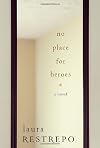
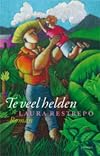
No Place For Heroes: A Novel
by Laura Restrepo
On This Page
Description
From one of the most accomplished writers to emerge from Latin America, No Place for Heroes is a darkly comic novel about a mother and son who return to Buenos Aires in search of her former lover, whom she met during Argentina’s Dirty War.During Argentina’s “Dirty War” of the late ’70s and early ’80s, Lorenza and Ramon, two passionate militants opposing Videla’s dictatorship, met and fell in love. Now, Lorenza and her son, Mateo, have come to Buenos Aires to find Ramon, show more Mateo’s father. Holed up in the same hotel room, mother and son share a common goal, yet are worlds apart on how they perceive it. For Lorenza, who came of age in the political ferment of the ’60s, it is intertwined with her past ideological and emotional anchors (or were they illusions?), while her postmodernist son, a child of the ’90s who couldn’t care less about politics or ideology, is looking for his actual father—not the idea of a father, but the Ramon of flesh and blood.
Anything goes as this volatile pair battle it out: hilarious misunderstandings, unsettling cruelty, and even a temptation to murder. In the end, they begin to come to a more truthful understanding of each other and their human condition.
No Place for Heroes is an addition to that long tradition of the eternal odd couple—in works ranging from Waiting for Godot to Kiss of the Spider Woman—waiting for their fortunes to change, written by one of the most talented and internationally celebrated authors at work today. show less
Tags
Recommendations












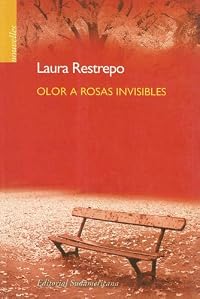
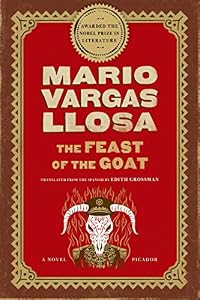
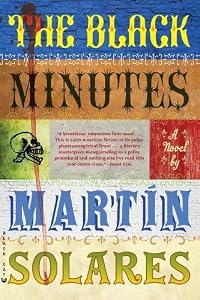

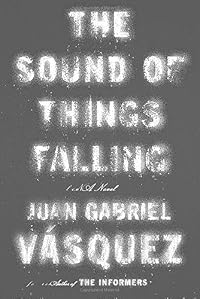











Member Recommendations
Member Reviews
It's taken me a very long time to finally sit down and review No Place for Heroes, which is appropriate because it took me a very long time to finish it once I started. It bothered me because this was a book I felt like I should like, a story with history and characters and dueling narratives and a certain amount of mystery and intrigue. But it just never comes together, and the result is a messy muddle of what-could-have-been.
The aforementioned "dueling narratives" both involve the female protagonist, a mother named Lorenza. In the present, she and her son Mateo are traveling to Argentina in search of Ramon, Mateo's father, whom we learn kidnapped Mateo long ago, only to return him to Lorenza and disappear forever. The circumstances of show more that mystery are deeply tied in with the narrative of Lorenza's involvement in the Argentinian "Dirty War" of the 1970s and 1980s, which Lorenza tells to Mateo as their search progresses.
So what's the problem? It's two-fold, really: character and narrative structure. First things first, Lorenza and Mateo occupy the vast majority of the space on the page, except when Lorenza dips into her narratives of the 1970s, but neither act like fully formed, realistic characters. Mateo is the more egregious problem, vacillating wildly between being a precocious and ambitious young man and a bratty kid with the maturity level of a toddler. We never get a very strong understanding of why Mateo can't seem to settle on whether or not he will call the number he has found for Ramon, or why he decides in certain instances to go out and search or to stay in his hotel room and play video games.
This wouldn't be such a glaring problem if Lorenza herself were a more stationary character, but sadly she too wavers wildly between a stern, by-the-books disciplinarian and the more loosey-goosey woman who's prone to losing herself in the wistful nostalgia of her younger days during the Dirty War. She essentially enables all of Mateo's immature behavior and, while that may be part of Restrepo's point, it detracts greatly from the reader being able to empathize with either, or at least to relate to the mother-son relationship they have.
As a result, the narrative loses a great deal of its steam. All of the Dirty War narrative, for instance, takes place in Lorenza's storytelling, a necessary but unfortunate device. For one thing, any suspense that develops in any of the specific situations is tempered entirely by the fact that we know our protagonist gets out okay. This wouldn't be so bad if we felt connected in some way to her, but since she feels too nostalgic about this period of time for even Mateo to consistently care, it's difficult for the reader to care either.
By the time the novel enters its third act—in which we finally learn the circumstances of Mateo's kidnapping and return, and we ultimately experience the most explicit depiction of Lorenza's and Ramon's shady relationship—not much has happened in either narrative. Interestingly, Restrepo does do an admirable job of building some suspense into this final section but, in a most unfortunate move, she rushes the ending, condensing into a few short pages what we've waited an entire novel to learn. It feels cheap and the reader feels cheated.
With so little else to redeem it, the novel ends up feeling less profound than a profound waste of time. It may seem a bit harsh to say it so bluntly, but Restrepo simply did not do enough with the premise she had. Without a solid central relationship or a more objective, developed secondary plot, the novel plods along until its way-too-neat, way-too-quick conclusion. There are plenty of places in No Place for Heroes to create something engaging and compelling, but those places, like the novel itself, are ultimately empty. show less
The aforementioned "dueling narratives" both involve the female protagonist, a mother named Lorenza. In the present, she and her son Mateo are traveling to Argentina in search of Ramon, Mateo's father, whom we learn kidnapped Mateo long ago, only to return him to Lorenza and disappear forever. The circumstances of show more that mystery are deeply tied in with the narrative of Lorenza's involvement in the Argentinian "Dirty War" of the 1970s and 1980s, which Lorenza tells to Mateo as their search progresses.
So what's the problem? It's two-fold, really: character and narrative structure. First things first, Lorenza and Mateo occupy the vast majority of the space on the page, except when Lorenza dips into her narratives of the 1970s, but neither act like fully formed, realistic characters. Mateo is the more egregious problem, vacillating wildly between being a precocious and ambitious young man and a bratty kid with the maturity level of a toddler. We never get a very strong understanding of why Mateo can't seem to settle on whether or not he will call the number he has found for Ramon, or why he decides in certain instances to go out and search or to stay in his hotel room and play video games.
This wouldn't be such a glaring problem if Lorenza herself were a more stationary character, but sadly she too wavers wildly between a stern, by-the-books disciplinarian and the more loosey-goosey woman who's prone to losing herself in the wistful nostalgia of her younger days during the Dirty War. She essentially enables all of Mateo's immature behavior and, while that may be part of Restrepo's point, it detracts greatly from the reader being able to empathize with either, or at least to relate to the mother-son relationship they have.
As a result, the narrative loses a great deal of its steam. All of the Dirty War narrative, for instance, takes place in Lorenza's storytelling, a necessary but unfortunate device. For one thing, any suspense that develops in any of the specific situations is tempered entirely by the fact that we know our protagonist gets out okay. This wouldn't be so bad if we felt connected in some way to her, but since she feels too nostalgic about this period of time for even Mateo to consistently care, it's difficult for the reader to care either.
By the time the novel enters its third act—in which we finally learn the circumstances of Mateo's kidnapping and return, and we ultimately experience the most explicit depiction of Lorenza's and Ramon's shady relationship—not much has happened in either narrative. Interestingly, Restrepo does do an admirable job of building some suspense into this final section but, in a most unfortunate move, she rushes the ending, condensing into a few short pages what we've waited an entire novel to learn. It feels cheap and the reader feels cheated.
With so little else to redeem it, the novel ends up feeling less profound than a profound waste of time. It may seem a bit harsh to say it so bluntly, but Restrepo simply did not do enough with the premise she had. Without a solid central relationship or a more objective, developed secondary plot, the novel plods along until its way-too-neat, way-too-quick conclusion. There are plenty of places in No Place for Heroes to create something engaging and compelling, but those places, like the novel itself, are ultimately empty. show less
 This review was written for LibraryThing Early Reviewers.
No Place for Heroes tells the story of Lorenza and Mateo, a mother and her adolescent son, who have embarked on a journey from Bogotá to Buenos Aires to find Ramón, Mateo’s long-absent father. Years before, Ramón and Lorenza were comrades in the resistance to Argentina’s Dirty War and they shared a love affair that lasted for awhile. Now, mother and son have returned to that country for a common purpose, but with very different agendas. For Lorenza, the trip becomes a quest to relive and bring closure to important events in her past. Mateo, on the other hand, has a more specific and practical goal: he wants to know his father.
Unfortunately, very little in this novel resonated with me. Although not lengthy by any means, the story show more nonetheless dragged for considerable stretches. The author moves the tale between the present and the past in an awkward manner, relying often on the fairly clumsy mechanism of having Lorenza retell to Mateo the tale of her history with Ramón, for what must be the hundredth time. However, with the exception of one overblown “dark episode,” nothing of consequence really happens at any point in the narrative. Indeed, the reader is never engaged in the gut-wrenching stories of the legions of “disappeared” persons that mark this sad and bloody period in Argentina’s past, despite the fact that fighting against that oppression was the ostensible purpose bringing Lorenza and Ramón together in the first place.
A second problem I had is that the relationship between mother and son came off as shallow and contrived to the point of being unbelievable. In particular, the way they spoke to one another was, at times, quite unrealistic. For instance, Mateo refers to Lorenza in three ways—her given name, her nickname (Lolé), or just plain Mother “when he is irate with her”—on an almost rotational basis, as if he has some unspoken quota to fill. I suspect that this bit of superficiality was the result of the author’s decision to use the dialogue between the two as a device to recount past events, which rendered the authenticity of their relationship of secondary importance.
This was my first exposure to Laura Restrepo and, judging from the effusive praise for her earlier work, it is either an atypical novel or I am not typical of her readership. In the end, I think that the real issue is that No Place for Heroes suffers from a lack of clear vision; it is as if the author could not make up her mind whether she wanted to tell a bittersweet love story, a comic tale of parent and child bonding, or a poignant memory of a troubled time. Sadly, while any one of these approaches might have worked quite well, mixing all three at once did not. show less
Unfortunately, very little in this novel resonated with me. Although not lengthy by any means, the story show more nonetheless dragged for considerable stretches. The author moves the tale between the present and the past in an awkward manner, relying often on the fairly clumsy mechanism of having Lorenza retell to Mateo the tale of her history with Ramón, for what must be the hundredth time. However, with the exception of one overblown “dark episode,” nothing of consequence really happens at any point in the narrative. Indeed, the reader is never engaged in the gut-wrenching stories of the legions of “disappeared” persons that mark this sad and bloody period in Argentina’s past, despite the fact that fighting against that oppression was the ostensible purpose bringing Lorenza and Ramón together in the first place.
A second problem I had is that the relationship between mother and son came off as shallow and contrived to the point of being unbelievable. In particular, the way they spoke to one another was, at times, quite unrealistic. For instance, Mateo refers to Lorenza in three ways—her given name, her nickname (Lolé), or just plain Mother “when he is irate with her”—on an almost rotational basis, as if he has some unspoken quota to fill. I suspect that this bit of superficiality was the result of the author’s decision to use the dialogue between the two as a device to recount past events, which rendered the authenticity of their relationship of secondary importance.
This was my first exposure to Laura Restrepo and, judging from the effusive praise for her earlier work, it is either an atypical novel or I am not typical of her readership. In the end, I think that the real issue is that No Place for Heroes suffers from a lack of clear vision; it is as if the author could not make up her mind whether she wanted to tell a bittersweet love story, a comic tale of parent and child bonding, or a poignant memory of a troubled time. Sadly, while any one of these approaches might have worked quite well, mixing all three at once did not. show less
This review was written for LibraryThing Early Reviewers.very engaging read, can finish it in one day. Several perspectives and time periods at once. Good study of generational gap between mother and son. Interesting parallel between father who kidnaps his son and the Junta who kidnapped their prisoners children.
Laura Restrepo's most recent book was a delightful walk into Argentina's past and present. It traced a Colombian woman's involvement with a radical Argentine group as she recounts her experiences to her teenaged son. The son's search for his father, and their discussion of his father's disappearance from their lives, parallels their discussion of her comrades who were viciously "disappeared" by the dictatorship in Argentina's Dirty War. Their circumstances bring to light the cultural consequences of missing people in all forms, and the disruptiveness the events of the 1970s wrought on personal relationships.
The plot and writing are both engaging, and I enjoyed this book a lot. This is a competent novel with a light touch that show more illuminates serious themes with good humor, a rare set of qualities. But the novel was particularly rich in that the protagonist's struggles and joys as a foreigner in Argentina reminded me of my own experiences--the Buenos Aires details are delightful and a constant re-discovery; the interaction between city and country as baffling to her as it was to me. I would recommend this book to anyone with an interest in Buenos Aires/Argentina, or the Dirty War in particular, or Latin American politics in the 70s, or mother-son relationships. I would particularly recommend the book to anyone who wanted to relive many beautiful parts of the expatriate experience in Argentina. show less
The plot and writing are both engaging, and I enjoyed this book a lot. This is a competent novel with a light touch that show more illuminates serious themes with good humor, a rare set of qualities. But the novel was particularly rich in that the protagonist's struggles and joys as a foreigner in Argentina reminded me of my own experiences--the Buenos Aires details are delightful and a constant re-discovery; the interaction between city and country as baffling to her as it was to me. I would recommend this book to anyone with an interest in Buenos Aires/Argentina, or the Dirty War in particular, or Latin American politics in the 70s, or mother-son relationships. I would particularly recommend the book to anyone who wanted to relive many beautiful parts of the expatriate experience in Argentina. show less
This review was written for LibraryThing Early Reviewers.This is my second go around with Restrepo. I'd previously had read her 'Leopard in the Sun' about honor bound revenged motivated Colombian cartel gang members. I prefer this.
'No place for heroes' has three main protagonists--one for the most part missing. Lorenza (or Lole) and her son Mateo have returned to Buenos Aires from Colombia to search for Mateo's father Ramon. Ramon (a native Argintinean) and Lorenza (a Colombian) had first met as active militants opposed to the Argentine military dictatorship of the late 1970's and early 80's. They'd had an affair which produced their son Mateo and though Ramon had a prominent position among the revolutionaries Lorenza managed to get him to break off with that group ( for the safety of young show more Mateo) and go back to Colombia with her. It didn't work out and Ramon eventually decides to go back to Argentina but before going he tricks Lorenza and more or less kidnaps his son Mateo. Within a relatively short time Lorenza is able to get Mateo back but the relationship has soured and Ramon just drops out of their lives. Now a young man Mateo wants to see--maybe even reconcile with his father.
In any case Mateo is conflicted. There's anger and there's hope on his part. Meanwhile Lorenza's showing him the sights and attempting to explain their roles, adventures and activities during the time she was a militant--more or less trying to give Mateo a picture of what Ramon and her were like as young people. Mateo is frustrated--unhappy with her explanations and often sarcastic. He is growing out of her control as a mother. Lorenza fusses about him and this is the particular strength of the book IMO--the relationship between the two is finely drawn. Kid is growing up and on the verge of leaving the nest. Parent trying to hold onto him until the last moment fussing about him--worrying him--passing along her personal mythology to future generations--maybe.
Towards the end of their trip Mateo breaks away from Lorenza--leaving her in Buenos Aires and going off on a ski trip and almost as an afterthought contacts Ramon and they do meet and it goes well enough.
Anyway it's a good read IMO. The Argentine dirty war is touched upon often but is secondary to the story above. It augments the plot more than anything else but at the same time gives the reader insight into how the militants conducted their operations.The book is finely plotted and Restrepo's prose moves it along smoothly. Well the translation of it probably helps that too. I liked it and would recommend it. show less
'No place for heroes' has three main protagonists--one for the most part missing. Lorenza (or Lole) and her son Mateo have returned to Buenos Aires from Colombia to search for Mateo's father Ramon. Ramon (a native Argintinean) and Lorenza (a Colombian) had first met as active militants opposed to the Argentine military dictatorship of the late 1970's and early 80's. They'd had an affair which produced their son Mateo and though Ramon had a prominent position among the revolutionaries Lorenza managed to get him to break off with that group ( for the safety of young show more Mateo) and go back to Colombia with her. It didn't work out and Ramon eventually decides to go back to Argentina but before going he tricks Lorenza and more or less kidnaps his son Mateo. Within a relatively short time Lorenza is able to get Mateo back but the relationship has soured and Ramon just drops out of their lives. Now a young man Mateo wants to see--maybe even reconcile with his father.
In any case Mateo is conflicted. There's anger and there's hope on his part. Meanwhile Lorenza's showing him the sights and attempting to explain their roles, adventures and activities during the time she was a militant--more or less trying to give Mateo a picture of what Ramon and her were like as young people. Mateo is frustrated--unhappy with her explanations and often sarcastic. He is growing out of her control as a mother. Lorenza fusses about him and this is the particular strength of the book IMO--the relationship between the two is finely drawn. Kid is growing up and on the verge of leaving the nest. Parent trying to hold onto him until the last moment fussing about him--worrying him--passing along her personal mythology to future generations--maybe.
Towards the end of their trip Mateo breaks away from Lorenza--leaving her in Buenos Aires and going off on a ski trip and almost as an afterthought contacts Ramon and they do meet and it goes well enough.
Anyway it's a good read IMO. The Argentine dirty war is touched upon often but is secondary to the story above. It augments the plot more than anything else but at the same time gives the reader insight into how the militants conducted their operations.The book is finely plotted and Restrepo's prose moves it along smoothly. Well the translation of it probably helps that too. I liked it and would recommend it. show less
This review was written for LibraryThing Early Reviewers.An intricate and gorgeously written tale of a mother and son on a journey from Colombia to Argentina in search of the husband and father they left years ago. Mateo loves to hear the tale of his parents love affair, and their young lives--even though he has not seen or heard from his father since he was 2. In rich language that only latin writers have the courage to use anymore, Laura Restrepo jumps back and forth in time to masterfully weave the story. Lorenza and Ramon were young, idealistic freedom fighters during the crushing rule of the military dictatorship in the 1970's and early 1980's Argentina. They lived on the edge until the fear of being "disappeared" and leaving their infant son parentless and alone drove mother and son show more away from Ramon. LIfe seemed to be on the mend until Ramon failed to bring Mateo back after a weekend visit, and a letter from Ramon explained that he was in fact not planning to return the child. Lorenza would have no choice but to return to Argentina to save her child and perhaps herself and Ramon as well. Amazing, beautiful, and one of a kind. show less
This review was written for LibraryThing Early Reviewers.Mateo and his mother Lorenza have returned to Buenos Aires to seek his father Ramon. Lorenza and Ramon had been underground revolutionaries during Argentina's "Dirty War." They parted when Mateo was two, primarily because Lorenza chose not to live the precarious life of a revolutionary once she became responsible for a child.
There are two stories being told here: the story of the search for Ramon in the present time, and the story of Lorenza and Ramon in the past. Unfortunately, the story of Lorenza and Ramon is told in the form of a dialogue between Lorenza and Mateo. In Restrepo's hands, this is a clumsy narrative device that serves only to distance the reader from the actuality of the story. (Mateo's frequent interjections do not show more help this problem.) There is never the sense that hey--this is actually happening to these people. I was always aware that we were in a hotel room, or cafe, or whereever, listening to a mother talk to her son. The story of the Dirty War never became real.
I also never got the sense that the activities of Ramon, Lorenza and their group served any purpose. It felt as if they were merely playing games. The immediacy and horrors of what actually happened during the Dirty War never seemed to infuse their actions. When Lorenza tells Mateo (in the present time) that she had come across some of her former compatriots, who had been known to her in the past only by pseudonyms, but who now revealed their true names and occupations, Mateo says it's as if, "Batman and Spiderman got together... and took off their masks and revealed their secret identities to each other."
Mateo is supposed to be a teenager at the time of the search for his father, but he is written in a way that he never feels like a teenager. He comes across as either two years old or as a wise old man. The relationship with his mother also does not ring true.
This is the second book by Restrepo that I have read. I can recommend her earlier novel, Isle of Passion, but not this book show less
There are two stories being told here: the story of the search for Ramon in the present time, and the story of Lorenza and Ramon in the past. Unfortunately, the story of Lorenza and Ramon is told in the form of a dialogue between Lorenza and Mateo. In Restrepo's hands, this is a clumsy narrative device that serves only to distance the reader from the actuality of the story. (Mateo's frequent interjections do not show more help this problem.) There is never the sense that hey--this is actually happening to these people. I was always aware that we were in a hotel room, or cafe, or whereever, listening to a mother talk to her son. The story of the Dirty War never became real.
I also never got the sense that the activities of Ramon, Lorenza and their group served any purpose. It felt as if they were merely playing games. The immediacy and horrors of what actually happened during the Dirty War never seemed to infuse their actions. When Lorenza tells Mateo (in the present time) that she had come across some of her former compatriots, who had been known to her in the past only by pseudonyms, but who now revealed their true names and occupations, Mateo says it's as if, "Batman and Spiderman got together... and took off their masks and revealed their secret identities to each other."
Mateo is supposed to be a teenager at the time of the search for his father, but he is written in a way that he never feels like a teenager. He comes across as either two years old or as a wise old man. The relationship with his mother also does not ring true.
This is the second book by Restrepo that I have read. I can recommend her earlier novel, Isle of Passion, but not this book show less
This review was written for LibraryThing Early Reviewers.Members
- Recently Added By
Author Information

19+ Works 1,782 Members
Awards and Honors
Distinctions
Common Knowledge
- Canonical title*
- Demasiados héroes
- Original title
- Demasiados héroes
- Original publication date
- 2009
- People/Characters
- Lorenza (Lole); Mateo Iribarren; Forcas
- Important places
- Buenos Aires, Argentina; Bariloche, Argentina
- First words
- "Necesito saber como fue" -- le dice Mateo a su madre. "El episodio oscuro, quiero saber como fue exactamente."
- Last words
- (Click to show. Warning: May contain spoilers.)"Voy a averiguar quien es este hombre, y cuando lo haya averiguado regreso."
- Original language
- Spanish
*Some information comes from Common Knowledge in other languages. Click "Edit" for more information.
Classifications
- Genres
- Fiction and Literature, General Fiction, Historical Fiction
- DDC/MDS
- 863.64 — Literature & rhetoric Spanish, Portuguese, Galician literatures Spanish fiction 20th Century 1945-2000
- LCC
- PQ8180.28 .E7255 .D46 — Language and Literature French, Italian, Spanish and Portuguese literatures Spanish literature Provincial, local, colonial, etc. Spanish America
- BISAC
Statistics
- Members
- 112
- Popularity
- 288,834
- Reviews
- 21
- Rating
- (3.52)
- Languages
- 5 — Dutch, English, Portuguese, Spanish, Swedish
- Media
- Paper, Ebook
- ISBNs
- 12
- ASINs
- 2