On This Page
Description
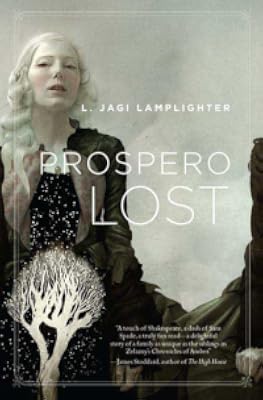
Surviving with her family members for four hundred years after the events of The Tempest, Miranda enlists her siblings in a search for their missing father after receiving a warning about ancient demons who would harness their powers.Tags
Recommendations
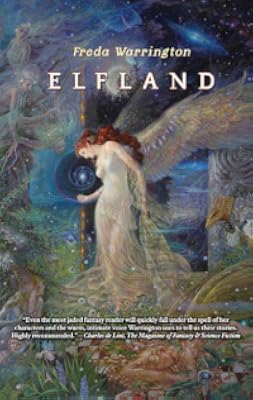

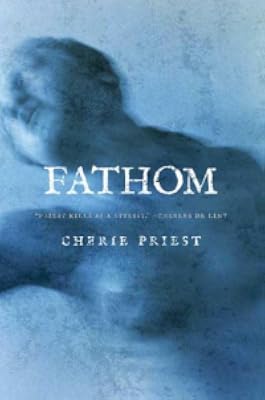
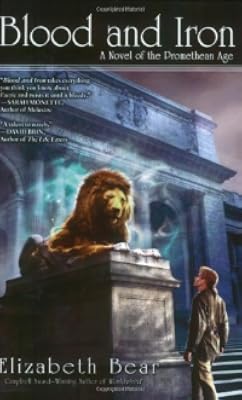
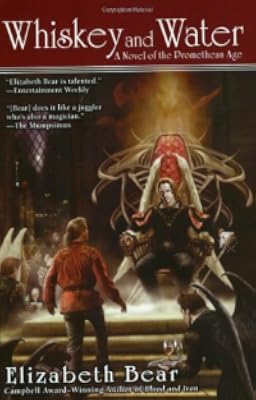


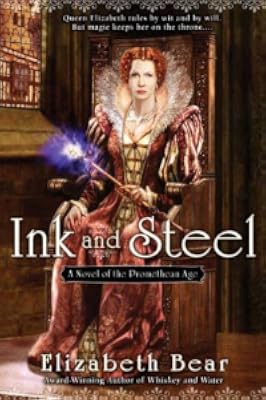
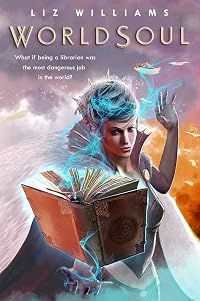
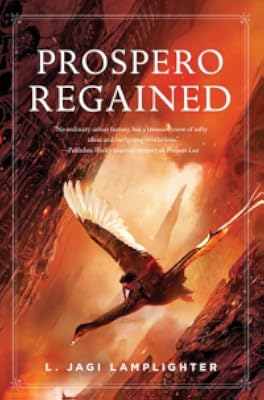
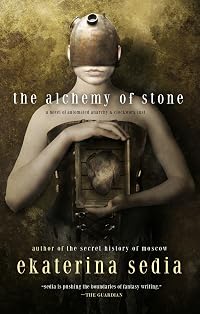
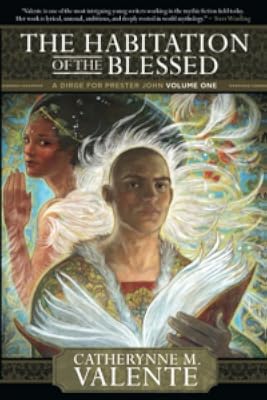
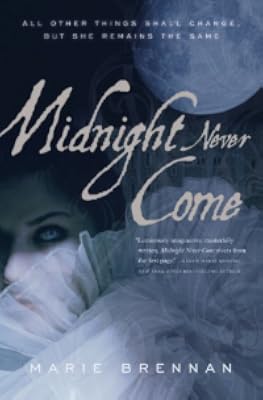
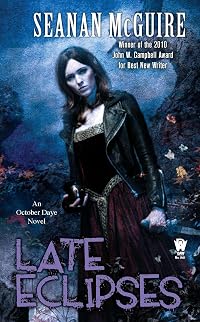
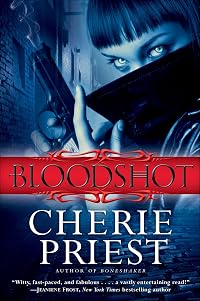

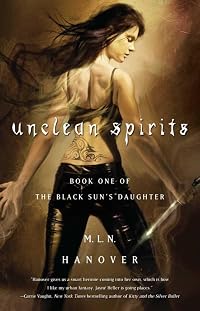
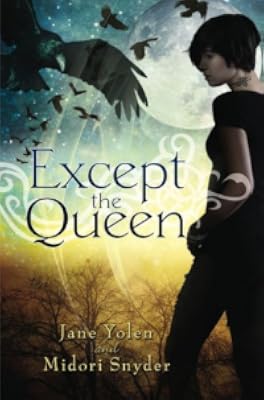
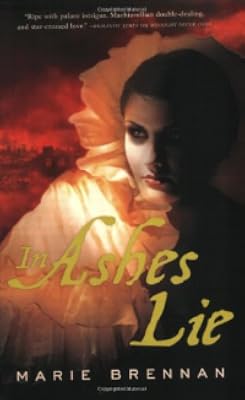
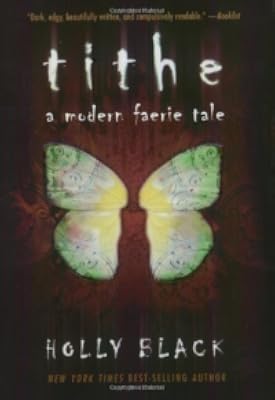
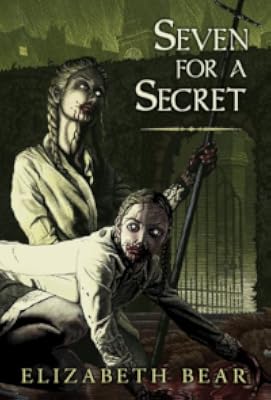
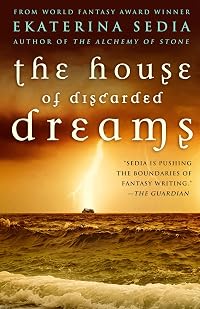
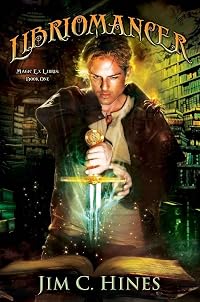
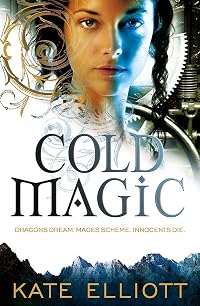

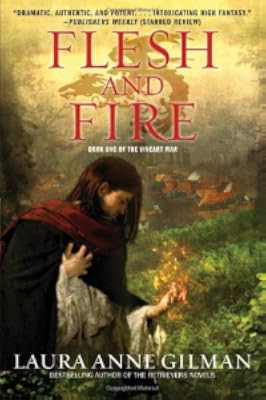

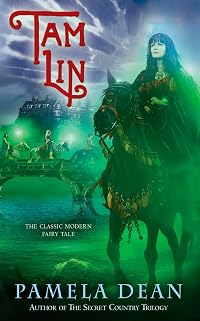
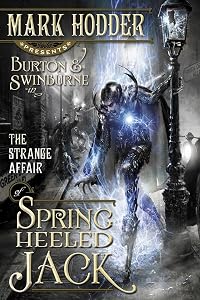
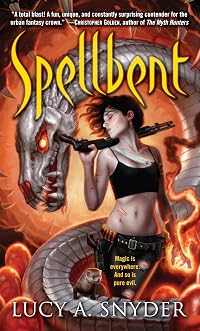

Member Recommendations
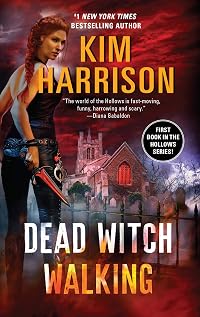
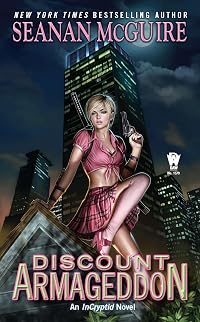
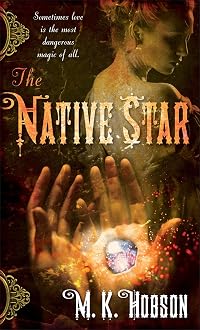
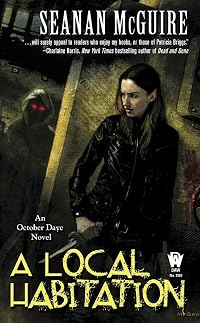
aboulomania Both are inspired by The Tempest by Shakespeare, with two very different stories.
Member Reviews
The writing is tight; and it was fun not liking the main character but still wanting to follow her.
This book takes place hundreds of years after Shakespeare‰Ãªs The Tempest, long after Prospero left the island with his daughter Miranda. In this version, however, he didnÂêt give up his magic or free his magical servants; instead, he gained immortality, married, fathered eight more children, and started Prospero, Inc. This influential corporation secretly mediates among spirits of the natural world and makes deals that help humanity, such as preventing natural disasters (like buying off salamanders to stop an exploding volcano) or making modern technologies work (such as petroleum and electricity). Miranda is the head of this organization and has been for much of her immortal life, while her siblings have abandoned the show more family and gone their separate ways. When Prospero mysteriously disappears, leaving behind a note to ÂÃÃbeware the Shadowed OnesÂÃÂ, she has to track down all of her siblings and warn them of the impending danger, even though she doesnÂêt know what it is. She takes Mab, one of the familyÂês aerie servants who appears as a noir-ish detective, and Mephisto, her quite insane and yet charming younger brother, with her. Along the way, they must figure out who the Shadowed Ones are, what they want, and what it has to do with the familyÂês somewhat shady past, of which Miranda finds she is sorely misinformed.
This book combines an urban quest fantasy with a puzzling detective story and is a lot of fun to read. Allusions to Milton and Shakespeare and various mythologies abound, and I love how Lamplighter takes The Tempest, imagines an alternate ending, and continues from there. As this is a first book, more questions are raised then answered (actually, IÂêm not sure any are definitively answered), but thatÂês one of the things I liked. And it works because we see everything from MirandaÂês point of view, and she, as we come to realize, isnÂêt reliable ÂÃà not because sheÂês lying to us, but because sheÂês lying to herself and half of the time, she isnÂêt even aware of it.
Miranda is a curious narrator. Empathizing with the main character is a key aspect of a bookÂês appeal for me; it doesnÂêt matter as much whether I like her, as long as I understand at least some of her motivations and find her interesting. Miranda is cold, distant, and rational, but sheÂês also an unreliable narrator that thinks she is an irrefutable one. She has plenty of faults: sheÂês selfishly attached to becoming a Sibyl and completely unaware of her own hypocrisy when it comes to the responsible use of magic and her family (and their indentured aerie servants).But the longer I spent in her head, the more sympathetic she became: sheÂês so certain that her father is above reproach, but as she visits her siblings and puts together their stories, she gets a quite different picture that runs counter to what sheÂês always believed. Everyone in her family has secrets sheÂês shocked by, secrets that lead one of the Shadowed Ones to say her familyÂês ÂÃÃplace among the damned is assuredÂÃÂ. Many of her memories are hazy or inaccurate. Other people suggest (in a roundabout way) that her loyalty to Prospero may be the result of a spell, designed to keep her close (as she is the reason the family enjoys immortality). She learns of other instances when Prospero may have manipulated events to his own ends, and as heÂês not there to counter them, she battles between her blind faith and niggling doubts. SheÂês trying to put together a huge, complex puzzle, but everybodyÂês hidden the pieces from her and then lied about where they are, or given her ones that look right but arenÂêt. (And thatÂês enough of that metaphor.)
The other characters are varying degrees of interesting. We donÂêt see them for very long, except for Mab and Mephisto, so they are difficult to connect with, and since their relationships are strained with each other and with Miranda, their significance really boils down to the information they can offer Miranda. Mab and Mephisto, on the other hand, are excellent secondary characters. Mephisto is a total whack-a-do, but his insanity has a tragic element (the question of how and why he lost his sanity is another one of those puzzle pieces Miranda has to find); however, heÂês also irrepressibly fun and charming and seems to genuinely care for Miranda. That heÂês also extremely dangerous and possibly the prince of Hell gives him a whole other layer. He also seems to have a ton of key information, but because heÂês so crazy, he canÂêt share it. Mab is my favorite character though, because I love his hard-nosed practicality. He always seems to cut through the bullshit. And though I think he cares for Miranda, he is also offended by his forced servitude and her obvious endorsement of it. I wondered throughout the whole book if he were to be released, would he stay with her out of love or loyalty, or would he use his freedom to get as far away as possible. Both seemed likely.
The only thing I really didnÂêt like was how often we took forays into the past. Often they were important scenes and just as well-written, but I got tired of them after a while. They slowed down the pace of the immediate mystery, which I was more invested in, and they had a lot of information dumped in. However, thatÂês a pretty small quibble in an otherwise compelling and unique book, and I can't wait for Book Two, where I imagine some of the questions get answered. show less
This book combines an urban quest fantasy with a puzzling detective story and is a lot of fun to read. Allusions to Milton and Shakespeare and various mythologies abound, and I love how Lamplighter takes The Tempest, imagines an alternate ending, and continues from there. As this is a first book, more questions are raised then answered (actually, IÂêm not sure any are definitively answered), but thatÂês one of the things I liked. And it works because we see everything from MirandaÂês point of view, and she, as we come to realize, isnÂêt reliable ÂÃà not because sheÂês lying to us, but because sheÂês lying to herself and half of the time, she isnÂêt even aware of it.
Miranda is a curious narrator. Empathizing with the main character is a key aspect of a bookÂês appeal for me; it doesnÂêt matter as much whether I like her, as long as I understand at least some of her motivations and find her interesting. Miranda is cold, distant, and rational, but sheÂês also an unreliable narrator that thinks she is an irrefutable one. She has plenty of faults: sheÂês selfishly attached to becoming a Sibyl and completely unaware of her own hypocrisy when it comes to the responsible use of magic and her family (and their indentured aerie servants).But the longer I spent in her head, the more sympathetic she became: sheÂês so certain that her father is above reproach, but as she visits her siblings and puts together their stories, she gets a quite different picture that runs counter to what sheÂês always believed. Everyone in her family has secrets sheÂês shocked by, secrets that lead one of the Shadowed Ones to say her familyÂês ÂÃÃplace among the damned is assuredÂÃÂ. Many of her memories are hazy or inaccurate. Other people suggest (in a roundabout way) that her loyalty to Prospero may be the result of a spell, designed to keep her close (as she is the reason the family enjoys immortality). She learns of other instances when Prospero may have manipulated events to his own ends, and as heÂês not there to counter them, she battles between her blind faith and niggling doubts. SheÂês trying to put together a huge, complex puzzle, but everybodyÂês hidden the pieces from her and then lied about where they are, or given her ones that look right but arenÂêt. (And thatÂês enough of that metaphor.)
The other characters are varying degrees of interesting. We donÂêt see them for very long, except for Mab and Mephisto, so they are difficult to connect with, and since their relationships are strained with each other and with Miranda, their significance really boils down to the information they can offer Miranda. Mab and Mephisto, on the other hand, are excellent secondary characters. Mephisto is a total whack-a-do, but his insanity has a tragic element (the question of how and why he lost his sanity is another one of those puzzle pieces Miranda has to find); however, heÂês also irrepressibly fun and charming and seems to genuinely care for Miranda. That heÂês also extremely dangerous and possibly the prince of Hell gives him a whole other layer. He also seems to have a ton of key information, but because heÂês so crazy, he canÂêt share it. Mab is my favorite character though, because I love his hard-nosed practicality. He always seems to cut through the bullshit. And though I think he cares for Miranda, he is also offended by his forced servitude and her obvious endorsement of it. I wondered throughout the whole book if he were to be released, would he stay with her out of love or loyalty, or would he use his freedom to get as far away as possible. Both seemed likely.
The only thing I really didnÂêt like was how often we took forays into the past. Often they were important scenes and just as well-written, but I got tired of them after a while. They slowed down the pace of the immediate mystery, which I was more invested in, and they had a lot of information dumped in. However, thatÂês a pretty small quibble in an otherwise compelling and unique book, and I can't wait for Book Two, where I imagine some of the questions get answered. show less
A take on Shakespeare's Tempest that, in some ways, blows my mind. Set in our present day, sort of, it's the story of Prospero's family -- and the fact that he's lost. His daughter, Miranda, is running the family business, but she's worried about her father. And her worries come to pass as bad things start happening. This is the first in a series and I really need to get my hands on the second book.
This book uses characters from The Tempest, which, I admit, I have never read. Miranda, her Father, their family, and the air spirits are immortals hanging out in present day America. They are all rather strange, and stilted, and self-involved. Prospero turns up missing, and warns his daughter that their family and magical properties are in danger. Miranda sets about warning her far-flung siblings and trying to solve the mystery of his disappearance. The search brings up more questions than it answers.
This book was very slow reading for a while, and I was beginning to get discouraged. It takes a long time to set up the story and introduce all of the characters. Not long after things got interesting, the book ended rather abruptly. I was show more excited about the mystery when the book ended, and I had begun to like some of the characters, so I look forward to finding out more when the next book is released. show less
This book was very slow reading for a while, and I was beginning to get discouraged. It takes a long time to set up the story and introduce all of the characters. Not long after things got interesting, the book ended rather abruptly. I was show more excited about the mystery when the book ended, and I had begun to like some of the characters, so I look forward to finding out more when the next book is released. show less
I think my favorite part of the Prospero's Daughter trilogy (so far anyway) is that it weaves history and legend in with magic and the modern world. Prospero and Miranda, at least, have been around for about 500 years and in the modern world they run a company which controls magical forces so humanity's technology can exist. Lamplighter seamlessly works these characters into the last half-millennium of human history. Miranda was almost burned as a witch. One of her brothers was a Pope. The Prosperos were involved in Milanese politics.
The way Lamplighter writes makes this a fairly easy read, I think. The descriptions are vivid but I feel as if I'm looking through a soft focus. We also find out more about Miranda and her family slowly as show more the book goes on. Little hints and pieces of her past are spread throughout Prospero Lost. It's one of those books that I just enjoy reading from start to finish.
One critique that I saw made on another review was that there was an anti-Catholic sentiment. I found that amusing, considering I, as a non-religious person, found it almost a little too Christian for me. Miranda and her family, with the exception of two, are all protestants. As previously mentioned, one of her brothers was the pope, and although I don't know much about papal history, I got the impression he was one of the better ones. There is a very Greco-Roman description of hell, but I found the cosmology to be mostly Christian. "The Almighty" is mentioned, along with his angels. There exist other gods, but they are weaker. There's a half-page where Mab, the Northeast wind, talks about the origins and nature of Jesus which I found interesting.
I find that people who read fantasy, however, by the nature of the books need to be rather open about god/s so I imagine this won't even register for most people who would read this book anyway.
My only other critique (tiny one) of the book is it seems to be very much a "quest" book. There is a definite goal, and it's not a broad sweeping exploration where you have no idea what will happen. Miranda wants to save her family before 12th Night. S'it. A simple plot, but I must say I don't find I have an issue with it. Perhaps if the world travel, history, religion, and magic weren't so intriguing, it might be problematic. As it is, I only really notice if I sit here and contemplate the book.
Prospero Lost is probably one of my favorite books. It's one of those that makes you want to curl up by a fire with some hot chocolate and just read on a chilly day. I guess it's a comfort book for me. Simple story, but intricate exploration of a world that "exists" within our own. I have the next one in hand and am already enjoying it. show less
The way Lamplighter writes makes this a fairly easy read, I think. The descriptions are vivid but I feel as if I'm looking through a soft focus. We also find out more about Miranda and her family slowly as show more the book goes on. Little hints and pieces of her past are spread throughout Prospero Lost. It's one of those books that I just enjoy reading from start to finish.
One critique that I saw made on another review was that there was an anti-Catholic sentiment. I found that amusing, considering I, as a non-religious person, found it almost a little too Christian for me. Miranda and her family, with the exception of two, are all protestants. As previously mentioned, one of her brothers was the pope, and although I don't know much about papal history, I got the impression he was one of the better ones. There is a very Greco-Roman description of hell, but I found the cosmology to be mostly Christian. "The Almighty" is mentioned, along with his angels. There exist other gods, but they are weaker. There's a half-page where Mab, the Northeast wind, talks about the origins and nature of Jesus which I found interesting.
I find that people who read fantasy, however, by the nature of the books need to be rather open about god/s so I imagine this won't even register for most people who would read this book anyway.
My only other critique (tiny one) of the book is it seems to be very much a "quest" book. There is a definite goal, and it's not a broad sweeping exploration where you have no idea what will happen. Miranda wants to save her family before 12th Night. S'it. A simple plot, but I must say I don't find I have an issue with it. Perhaps if the world travel, history, religion, and magic weren't so intriguing, it might be problematic. As it is, I only really notice if I sit here and contemplate the book.
Prospero Lost is probably one of my favorite books. It's one of those that makes you want to curl up by a fire with some hot chocolate and just read on a chilly day. I guess it's a comfort book for me. Simple story, but intricate exploration of a world that "exists" within our own. I have the next one in hand and am already enjoying it. show less
My lower rating of this book has more to do with the quality of writing than anything else. I highly enjoyed the book, the story, the characters; I simply couldn't get past the overuse of !. Seriously, a chapter should NOT begin with a sentence that has an ! at the end of it. Perhaps this is more of an editorial issue than a writing issue, but it bothered me nonetheless. It read like it was written by a first-time novelist, which Lamplighter was at the time. However, I loved the concept : 500 years after "The Tempest" Miranda and Prospero are still alive, managing a corporation that controls the magical beings all over the world that create all the bad things (volcanoes, hurricanes, earthquakes, etc.) we blame on "weather." When show more Prospero mysteriously disappears, Miranda must track down her 6 siblings to warn them of possible doom. It's clever, with a nice mixture of fantasy and mystery. With a dash of Santa Claus, elves, and a little romance. I've just started reading the second in the trilogy and I only hope for writing that's just a wee bit more put together. show less
Didn't finish, quit early in Ch 2. The writing is just too amateurish. For one thing, as the previous reviewer noted, the exclamation point is severely overused. Also, the first-person narrator frequently says things like this:
"Blah blah," I told him regally.
Or "Blah blah," I said sternly.
You can't assess yourself in this way. You can't say you seem regal; that just makes you look like a dork. It's for other people to decide if you seem regal. Too much of the dialog is handled like this.
And here's a passage from Ch 1:
I... enjoyed the soft caress of the balmy air as it mingled the delicate scents of lilac and hyacinths with the heady perfume of honeysuckle and roses, as well as the faint odor of pine.
The problem is that each noun is show more modified by exactly one adjective. The overall impression is that it's formulaic. E.g., The tall man walked down the dusty road to his unknown destination, his uneasy thoughts flitting about in his troubled mind as he led his weary horse through the parched landscape...
A writer must vary the structure of her prose, even within a single sentence, if the sentence is long enough.
Another problem is that she belabors the obvious, saying things like, "My father had disappeared, and I was concerned." Well, duh! You needn't tell us that you were concerned about your father disappearing!
Overall, I found myself fighting the writing as I read, thus the quick DNF. show less
"Blah blah," I told him regally.
Or "Blah blah," I said sternly.
You can't assess yourself in this way. You can't say you seem regal; that just makes you look like a dork. It's for other people to decide if you seem regal. Too much of the dialog is handled like this.
And here's a passage from Ch 1:
I... enjoyed the soft caress of the balmy air as it mingled the delicate scents of lilac and hyacinths with the heady perfume of honeysuckle and roses, as well as the faint odor of pine.
The problem is that each noun is show more modified by exactly one adjective. The overall impression is that it's formulaic. E.g., The tall man walked down the dusty road to his unknown destination, his uneasy thoughts flitting about in his troubled mind as he led his weary horse through the parched landscape...
A writer must vary the structure of her prose, even within a single sentence, if the sentence is long enough.
Another problem is that she belabors the obvious, saying things like, "My father had disappeared, and I was concerned." Well, duh! You needn't tell us that you were concerned about your father disappearing!
Overall, I found myself fighting the writing as I read, thus the quick DNF. show less
Members
- Recently Added By
Published Reviews
ThingScore 75
Lamplighter’s powerful debut draws inspiration from Shakespeare and world mythology, infused with humor and pure imagination. ... Featuring glimpses into a rich and wondrous world of the unseen, this is no ordinary urban fantasy, but a treasure trove of nifty ideas and intriguing revelations...
added by private library
Lamplighter plays fast and loose with Shakespeare in this modern-day fantasy filled with homages to both the Bard and John Milton. ... Intelligent and eminently enjoyable, this series opener by a first-time author is a first-rate choice for fans of mythic urban fantasy.
added by private library
Lists

Genre Benders: Fantasy + Mystery
108 works; 16 members
Author Information

19+ Works 645 Members
Some Editions
Awards and Honors
Awards
Series

Work Relationships
Was inspired by
Common Knowledge
- Canonical title
- Prospero Lost
- Original publication date
- 2009-08-04
- Dedication
- To William Shakespeare and John C. Wright, who, between them, invented nearly every character in this story except for Mab Boreal, Astreus, and Caurus.
- First words
- It was after midnight when I discovered Father's last message.
- Last words
- (Click to show. Warning: May contain spoilers.)Written there, in a beautiful looping script, were the words: I, Deiphobe of the Seven Hills, Sibyl of Eurynome, herein do record the secrets of my order.
- Publisher's editor
- Frenkel, James
- Blurbers
- Stoddard, James; Mallory, James; Baker, Kage; Wright, John C.; Spencer, Wen; Klasky, Mindy (show all 9); Resnick, Laura; Massey, Misty; Smith-Ready, Jeri
Classifications
Statistics
- Members
- 233
- Popularity
- 139,870
- Reviews
- 14
- Rating
- (3.73)
- Languages
- English
- Media
- Paper, Ebook
- ISBNs
- 4
- ASINs
- 5