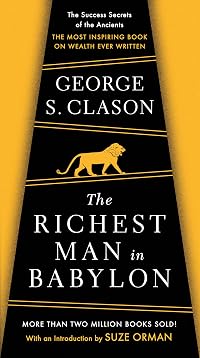
The Richest Man in Babylon
by George S. Clason
On This Page
Description
The Richest Man in Babylon, based on Babylonian parables, has been hailed as the greatest of all inspirational works on the subject of thrift, financial planning, and personal wealth. In simple language, these fascinating and informative stories set you on a sure path to prosperity and its accompanying joys. A celebrated bestseller, it offers an understanding and a solution to your personal financial problem. Revealed inside, in all original format, are the secrets to acquiring money, show more keeping money, and making money earn more money. The all original edition with no added commentary or removed content. show lessTags
Recommendations

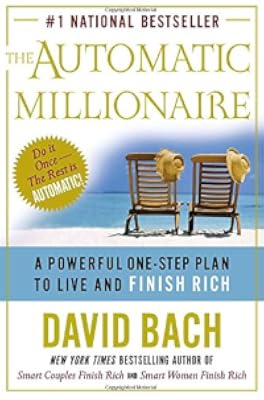
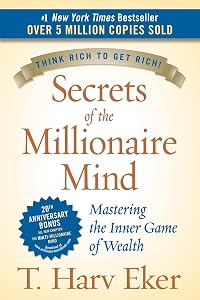
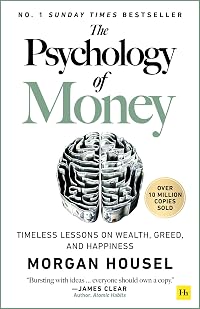
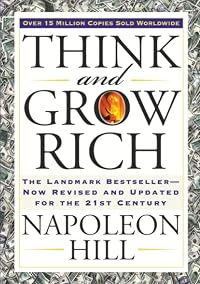

Member Reviews
George S. Clason's The Richest Man in Babylon is a timeless masterpiece that distills foundational financial wisdom into a series of engaging parables. Far from a dry financial guide, the book presents its advice through the fables of Arkad, the richest man in ancient Babylon, and his circle of friends. This narrative approach makes complex concepts highly accessible and memorable, proving that the principles of wealth-building are as relevant today as they were thousands of years ago.
The book's core message is centered around a set of "seven cures for a lean purse" and the "five laws of gold." These simple yet profound rules advocate for practical habits such as saving at least 10% of your earnings, controlling your expenditures, and show more making your money work for you. Clason's emphasis on starting small and being consistent is particularly powerful, offering a realistic path to financial freedom rather than a promise of overnight riches.
What truly sets this book apart is its ability to demystify wealth. It posits that true wealth is not about luck, but about understanding and applying universal laws of finance. The stories serve as powerful metaphors, illustrating the pitfalls of seeking quick gains and the rewards of patience and diligence. For anyone feeling overwhelmed by personal finance, Clason’s work is a breath of fresh air—a clear, concise, and motivational starting point. It’s a classic for a reason and an essential read for anyone looking to build a secure financial foundation. show less
The book's core message is centered around a set of "seven cures for a lean purse" and the "five laws of gold." These simple yet profound rules advocate for practical habits such as saving at least 10% of your earnings, controlling your expenditures, and show more making your money work for you. Clason's emphasis on starting small and being consistent is particularly powerful, offering a realistic path to financial freedom rather than a promise of overnight riches.
What truly sets this book apart is its ability to demystify wealth. It posits that true wealth is not about luck, but about understanding and applying universal laws of finance. The stories serve as powerful metaphors, illustrating the pitfalls of seeking quick gains and the rewards of patience and diligence. For anyone feeling overwhelmed by personal finance, Clason’s work is a breath of fresh air—a clear, concise, and motivational starting point. It’s a classic for a reason and an essential read for anyone looking to build a secure financial foundation. show less
For a long time, I didn't understand this book; and I bet many of you didn't either.
Stylistically speaking this book is influenced, in a weird way, by Voltaire. Why you might ask?
The book, with its parables, captures something which is seldom caught in this kind of books: The human spirit.
This book doesn't talk only about money, this book also talks about advice, whom to trust and not trust, the value of work, how a man looks upon himself, various kinds of workers and father-child relationships.
Why is this, one might ask?
Well, it's because the author understood something that it's seldom understood: Being successful with gold and, what many call today, "philosophical Jimbo talk" about the value of work and man are strongly tied show more together.
My favourite story is near the end of a book, it's The Ca,eò Trader of Babylon.
"Where the determination is, the way can be found" this phrase doesn't capture the story.
Imagine being a slave in a desert, without water or food, you don't know where you are. Your master, if he finds you, will kill you. If you return to your hometown you will be assaulted by debt, this is if you can even find it.
In those desert sands, that slave saw the world through a different lens, a more active and abstract one.
When he returned to Babylon he was a changed man, he repaid all his debt (with time) and managed to become a wealthy merchant.
If there is but one thing that you can carry away from this book, be it this: Your problems don't matter, your attitude toward them matter. If you go through life with a slave soul, over-indulging in pleasures and running away from challenges your problems will devour you. If by contrast, you go through life with a free man soul, never overindulge or shrink from work, then your problem will go away. With time. It might take a whole, but you will get there, eventually. show less
Stylistically speaking this book is influenced, in a weird way, by Voltaire. Why you might ask?
The book, with its parables, captures something which is seldom caught in this kind of books: The human spirit.
This book doesn't talk only about money, this book also talks about advice, whom to trust and not trust, the value of work, how a man looks upon himself, various kinds of workers and father-child relationships.
Why is this, one might ask?
Well, it's because the author understood something that it's seldom understood: Being successful with gold and, what many call today, "philosophical Jimbo talk" about the value of work and man are strongly tied show more together.
My favourite story is near the end of a book, it's The Ca,eò Trader of Babylon.
"Where the determination is, the way can be found" this phrase doesn't capture the story.
Imagine being a slave in a desert, without water or food, you don't know where you are. Your master, if he finds you, will kill you. If you return to your hometown you will be assaulted by debt, this is if you can even find it.
In those desert sands, that slave saw the world through a different lens, a more active and abstract one.
When he returned to Babylon he was a changed man, he repaid all his debt (with time) and managed to become a wealthy merchant.
If there is but one thing that you can carry away from this book, be it this: Your problems don't matter, your attitude toward them matter. If you go through life with a slave soul, over-indulging in pleasures and running away from challenges your problems will devour you. If by contrast, you go through life with a free man soul, never overindulge or shrink from work, then your problem will go away. With time. It might take a whole, but you will get there, eventually. show less
Book title and author: The Riches Man in Babylon George S. Clason Review date 1-8-26
Why I picked this book up: I listened to audiobook with interest in this classic book to see what messages he puts out.
Thoughts: This interesting classic book of financial advice written in the 1920s had sound financial material. He recommends saving 10% and living off the rest. This book as timeless principles for managing money in the form of “Seven Cures for a Lean Purse” (how to acquire wealth) and “Five Laws of Gold” (how to preserve and grow wealth). They are laid out in parables from thousands of years ago in the wealthy city of Babylon.
Clason’s message is that if you work hard, save, live within your means, and invest wisely, you can show more become wealthy. He’s credited by some with being the first person to articulate the principle, “Pay yourself first.”
The financial principles in the book are delivered by the fictional character of Arkad, the richest man in Babylon, who imparts the secrets of wealth to a group of local citizens who want to learn to become rich and stop struggling financially.
Arkad, who started his working life as a lowly scribe in Babylon’s hall of records, noticed that the scribes who produced more work received more pay. He worked to increase his speed and received more money himself.
Upon the advice of a money lender, Arkad began saving 10% of everything he earned. To his surprise, he didn’t miss having it available for spending. He created a budget and lived within his means. At first, he spent the interest earned on his savings—however, he later learned to put his money to work by earning more interest on his interest. He also looked for ways to invest. Except for the mistake of investing in the jewels that turned out to be fake, he increased his wealth gradually through wise investments.
Arkad became wealthy because he learned to:
Pay himself
Live below his means
Put his money to work
Get competent financial advice
Seven Principles for Acquiring Wealth:
Arkad explains to the group of Babylon citizens who questioned him that he became wealthy by implementing “Seven Cures for a Lean Purse.” The cures or principles for acquiring wealth are:
1) Pay yourself first. Save 10 percent of everything you earn, even if you’re in debt, to start building wealth. You’ll find that you get along just fine on 90% of what you earn and in 10 years, you’ll have saved a year’s earnings. Arkad teaches that you may think all of your earnings belong to you, but most of them actually end up going to your grocer, your landlord, and your shoemaker. Only your savings are truly yours. Although you’ll be tempted to spend your savings at times, remember that spending brings only temporary gratification, while saving builds long-term wealth and security. And the person who saves part of his earnings will find it easier to acquire more money.
2) Control your spending. After you save a tenth of your earnings, determine your necessities and create a budget to cover them, plus a few worthwhile things you enjoy, not exceeding the remaining 90% of your income. When distinguishing necessities from desires, remember that if a pack animal got to choose his burden for a long trip, he’d choose to carry grain, hay and water—necessities—rather than gold and jewels. Additionally, live within your means or, better yet, live below your means.
Why I finished this read: This was a quick, simple, well-reasoned and useful. It was easy to finish.
Stars rating: I enjoyed this simple book I rated it 4 of 5 stars even though it was not rocket science to was sound and useful for me. show less
Why I picked this book up: I listened to audiobook with interest in this classic book to see what messages he puts out.
Thoughts: This interesting classic book of financial advice written in the 1920s had sound financial material. He recommends saving 10% and living off the rest. This book as timeless principles for managing money in the form of “Seven Cures for a Lean Purse” (how to acquire wealth) and “Five Laws of Gold” (how to preserve and grow wealth). They are laid out in parables from thousands of years ago in the wealthy city of Babylon.
Clason’s message is that if you work hard, save, live within your means, and invest wisely, you can show more become wealthy. He’s credited by some with being the first person to articulate the principle, “Pay yourself first.”
The financial principles in the book are delivered by the fictional character of Arkad, the richest man in Babylon, who imparts the secrets of wealth to a group of local citizens who want to learn to become rich and stop struggling financially.
Arkad, who started his working life as a lowly scribe in Babylon’s hall of records, noticed that the scribes who produced more work received more pay. He worked to increase his speed and received more money himself.
Upon the advice of a money lender, Arkad began saving 10% of everything he earned. To his surprise, he didn’t miss having it available for spending. He created a budget and lived within his means. At first, he spent the interest earned on his savings—however, he later learned to put his money to work by earning more interest on his interest. He also looked for ways to invest. Except for the mistake of investing in the jewels that turned out to be fake, he increased his wealth gradually through wise investments.
Arkad became wealthy because he learned to:
Pay himself
Live below his means
Put his money to work
Get competent financial advice
Seven Principles for Acquiring Wealth:
Arkad explains to the group of Babylon citizens who questioned him that he became wealthy by implementing “Seven Cures for a Lean Purse.” The cures or principles for acquiring wealth are:
1) Pay yourself first. Save 10 percent of everything you earn, even if you’re in debt, to start building wealth. You’ll find that you get along just fine on 90% of what you earn and in 10 years, you’ll have saved a year’s earnings. Arkad teaches that you may think all of your earnings belong to you, but most of them actually end up going to your grocer, your landlord, and your shoemaker. Only your savings are truly yours. Although you’ll be tempted to spend your savings at times, remember that spending brings only temporary gratification, while saving builds long-term wealth and security. And the person who saves part of his earnings will find it easier to acquire more money.
2) Control your spending. After you save a tenth of your earnings, determine your necessities and create a budget to cover them, plus a few worthwhile things you enjoy, not exceeding the remaining 90% of your income. When distinguishing necessities from desires, remember that if a pack animal got to choose his burden for a long trip, he’d choose to carry grain, hay and water—necessities—rather than gold and jewels. Additionally, live within your means or, better yet, live below your means.
Why I finished this read: This was a quick, simple, well-reasoned and useful. It was easy to finish.
Stars rating: I enjoyed this simple book I rated it 4 of 5 stars even though it was not rocket science to was sound and useful for me. show less
Ky libër synon që të zgjidhë problemet personale që lidhen me paranë, falë rishikimit të parabolave antike babilonase. Clason i rikthehet Babilonisë, ku nënvizon se janë ndërtuar themelet e sistemeve tona dhe besimet monetare. Duke studiuar së bashku me të anekdotat antike (si të ishim qytetarë të atij civilizimi) mund të vlerësojmë paranë, të mësojmë si të blejmë në mënyrë të shëndoshë, si të ndërmarrim veprime financiare të shëndosha dhe të fitojmë më shumë
"Truth is always simple." This line from the book pretty much sums it all up!
I've been blessed in having my own personal financial advisor growing up (my dad), so frankly felt like a lot of the read was redundant. But, I did appreciate the fable/parable-style telling; that has its own value in presenting the same material in a different fashion. And as much as I love my dad :D, there's also something to be said for objective third parties presenting material--being slightly removed and not having the same degree of familiarity, filial love/respect, and desire to do something purely out of respect for X Person. This provides the "why I should do something" in fictional form, which I think many readers could gain from. I'd recommend show more pairing it with Dave Ramsey's The Total Money Makeover Journal: A Guide for Financial Fitness (for overall money-management concepts, as well as for those struggling with debt; I also really appreciate his approach to and inclusion of charitable giving, something I wish this read had included).
Perhaps my favorite line from the book: "Confuse not the necessary expenses with thy desires" (eARC loc 435). There was some really good material following this line that, even years into being the main breadwinner in my household, I could still stand to be reminded of! There's always something new and shiny to be distracted by.
I think my biggest dissatisfaction with the read was just how focused it was on building wealth for *oneself* (and that really surprised me, being the longtime conservative that I am, haha). It felt primarily self-focused (which is generally fine), but didn't explore--as much as I wished it might--how sharing one's earnings can be a reward in itself--minimal consideration of our fellow man/neighbor. Could certainly be another chapter there, easily. The stories are also, of course, set in Babylon (and include references to Babylonian religion). I'd be curious to get the author's take on the "end goal," or "end game," as it were, of pursuing wealth. When someone dies ... what's all going to happen to it?
I received an eARC of the book from the publisher via NetGalley. All opinions are my own. show less
I've been blessed in having my own personal financial advisor growing up (my dad), so frankly felt like a lot of the read was redundant. But, I did appreciate the fable/parable-style telling; that has its own value in presenting the same material in a different fashion. And as much as I love my dad :D, there's also something to be said for objective third parties presenting material--being slightly removed and not having the same degree of familiarity, filial love/respect, and desire to do something purely out of respect for X Person. This provides the "why I should do something" in fictional form, which I think many readers could gain from. I'd recommend show more pairing it with Dave Ramsey's The Total Money Makeover Journal: A Guide for Financial Fitness (for overall money-management concepts, as well as for those struggling with debt; I also really appreciate his approach to and inclusion of charitable giving, something I wish this read had included).
Perhaps my favorite line from the book: "Confuse not the necessary expenses with thy desires" (eARC loc 435). There was some really good material following this line that, even years into being the main breadwinner in my household, I could still stand to be reminded of! There's always something new and shiny to be distracted by.
I think my biggest dissatisfaction with the read was just how focused it was on building wealth for *oneself* (and that really surprised me, being the longtime conservative that I am, haha). It felt primarily self-focused (which is generally fine), but didn't explore--as much as I wished it might--how sharing one's earnings can be a reward in itself--minimal consideration of our fellow man/neighbor. Could certainly be another chapter there, easily. The stories are also, of course, set in Babylon (and include references to Babylonian religion). I'd be curious to get the author's take on the "end goal," or "end game," as it were, of pursuing wealth. When someone dies ... what's all going to happen to it?
I received an eARC of the book from the publisher via NetGalley. All opinions are my own. show less
This is THE book which I wish I started reading 10 years ago.... I dislike economics and yet this book made so much sense to me because it was filled with stories. Think of Aesop's fables - this book is kind of like that because each chapter is its own specific story so you can start reading chapter 5, followed by chapter two, then move on to chapter 9, followed by chapter 3 it doesn't really matter they are all individual stories that make sense by themselves no interconnection across them all.
Although when you start reading this book the first golden nugget -"A part of all your own is yours to keep" - is a very important lesson, for me this wasn't the most important lesson. I found the chapter on the camel trader of Babylon (where he show more talked about the soul of a slave versus the soul of a free man) and the final chapter on the luckiest man from Babylon to be the two chapters that really spoke to me.
I would definitely recommend to keep reading this book every three months just so that the concepts stay in your mind continuously. show less
Although when you start reading this book the first golden nugget -"A part of all your own is yours to keep" - is a very important lesson, for me this wasn't the most important lesson. I found the chapter on the camel trader of Babylon (where he show more talked about the soul of a slave versus the soul of a free man) and the final chapter on the luckiest man from Babylon to be the two chapters that really spoke to me.
I would definitely recommend to keep reading this book every three months just so that the concepts stay in your mind continuously. show less
If nothing else, this was an entertaining read. Reading about finances is usually dead boring. This book avoided that pitfall by presenting itself as a series of narratives focused around the principles it wanted to teach.
I'm not sure Babylon is a model I wish to emulate, given that it was considered one of the more depraved cities of the world and now stands as an allusion to pride and idolatry. Riches, yes, but great sins as well. But these tales are not, of course, actually from Babylon, so I suppose that's not much of a problem.
As for the "laws of gold" themselves, they seem fairly simple and logical. It's actually living by their principles that would be hard. The income distribution map that he highlights in the last few chapters show more doesn't exactly fit my purposes - I donate regularly to my church, and he has no room in his budget for tithing or taxes - but the model of self-control and of being the master of your own money is solid. show less
I'm not sure Babylon is a model I wish to emulate, given that it was considered one of the more depraved cities of the world and now stands as an allusion to pride and idolatry. Riches, yes, but great sins as well. But these tales are not, of course, actually from Babylon, so I suppose that's not much of a problem.
As for the "laws of gold" themselves, they seem fairly simple and logical. It's actually living by their principles that would be hard. The income distribution map that he highlights in the last few chapters show more doesn't exactly fit my purposes - I donate regularly to my church, and he has no room in his budget for tithing or taxes - but the model of self-control and of being the master of your own money is solid. show less
Members
- Recently Added By
Lists

BusinessBooks
24 works; 5 members

Books Read in 2020
4,379 works; 124 members

r/GetMotivated's Recommended Books
27 works; 1 member

Books Read in 2022
5,226 works; 112 members

Men's healing resources
751 works; 1 member

Books Read in 2025
4,128 works; 98 members

Money & finances
42 works; 1 member
Author Information

27+ Works 4,744 Members
In the 1920's George S. Clason distributed pamphlets containing financial advice in the form of parables set in Babylon to many financial institutions. From there, his pamphlets were compiled and published in the book, The Richest Man in Babylon. (Bowker Author Biography)
Some Editions
Work Relationships
Common Knowledge
- Canonical title
- The Richest Man in Babylon
- Original publication date
- 1926
Classifications
- Genres
- Business, Nonfiction, General Nonfiction
- DDC/MDS
- 332 — Society, government, & culture Economics Banking & Money
- LCC
- HF5391 .C65 — Social sciences Commerce Commerce Business
- BISAC
Statistics
- Members
- 4,702
- Popularity
- 3,073
- Reviews
- 67
- Rating
- (3.96)
- Languages
- 20 — Bengali, Chinese, Czech, Dutch, English, Estonian, French, German, Hindi, Hungarian, Indonesian, Italian, Malayalam, Malay, Russian, Spanish, Swedish, Tamil, Turkish, Portuguese (Portugal)
- Media
- Paper, Audiobook, Ebook
- ISBNs
- 258
- UPCs
- 1
- ASINs
- 81