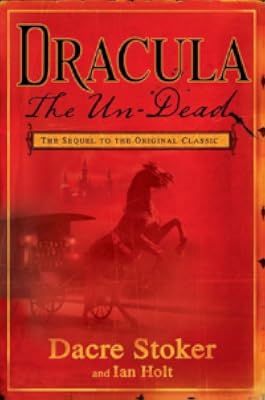
Dracula the Un-Dead
by Dacre Stoker, Ian Holt
On This Page
Description
One by one, the band of heroes that defeated Dracula a quarter-century ago is being hunted down. Could it be that Dracula somehow survived their attack and is seeking revenge? Or is there another force at work whose relentless purpose is to destroy anything and anyone associated with Dracula?Tags
Recommendations




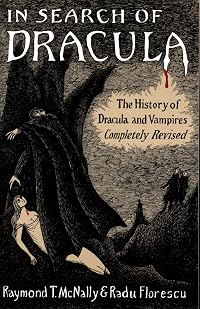
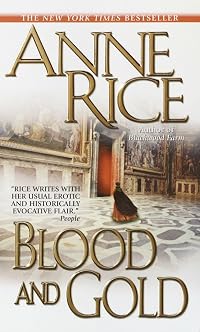
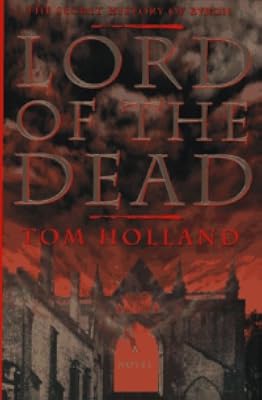
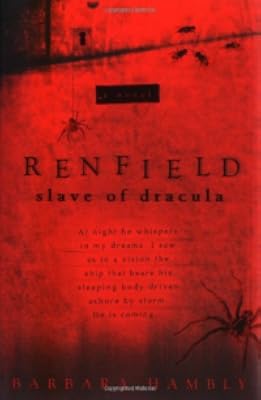
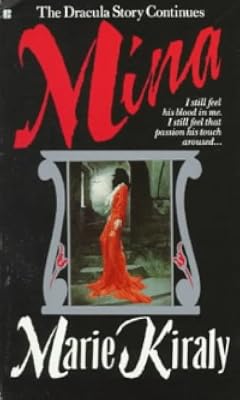
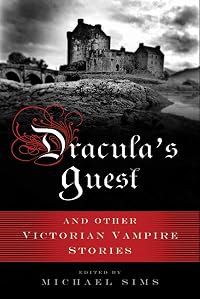
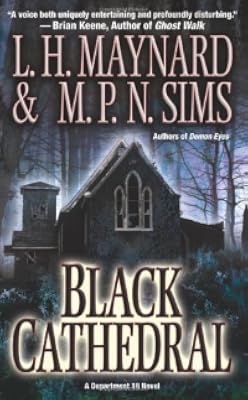
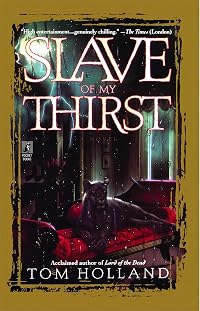
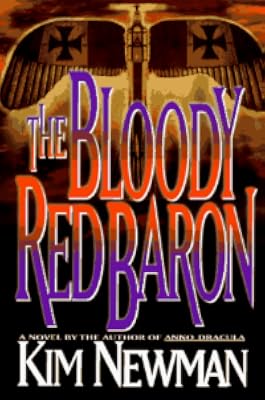
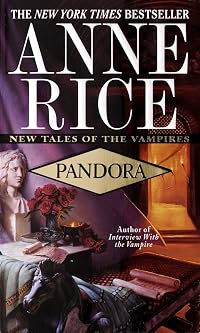
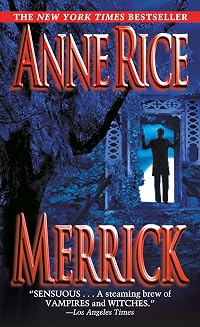
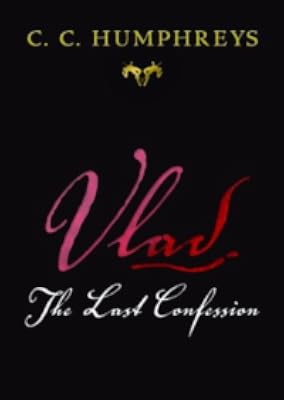
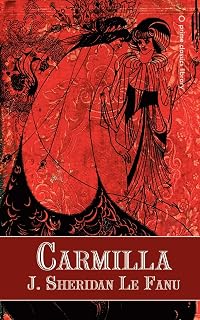
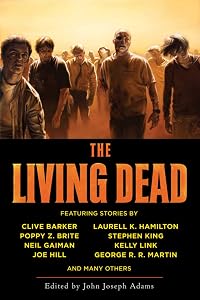
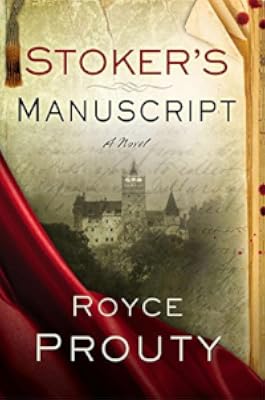
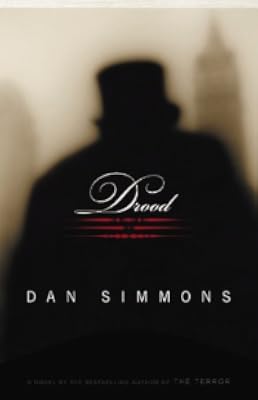

Member Recommendations
Joles Both of these books share a great deal of research and they keep you speeding through one chapter to the next. Oh...and they both have Dracula....
30
Member Reviews
In a genre that didn't get a lot of respect over a century ago and still doesn't get a whole lot of respect today, Bram Stoker managed to breach the surface of both literature and popular fiction with his famed work of horror, Dracula. 112 years later Dacre Stoker, the great grandnephew of Bram Stoker himself, took this work in his hands and proceeded to mercilessly rape it with a golden, glitter-encrusted penis. Dracula the Un-Dead is the sad result of this grievous coupling.
It takes place 25 years after the original work. The characters have all oddly transformed into tedious one-dimensional nitwits and many of them have completely altered personalities, except for the one aspect that they were notable for which have come to dominate show more their existences. The new villain was tired a decade ago (Elizabeth Bathory as a vampire, surprise!) and the old villain (Dracula) is now positively radiant with the blinding intensity of a million sparkles, and he's a good fuck too so he'd fit in with the modern vampire crowd. Who doesn't love vampire fangs puncturing a lady's neck symbolizing coital penetration, I mean really.
The time period is well-researched. By 'well-researched' I mean the authors seem to have read a 1-page summary of all the famous people of the late 1800's and then included as many of them as possible in the beginning of the book. I suppose it is fitting, however, considering the way he is using his ancestor's work to make a quick buck and all.
If Dacre's goal was to desecrate everything his ancestor created he did a wonderful job of it. Not only are there no redeeming qualities about this book, but it completely mars my memory of the original. If I could unremember reading this atrocious thing I would, but I can't, and you won't be able to either. Read at your own peril, I'm warning you.
I will say that the last chapter is very clever and well-done. It's like the most incredible diamond you've ever seen, embedded in the smelliest turd you've ever smelled. show less
It takes place 25 years after the original work. The characters have all oddly transformed into tedious one-dimensional nitwits and many of them have completely altered personalities, except for the one aspect that they were notable for which have come to dominate show more their existences. The new villain was tired a decade ago (Elizabeth Bathory as a vampire, surprise!) and the old villain (Dracula) is now positively radiant with the blinding intensity of a million sparkles, and he's a good fuck too so he'd fit in with the modern vampire crowd. Who doesn't love vampire fangs puncturing a lady's neck symbolizing coital penetration, I mean really.
The time period is well-researched. By 'well-researched' I mean the authors seem to have read a 1-page summary of all the famous people of the late 1800's and then included as many of them as possible in the beginning of the book. I suppose it is fitting, however, considering the way he is using his ancestor's work to make a quick buck and all.
If Dacre's goal was to desecrate everything his ancestor created he did a wonderful job of it. Not only are there no redeeming qualities about this book, but it completely mars my memory of the original. If I could unremember reading this atrocious thing I would, but I can't, and you won't be able to either. Read at your own peril, I'm warning you.
I will say that the last chapter is very clever and well-done. It's like the most incredible diamond you've ever seen, embedded in the smelliest turd you've ever smelled. show less
A few years ago, the spoof metal band Bad News recorded a cover of Bohemian Rhapsody. It was a sort of sub-Spinal Tap comedy effort and the point of the joke was to be deliberately awful, and it reached a gruesome crescendo with the guitar solo - so wincingly bad (hear it for yourself on YouTube) that it could only be the work of an exceptionally talented guitarist: no ordinary plodder could mangle something quite that badly. And, surprise, surprise, the Bad News cover was overseen by none other than Brian May himself.
The reason I mention it is because I can't think of any other sensible explanation for the publication of this horrible little book - the Brian May in this case being not Bram, but his great grand-nephew, Dacre. Perhaps show more the Stoker literary genius is, like its creation, immortal, and lives on in the frame of his diluted bloodline. Unlikely, and it would only make sense if said inheritor, a onetime Canadian modern pentathlete apparently, latterly of Aiken, South Carolina, were also possessed of an unholy, un-American sense of irony, and minded to dreadfully mock his more famous Irish ancestor the way Brian May mocked his own guitar solo.
As I say, unlikely.
Mr Stoker, junior, has co-opted (or more likely, been co-opted *by*) a self-described "well-known Dracula Historian" called Ian Holt. Mr Holt's renown seems largely to have escaped Google, unless he is the same Ian Holt who scripted "Dr Chopper" a 2005 straight-to-video release whose IMDB plot summary is: "Five young friends head out to the country for a weekend at the family cabin and run afoul of a group of motorcycle riding madwomen led by the sadistic, knife-wielding plastic surgeon Dr. Fielding."
Having read Dracula: The Undead, I have a sneaking suspicion it just might be the same Ian Holt.
Now if the sound of Dr. Chopper makes your heart sink, then look away now, for that is, at best, the level of wit and sophistication you will find in "Dracula: The Undead". This is a toweringly awful; stupendously inept; and thunderingly dull book: a veritable tour de force of witless, guileless, inanity - although it is so bad that, perversely, it is entertaining in manner of an Ed Wood movie; I found myself boxing on, propelled by the simple disbelief that anyone gormless enough to write this mush had the commercial acumen, tenacity and perseverance to bring it to market. Somehow, I spent money on this thing, after all, even if it was only £4.
It's also outrageously cynical: I dare say Dacre Stoker was well rewarded for lending his family's name and imprimatur to this project, but in no other respect does this novel even faintly resemble the fictional universe, style, world-view, sophistication, or literary outlook of Bram Stoker's original. Be in no doubt: this is a cheap, low rent, sub-porn slasher novel written without feel or sympathy for the original, or even the genre from which it comes, however hackneyed that may now be. In a splendid irony, Dacre claims to be the godson of the submarine commander "whose tactics were instrumental at Gallipoli" (for the unschooled in military history, the naval campaign at Gallipoli was something of a scoreless draw, but the land leg was a total disaster), and history seems to have repeated itself: if Stoker's name has put the troops on the beach, Ian Holt's dolorous visualisation has massacred the poor blighters. I'm giving Dacre Stoker the benefit of the doubt that he didn't *really* contribute to this novel (Bram certainly didn't: the suggestion that Undead's storyline was somehow crafted out of notes left by Bram Stoker is disingenuous in the extreme), but even if he did consider how interested you'd be in "MacBeth II" written by a distant relative of William Shakespeare.
Granted, Bram Stoker might have been no Shakespeare in an absolute sense, but compared with his great grand-nephew he certainly was. As it happens, I had re-read Bram's original novel a fortnight ago, so it was fresh in my mind. While it's a little flabby in places, in the main Dracula is beautifully staged and elegantly written with some devastatingly good passages, and manages its horror through unease: being epistolatory, the novel unfolds through contemporaneous records of protagonists who didn't know what is going on: there is therefore a creeping, implied, dread. The horror - and submerged sexuality - is almost all implied, and mostly metaphorical. Scarcely a drop of blood is shed in Bram Stoker's novel.
Would that any of this were true of Dracula: The Undead. Fat chance. Lesbian sadomasochistic murder - I'm not kidding - commences on page 14, and after a hiatus of leaden plot exposition (and shameless revision) for the benefit of those who might have forgotten what happened in the original Dracula, this sequel settles into a lumpen, tepid bloodbath of gore, impalation, amputation, disembowelling, eye-put-outing, flesh-charring, and so on (quickly it becomes a blur) thereafter. I'm not being prudish or squeamish here - there are books which I've found so repellent I couldn't go on (Justine, for example), and this wasn't one of them - my objection is simply that this is poor literature: dull, monotonous and unimaginative, derivative and devoid of narrative interest or significant characterisation. It pales in comparison with the Gothic beauty and psychological horror of Stoker's original. While professing undying love and scholastic commitment, neither author seems to have the remotest conception of what is so good about Bram Stoker's novel.
It's also clumsily written and miserably sub-edited. Arch-villain Countess Bathory (yes, I know, the arch villain's meant to be Dracula, right? WRONG!), appears to be able to move instantly between London and Paris (and between Highgate and Hampstead cemeteries, though admittedly I think that may just be clumsy sub-editing) and at one point is given a superhero-like power of flight, which she uses to instantly fly from Paris to London, whereupon she boards a horse-drawn carriage and heads, in a hurry, for Whitby in Yorkshire (Whitby being just as far from London (as the lesbian vampire flies) as Paris)! When she gets there the great vamp-on-vamp showdown (!) is conducted via - and how I wish I were making this up - a sword fight. Honestly. And best not talk about the "Darth Vader" moment. Yes, there is one, and you'll never guess what it is! It truly beggars belief.
I could go on. You sense the authors very definitely had a screenplay in mind, with plenty of CGI, wires and Underworld-style visuals - a big budget follow up to Dr. Chopper, perhaps. God help us if that's the case - though you have to wonder whether it's not publisher's hype - or wishful thinking - to shift some copies if this horrid little book.
In the mean time, I leave the final word - out of context, I grant you - to the authors themselves:
"If there were to be any truth to Stoker's novel it would have to be where no sunlight could ever reach".
You can stick this, in other words, where the sun don't shine. show less
The reason I mention it is because I can't think of any other sensible explanation for the publication of this horrible little book - the Brian May in this case being not Bram, but his great grand-nephew, Dacre. Perhaps show more the Stoker literary genius is, like its creation, immortal, and lives on in the frame of his diluted bloodline. Unlikely, and it would only make sense if said inheritor, a onetime Canadian modern pentathlete apparently, latterly of Aiken, South Carolina, were also possessed of an unholy, un-American sense of irony, and minded to dreadfully mock his more famous Irish ancestor the way Brian May mocked his own guitar solo.
As I say, unlikely.
Mr Stoker, junior, has co-opted (or more likely, been co-opted *by*) a self-described "well-known Dracula Historian" called Ian Holt. Mr Holt's renown seems largely to have escaped Google, unless he is the same Ian Holt who scripted "Dr Chopper" a 2005 straight-to-video release whose IMDB plot summary is: "Five young friends head out to the country for a weekend at the family cabin and run afoul of a group of motorcycle riding madwomen led by the sadistic, knife-wielding plastic surgeon Dr. Fielding."
Having read Dracula: The Undead, I have a sneaking suspicion it just might be the same Ian Holt.
Now if the sound of Dr. Chopper makes your heart sink, then look away now, for that is, at best, the level of wit and sophistication you will find in "Dracula: The Undead". This is a toweringly awful; stupendously inept; and thunderingly dull book: a veritable tour de force of witless, guileless, inanity - although it is so bad that, perversely, it is entertaining in manner of an Ed Wood movie; I found myself boxing on, propelled by the simple disbelief that anyone gormless enough to write this mush had the commercial acumen, tenacity and perseverance to bring it to market. Somehow, I spent money on this thing, after all, even if it was only £4.
It's also outrageously cynical: I dare say Dacre Stoker was well rewarded for lending his family's name and imprimatur to this project, but in no other respect does this novel even faintly resemble the fictional universe, style, world-view, sophistication, or literary outlook of Bram Stoker's original. Be in no doubt: this is a cheap, low rent, sub-porn slasher novel written without feel or sympathy for the original, or even the genre from which it comes, however hackneyed that may now be. In a splendid irony, Dacre claims to be the godson of the submarine commander "whose tactics were instrumental at Gallipoli" (for the unschooled in military history, the naval campaign at Gallipoli was something of a scoreless draw, but the land leg was a total disaster), and history seems to have repeated itself: if Stoker's name has put the troops on the beach, Ian Holt's dolorous visualisation has massacred the poor blighters. I'm giving Dacre Stoker the benefit of the doubt that he didn't *really* contribute to this novel (Bram certainly didn't: the suggestion that Undead's storyline was somehow crafted out of notes left by Bram Stoker is disingenuous in the extreme), but even if he did consider how interested you'd be in "MacBeth II" written by a distant relative of William Shakespeare.
Granted, Bram Stoker might have been no Shakespeare in an absolute sense, but compared with his great grand-nephew he certainly was. As it happens, I had re-read Bram's original novel a fortnight ago, so it was fresh in my mind. While it's a little flabby in places, in the main Dracula is beautifully staged and elegantly written with some devastatingly good passages, and manages its horror through unease: being epistolatory, the novel unfolds through contemporaneous records of protagonists who didn't know what is going on: there is therefore a creeping, implied, dread. The horror - and submerged sexuality - is almost all implied, and mostly metaphorical. Scarcely a drop of blood is shed in Bram Stoker's novel.
Would that any of this were true of Dracula: The Undead. Fat chance. Lesbian sadomasochistic murder - I'm not kidding - commences on page 14, and after a hiatus of leaden plot exposition (and shameless revision) for the benefit of those who might have forgotten what happened in the original Dracula, this sequel settles into a lumpen, tepid bloodbath of gore, impalation, amputation, disembowelling, eye-put-outing, flesh-charring, and so on (quickly it becomes a blur) thereafter. I'm not being prudish or squeamish here - there are books which I've found so repellent I couldn't go on (Justine, for example), and this wasn't one of them - my objection is simply that this is poor literature: dull, monotonous and unimaginative, derivative and devoid of narrative interest or significant characterisation. It pales in comparison with the Gothic beauty and psychological horror of Stoker's original. While professing undying love and scholastic commitment, neither author seems to have the remotest conception of what is so good about Bram Stoker's novel.
It's also clumsily written and miserably sub-edited. Arch-villain Countess Bathory (yes, I know, the arch villain's meant to be Dracula, right? WRONG!), appears to be able to move instantly between London and Paris (and between Highgate and Hampstead cemeteries, though admittedly I think that may just be clumsy sub-editing) and at one point is given a superhero-like power of flight, which she uses to instantly fly from Paris to London, whereupon she boards a horse-drawn carriage and heads, in a hurry, for Whitby in Yorkshire (Whitby being just as far from London (as the lesbian vampire flies) as Paris)! When she gets there the great vamp-on-vamp showdown (!) is conducted via - and how I wish I were making this up - a sword fight. Honestly. And best not talk about the "Darth Vader" moment. Yes, there is one, and you'll never guess what it is! It truly beggars belief.
I could go on. You sense the authors very definitely had a screenplay in mind, with plenty of CGI, wires and Underworld-style visuals - a big budget follow up to Dr. Chopper, perhaps. God help us if that's the case - though you have to wonder whether it's not publisher's hype - or wishful thinking - to shift some copies if this horrid little book.
In the mean time, I leave the final word - out of context, I grant you - to the authors themselves:
"If there were to be any truth to Stoker's novel it would have to be where no sunlight could ever reach".
You can stick this, in other words, where the sun don't shine. show less
I wanted to like this book. Oh, you have no idea how badly I wanted to like this book. And I do, sort of, kind of, in a funny way.
I think I would like it if it was a movie and all the names were changed. Because that's what it read like: a movie. I could see each scene in my mind, the dramatic moments, the cinematic special effects... But to me, that wasn't what the original Dracula was about to me.
The characters, the original Band of Heroes, have fallen onto hard times. This is completely understandable; they went and fought a monster that shouldn't exist and had to kill a dearly beloved friend. I can see how the authors decided to make certain characters have certain vices. But some of them seemed to have just changed fundamentally. I show more don't like what they did with Mina (but then again, after reading the original novel, I didn't think there was that separate romantic interest there. Coppola's movie was the first time I saw that and I did a double-take). Or with her husband, Jonathan.
I think the biggest insult was what they did to Van Helsing and Dracula himself. I could never see the expert vampire hunter succumbing to what he did. It just doesn't seem right, the way his story ended. I would have rather him have a heart attack.
And I believe I read it in a review here, they did Twilight-ify Count/Prince Dracula. The impression I got of him in the original novel was completely overturned for this dramatic antihero who really never meant to do any harm that wasn't justified. He lost everything about him that made him effectively scary and it was replaced with something I could see girls swooning over (I rather liked swooning over the dark scary one, thanks ;)). And if his origins were supposed to be secret, then the authors failed. As well as their big "shocking secret" at the end.
I found the book was just without the subtle and gothic-y horror that made Dracula so famous. It took it down an action-packed, romantic, hyped up novel that really, to me, reads like it was written to go straight into film, sometimes being too sparse. It's not that it wasn't worth reading - I did finish in a day - but it was not what I think I expected (nor what a lot of Dracula-fans did). show less
I think I would like it if it was a movie and all the names were changed. Because that's what it read like: a movie. I could see each scene in my mind, the dramatic moments, the cinematic special effects... But to me, that wasn't what the original Dracula was about to me.
The characters, the original Band of Heroes, have fallen onto hard times. This is completely understandable; they went and fought a monster that shouldn't exist and had to kill a dearly beloved friend. I can see how the authors decided to make certain characters have certain vices. But some of them seemed to have just changed fundamentally. I show more don't like what they did with Mina (but then again, after reading the original novel, I didn't think there was that separate romantic interest there. Coppola's movie was the first time I saw that and I did a double-take). Or with her husband, Jonathan.
I think the biggest insult was what they did to Van Helsing and Dracula himself. I could never see the expert vampire hunter succumbing to what he did. It just doesn't seem right, the way his story ended. I would have rather him have a heart attack.
And I believe I read it in a review here, they did Twilight-ify Count/Prince Dracula. The impression I got of him in the original novel was completely overturned for this dramatic antihero who really never meant to do any harm that wasn't justified. He lost everything about him that made him effectively scary and it was replaced with something I could see girls swooning over (I rather liked swooning over the dark scary one, thanks ;)). And if his origins were supposed to be secret, then the authors failed. As well as their big "shocking secret" at the end.
I found the book was just without the subtle and gothic-y horror that made Dracula so famous. It took it down an action-packed, romantic, hyped up novel that really, to me, reads like it was written to go straight into film, sometimes being too sparse. It's not that it wasn't worth reading - I did finish in a day - but it was not what I think I expected (nor what a lot of Dracula-fans did). show less
I really liked this book, it had a quick pace that kept me interested. I loved the inclusion of historical details and people, including Bram Stoker himself. The addition of Elizabeth Bathory to the cast of villains is a great choice; the descriptions of her life help humanize and let the reader see how she became so twisted. I don't want to give too much away so I will only say that it is very interesting to see how the lives of all of the heroes from the original Dracula turn out, and how those experiences have affected each of them.
Oh dear, this book was really dreadful, amateurish and full of anachronisms. Mina Harker was seduced by Dracula [who is actually a goodie, regarding himself as a warrior for Christ]] and he awakened passions in her that the weakling and soon-to-be alcoholic Jonathan Harker could never hope to emulate with his vanilla love making.
Jack Seward is a morphine addict, Lord Godalming never recovers from his broken heart, Van Helsing is not the kindly patriarchal saint we imagined him, and Mina's son [now 25] is a naive and judgmental prig. A thoroughly unlikable set of characters.
Add the villainous Elizabeth Bathory to the mix and oh dear - Bram Stoker is surely spinning in his grave...
Jack Seward is a morphine addict, Lord Godalming never recovers from his broken heart, Van Helsing is not the kindly patriarchal saint we imagined him, and Mina's son [now 25] is a naive and judgmental prig. A thoroughly unlikable set of characters.
Add the villainous Elizabeth Bathory to the mix and oh dear - Bram Stoker is surely spinning in his grave...
I’m always a little wary when people try to mess with a classic, even moreso when the novel is a direct sequel to it. However, the fact that it is written by Bram Stoker’s great-grandnephew and a Dracula historian lend it a great deal of credibility. The novel is set in 1912, a quarter of a century after Van Helsing and his “band of heroes” defeated Dracula. Front and center in this novel is Quincey Harker, the son of Mina and Jonathan Harker. His parents have kept him in the dark regarding their family history as it pertains to Dracula. When members of the band of heroes start to die off, Mina, who has not aged in the past twenty-five years, realizes that she has to reveal the family history to her son, who has turned away from show more the career of a lawyer that his father has plotted for him and aspires to be an actor under the tutelage of the great Basarab (who isn’t exactly who he seems to be). The true villain in the novel is revealed not to be Dracula but Countess Bathory, a sixteenth century vampire related to Dracula who is wreaking her revenge on God and humanity. Jonathan and the remaining heroes must once again face the evil that exists, but don’t necessarily know who the villains are.
This was a really enjoyable novel in a lot of ways. It helped that the characters were familiar, with the exception of Jonathan. The novel is exceptionally well-written and professional. There is a logical flow to the progression from the original novel to the sequel. The plot itself was very strong. Having said that, I found a couple of the things that were implemented in here a bit jarring, such as the appearance of Bram Stoker as a character (although this was sufficiently explained) and the transformation of Van Helsing’s character. I liked the inclusion of real-life historical figures into the novel and how they incorporated events like the Jack the Ripper murders into the story. The part with the Titanic at the end was a bit much for me, but for the most part this was well-handled. This novel was definitely a worthy successor to the original, one that I’m sure Bram Stoker would be proud of.
Carl Alves - author of Blood Street show less
This was a really enjoyable novel in a lot of ways. It helped that the characters were familiar, with the exception of Jonathan. The novel is exceptionally well-written and professional. There is a logical flow to the progression from the original novel to the sequel. The plot itself was very strong. Having said that, I found a couple of the things that were implemented in here a bit jarring, such as the appearance of Bram Stoker as a character (although this was sufficiently explained) and the transformation of Van Helsing’s character. I liked the inclusion of real-life historical figures into the novel and how they incorporated events like the Jack the Ripper murders into the story. The part with the Titanic at the end was a bit much for me, but for the most part this was well-handled. This novel was definitely a worthy successor to the original, one that I’m sure Bram Stoker would be proud of.
Carl Alves - author of Blood Street show less
Dacre Stoker and Ian Holt's Dracula, the Un-Dead is the first official sequel to Bram Stoker's original Dracula. Dacre Stoker, a direct descendant of Bram Stoker and Ian Holt, a well-known Dracula historian, have pieced together a sequel based on notes that Bram Stoker had left about characters and plots that were removed from the original book.
I really enjoyed the story, if some of the plot threads seemed rather rushed. Taking place about 20 years after the events in Dracula, all the key players are still alive: Mina and Jonathan Harker are married, if somewhat unhappily, with a son, Quincey (named after Quincey Morris, who lost his life battling Dracula); Jack Seward has gone mad and has fallen more into his morphine addiction; Arthur show more Holmwood has taken up the title of Lord Godalming and is trying to forget the love of his life, Lucy Westenra; and Van Helsing is an old man now, trying to live long enough to finish his battle against the supernatural. Each of the key players from the original story have a part to play in this continuation, and each has to pay for their mistakes from before, one way or another.
We are finally introduced to more vampires, and begin to understand that there may be quite a few in the world. The main antagonist in the story is Countess Elizabeth Bathory, a centuries-old vampire who considers herself queen of her kind. She has turned from God completely, due to not only her vampiric state but also because she is a lesbian, and has been frowned upon by her family and the church since she was mortal. She holds a particular grudge against Dracula, and that grudge is never quite made apparent, nor is it clear on what Dracula's role in this story, or even his involvement in the original Dracula is, since we, as readers, may have been deceived from the beginning.
The weaving of historical figures and facts into the story was quite clever. There are ties to the Jack the Ripper murders in the story, and Bram Stoker himself even makes a guest appearance. You could tell that Stoker and Holt have done their homework, drawing on what I'm assuming are actual facts surrounding Bram Stoker's original ideas for the book and compounding on those, even dropping some of the history behind Dracula into this book as well.
I would have given this book 5 stars, except for the way the story ended. Having received an advanced reader copy, I don't know if I am just missing something from the ending of my copy of the book or not, but the story simply stops. I was riding along on a wave of anticipation, waiting to see what happens next, totally engulfed in the story, and I turn the page and... nothing. We get to a certain point, left with possible cliffhangers, but there is nothing left in the book; no indication that this is the first book in a series and that the story will be continued in a later edition, just nothing. So, I'll have to be stopping off to the store now to find a copy and see if there is still something left to this story that was left out of the edition I have, or if there is going to be another book released later. And if that is going to be the case, I'm going to be annoyed. I wish that they could just release everything into one book and be done with it. The trend of constantly needing to leave people dangling with such cliffhangers is getting a little overplayed, I feel.
Other than the book simply ending like it did, with no type of resolution whatsoever, I found the story to be completely entertaining. It was a fast-paced, roller coaster of a ride, touching on all the characters from the original, and adding in new characters that complimented the story well. I found myself missing the Gothic feel of the writing of the original, but writing another book in that style today probably wouldn't go over so well. I have read Dracula several times now, and part of my love for the story is the writing. I was hoping that this book would continue in that theme, also continuing on with the story told through the letters and journals of the key characters, like the original was. Stoker and Holt, however, have taken the book and really made it their own. It lacks something of the Gothic feel of the original, but plays homage enough to it that you can overlook the large stylistic changes. Overall, a fun read and a good enough sequel to the original.
EDIT
I discovered that the copy that I received was actually missing 30-40 pages of story and background material, so as soon as I get a copy that is complete, I'll be able to change my review to reflect my feelings on the actual ending of the book. show less
I really enjoyed the story, if some of the plot threads seemed rather rushed. Taking place about 20 years after the events in Dracula, all the key players are still alive: Mina and Jonathan Harker are married, if somewhat unhappily, with a son, Quincey (named after Quincey Morris, who lost his life battling Dracula); Jack Seward has gone mad and has fallen more into his morphine addiction; Arthur show more Holmwood has taken up the title of Lord Godalming and is trying to forget the love of his life, Lucy Westenra; and Van Helsing is an old man now, trying to live long enough to finish his battle against the supernatural. Each of the key players from the original story have a part to play in this continuation, and each has to pay for their mistakes from before, one way or another.
We are finally introduced to more vampires, and begin to understand that there may be quite a few in the world. The main antagonist in the story is Countess Elizabeth Bathory, a centuries-old vampire who considers herself queen of her kind. She has turned from God completely, due to not only her vampiric state but also because she is a lesbian, and has been frowned upon by her family and the church since she was mortal. She holds a particular grudge against Dracula, and that grudge is never quite made apparent, nor is it clear on what Dracula's role in this story, or even his involvement in the original Dracula is, since we, as readers, may have been deceived from the beginning.
The weaving of historical figures and facts into the story was quite clever. There are ties to the Jack the Ripper murders in the story, and Bram Stoker himself even makes a guest appearance. You could tell that Stoker and Holt have done their homework, drawing on what I'm assuming are actual facts surrounding Bram Stoker's original ideas for the book and compounding on those, even dropping some of the history behind Dracula into this book as well.
I would have given this book 5 stars, except for the way the story ended. Having received an advanced reader copy, I don't know if I am just missing something from the ending of my copy of the book or not, but the story simply stops. I was riding along on a wave of anticipation, waiting to see what happens next, totally engulfed in the story, and I turn the page and... nothing. We get to a certain point, left with possible cliffhangers, but there is nothing left in the book; no indication that this is the first book in a series and that the story will be continued in a later edition, just nothing. So, I'll have to be stopping off to the store now to find a copy and see if there is still something left to this story that was left out of the edition I have, or if there is going to be another book released later. And if that is going to be the case, I'm going to be annoyed. I wish that they could just release everything into one book and be done with it. The trend of constantly needing to leave people dangling with such cliffhangers is getting a little overplayed, I feel.
Other than the book simply ending like it did, with no type of resolution whatsoever, I found the story to be completely entertaining. It was a fast-paced, roller coaster of a ride, touching on all the characters from the original, and adding in new characters that complimented the story well. I found myself missing the Gothic feel of the writing of the original, but writing another book in that style today probably wouldn't go over so well. I have read Dracula several times now, and part of my love for the story is the writing. I was hoping that this book would continue in that theme, also continuing on with the story told through the letters and journals of the key characters, like the original was. Stoker and Holt, however, have taken the book and really made it their own. It lacks something of the Gothic feel of the original, but plays homage enough to it that you can overlook the large stylistic changes. Overall, a fun read and a good enough sequel to the original.
EDIT
I discovered that the copy that I received was actually missing 30-40 pages of story and background material, so as soon as I get a copy that is complete, I'll be able to change my review to reflect my feelings on the actual ending of the book. show less
Members
- Recently Added By
Published Reviews
John Barrymore and Bram Stoker himself are among the real-life luminaries who figure in a campy mash of historical fiction and romance-novel leering that smells of some unholy alliance between E. L. Doctorow and Barbara Cartland.
added by timspalding
Lists

Books Read in 2012
816 works; 34 members
Author Information

10+ Works 2,504 Members

1 Work 1,474 Members
Some Editions
Awards and Honors
Awards
Work Relationships
Is a (non-series) sequel to
Common Knowledge
- Canonical title
- Dracula the Un-Dead
- Original title
- Dracula the Un-Dead; Dracula The Un-dead
- Original publication date
- 2009
- People/Characters
- Bram Stoker; Jack the Ripper; Jack Seward; Basarab; Countess Elizabeth Bathory; Mina Murray (Wilhelmina Murray, Mina Harker) (show all 22); John Barrymore; Quincy Harker; Henri Salmet; Jonathan Harker; Karla Bathory; Antoine; Ilka; Ferenc Nadasdy; Lord Henry Stafford Northcote; Lucy Westenra; Colin Cotford; Sergeant Lee; Abraham Van Helsing (Doctor); Tom Reynolds; Hamilton Deane; Dracula
- Important places
- Paris, France; London, England, UK; Whitechapel, London, England, UK; Theatre L'Odeon, Paris, France; Lyceum Theatre, London, England, UK
- Dedication
- For Bram, thank you for your inspiration and your guidance
- First words
- Letter from Mina Harker to her son, Quincey Harker, Esq. (To be opened upon the sudden or unnatural death of Wilhelmina Harker)
- Last words
- (Click to show. Warning: May contain spoilers.)He prayed that the grand ocean liner, the Titanic, was as unsinkable as the captains of industry believed it to be.
- Original language
- English
- Canonical DDC/MDS
- 813.087381
Classifications
- Genres
- Horror, Fiction and Literature, General Fiction, Fantasy, Historical Fiction
- DDC/MDS
- 813.087381 — Literature & rhetoric American literature in English American fiction in English By type Genre fiction Adventure fiction Horror fiction; Ghost fiction Horror fiction Vampires and the undead
- LCC
- PS3619 .T645 .D73 — Language and Literature American literature
- BISAC
Statistics
- Members
- 1,475
- Popularity
- 15,801
- Reviews
- 55
- Rating
- (2.97)
- Languages
- 12 — Czech, Dutch, English, French, German, Greek, Hungarian, Italian, Polish, Portuguese, Romanian, Spanish
- Media
- Paper, Audiobook, Ebook
- ISBNs
- 43
- ASINs
- 7