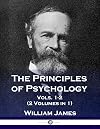
The Principles of Psychology
by William James
On This Page
Description
The Principles of Psychology is a monumental text in the history of psychology, written by William James and published in 1890. There were four methods in James' psychology: analysis (i.e. the logical criticism of precursor and contemporary views of the mind), introspection (i.e. the psychologist's study of his own states of mind), experiment (e.g. in hypnosis or neurology), and comparison (the use of statistical means to distinguish norms from anomalies).Tags
Recommendations

















Member Reviews
Le due sorelle: la psicologia e la narrativa.
La psicologia e la narrativa sono sorelle nel campo della comunicazione umana così come furono fratelli William ed Henry James. Il primo è considerato uno dei padri della moderna psicologia, il secondo uno dei maestri del romanzo moderno. Dei due si è detto che William, lo psicologo, era un romanziere che scriveva di psicologia, Henry, il romanziere, uno psicologo che scriveva romanzi. Questo per dire che per scrivere romanzi bisogna conoscere bene i principi della psicologia umana.
In questo post intendo parlare di un libro che William James scrisse sui “Principi di Psicologia” impiegandoci oltre 12 anni. Due volumi di scrittura fiume, riassunti per fortuna in una versione abbreviata show more che ho avuto modo di leggere> anche se in maniera non accademica. William James è considerato uno dei massimi filosofi americani, padre della moderna psicologia. Prima che questa assurgesse a scienza era studiata all’interno dell’area specifica alla filosofia. Era considerata la scienza della vita mentale, vale a dire della mente dentro un particolare corpo esistente nel tempo e nello spazio, con i propri pensieri, sensazioni e relazioni col mondo circostante. I pensieri provenienti dal “profondo” erano oggetto di studio della metafisica e della filosofia. James considerò questa nuova scienza come “naturale” nel senso che richiedeva lo studio dei sentimenti, sensazioni, cognizioni, ragionamento e decisioni secondo determinate dinamiche e aspetti, così come si può studiare la costruzione di una casa osservando i mattoni e le pietre. Egli decise di analizzare i fenomeni della psicologia piuttosto che teorizzarli facendola così diventare una scienza.
Egli disse che se si osservano bene gli esseri umani si scopre che da un punto di vista esteriore essi non sono altro che un bandolo di abitudini. Queste si scaricano nei centri nervosi determinando dei percorsi che poi vengono sensibilizzati. Una volta che questi percorsi si sono creati è possibile farci passare le scariche nervose. Mentre le abitudini degli animali sono automatiche, quelle degli esseri umani sono consapevoli nel senso che interagiscono con l’uomo. Di qui la necessità di conoscere bene il sistema nervoso e farselo amico. Tutta la sua comprensione della psicologia James la poggiava sull’io che è presente in ognuno di noi ed è separato dagli altri da un muro, una parete, il cranio che contiene il cervello. Il mondo è così diviso a metà, ognuno di noi ne occupa una parte, l’altra, il resto del mondo, sono gli altri. Ma la psicologia vuole anche dare risposte alla gente sui perché noi pensiamo in un determinato modo.
Il confronto tra noi e gli altri ci porta a vedere la realtà in maniera diversa ed anche contrastante. Del resto noi stessi non siamo mai sempre uguali, la nostra coscienza è mutevole, soggetta a cambiamenti interni ed esterni. Gli uomini non possono avere mai gli stessi pensieri anche se viviamo nell’illusione che tutto sia sempre lo stesso. Lo stesso pensiero, come abbiamo visto, non è mai lo stesso perché è come un fiume, un treno che scorre, una catena che si dipana mentre si realizza e si manifesta. Compito della psicologia non è quello di spiegare come questo accade, bensì far comprendere la sua essenza che è legata all’esistenza, al vivere che è, appunto, un continuo divenire. Come può realizzarsi l’io di tutti e di ognuno in un contesto del genere? James escogitò una semplice formula: l’autostima di ogni essere umano va divisa tra l’aspirazione al successo e la valutazione delle pretese.
Se le “cose” della psicologia stanno così e se non c’è dubbio che gran parte della gente che diventa un personaggio all’interno di un romanzo, un racconto, insomma in quella che comunemente chiamiamo “narrativa”, William e Henry hanno condiviso le due parti del mondo e della loro testa che contrappone ogni essere umano. Henry James costruiva persone e personaggi per i suoi romanzi, tracciando figure indimenticabili, William James cercava di conoscerne i segreti meccanismi, tutto in nome delle due sorelle che essi avevano in comune: la narrativa e la psicologia.
https://goo.gl/V1Ee4L show less
La psicologia e la narrativa sono sorelle nel campo della comunicazione umana così come furono fratelli William ed Henry James. Il primo è considerato uno dei padri della moderna psicologia, il secondo uno dei maestri del romanzo moderno. Dei due si è detto che William, lo psicologo, era un romanziere che scriveva di psicologia, Henry, il romanziere, uno psicologo che scriveva romanzi. Questo per dire che per scrivere romanzi bisogna conoscere bene i principi della psicologia umana.
In questo post intendo parlare di un libro che William James scrisse sui “Principi di Psicologia” impiegandoci oltre 12 anni. Due volumi di scrittura fiume, riassunti per fortuna in una versione abbreviata show more che ho avuto modo di leggere> anche se in maniera non accademica. William James è considerato uno dei massimi filosofi americani, padre della moderna psicologia. Prima che questa assurgesse a scienza era studiata all’interno dell’area specifica alla filosofia. Era considerata la scienza della vita mentale, vale a dire della mente dentro un particolare corpo esistente nel tempo e nello spazio, con i propri pensieri, sensazioni e relazioni col mondo circostante. I pensieri provenienti dal “profondo” erano oggetto di studio della metafisica e della filosofia. James considerò questa nuova scienza come “naturale” nel senso che richiedeva lo studio dei sentimenti, sensazioni, cognizioni, ragionamento e decisioni secondo determinate dinamiche e aspetti, così come si può studiare la costruzione di una casa osservando i mattoni e le pietre. Egli decise di analizzare i fenomeni della psicologia piuttosto che teorizzarli facendola così diventare una scienza.
Egli disse che se si osservano bene gli esseri umani si scopre che da un punto di vista esteriore essi non sono altro che un bandolo di abitudini. Queste si scaricano nei centri nervosi determinando dei percorsi che poi vengono sensibilizzati. Una volta che questi percorsi si sono creati è possibile farci passare le scariche nervose. Mentre le abitudini degli animali sono automatiche, quelle degli esseri umani sono consapevoli nel senso che interagiscono con l’uomo. Di qui la necessità di conoscere bene il sistema nervoso e farselo amico. Tutta la sua comprensione della psicologia James la poggiava sull’io che è presente in ognuno di noi ed è separato dagli altri da un muro, una parete, il cranio che contiene il cervello. Il mondo è così diviso a metà, ognuno di noi ne occupa una parte, l’altra, il resto del mondo, sono gli altri. Ma la psicologia vuole anche dare risposte alla gente sui perché noi pensiamo in un determinato modo.
Il confronto tra noi e gli altri ci porta a vedere la realtà in maniera diversa ed anche contrastante. Del resto noi stessi non siamo mai sempre uguali, la nostra coscienza è mutevole, soggetta a cambiamenti interni ed esterni. Gli uomini non possono avere mai gli stessi pensieri anche se viviamo nell’illusione che tutto sia sempre lo stesso. Lo stesso pensiero, come abbiamo visto, non è mai lo stesso perché è come un fiume, un treno che scorre, una catena che si dipana mentre si realizza e si manifesta. Compito della psicologia non è quello di spiegare come questo accade, bensì far comprendere la sua essenza che è legata all’esistenza, al vivere che è, appunto, un continuo divenire. Come può realizzarsi l’io di tutti e di ognuno in un contesto del genere? James escogitò una semplice formula: l’autostima di ogni essere umano va divisa tra l’aspirazione al successo e la valutazione delle pretese.
Se le “cose” della psicologia stanno così e se non c’è dubbio che gran parte della gente che diventa un personaggio all’interno di un romanzo, un racconto, insomma in quella che comunemente chiamiamo “narrativa”, William e Henry hanno condiviso le due parti del mondo e della loro testa che contrappone ogni essere umano. Henry James costruiva persone e personaggi per i suoi romanzi, tracciando figure indimenticabili, William James cercava di conoscerne i segreti meccanismi, tutto in nome delle due sorelle che essi avevano in comune: la narrativa e la psicologia.
https://goo.gl/V1Ee4L show less
James' textbook of psychology represents the first attempts to treat psychology as a natural sicience im which the mind is concieved of as being subject to both Darwinian evolutionary princpals and acts of will.
It's the first modern form of truly scientific psychological analysis. He also builds from a knowledge of philosophy and later in his life focused very much on that.
2
Ratings
Members
- Recently Added By
Lists

The Road to Freedom (Will Durant's 100 Best Books for an Education)
100 works; 8 members

Psicología - Clásicos
165 works; 2 members

Books referenced in Jim Holt's Why Does the World Exist?
119 works; 1 member

Trinity College Booklist (1951): Class Two, Social and Psychological Scienc
60 works; 3 members

How to Read a Book's Recommended Reading List
309 works; 10 members

Greatest Books, allegedly
484 works; 9 members
New Lifetime Reading Plan by Fadiman and Major
225 works; 5 members
Author Information

137+ Works 14,628 Members
William James, oldest of five children (including Henry James and Alice James) in the extraordinary James family, was born in New York City on January 11, 1842. He has had a far-reaching influence on writers and thinkers of the nineteenth and twentieth centuries. Broadly educated by private tutors and through European travel, James initially show more studied painting. During the Civil War, however, he turned to medicine and physiology, attended Harvard medical school, and became interested in the workings of the mind. His text, The Principles of Psychology (1890), presents psychology as a science rather than a philosophy and emphasizes the connection between the mind and the body. James believed in free will and the power of the mind to affect events and determine the future. In The Will to Believe (1897) and The Varieties of Religious Experience (1902), he explores metaphysical concepts and mystical experiences. He saw truth not as absolute but as relative, depending on the given situation and the forces at work in it. He believed that the universe was not static and orderly but ever-changing and chaotic. His most important work, Pragmatism (1907), examines the practical consequences of behavior and rejects the idealist philosophy of the transcendentalists. This philosophy seems to reinforce the tenets of social Darwinism and the idea of financial success as the justification of the means in a materialistic society; nevertheless, James strove to demonstrate the practical value of ethical behavior. Overall, James's lifelong concern with what he called the "stream of thought" or "stream of consciousness" changed the way writers conceptualize characters and present the relationship between humans, society, and the natural world. He died due to heart failure on August 26, 1910. (Bowker Author Biography) show less
Awards and Honors
Notable Lists
Series
Belongs to Publisher Series
Work Relationships
Is contained in
Contains
Is abridged in
Common Knowledge
- Canonical title
- The Principles of Psychology
- Original title
- The Principles of Psychology
- Original publication date
- 1890
- First words
- Psychology is the science of mental life, both of its phenomena and of their conditions.
- Last words
- (Click to show. Warning: May contain spoilers.)And the more sincerely one seeks to trace the actual course of psychogenesis, the steps by which as a race we may have come by the peculiar mental attributes which we possess, the more clearly one perceives "the slowly gathering twilight close in utter night."
- Original language
- English
Classifications
- Genres
- Nonfiction, General Nonfiction, Philosophy, Science & Nature
- DDC/MDS
- 150 — Philosophy & psychology Psychology Emotions, Relationships, & Family
- LCC
- AC1 .G72 — General Works Collections. Series. Collected works Collections. Series. Collected works Collections of monographs, essays, etc. American and English
- BISAC
Statistics
- Members
- 837
- Popularity
- 32,787
- Reviews
- 3
- Rating
- (3.88)
- Languages
- Chinese, English, Russian, Spanish
- Media
- Paper, Ebook
- ISBNs
- 22
- ASINs
- 55