Sisters of Sinai: How Two Lady Adventurers Found the Hidden Gospels
by Janet Soskice
On This Page
Description
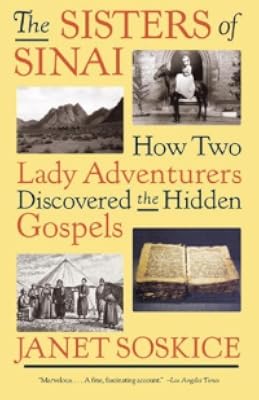
In 1892, two sisters, identical twins from Scotland, made one of one of most important scriptural discoveries of modern times. Combing the library of St. Catherine's Monastery at Mount Sinai, they found a neglected palimpsest: one of the earliest known copies of the Gospels, a version in ancient Syriac, the language spoken by Jesus. This is the account of how two middle-aged ladies without university degrees uncovered and translated this text, bringing a treasure to world attention. This show more quintessentially Victorian adventure is partly a physical journey: when Westerners generally feared to tread in the region, the sisters Smith traversed the Middle East. It is also a journey of the mind: in an era when new discoveries in science and archaeology were rewriting the accepted understanding of the Bible's origins as well as those of humankind, a great contribution to knowledge was made by two whose only natural advantage was an astonishing gift for languages--From publisher description. show lessTags
Recommendations




Member Recommendations
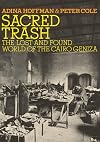
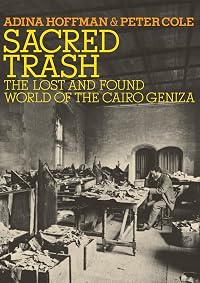
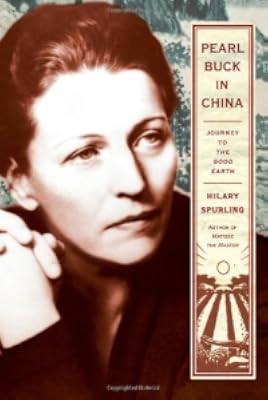
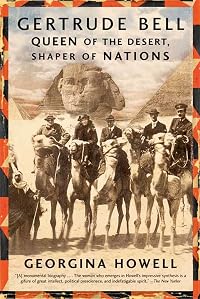
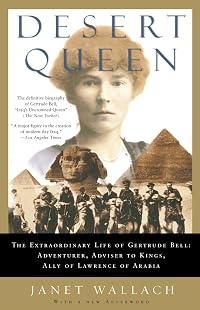
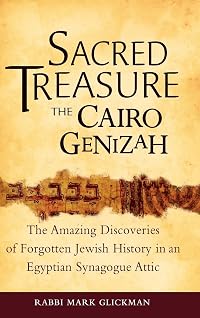
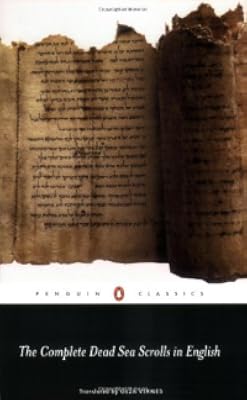
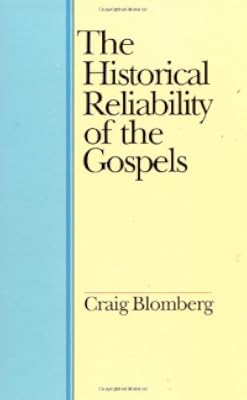
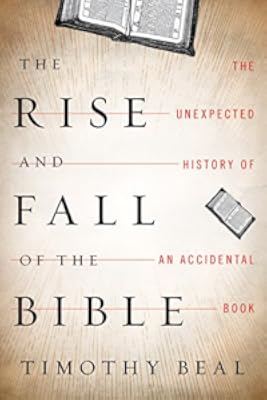
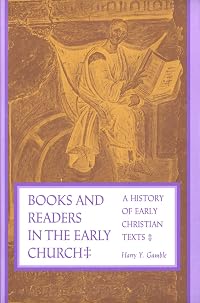
rebeccanyc Also peripherally involves British sisters who help discover Jewish treasures in a Cairo synagogue.
Also recommended by MarthaJeanne
20
Member Reviews
Janet Soskice's The Sisters of Sinai tells the truly remarkable story of the twin sisters who traveled to St. Catherine's monastery in the Sinai peninsula and found one of the earliest known copies of the gospels, a Syriac manuscript on parchment dating from the late fourth century. I didn't know much at all about Agnes Lewis and Margaret Gibson before, but Soskice's book brings them and their works to life beautifully.
An excellent account of the discoveries made by Lewis and Gibson at St. Catherine's, their indefatigable efforts to get these discoveries into print and make them available to the world, and their indirect but important involvement with the discovery of the Cairo Geniza, a tremendously important source of early Jewish show more manuscripts. Soskice dispels some of the strange myths and confusions that previous treatments of these topics have promulgated, and does a good job at putting the finds into the context of the scholarly debates over biblical interpretation that were raging during the period (and which, of course, continue).
Soskice also delves into the academic turf battling which occurred over the Gospel text, handling the whole process with the same careful documentation and deft narrative hand on display throughout the book. show less
An excellent account of the discoveries made by Lewis and Gibson at St. Catherine's, their indefatigable efforts to get these discoveries into print and make them available to the world, and their indirect but important involvement with the discovery of the Cairo Geniza, a tremendously important source of early Jewish show more manuscripts. Soskice dispels some of the strange myths and confusions that previous treatments of these topics have promulgated, and does a good job at putting the finds into the context of the scholarly debates over biblical interpretation that were raging during the period (and which, of course, continue).
Soskice also delves into the academic turf battling which occurred over the Gospel text, handling the whole process with the same careful documentation and deft narrative hand on display throughout the book. show less
http://nwhyte.livejournal.com/1620456.html
Back when I was an undergraduate I spent two years living in the "Colony", the sprawl of buildings owned by Clare College at the foot of Castle Hill. The central building of the complex is a late Victorian mansion called Castlebrae, which had the following inscription on a plaque in the front hall:
This house was originally the home of
DR AGNES SMITH LEWIS (1843-1926) and
DR MARGARET DUNLOP GIBSON (1843–1920)
Inseparable twins, tireless travellers, distinguished Arabic & Syriac scholars.
Lampada Tradam. [Let me hand on the torch]
I never went much to Castlebrae but was always intrigued by the plaque and hope that some day I would find out the story behind it. Thanks to Janet Soskice's book, I now show more know much more: the Smith sisters, Agnes and Margaret, born in Scotland and fabulously rich, developed a strong interest in the roots of ancient scripture and had the means, motivation and ability to cultivate the monks of St Catherine's monastery in Sinai, where in 1892 they discovered a palimpsest which contained the oldest Syriac text of the Gospels known today. Then in 1896 they alerted Jewish scholars to the existence of the Cairo Genizah, which is still being transcribed in Cambridge to this day. For these efforts the University of Cambridge gave them no official recognition at all (it was not until 1921 that women were even awarded degrees for which they had qualified, and not until 1948 that they were given formal equality with men in the university). They also founded Westminster College, which nestles at the corner of Madingley Road. Janet Soskice has made it a fascinating story of women infiltrating the intellectual establishment (granted, rich women who had no children and no need to actually work) in the social and geopolitical context of the day. Strongly recommended. show less
Back when I was an undergraduate I spent two years living in the "Colony", the sprawl of buildings owned by Clare College at the foot of Castle Hill. The central building of the complex is a late Victorian mansion called Castlebrae, which had the following inscription on a plaque in the front hall:
This house was originally the home of
DR AGNES SMITH LEWIS (1843-1926) and
DR MARGARET DUNLOP GIBSON (1843–1920)
Inseparable twins, tireless travellers, distinguished Arabic & Syriac scholars.
Lampada Tradam. [Let me hand on the torch]
I never went much to Castlebrae but was always intrigued by the plaque and hope that some day I would find out the story behind it. Thanks to Janet Soskice's book, I now show more know much more: the Smith sisters, Agnes and Margaret, born in Scotland and fabulously rich, developed a strong interest in the roots of ancient scripture and had the means, motivation and ability to cultivate the monks of St Catherine's monastery in Sinai, where in 1892 they discovered a palimpsest which contained the oldest Syriac text of the Gospels known today. Then in 1896 they alerted Jewish scholars to the existence of the Cairo Genizah, which is still being transcribed in Cambridge to this day. For these efforts the University of Cambridge gave them no official recognition at all (it was not until 1921 that women were even awarded degrees for which they had qualified, and not until 1948 that they were given formal equality with men in the university). They also founded Westminster College, which nestles at the corner of Madingley Road. Janet Soskice has made it a fascinating story of women infiltrating the intellectual establishment (granted, rich women who had no children and no need to actually work) in the social and geopolitical context of the day. Strongly recommended. show less
When I was a child, I used to wish that I had a twin. (Probably from reading all of those Bobbsey Twins books and watching The Parent Trap!) I hadn't thought about my childhood wish in ages, until I picked up this biography of twins Agnes Smith Lewis and and Margaret Smith Gibson. How I would have loved living the life of those Victorian sisters!
The twins lost their mother shortly after their birth, and they were raised by their father in Scotland. The girls were were well educated, and they absorbed Presbyterian teaching so that it became part of their fundamental nature. Mr. Smith received a substantial inheritance from a relative, enabling the family to develop a love for foreign travel. Mr. Smith required his daughters to learn the show more language of a country before they were allowed to visit it. In this way, the twins discovered an aptitude for learning languages that shaped the rest of their lives.
Both twins married fairly late in life, and both marriages sadly ended after about three years with the sudden deaths of their husbands. Thus, on most of the sisters' adult travels, they lacked a male escort. The twins had traveled to Greece and the Middle East before their marriages, and had learned how to successfully negotiate with guides. Agnes's brief marriage to a Cambridge Fellow brought the sisters into contact with scholars of ancient languages and manuscripts. Having already learned Greek, the sisters proceed to learn Syriac and Arabic. Their friend, Professor Rendel Harris, encouraged the sisters to visit the monastery of St. Catherine in Sinai. On a previous visit, Professor Harris had learned of the existence of some ancient manuscripts, but only at the end of his visit, when he had little time left to examine them.
The sisters' ability to speak modern Greek created a favorable impression with the monks of St. Catherine's. They were permitted to stay at the monastery and examine the manuscripts Professor Harris had told them about. Agnes had learned enough Syriac to recognize the importance of a Syriac text that had been overwritten by another, later work. The underlying Syriac text turned out to be an ancient copy of the Gospels in that language, and an important find for biblical studies.
When the twins returned to Cambridge, they found it difficult to attract the attention of the male scholars, and once they did, there were plenty of men willing to take credit for the sisters' discovery. The Cambridge establishment – male, English, and Anglican – were either unable or unwilling to recognize the sisters' intelligence and abilities. They found recognition and acceptance among the non-conformists in Cambridge – fellow Scots Presbyterians, Quakers, and Jews – and among the monks of Sinai.
Agnes and Margaret were fortunate to be in the right place at the right time. They were healthy enough to travel in the Middle East, and they had the money to fund their trips and pursue their intellectual interests. Their studies prepared them to recognize important manuscripts when they saw them, and friends in their Cambridge circle provided the necessary references and introductions to gain access to the repositories of the manuscripts at a time when interest in the discovery and transcription of ancient manuscripts was higher than it had ever been.
Author Janet Soskice struck just the right tone in this biography. She writes of scholarly and and arcane topics in a way that will appeal to both scholars and general readers. Highly recommended for readers with an interest in biblical studies and manuscripts, the Victorian era, and women's studies. show less
The twins lost their mother shortly after their birth, and they were raised by their father in Scotland. The girls were were well educated, and they absorbed Presbyterian teaching so that it became part of their fundamental nature. Mr. Smith received a substantial inheritance from a relative, enabling the family to develop a love for foreign travel. Mr. Smith required his daughters to learn the show more language of a country before they were allowed to visit it. In this way, the twins discovered an aptitude for learning languages that shaped the rest of their lives.
Both twins married fairly late in life, and both marriages sadly ended after about three years with the sudden deaths of their husbands. Thus, on most of the sisters' adult travels, they lacked a male escort. The twins had traveled to Greece and the Middle East before their marriages, and had learned how to successfully negotiate with guides. Agnes's brief marriage to a Cambridge Fellow brought the sisters into contact with scholars of ancient languages and manuscripts. Having already learned Greek, the sisters proceed to learn Syriac and Arabic. Their friend, Professor Rendel Harris, encouraged the sisters to visit the monastery of St. Catherine in Sinai. On a previous visit, Professor Harris had learned of the existence of some ancient manuscripts, but only at the end of his visit, when he had little time left to examine them.
The sisters' ability to speak modern Greek created a favorable impression with the monks of St. Catherine's. They were permitted to stay at the monastery and examine the manuscripts Professor Harris had told them about. Agnes had learned enough Syriac to recognize the importance of a Syriac text that had been overwritten by another, later work. The underlying Syriac text turned out to be an ancient copy of the Gospels in that language, and an important find for biblical studies.
When the twins returned to Cambridge, they found it difficult to attract the attention of the male scholars, and once they did, there were plenty of men willing to take credit for the sisters' discovery. The Cambridge establishment – male, English, and Anglican – were either unable or unwilling to recognize the sisters' intelligence and abilities. They found recognition and acceptance among the non-conformists in Cambridge – fellow Scots Presbyterians, Quakers, and Jews – and among the monks of Sinai.
Agnes and Margaret were fortunate to be in the right place at the right time. They were healthy enough to travel in the Middle East, and they had the money to fund their trips and pursue their intellectual interests. Their studies prepared them to recognize important manuscripts when they saw them, and friends in their Cambridge circle provided the necessary references and introductions to gain access to the repositories of the manuscripts at a time when interest in the discovery and transcription of ancient manuscripts was higher than it had ever been.
Author Janet Soskice struck just the right tone in this biography. She writes of scholarly and and arcane topics in a way that will appeal to both scholars and general readers. Highly recommended for readers with an interest in biblical studies and manuscripts, the Victorian era, and women's studies. show less
Sisters of Sinai is a tale of adventure, of exotic travel and of persistence (or sheer stubbornness) in overcoming trials and adversity. Janet Soskice, a Cambridge professor in philosophical theology, tells the story of 19th century twin sisters who discovered an ancient palimpsest at St Catherine's monastery in Sinai which contained the earliest known Syriac version of the Christian Gospels. The sisters did most of their travelling unaccompanied, learned more than 12 languages between them and also made many other discoveries of ancient Jewish and Muslim manuscripts elsewhere as well as cataloguing St Catherine's extensive collection.
Sadly, despite the academic work they did in discovering and translating the manuscripts they found, show more they were never able to be awarded a degree from Cambridge University as the student body had recently voted to exclude women from being awarded degrees (despite or because of some of the women getting better marks than the male students), however they were awarded honorary degrees from several other academic institutions and founded Westminster College, Cambridge as a Presbyterian theological college.
Sisters of Sinai was unfailingly interesting and entertaining throughout and it was definitely inspiring to read about two women who achieved so much at a time when women were generally expected to do so little. Strongly recommended. show less
Sadly, despite the academic work they did in discovering and translating the manuscripts they found, show more they were never able to be awarded a degree from Cambridge University as the student body had recently voted to exclude women from being awarded degrees (despite or because of some of the women getting better marks than the male students), however they were awarded honorary degrees from several other academic institutions and founded Westminster College, Cambridge as a Presbyterian theological college.
Sisters of Sinai was unfailingly interesting and entertaining throughout and it was definitely inspiring to read about two women who achieved so much at a time when women were generally expected to do so little. Strongly recommended. show less
In the height of the Victorian age, young women weren't offered much formal education. Yet two motherless sisters from Scotland were encouraged by their father to learn languages. Through their own industry and intellectual curiosity, their lives became focused on finding, transcribing and translating ancient manuscripts, mostly from Sinai. Just as fascinating as these women's story is the glimpse this book gives into upper-middle-class life of the late 1800s. The accounts of their travels in Egypt and Palestine balance between humor and awe at the arrangements needed, yet we also see the Thomas Cook Travel Agency beginning its "package tour" business. I found this book to be charming and, in places, fascinating, and I think I would show more love to join Agnes and Margaret for a conversation over tea. show less
Read for the second time in February, 2017, for an article I'm researching. Still charming, and obviously of greater interest now that I've spent a few years working with manuscripts.
[first reviewed on 2/13/10] I loved this book...what a fun read! I admit I probably would not have been quite so tickled by it if the heroines had not been Scottish Presbyterians...! Nonetheless, an absorbing synthesis of travel narrative and insight into the world of late nineteenth century biblical scholarship. I generally have little use for modern historical-critical and philological study, but I didn't have any trouble staying interested, and I don't think one would have to be very knowledgeable about the field or the period to really enjoy the book.
[first reviewed on 2/13/10] I loved this book...what a fun read! I admit I probably would not have been quite so tickled by it if the heroines had not been Scottish Presbyterians...! Nonetheless, an absorbing synthesis of travel narrative and insight into the world of late nineteenth century biblical scholarship. I generally have little use for modern historical-critical and philological study, but I didn't have any trouble staying interested, and I don't think one would have to be very knowledgeable about the field or the period to really enjoy the book.
If either of these Scottish twins had given birth to a son, he would have grown up to be Indiana Jones or his rival. Riveting true tale of exotic travel and academic acrimony from the age when new Biblical finds made headlines as they challenged established doctrine. Yet, as Agnes Smith Lewis -- ever the devoted Presbyterian -- wrote, "the very variants that frighten the weak-minded amongst us act as a stimulant to others, inciting them to search the Scriptures more diligently." She and her sister, Margaret Smith Gibson, stand as fine role models for today's women over 50 who wonder if their passion is sufficient to carry them into a new field of interest.
Members
- Recently Added By
Published Reviews
ThingScore 75
Herself a professor of philosophical theology at Cambridge, Soskice deftly positions the twins’ story in the wider and more profound context of ideas and discoveries of their age. With great clarity, she steadily and captivatingly unwinds the complicated threads of her narrative, explicating formidable scholarship while keeping the twins at the fore...
....For its evocation of the character, show more as well as the characters, of the era, “Sisters of Sinai” is a bracing and moving book, not only a story of adventure, but also a reminder of the ardor, hardship and energy invested in the pursuit of knowledge in that endlessly inquiring and industrious Victorian age. show less
....For its evocation of the character, show more as well as the characters, of the era, “Sisters of Sinai” is a bracing and moving book, not only a story of adventure, but also a reminder of the ardor, hardship and energy invested in the pursuit of knowledge in that endlessly inquiring and industrious Victorian age. show less
added by souloftherose
Lists

Really Good Narrative Non-Fiction
65 works; 24 members

Best Biographies
216 works; 26 members

Non-Fiction Worth Reading
1,015 works; 261 members

Recommend the 20 best books you've read in the last five years
2,168 works; 606 members

Best books read in 2011
200 works; 50 members

Historical Literary Non-fiction
11 works; 2 members

Club Read's Recommended Nonfiction Written by Women
618 works; 30 members
Author Information

11+ Works 672 Members
Janet Martin Soskice is Reader in Philosophical Theology at the University of Cambridge.
Awards and Honors
Distinctions
Common Knowledge
- Canonical title
- Sisters of Sinai: How Two Lady Adventurers Found the Hidden Gospels
- Original title
- Sisters of Sinai: How Two Lady Adventurers Found the Hidden Gospels
- Original publication date
- 2009
- People/Characters
- Agnes Smith Lewis; Margaret Smith Gibson
- Important places
- St. Catherine's Monastery, Egypt; Cambridge, Cambridgeshire, England, UK; Egypt
- Epigraph
- Nec Tamen Consumebatur
Yet it was not consumed.
Exodus 3:2 - First words
- On 13 April 1893, the London Daily News brought an extraordinary story - fresh from its Berlin correspondent.
- Last words*
- (Click to show. Warning: May contain spoilers.)De herinnering aan hen wordt eveneens met respect bewaard door de monniken van het Catharinaklooster in de Sinaï, waar honderd jaar gelijk is aan een dag, en waar de Syrische palimpsest van de evangeliën rust in de bibliotheek, evenals de houten doos die Agnes ervoor liet maken.
- Publisher's editor*
- Atlas
*Some information comes from Common Knowledge in other languages. Click "Edit" for more information.
Classifications
- Genres
- Religion & Spirituality, Nonfiction, Travel, Biography & Memoir, General Nonfiction, History
- DDC/MDS
- 920 — History & geography Biographies, Genealogy, Healdry Biographies
- LCC
- BS2351 .A1 .S67 — Philosophy, Psychology and Religion The Bible The Bible New Testament Works about the New Testament Criticism and interpretation
- BISAC
Statistics
- Members
- 426
- Popularity
- 72,430
- Reviews
- 24
- Rating
- (4.15)
- Languages
- Dutch, English, French
- Media
- Paper, Ebook
- ISBNs
- 10
- ASINs
- 6