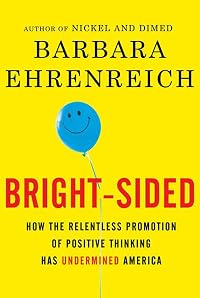
Bright-Sided: How the Relentless Promotion of Positive Thinking Has Undermined America
by Barbara Ehrenreich
On This Page
Description
A sharp-witted knockdown of America's love affair with positive thinking and an urgent call for a new commitment to realism. Americans are a "positive" people-cheerful, optimistic, and upbeat: this is our reputation as well as our self-image. But more than a temperament, being positive, we are told, is the key to success and prosperity. In this utterly original take on the American frame of mind, Barbara Ehrenreich traces the strange career of our sunny outlook from its origins as a marginal show more nineteenth-century healing technique to its enshrinement as a dominant, almost mandatory, cultural attitude. Evangelical mega-churches preach the good news that you only have to want something to get it, because God wants to "prosper" you. The medical profession prescribes positive thinking for its presumed health benefits. Academia has made room for new departments of "positive psychology" and the "science of happiness." Nowhere, though, has bright-siding taken firmer root than within the business community, where, as Ehrenreich shows, the refusal even to consider negative outcomes-like mortgage defaults-contributed directly to the current economic crisis. With the mythbusting powers for which she is acclaimed, Ehrenreich exposes the downside of America's penchant for positive thinking: On a personal level, it leads to self-blame and a morbid preoccupation with stamping out "negative" thoughts. On a national level, it's brought us an era of irrational optimism resulting in disaster. This is Ehrenreich at her provocative best-poking holes in conventional wisdom and faux science, and ending with a call for existential clarity and courage. show lessTags
Recommendations




















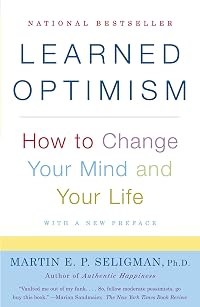







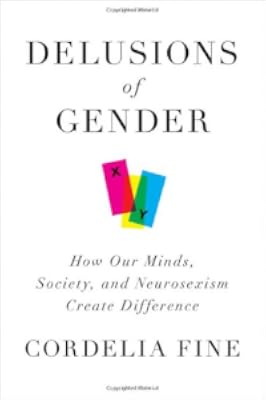


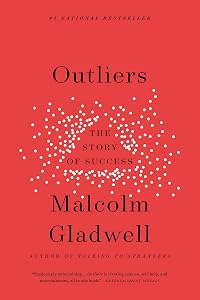


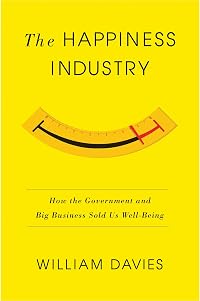










Member Recommendations

American Character: A History of the Epic Struggle Between Individual Liberty and the Common Good by Colin Woodard
andomck Nonfiction about how America isn’t honest with itself
Member Reviews
This is a brilliant book. Ehrenreich looks at the horrible things that have been done to our country under the guise of "positive thinking." Corporations push motivational speakers on employees who are stressed out because of too much overtime and not enough benefits. CEOs lose touch with reality because they've bought into the notion that they're rich because they deserve to be rich, and nobody wants to bring them bad news because negatively gets people fired. Preachers of "prosperity gospels" sucker the less affluent into believing they can buy anything they want (and, according to some sources, may even be directly responsible for the housing market's collapse). People can fight cancer and other illnesses if they're just happy show more enough. It's ridiculous.
The notion of "positive thinking" goes back to Mary Baker Eddy and the founding of the Christian Scientists. White America was founded by gloomy Calvinists, who believed that the financial condition in which people found themselves was predestined. New Thought (Eddy's belief system) was that people did deserve what they got, but that thinking only good things (and carefully moderating one's thoughts) would result in God providing whatever was needed. Added to that was the human tendency toward magical thinking, and the result was modern "positive thinking."
Ehrenreich completely tears down the foundations and gurus of the movements, and I love her for it. I've been meaning to read this book for years, and I'm sorry I waited so long. It's excellent. Fair warning: if you read it, it will piss you off, but that's even more reason to read it. Five VERY well-earned stars. show less
The notion of "positive thinking" goes back to Mary Baker Eddy and the founding of the Christian Scientists. White America was founded by gloomy Calvinists, who believed that the financial condition in which people found themselves was predestined. New Thought (Eddy's belief system) was that people did deserve what they got, but that thinking only good things (and carefully moderating one's thoughts) would result in God providing whatever was needed. Added to that was the human tendency toward magical thinking, and the result was modern "positive thinking."
Ehrenreich completely tears down the foundations and gurus of the movements, and I love her for it. I've been meaning to read this book for years, and I'm sorry I waited so long. It's excellent. Fair warning: if you read it, it will piss you off, but that's even more reason to read it. Five VERY well-earned stars. show less
Every wonder how these positive-thinking gambits are supposed to work, the ones that are supposed to make you richer (Napoleon Hill’s Think and Grow Rich), more popular (Dale Carnegie’s How to Win Friends and Influence People), or more godly (Norman Vincent Peale’s The Power Of Positive Thinking)?
Spoiler alert: In short, they don’t.
Barbara Ehrenreich, who exposed the underbelly of the service economy in Nickel and Dimed: On (Not) Getting By in America, provides the same service for the multi-billion-dollar positive-thinking industry. Highly recommended, especially if you’ve had all you can stand of prosperity gospel preachers and The Secret pseudo-business tips.
Spoiler alert: In short, they don’t.
Barbara Ehrenreich, who exposed the underbelly of the service economy in Nickel and Dimed: On (Not) Getting By in America, provides the same service for the multi-billion-dollar positive-thinking industry. Highly recommended, especially if you’ve had all you can stand of prosperity gospel preachers and The Secret pseudo-business tips.
Picked this one up at the library, having heard good buzz about her previous book, Nickel and Dimed. This one covers the "positive thinking" school of thought, and while I found it very US-centric (regardless of the title), it was well written and very interesting and I stayed up too late reading in horror on more than one school night.
It tracks the relentless pressure to be seen as being happy, to ignore warning signs, and to be up-beat about everything. The first chapter, about the author undergoing breast cancer therapy and being overwhelmed by pink fluffy fundraising toys and the positively shrill insistence that she been seen to be happy about her disease was truly frightening. More than one sufferer/survivor was quoted as saying show more that breast cancer was the best thing that had ever happened to them, which is frankly completely incomprehensible to me. Surely if you are sick, undergoing nasty therapy, and have a good chance of not surviving, you are allowed to express your fears for you and your family?
While that first chapter had a lot of pain from Ehrenreich's personal experience, the following chapters also have an emotional kick because of the insanity that positive thinking was creating. And, once finished, I wanted to go and find some stupid smiling people in positions of power and kick them.
But I do have to say, I liked the way it made me want to bitch/whinge/whine/grumble/kvetch about stuff and to *be happy* doing it, not embarrassed for somehow being negative. I'm seeing it as training for being a grumpy old woman, so look out. show less
It tracks the relentless pressure to be seen as being happy, to ignore warning signs, and to be up-beat about everything. The first chapter, about the author undergoing breast cancer therapy and being overwhelmed by pink fluffy fundraising toys and the positively shrill insistence that she been seen to be happy about her disease was truly frightening. More than one sufferer/survivor was quoted as saying show more that breast cancer was the best thing that had ever happened to them, which is frankly completely incomprehensible to me. Surely if you are sick, undergoing nasty therapy, and have a good chance of not surviving, you are allowed to express your fears for you and your family?
While that first chapter had a lot of pain from Ehrenreich's personal experience, the following chapters also have an emotional kick because of the insanity that positive thinking was creating. And, once finished, I wanted to go and find some stupid smiling people in positions of power and kick them.
But I do have to say, I liked the way it made me want to bitch/whinge/whine/grumble/kvetch about stuff and to *be happy* doing it, not embarrassed for somehow being negative. I'm seeing it as training for being a grumpy old woman, so look out. show less
Optimism is one thing. Relentless optimism that provokes denial rather than hope is quite another. In this book, Barbara Ehrenreich explains how the concept of “positive thinking” came to have such a firm grip on the psyche of the United States and explores its surprising similarities to the grim Calvinist religion that it was set up to counter.
Being a naturally grumpy person, I was inclined to find much to agree with in this, and I did. It was particularly interesting to read about the religious aspects of the positive thinking movement, and how the constant fretting about sin has been replaced with constant fretting about negativity. The first chapter, about the relentless cloying positivity of cancer support groups, nearly made show more my head fall off with the nodding, as did the chapter about positive thinking cults in the workplace.
Although this book is nearly 10 years old, the chapters on the “prosperity gospel” and the insidious belief that success or failure rests entirely on individuals are still depressingly relevant, perhaps even more so now that inequality has grown even further since the book was first published. show less
Being a naturally grumpy person, I was inclined to find much to agree with in this, and I did. It was particularly interesting to read about the religious aspects of the positive thinking movement, and how the constant fretting about sin has been replaced with constant fretting about negativity. The first chapter, about the relentless cloying positivity of cancer support groups, nearly made show more my head fall off with the nodding, as did the chapter about positive thinking cults in the workplace.
Although this book is nearly 10 years old, the chapters on the “prosperity gospel” and the insidious belief that success or failure rests entirely on individuals are still depressingly relevant, perhaps even more so now that inequality has grown even further since the book was first published. show less
Barbara Ehrenreich's latest book crackles with the same intelligence, skepticism, and desire for justice she brought to her previous works of cultural criticism. Taking on a deeply-embedded facet of American culture, the imperative to view the world optimistically, Ehrenreich examines the culture of breast-cancer survivors, motivational speakers, televangelists, and positive psychologists. Her diagnosis is not surprising to a reader acquainted with her work: the power of positive thinking arose in America in reaction to the stringencies of Calvinism and promised its adherents the opportunity to actively shape their lives to a happier end, but has become a means of promoting mindless acceptance of the status quo or, worse, a means for show more blaming misfortune on those who suffer it. While somewhat less engaging than _Nickel and Dimed_ (in part because the targets in this work are so profoundly obvious), Ehrenreich continues to help keep our cultural discourse honest and reasoned. show less
 This review was written for LibraryThing Early Reviewers.
If ever a book needed to be published, this one did. I may not agree with all of it, but I do with a lot of it, and think it could be an important first step on having a mature conversation about the dangers of positive thinking. That Ehrenreich can even publish such a thing will strike many as akin to heresy... what could possibly be wrong with positive thinking? Several things, it turns out. The largest is that it tends to blind the practitioner to reallity. The author points out that critical thinking is essential to survival, and critical thinking is inherently skeptical.
Ehrenreich starts out with the area where the dangers of positive thiinking first intruded into her life, her struggle with breast cancer. In the community of women show more dealing with breast cander, positive thinking is a required secondary disease. It makes it difficult for the women to expess their honest feelings of fear and anger, as that might lead to not beating the disease. And it leads to those who have the disease being blamed for it if they do not beat it... accusations that they didn't try hard enough, didn't get rid of negative thinking, etc.
From there Ehrenreich moves on to the use of positive thinking in business, where its rise happened at the same time as jobs were disappearing overseas and workers lost any sense their job was secure. Remaining workers embraced the positive thinking out of fear that not being sufficiently positive, no matter the circumstances, would lose them their jobs, and often they were correct. And a new breed of managers appeared, who payed less attention to the nuts and bolts of realistic management, and started relying on their intuition and "gut instincts". Being less realistic, they were willing to take more and more risks. For those at the top, the risks paid off until the recent economic collapse, and their experience became more and more isolated from the experiences of the worker, who was experiencing loss of high-paying jobs,loss of benefits, and rising levels of debt.
Ehrenreich also goes into the prosperity gospel preachers and the purveyors of positive psychology Each, she thinks, had a role to play leaidng up to the financial crisis that began in 2008.
In her last chapter, she discusses the topic from an international perspective, and points out that dictatorships of all idealogies have punished people for saying that all is not perfect with life under the dictatorship. So the flight from reality that is a danger of too much positive thinking is not limited to the US or to capitalism.
There are two other related downsides that the author sees with positive thinking. One is that it insists you see your life as good no matter what the circumstances, blinding one to reality. That makes it less likely that people will work to create real change, to address the real problems of poverty, injustice, war, etc. that exist. And by insisting that the person is to blame for a life that isn't happy, it breeds a lack of empathy and compassion.
Is it better to be happy than unhappy? Yes. But happiness comes from making real improvements, not by ignoring problems. show less
Ehrenreich starts out with the area where the dangers of positive thiinking first intruded into her life, her struggle with breast cancer. In the community of women show more dealing with breast cander, positive thinking is a required secondary disease. It makes it difficult for the women to expess their honest feelings of fear and anger, as that might lead to not beating the disease. And it leads to those who have the disease being blamed for it if they do not beat it... accusations that they didn't try hard enough, didn't get rid of negative thinking, etc.
From there Ehrenreich moves on to the use of positive thinking in business, where its rise happened at the same time as jobs were disappearing overseas and workers lost any sense their job was secure. Remaining workers embraced the positive thinking out of fear that not being sufficiently positive, no matter the circumstances, would lose them their jobs, and often they were correct. And a new breed of managers appeared, who payed less attention to the nuts and bolts of realistic management, and started relying on their intuition and "gut instincts". Being less realistic, they were willing to take more and more risks. For those at the top, the risks paid off until the recent economic collapse, and their experience became more and more isolated from the experiences of the worker, who was experiencing loss of high-paying jobs,loss of benefits, and rising levels of debt.
Ehrenreich also goes into the prosperity gospel preachers and the purveyors of positive psychology Each, she thinks, had a role to play leaidng up to the financial crisis that began in 2008.
In her last chapter, she discusses the topic from an international perspective, and points out that dictatorships of all idealogies have punished people for saying that all is not perfect with life under the dictatorship. So the flight from reality that is a danger of too much positive thinking is not limited to the US or to capitalism.
There are two other related downsides that the author sees with positive thinking. One is that it insists you see your life as good no matter what the circumstances, blinding one to reality. That makes it less likely that people will work to create real change, to address the real problems of poverty, injustice, war, etc. that exist. And by insisting that the person is to blame for a life that isn't happy, it breeds a lack of empathy and compassion.
Is it better to be happy than unhappy? Yes. But happiness comes from making real improvements, not by ignoring problems. show less
Everyone who read and preaches The Secret and everyone in the Irish Government and senior Civil Service should be forcefed this book. Barbara Ehrenreich got breast cancer and got annoyed at the constant message of not letting it get you down (I had cancer too, I had a Doctor tell me that because I was a bit down I should add to my daily cocktail of minimum 8 and maximum 18 pills with antidepressants because it was important to be positive about it all - feck that, cancer is not a reason to be smiley happy and postponing dealing with the emotions it dredged up wasn't going to make them any easier to deal with and might have postponed my return to work).
She looks at the platitudes and pink ribbons, The Secret, and the faux science that show more has pervaded corporate culture.
By the Way, if you have staff, keep them happy by ensuring that they have time for themselves, their families, enough money to keep them above the poverty line and stopping sending them on bull**** courses that mean that they have to work twice as hard when they get back to their job, and starting to value them for their input rather than regarding them as numbers.
Angry, me? Maybe more of us should be. show less
She looks at the platitudes and pink ribbons, The Secret, and the faux science that show more has pervaded corporate culture.
By the Way, if you have staff, keep them happy by ensuring that they have time for themselves, their families, enough money to keep them above the poverty line and stopping sending them on bull**** courses that mean that they have to work twice as hard when they get back to their job, and starting to value them for their input rather than regarding them as numbers.
Angry, me? Maybe more of us should be. show less
Members
- Recently Added By
Published Reviews
ThingScore 66
Vindicated at last! All of us misanthropic misery guts, whingers and whiners, Seroxat-refuseniks, "walking nimbus clouds"; we grouches, saddos, naysayers, demoralisers and party-poopers – our day has dawned. Time to gather and strike for the right to snigger, sulk and be sceptical, for the whole purpose of the cult of positive thinking is the beatification of bullshit.
added by fannyprice
I must confess, I have waited my whole life for someone to write a book like “Bright-Sided”... Now, in Barbara Ehrenreich’s deeply satisfying book, I finally have a moral defense for my apparent scowl.
added by Shortride
The myth-busting Barbara Ehrenreich takes on the ``cult of cheerfulness'' in her latest book and shortly after diving into the icy plunge pool of Chapter One readers will find themselves asking: Can I really make it all the way through a screed that starts off with a roundhouse punch at the positive thinking of cancer patients?
You can. And you should.
You can. And you should.
added by Shortride
Lists

Macmillan Publishers
129 works; 3 members

Psicología - Clásicos
165 works; 2 members

Therapeutic Society
61 works; 1 member

Books Read in 2013
1,630 works; 51 members

5 Best 5 Years
71 works; 4 members

Five star books
1,755 works; 108 members

The Joe Rogan Experience Library
254 works; 3 members

Maybe This Year? Books to Look Forward To
409 works; 9 members

Books Read in 2023
5,547 works; 145 members

Best Self Help Books
87 works; 18 members
Author Information

35+ Works 22,866 Members
Barbara Ehrenreich is the author of "Blood Rites"; "The Worst Years of Our Lives"; "Fear of Falling", which was nominated for a National Book Critics Circle Award, & eight other books. A frequent contributor to Time, Harper's, Esquire, The New Republic, Mirabella, The Nation, The New York Magazine, she lives near Key West, Florida. (Publisher Fact show more Sheets) Political activist and writer Barbara Ehrenreich was born in Butte, Montana on August 26, 1941. She studied physics at Reed College and graduated in 1963. She received a Ph.D. in Cell Biology from Rockefeller University in 1968. Rather than pursuing a career in science, however, she decided to focus on social change. Ehrenreich has written columns and contributed articles to publications including Time Magazine, The Progressive, The New York Times, Mother Jones, The Atlantic Monthly, Ms, The New Republic, Harper's Magazine, and The Nation. She taught essay writing at the Graduate School of Journalism at the University of California, Berkeley in 1998 and 2000. Ehrenreich has written many books, with 2001's Nickel and Dimed: On (Not) Getting by in America and 2005's Bait and Switch, The (Futile) Pursuit of the American Dream both becoming New York Times bestsellers. Nickel and Dimed examines working-class poverty, while Bait and Switch discusses white-collar unemployment. Her next bestseller was in 2014 with Living With a Wild God: A Nonbeliever's Search for the Truth about Everything. In 1998 Ehrenreich was named Humanist of the Year by the American Humanist Association, and she received the Nation Institute/Puffin Foundation Prize for Creative Citizenship in 2004. (Bowker Author Biography) show less
Awards and Honors
Common Knowledge
- Canonical title
- Bright-Sided: How the Relentless Promotion of Positive Thinking Has Undermined America
- Original title
- Bright-Sided: How the Relentless Promotion of Positive Thinking Has Undermined America
- Alternate titles
- Smile Or Die: How Positive Thinking Fooled America and the World (UK) (UK)
- Original publication date
- 2009
- People/Characters
- Mary Baker Eddy (ideas discussed); Norman Vincent Peale (ideas discussed); Phineas Parkhurst Quimby (ideas discussed); William James (ideas discussed)
- Dedication
- To complainers everywhere:
Turn up the volume! - First words
- Americans are a "positive" people.
- Last words
- (Click to show. Warning: May contain spoilers.)We will not succeed at all these things, certainly not all at once, but--if I may end with my own personal secret of happiness--we can have a good time trying.
- Publisher's editor
- Bershtel, Sara
- Blurbers
- Frank, Thomas; Crews, Frederick; Wolfe, Alan; Pollitt, Katha; Hitchens, Christopher; Bender, Thomas
- Canonical DDC/MDS
- 155.232
- Canonical LCC
- BF698.35.O57
Classifications
Statistics
- Members
- 1,932
- Popularity
- 11,014
- Reviews
- 122
- Rating
- (3.76)
- Languages
- 9 — Chinese, English, French, German, Japanese, Korean, Norwegian (Bokmål), Spanish, Swedish
- Media
- Paper, Audiobook, Ebook
- ISBNs
- 27
- ASINs
- 18
