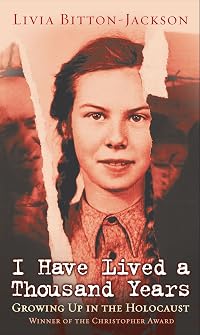
I Have Lived a Thousand Years: Growing up in the Holocaust
by Livia Bitton-Jackson
On This Page
Description
The author describes her experiences during World War II when she and her family were sent to the Nazi death camp at Auschwitz.Tags
Recommendations

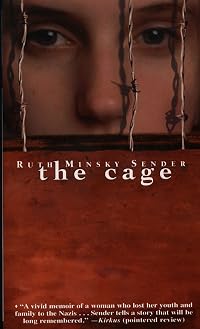
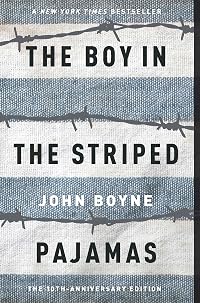
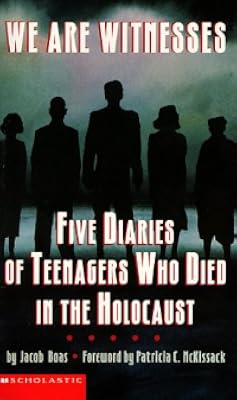
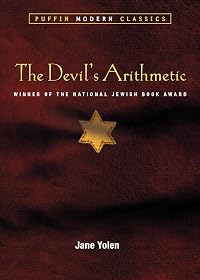

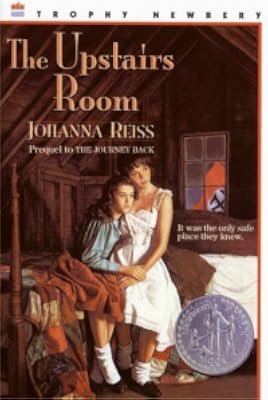
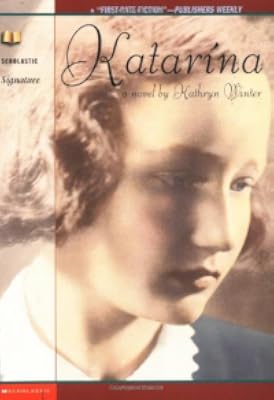
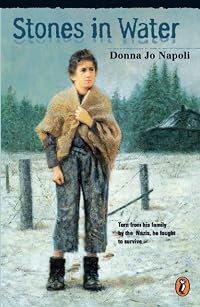
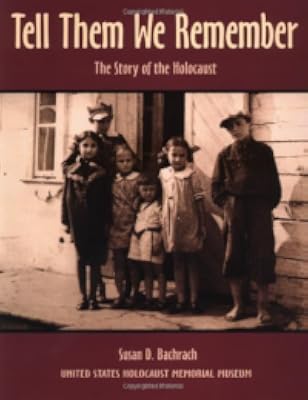
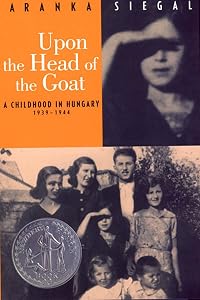
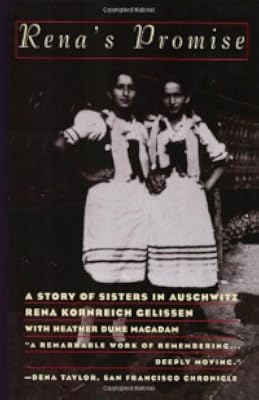
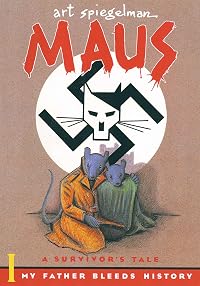
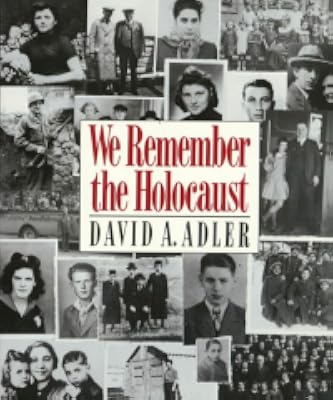



Member Recommendations
Member Reviews
I Have Lived a Thousand Years is Livia Bitton-Jackson's (born Elli Friedmann) memoir of growing up during the Holocaust. Her story begins as the Nazis invade Budapest. Shortly thereafter, Elli and her family are forced into a ghetto which then leads to their imprisonment and forced labor in a seemingly endless litany of concentration camps.
Aimed more at a young adult audience, I Have Lived a Thousand Years is written in a present-tense first person style that is reminiscent of a girl's diary. Though it may be aimed a younger audience, it doesn't gloss over the painful details of a childhood lived under the impossible cruelty of the Nazis, though it doesn't always give quite as many vivid details as others I've read. Somehow, though, it show more is not the most violent and tortuous situations that leave the biggest impression but the more understated moments, like the image of Elli running barefoot outside realizing she didn't get to say good-bye to her father, possibly for the last time, or the sound of the old men in the ghetto constantly chanting the Psalms in the days after the younger men are taken away.
The conundrum of reviewing the Holocaust memoir is that you can't. I can't very well sit and say "I enjoyed this or that," but Bitton-Jackson's memories are vivid and well-told. After the first few chapters, the writing flows easily and for a story of such painful events, it is surprisingly difficult to put down. Even though I've read my fair share of Holocaust memoirs, I was staggered by many of Elli's experiences not least the sheer amount of places she and her mother are taken by train to do forced labor over a relatively short period of time. The only minor quibble I could make with the writing is that the most dramatic language seems to arrive well before the most dramatic events. The narrative, well before the family is experiencing ghettos and concentration camps, is peppered with "Oh my Gods" and "Will I ever...?" that seem to indicate extensive foreknowledge which seems a bit overblown in a book that is written from a present tense perspective and an unnecessary effort to create drama. Soon, though, the events change to suit the language. While the writing continues in the same way, the drama and tragedy are totally real and well-suited to the language, and there is no longer a need for it to be manufactured by portentous language. show less
Aimed more at a young adult audience, I Have Lived a Thousand Years is written in a present-tense first person style that is reminiscent of a girl's diary. Though it may be aimed a younger audience, it doesn't gloss over the painful details of a childhood lived under the impossible cruelty of the Nazis, though it doesn't always give quite as many vivid details as others I've read. Somehow, though, it show more is not the most violent and tortuous situations that leave the biggest impression but the more understated moments, like the image of Elli running barefoot outside realizing she didn't get to say good-bye to her father, possibly for the last time, or the sound of the old men in the ghetto constantly chanting the Psalms in the days after the younger men are taken away.
The conundrum of reviewing the Holocaust memoir is that you can't. I can't very well sit and say "I enjoyed this or that," but Bitton-Jackson's memories are vivid and well-told. After the first few chapters, the writing flows easily and for a story of such painful events, it is surprisingly difficult to put down. Even though I've read my fair share of Holocaust memoirs, I was staggered by many of Elli's experiences not least the sheer amount of places she and her mother are taken by train to do forced labor over a relatively short period of time. The only minor quibble I could make with the writing is that the most dramatic language seems to arrive well before the most dramatic events. The narrative, well before the family is experiencing ghettos and concentration camps, is peppered with "Oh my Gods" and "Will I ever...?" that seem to indicate extensive foreknowledge which seems a bit overblown in a book that is written from a present tense perspective and an unnecessary effort to create drama. Soon, though, the events change to suit the language. While the writing continues in the same way, the drama and tragedy are totally real and well-suited to the language, and there is no longer a need for it to be manufactured by portentous language. show less
This memoir is about being Jewish in Czechoslovakia in the 1940s as more and more freedoms and possessions are removed from the Jews until they are finally shipped to Auschwitz. There are so many details here that I'd never heard of before. The Stars of David they had to wear could not be pinned to their clothing, they had to be sewn on with little stitches, so her mother sewed them on all their jackets and left their other clothes without. After they'd been transported to the ghetto, with the initial reduction in their belongs, they were then made to bring the authorities all their books, documents and photographs. When one woman tried to keep a little picture of her baby and was not allowed, she asked if she would get it back after show more the war. "Oh, yes" she was assured, "of course you'll get it back." Then the whole pile of belonging was burned in front of their owners. In the camp they were shaved not only of the hair on their heads but also of their underarm and pubic hair. They were not allowed inside the buildings during the day, so they had to keep their bald little bodies outside in the blazing sun. Bitton-Jackson was blond, blue eyed, and very fair. She burned so bad her face blistered all over. Again nothing I would have thought of. The book doesn't try to horrify with scenes of torture, the day to day life was quite horrific enough. show less
What sets Bitton-Jackson's Holocaust memoir apart from the others is that it is simultaneously poetic and graphic. Also, the entire book is written in the first-person which gives it a startling immediacy.
It has garnered hundreds of deservedly glowing reviews, both here and on Amazon, so I won't take the trouble of summarizing it but the following sections hit me upside the head:
Her short-lived joyful ethnic pride that she discovered in the Jewish ghetto:
"For the first time in my life, I am happy to be a Jew . . . The cock-feathered policement who had trampled on our sofas and our self-esteem, the Gentile neighbors who were afraid to say good-bye, the Jancsi Novaks, the kind, gentle friends who have not attempted to send a note of show more synpathy, the peasant wagon drivers who dutifully accepted wages from us for delivering us to the enemy . . . they all are on the other side of the fence. A tall fence separates us. A world separates us because they do not understand.
"But we, on this side of the fence, we understand. We put up sheets around bathtubs in the yard in order to take baths. We cook on open stoves, We stand in long lines for the toilet. No friendship or love binds as this deep, spontaneous, easy mutuality."
The graphic description of concentration camp food, clearer than any I've read elsewhere:
"I snatch the bread from Mommy's hand (she had refused to eat it) and begin to eat. The dry, mudlike lump turns into wet sand particles in my mouth. . .
"When the bowl of food is handed to me, I am unable to take a gulp. It is a dark green, thick mass in a battered washbowl crusted with dirt. No spoons. You tilt the bowl until the mass slides to the edge, then gulp. The dark mush smells and looks repulsive. The edge of the bowl is rusty and cracked and uneven with dried-on smut. My nausea returns in a flash."
And to add fodder to the eternal question of how much did war-time Germans outside the SS really know about the concentration camps, there is an interesting chapter titled "This Must be Heaven" in which some clearly astonished Wehrmacht officials running a Luftwaffe factory who have requested female laborers from Auschwitz don't recognize the arriving inmates as women, ask them where their luggage is (which causes much laughter among the inmates), and ask for their actual names. When one officer tells Bitton-Jackson's partially paralyzed mother not to worry, that "here you will get better. We will take good care of you" the daughter's response is "I am surely dreaming."
A stunning Holocaust memoir, simultaneously poetic and graphic. show less
It has garnered hundreds of deservedly glowing reviews, both here and on Amazon, so I won't take the trouble of summarizing it but the following sections hit me upside the head:
Her short-lived joyful ethnic pride that she discovered in the Jewish ghetto:
"For the first time in my life, I am happy to be a Jew . . . The cock-feathered policement who had trampled on our sofas and our self-esteem, the Gentile neighbors who were afraid to say good-bye, the Jancsi Novaks, the kind, gentle friends who have not attempted to send a note of show more synpathy, the peasant wagon drivers who dutifully accepted wages from us for delivering us to the enemy . . . they all are on the other side of the fence. A tall fence separates us. A world separates us because they do not understand.
"But we, on this side of the fence, we understand. We put up sheets around bathtubs in the yard in order to take baths. We cook on open stoves, We stand in long lines for the toilet. No friendship or love binds as this deep, spontaneous, easy mutuality."
The graphic description of concentration camp food, clearer than any I've read elsewhere:
"I snatch the bread from Mommy's hand (she had refused to eat it) and begin to eat. The dry, mudlike lump turns into wet sand particles in my mouth. . .
"When the bowl of food is handed to me, I am unable to take a gulp. It is a dark green, thick mass in a battered washbowl crusted with dirt. No spoons. You tilt the bowl until the mass slides to the edge, then gulp. The dark mush smells and looks repulsive. The edge of the bowl is rusty and cracked and uneven with dried-on smut. My nausea returns in a flash."
And to add fodder to the eternal question of how much did war-time Germans outside the SS really know about the concentration camps, there is an interesting chapter titled "This Must be Heaven" in which some clearly astonished Wehrmacht officials running a Luftwaffe factory who have requested female laborers from Auschwitz don't recognize the arriving inmates as women, ask them where their luggage is (which causes much laughter among the inmates), and ask for their actual names. When one officer tells Bitton-Jackson's partially paralyzed mother not to worry, that "here you will get better. We will take good care of you" the daughter's response is "I am surely dreaming."
A stunning Holocaust memoir, simultaneously poetic and graphic. show less
I’ve read my fair share of Holocaust memoirs but this is the one I will recommend to everyone. I was blown away by Elli Friedmann’s account of her unbelievable start to teenage life. She was only 13 when the Nazis invaded Hungary. The book is vivid and descriptive. There were one or two points where I actually had to close the book for a moment just to reflect on the suffering experienced.
The memoir is a book unlike any I have ever read and will stay with me for life. I would go as far to say it would be in my top twenty books of all time. It is amazing that she lived to tell her tale and in fact it is quite unreal how many times she escapes immediate death. Her courage and determination is admirable and I felt humbled to be able to show more read such a devastating account of Occupation, Auschwitz and beyond. show less
The memoir is a book unlike any I have ever read and will stay with me for life. I would go as far to say it would be in my top twenty books of all time. It is amazing that she lived to tell her tale and in fact it is quite unreal how many times she escapes immediate death. Her courage and determination is admirable and I felt humbled to be able to show more read such a devastating account of Occupation, Auschwitz and beyond. show less
3.5 Stars
I have lived a Thousand Years is a well written, candid, and deeply poignant account of survival as a teenager in the Nazi death camps.
It is however the first book of a 3 parts series which I do think it is important to point out as I failed to observe this fact before reading the book and really felt the ending rushed until I realised it there are two other books in the series.
A First hand account of the life of a young teenager in a Nazi concentration camp, a difficult but important story from a first hand view, a compelling read and as always with books written on the Holocaust an important account of what torture and cruelty human beings can inflict on their fellow citizens. Every memoir or account like this is unique show more and essential in helping us remember and experience though words a time of madness, of shocking and shameful atrocities and a time when people turned their backs while their neighbours and friends
The book is informative and insightful and you certainly feel emotion on reading this account.
I listened to this one on audio and the narrator was excellent. show less
I have lived a Thousand Years is a well written, candid, and deeply poignant account of survival as a teenager in the Nazi death camps.
It is however the first book of a 3 parts series which I do think it is important to point out as I failed to observe this fact before reading the book and really felt the ending rushed until I realised it there are two other books in the series.
A First hand account of the life of a young teenager in a Nazi concentration camp, a difficult but important story from a first hand view, a compelling read and as always with books written on the Holocaust an important account of what torture and cruelty human beings can inflict on their fellow citizens. Every memoir or account like this is unique show more and essential in helping us remember and experience though words a time of madness, of shocking and shameful atrocities and a time when people turned their backs while their neighbours and friends
The book is informative and insightful and you certainly feel emotion on reading this account.
I listened to this one on audio and the narrator was excellent. show less
4.5 Stars
CW: For horrific war crimes.
Well that was a harrowing story of one girls struggle to survive life in a concentration camp.
I listened to this in one sitting because it was short and gripping. It is probably one of the better holocaust survival stories I have read because the writing and characters drew me in. This was made all the more powerful by the fact that it is a true story. Elli's will to survive was remarkable and the strength she showed to bring herself and her mother through these horrendous times will stick with me for quite some time. Outstanding.
CW: For horrific war crimes.
Well that was a harrowing story of one girls struggle to survive life in a concentration camp.
I listened to this in one sitting because it was short and gripping. It is probably one of the better holocaust survival stories I have read because the writing and characters drew me in. This was made all the more powerful by the fact that it is a true story. Elli's will to survive was remarkable and the strength she showed to bring herself and her mother through these horrendous times will stick with me for quite some time. Outstanding.
The author, née Elli Friedmann, was born in what is now Slovakia, but at the time was part of Hungary. At the age of thirteen, she, her mother, and older brother were deported to Auschwitz. Her father had been taken to a Hungarian labor camp. She and her mother are taken to Camp C, a half-built pen with no water. Within a couple of weeks, they are transferred to Camp Plaszow to work flattening hills by hand. Back to Auschwitz, then forced labor in Germany, prison camp, cattle cars to nowhere. It's a horrifying story, told very matter-of-factly. Unusual in that Elli was so young and that she survived particularly harsh treatment.
This book was written for young adults; the author has also written an adult memoir called [Elli: Coming of show more Age in the Holocaust]. show less
This book was written for young adults; the author has also written an adult memoir called [Elli: Coming of show more Age in the Holocaust]. show less
Members
- Recently Added By
Lists

Writers at Risk
106 works; 17 members

Holocaust Narratives
159 works; 3 members
Author Information

10 Works 2,410 Members
Awards and Honors
Awards
Distinctions
Common Knowledge
- Canonical title
- I Have Lived a Thousand Years: Growing up in the Holocaust
- Original publication date
- 1997
- People/Characters
- Ellie L. Friedman; Laura Friedman; Bubi Friedman; Papa Friendman; Aunt Serena; Suriya (show all 8); Hindi; Aunt Celia
- Important places
- Somorja, Czechoslovakia (Šamorín, Slovakia); Nagymagyar, Czechoslovakia (Zlaté Klasy, Slovakia); Czechoslovakia; Auschwitz concentration camp, Oświęcim, Lesser Poland, Poland; Poland; Kraków, Lesser Poland, Poland (show all 11); Augsburg, Bavaria, Germany; Germany; Šamorín, Slovakia; Zlaté Klasy, Slovakia; Slovakia
- Important events
- Holocaust
- Dedication
- Dedicated to the children of Israel who, unsung and unacclaimed, risk their lives every day just by traveling to school on the roads of Judea, Samaria, and Gaza, for the sake of a secure peace in Israel - the only guarantee t... (show all)hat a Holocaust will never happen again.
LJCRS Book Fair Selection 5758 - First words
- I dream of enrolling in the prep school in Budapest, the capital city.
- Last words
- (Click to show. Warning: May contain spoilers.)I nod. "Let's be among the first."
- Original language
- English
Classifications
- Genres
- Biography & Memoir, Nonfiction
- DDC/MDS
- 940.5318 — History & geography History of Europe History of Europe 1918- World War II, 1939-1945 Social, political, economic history; Holocaust Holocaust
- LCC
- DS135 .H93 .J33 — History of Europe, Asia, Africa and Oceania Asia History of Asia Israel (Palestine). The Jews Jews outside of Palestine
- BISAC
Statistics
- Members
- 1,736
- Popularity
- 12,732
- Reviews
- 35
- Rating
- (4.19)
- Languages
- English, German, Italian
- Media
- Paper, Audiobook, Ebook
- ISBNs
- 25
- ASINs
- 7