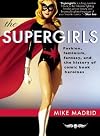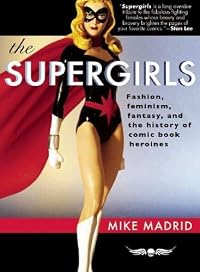
The Supergirls: Fashion, Feminism, Fantasy, and the History of Comic Book Heroines
by Mike Madrid
On This Page
Description
A cultural history of comic book heroines. Is their world of fantasy different from our own-- or an alternative saga of modern American women?Tags
Recommendations
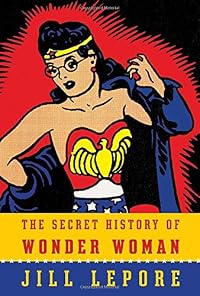
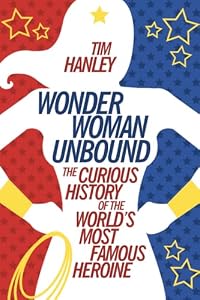

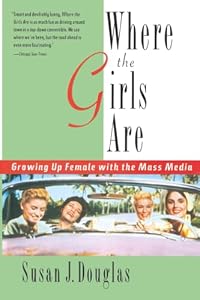
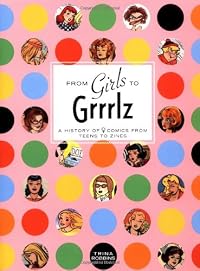

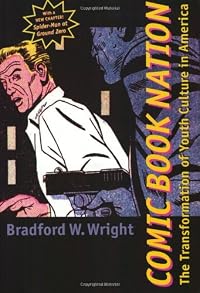
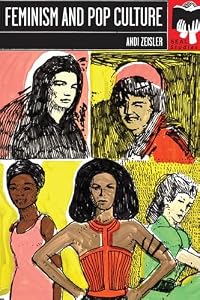

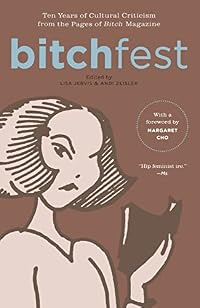
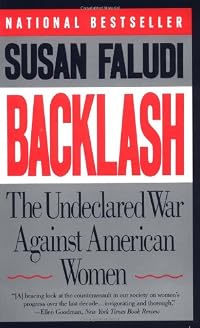
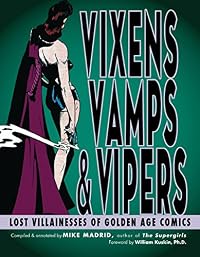
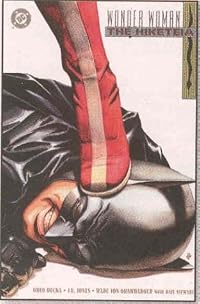
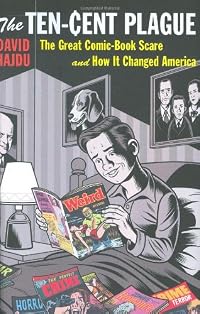
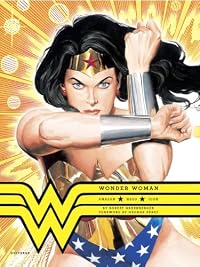
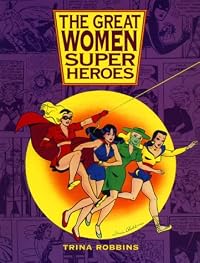


Member Recommendations
Member Reviews
Summary: In The Supergirls, Mike Madrid takes a look at comic book heroines, from the inception of the genre in in the 1930s until today. In a genre that has primarily been written by - and for - men, the way that women are depicted has frequently been a reflection of the prevailing social attitudes about gender, sex, femininity, and feminism. The differences in power, popularity, motivation, and costume between comic book heroines and their male counterparts over the year has often mirrored the state of American gender relations, and women's search for identity and and battle for equality has taken place not only in real life, but also across the pages of superhero comics.
Review: I'm a relevant latecomer to the world of comics in show more general, and my entrée was via collected graphic novels that look and feel like books - single-issue serial comics just don't hold the same allure for me. I also haven't particularly gravitated towards the superhero comics; with the exception of (very) sporadic X-men issues when I was younger, my only brushes with superheroes in print have been Watchmen, and the comics associated with The Amazing Adventures of Kavalier and Clay. My knowledge of various superhero characters is drawn almost entirely from their TV and movie incarnations, with some help from attending costume parties with folks who are nerdier than I am (at least when it comes to comic books.) Despite all of this, however, I still found Madrid's The Supergirls both easy to follow and very interesting.
I think that this accessibility to the layperson is definitely this book's biggest strength. Madrid is clearly incredibly well-versed in the history of comics, and he's very good at summarizing characters' backstories, personas, and main story arcs clearly and succinctly (not always an easy task, given some of the convoluted logic of some superhero universes). He's also quite talented at describing how the characters and the genre as a whole have changed over time, and relating the superheroes and heroines to the prevailing mores and attitudes of their day. At times, I did feel like he was skimming the surface - relying too much on describing the patterns rather than giving a really in-depth critical analysis of them - but most of the time he strikes the right balance of drawing enough connections to hold the reader's interest without ever tipping over into feeling dry or overly-academic.
So, apart from learning a lot about the history of superheroines, I also thought that Madrid made a number of very cogent points about the history of feminism, and the shifting relationships between gender, power (or the lack thereof), sex and desirability, and identity (secret and otherwise). Some of these were relatively obvious - such as the fact that while there is no shortage of "man" superheroes - SuperMAN, BatMAN, etc. - there are relatively few "woman" superheroes, and that even grown women frequently got stuck with a "girl" moniker. Some of Madrid's points, however, were things that I had never noticed or thought to consider, such as the disproportionate number of superheroines with "stand and point" superpowers (i.e. psychic abilities, shooting electricity from the fingertips, etc.) - so that they can fight the bad guys without getting sweaty or mussing their hair.
My only main complaint about this book was the near-total lack of pictures. That whole "thousand words" thing is a cliché because it's true, and the more Madrid talked about things like changes in Wonder Woman's costumes over time, the more I wanted to just see a few representative panels illustrating what he was talking about. I'm sure that there were copyright/licensing issues that kept this book text-only, but more illustrations or a small section of color plates would have been a huge boon. 4 out of 5 stars.
Recommendation: While I think this book will certainly appeal to comic-book-geeks, I don't think that they're its only audience. People who enjoy sociological or cultural studies or modern pop-culture history, particularly with a feminist slant, should definitely pick this one up as well. show less
Review: I'm a relevant latecomer to the world of comics in show more general, and my entrée was via collected graphic novels that look and feel like books - single-issue serial comics just don't hold the same allure for me. I also haven't particularly gravitated towards the superhero comics; with the exception of (very) sporadic X-men issues when I was younger, my only brushes with superheroes in print have been Watchmen, and the comics associated with The Amazing Adventures of Kavalier and Clay. My knowledge of various superhero characters is drawn almost entirely from their TV and movie incarnations, with some help from attending costume parties with folks who are nerdier than I am (at least when it comes to comic books.) Despite all of this, however, I still found Madrid's The Supergirls both easy to follow and very interesting.
I think that this accessibility to the layperson is definitely this book's biggest strength. Madrid is clearly incredibly well-versed in the history of comics, and he's very good at summarizing characters' backstories, personas, and main story arcs clearly and succinctly (not always an easy task, given some of the convoluted logic of some superhero universes). He's also quite talented at describing how the characters and the genre as a whole have changed over time, and relating the superheroes and heroines to the prevailing mores and attitudes of their day. At times, I did feel like he was skimming the surface - relying too much on describing the patterns rather than giving a really in-depth critical analysis of them - but most of the time he strikes the right balance of drawing enough connections to hold the reader's interest without ever tipping over into feeling dry or overly-academic.
So, apart from learning a lot about the history of superheroines, I also thought that Madrid made a number of very cogent points about the history of feminism, and the shifting relationships between gender, power (or the lack thereof), sex and desirability, and identity (secret and otherwise). Some of these were relatively obvious - such as the fact that while there is no shortage of "man" superheroes - SuperMAN, BatMAN, etc. - there are relatively few "woman" superheroes, and that even grown women frequently got stuck with a "girl" moniker. Some of Madrid's points, however, were things that I had never noticed or thought to consider, such as the disproportionate number of superheroines with "stand and point" superpowers (i.e. psychic abilities, shooting electricity from the fingertips, etc.) - so that they can fight the bad guys without getting sweaty or mussing their hair.
My only main complaint about this book was the near-total lack of pictures. That whole "thousand words" thing is a cliché because it's true, and the more Madrid talked about things like changes in Wonder Woman's costumes over time, the more I wanted to just see a few representative panels illustrating what he was talking about. I'm sure that there were copyright/licensing issues that kept this book text-only, but more illustrations or a small section of color plates would have been a huge boon. 4 out of 5 stars.
Recommendation: While I think this book will certainly appeal to comic-book-geeks, I don't think that they're its only audience. People who enjoy sociological or cultural studies or modern pop-culture history, particularly with a feminist slant, should definitely pick this one up as well. show less
I really loved this book. It gave a great overview of the place that women have held in comics over the last 70 years. The author writes in a very personable style that makes the book easy to read and fun to enjoy. For each decade since comics have been popular, the author addresses the changes occurring for women in the decade and how these changes were reflected or not reflected in comic books. There are also chapters devoted to specific characters or even arch-types within the comic book industry.
My biggest problem now is that I want to go out and read all of these comics he talks about and some of them just aren't findable (scuse me while I make up words). The only negative thing I will say is while it would be completely show more inappropriate to have a book on female superheros without devoting a chapter to Wonder Woman, the author also covers parts of Wonder Woman's background in other chapters so by the time you get to that chapter, you do kind of feel like "okay I read alot of this already." Otherwise this is a great read for any girl that's into comics and graphic novels or anyone who want's to see how womens issues are reflected in different types of media. show less
My biggest problem now is that I want to go out and read all of these comics he talks about and some of them just aren't findable (scuse me while I make up words). The only negative thing I will say is while it would be completely show more inappropriate to have a book on female superheros without devoting a chapter to Wonder Woman, the author also covers parts of Wonder Woman's background in other chapters so by the time you get to that chapter, you do kind of feel like "okay I read alot of this already." Otherwise this is a great read for any girl that's into comics and graphic novels or anyone who want's to see how womens issues are reflected in different types of media. show less
I really loved this book. It gave a great overview of the place that women have held in comics over the last 70 years. The author writes in a very personable style that makes the book easy to read and fun to enjoy. For each decade since comics have been popular, the author addresses the changes occurring for women in the decade and how these changes were reflected or not reflected in comic books. There are also chapters devoted to specific characters or even arch-types within the comic book industry.
My biggest problem now is that I want to go out and read all of these comics he talks about and some of them just aren't findable (scuse me while I make up words). The only negative thing I will say is while it would be completely show more inappropriate to have a book on female superheros without devoting a chapter to Wonder Woman, the author also covers parts of Wonder Woman's background in other chapters so by the time you get to that chapter, you do kind of feel like "okay I read alot of this already." Otherwise this is a great read for any girl that's into comics and graphic novels or anyone who want's to see how womens issues are reflected in different types of media. show less
My biggest problem now is that I want to go out and read all of these comics he talks about and some of them just aren't findable (scuse me while I make up words). The only negative thing I will say is while it would be completely show more inappropriate to have a book on female superheros without devoting a chapter to Wonder Woman, the author also covers parts of Wonder Woman's background in other chapters so by the time you get to that chapter, you do kind of feel like "okay I read alot of this already." Otherwise this is a great read for any girl that's into comics and graphic novels or anyone who want's to see how womens issues are reflected in different types of media. show less
I really loved this book. It gave a great overview of the place that women have held in comics over the last 70 years. The author writes in a very personable style that makes the book easy to read and fun to enjoy. For each decade since comics have been popular, the author addresses the changes occurring for women in the decade and how these changes were reflected or not reflected in comic books. There are also chapters devoted to specific characters or even arch-types within the comic book industry.
My biggest problem now is that I want to go out and read all of these comics he talks about and some of them just aren't findable (scuse me while I make up words). The only negative thing I will say is while it would be completely show more inappropriate to have a book on female superheros without devoting a chapter to Wonder Woman, the author also covers parts of Wonder Woman's background in other chapters so by the time you get to that chapter, you do kind of feel like "okay I read alot of this already." Otherwise this is a great read for any girl that's into comics and graphic novels or anyone who want's to see how womens issues are reflected in different types of media. show less
My biggest problem now is that I want to go out and read all of these comics he talks about and some of them just aren't findable (scuse me while I make up words). The only negative thing I will say is while it would be completely show more inappropriate to have a book on female superheros without devoting a chapter to Wonder Woman, the author also covers parts of Wonder Woman's background in other chapters so by the time you get to that chapter, you do kind of feel like "okay I read alot of this already." Otherwise this is a great read for any girl that's into comics and graphic novels or anyone who want's to see how womens issues are reflected in different types of media. show less
I really loved this book. It gave a great overview of the place that women have held in comics over the last 70 years. The author writes in a very personable style that makes the book easy to read and fun to enjoy. For each decade since comics have been popular, the author addresses the changes occurring for women in the decade and how these changes were reflected or not reflected in comic books. There are also chapters devoted to specific characters or even arch-types within the comic book industry.
My biggest problem now is that I want to go out and read all of these comics he talks about and some of them just aren't findable (scuse me while I make up words). The only negative thing I will say is while it would be completely show more inappropriate to have a book on female superheros without devoting a chapter to Wonder Woman, the author also covers parts of Wonder Woman's background in other chapters so by the time you get to that chapter, you do kind of feel like "okay I read alot of this already." Otherwise this is a great read for any girl that's into comics and graphic novels or anyone who want's to see how womens issues are reflected in different types of media. show less
My biggest problem now is that I want to go out and read all of these comics he talks about and some of them just aren't findable (scuse me while I make up words). The only negative thing I will say is while it would be completely show more inappropriate to have a book on female superheros without devoting a chapter to Wonder Woman, the author also covers parts of Wonder Woman's background in other chapters so by the time you get to that chapter, you do kind of feel like "okay I read alot of this already." Otherwise this is a great read for any girl that's into comics and graphic novels or anyone who want's to see how womens issues are reflected in different types of media. show less
I really wanted to love this, but it's boring. The first two or three chapters were interesting because they covered the years before I started reading comics, and therefore, the info was new-ish to me. The social commentary is limited as there are more characters to cover to give room to more insightful commentary. My overall impression is that of being mansplained to. I wish there were reproductions of actual comics, but illustrations are limited to a few black & white sketches. A disappointment.
This was a short fun read. The author starts each chapter with a plot description from a super heroines comic book. Then he discusses how the heroic ladies were depicted in a specific decade and how their depiction depended on what was going on in society and sales of comic books. Female super heroes were usually written and drawn to be non-threatening to young men because they are the ones who purchased the comics. After publishers decided to only sell their comics at comic book shops, instead of magazine racks at convenience stores, female characters became more like women and less like young girls because more adults were buying the books. The way they are drawn depends on how society views women. For example; in the 1940's women show more were working in factories on the home front while men were at war so the lady superheroes were drawn as strong all-American gals battling the Nazi threat.
The women and girls discussed in this book range from iconic characters like Wonder Woman and lesser know characters like the Phantom Lady. I read comics with strong female characters and enjoyed learning about the societal influences on the plot lines that shaped their characters. show less
The women and girls discussed in this book range from iconic characters like Wonder Woman and lesser know characters like the Phantom Lady. I read comics with strong female characters and enjoyed learning about the societal influences on the plot lines that shaped their characters. show less
Members
- Recently Added By
Author Information
5+ Works 391 Members
Awards and Honors
Work Relationships
Common Knowledge
- Original publication date
- 2009-09-01
- Dedication
- For my parents, who never made me throw
my comic books away,
& my sister Barbara, who let me
read her issues of Betty and Veronica - First words
- The first comic book that I remember owning is Superman #195, from 1967.
- Last words
- (Click to show. Warning: May contain spoilers.)Like the ancient goddesses who meted out love an justice, life and death, these queens and princesses, maidens and vixens, angels ad demons continue to inspire comic book readers after six decades, and promise more exciting and enlightening adventures to come.
- Blurbers
- Andreyko, Marc; Gonick, Larry; Lee, Stan
Classifications
- Genres
- Nonfiction, General Nonfiction, Graphic Novels & Comics
- DDC/MDS
- 741.5973 — Arts & recreation Drawing & decorative arts Drawing Comic books, graphic novels, fotonovelas, cartoons, caricatures, comic strips History, geographic treatment, biography North American United States (General)
- LCC
- PN6725 .M33 — Language and Literature Literature (General) Literature (General) Collections of general literature Comic books, strips, etc.
- BISAC
Statistics
- Members
- 221
- Popularity
- 147,026
- Reviews
- 10
- Rating
- (3.41)
- Languages
- English
- Media
- Paper, Audiobook, Ebook
- ISBNs
- 3
- ASINs
- 2