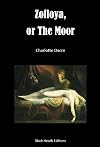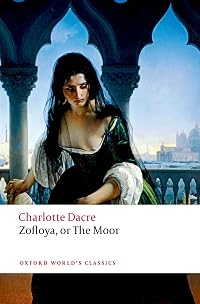
Zofloya, or, The Moor
by Charlotte Dacre
On This Page
Description
`Few venture as thou hast in the alarming paths of sin.'This is the final judgement of Satan on Victoria di Loredani, the heroine of Zofloya, or The Moor (1806), a tale of lust, betrayal, and multiple murder set in Venice in the last days of the fifteenth century. The novel follows Victoria's progress from spoilt daughter of indulgent aristocrats,through a period of abuse and captivity, to a career of deepening criminality conducted under Satan's watchful eye. Charlotte Dacre's narrative show more deftly displays her heroine's movement from the vitalized position of Ann Radcliffe's heroines to a fully conscious commitment to vice that goes beyond thatof `Monk' Lewis's deluded Ambrosio. The novel's most daring aspect is its anatomy of Victoria's intense sexual attraction to her Moorish servant Zofloya that transgresses taboos both of class and race.A minor scandal on its first publication, and a significant influence on Byron and Shelley, Zofloya has been unduly neglected. Contradicting idealized stereotypes of women's writing, the novel's portrait of indulged desire, gratuitous cruelty, and monumental self-absorption retains considerablepower to disturb.The introduction to this edition, the first for nearly 200 years, examines why Zofloya deserves to be read alongside established Gothic classics as the highly original work of an intriguing and unconventional writer. show lessTags
Recommendations

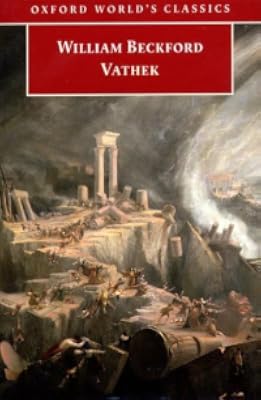
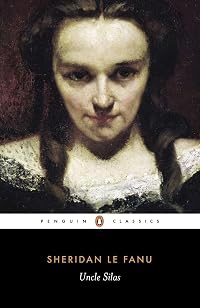

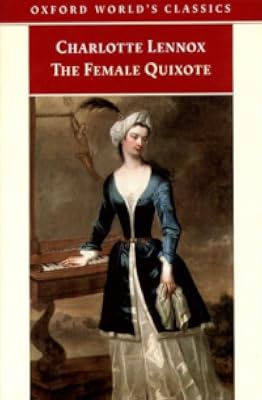
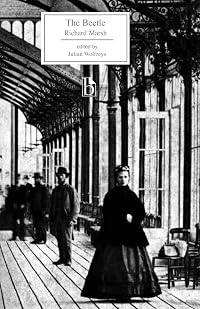





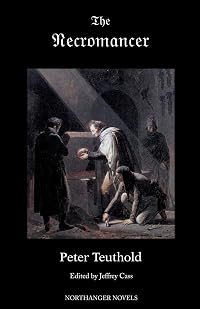
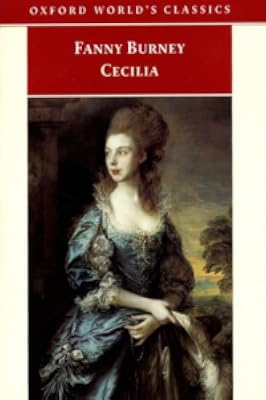
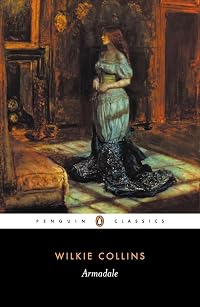
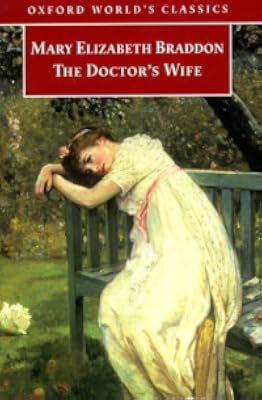


Member Recommendations
Member Reviews
What a wild, extremely melodramatic ride.
It was easy to slot characters/actions in this book into modern parallels such as Killing Eve, soap operas, trashy reality tv, the Satanic Panic, Kick Ass, Mean Girls, Sex in the City, & more, followed by a tell-all interview with Oprah where a known "bad girl" blames her evilness on her mom's lax parenting & loose morals. If ever a Gothic novel plot was made for our era of tweets & TikToks, this is it.
Which is quite a feat considering it was published in 1806. Charlotte Dacre really did flip Gothic horror on its side to give us a sexually adventurous, lustful, vengeful, murderous anti-heroine.
There are caveats related to the prejudices of the time here (the subtitle The Moor will give you a show more hint as to one), the plotting & writing definitely could have used a steady editorial hand, & current editions should make the effort to correct typos throughout. But if you're up for a Gothic novel with a subversive bent, you might want to check this one out -- it's a sex, drugs, & rock & roll story set in the 15th century. Plus murder. show less
It was easy to slot characters/actions in this book into modern parallels such as Killing Eve, soap operas, trashy reality tv, the Satanic Panic, Kick Ass, Mean Girls, Sex in the City, & more, followed by a tell-all interview with Oprah where a known "bad girl" blames her evilness on her mom's lax parenting & loose morals. If ever a Gothic novel plot was made for our era of tweets & TikToks, this is it.
Which is quite a feat considering it was published in 1806. Charlotte Dacre really did flip Gothic horror on its side to give us a sexually adventurous, lustful, vengeful, murderous anti-heroine.
There are caveats related to the prejudices of the time here (the subtitle The Moor will give you a show more hint as to one), the plotting & writing definitely could have used a steady editorial hand, & current editions should make the effort to correct typos throughout. But if you're up for a Gothic novel with a subversive bent, you might want to check this one out -- it's a sex, drugs, & rock & roll story set in the 15th century. Plus murder. show less
Zofloya; or, The Moor is as much the product of one woman’s palsied, eccentric neurosis as it is the chief example of Matthew Lewis’ influence on the Female Gothic. Charlotte Dacre, firmly setting aside the pastoral ‘terrors’ of Ann Radcliffe, establishes in her most widely-read novel conventions of female sadism that were, for their time, near-revolutionary. That they were not picked up by other authors until considerably later in the 19th Century is intriguing. Still more intriguing is that Zofloya; or, The Moor is, despite its almost shocking cruelty, a novel concerned to its very last lines with the supremacy of proper, uncorrupted morality.
But how is one to demonstrate the virtue of morality without first detailing, for show more several hundred pages, the absolute depths of corruption and depravity? This is no Torture Garden, certainly, but, for its day, the concerns of Zofloya; or, The Moor were certainly controversial: shameless adultery, scandalous violence, the suggestion of miscegenation, Satanism, liberated sexuality. And where else would a proper British novelist set these scenes of Gothic excess than in recondite, libertine Venice?
Zofloya uses its ‘ultimate morality’ as a scapegoat: Dacre’s attention is near-entirely devoted to the painted perversity of her subjects. Her own life is a testament to the enduring mystery of ‘created’ identity, subject, and morality; that there is a war, though, taking place among the pretty ruins of her muse is quite obvious: her most interesting creation, Victoria, is at turns a prototype of the justified feminist and, conversely, the villain of what descends quite neatly into one of the precursors of the ‘Slasher’ film. But the incongruity of Dacre’s irreconcilable compulsions is even more evident in the construction of her mysterious, titular ‘Moor,’ Zofloya, who only appears a little over halfway into the book: vacillating between extremes of physical beauty and physical repugnance, charm and repulsion, vile sorcerer and loyal protector—it is as though Dacre had painted the picture of her fantasies of miscegenation and diabolism, and then, fearing the effect her own proclivities might have on both her work and her reputation, quickly sought to repudiate them within the space of a few paragraphs. The curious thing is that she hasn’t removed the more obviously erotic paeans to the Moor at all: apparently repudiation is enough to clear her of any ‘immoral’ indulgence in her construction of a ‘moral’ fable. To a modern audience, though, more comprehensively skeptical of the cancers of racism, these passages of disavowal will seem almost absurdly irrelevant, and, often, highly confusing; but thus is the nature of Dacre’s neurosis, and this contrast in perspectives was not entirely lost on contemporary critics.
It is, perhaps, surprising that Zofloya; or, The Moor had a profound influence on the young Percy Shelley, one of the more graceful poets in our language; but Dacre’s prose is remarkably economical for its time, and there is actually great beauty to be found here. That it is also the product of a mind that lived as Gothic a life as the characters she created, however, is immediately apparent, and this novel appeals as much to general curiosity as it does to the search for an entertaining narrative or academic analysis. show less
But how is one to demonstrate the virtue of morality without first detailing, for show more several hundred pages, the absolute depths of corruption and depravity? This is no Torture Garden, certainly, but, for its day, the concerns of Zofloya; or, The Moor were certainly controversial: shameless adultery, scandalous violence, the suggestion of miscegenation, Satanism, liberated sexuality. And where else would a proper British novelist set these scenes of Gothic excess than in recondite, libertine Venice?
Zofloya uses its ‘ultimate morality’ as a scapegoat: Dacre’s attention is near-entirely devoted to the painted perversity of her subjects. Her own life is a testament to the enduring mystery of ‘created’ identity, subject, and morality; that there is a war, though, taking place among the pretty ruins of her muse is quite obvious: her most interesting creation, Victoria, is at turns a prototype of the justified feminist and, conversely, the villain of what descends quite neatly into one of the precursors of the ‘Slasher’ film. But the incongruity of Dacre’s irreconcilable compulsions is even more evident in the construction of her mysterious, titular ‘Moor,’ Zofloya, who only appears a little over halfway into the book: vacillating between extremes of physical beauty and physical repugnance, charm and repulsion, vile sorcerer and loyal protector—it is as though Dacre had painted the picture of her fantasies of miscegenation and diabolism, and then, fearing the effect her own proclivities might have on both her work and her reputation, quickly sought to repudiate them within the space of a few paragraphs. The curious thing is that she hasn’t removed the more obviously erotic paeans to the Moor at all: apparently repudiation is enough to clear her of any ‘immoral’ indulgence in her construction of a ‘moral’ fable. To a modern audience, though, more comprehensively skeptical of the cancers of racism, these passages of disavowal will seem almost absurdly irrelevant, and, often, highly confusing; but thus is the nature of Dacre’s neurosis, and this contrast in perspectives was not entirely lost on contemporary critics.
It is, perhaps, surprising that Zofloya; or, The Moor had a profound influence on the young Percy Shelley, one of the more graceful poets in our language; but Dacre’s prose is remarkably economical for its time, and there is actually great beauty to be found here. That it is also the product of a mind that lived as Gothic a life as the characters she created, however, is immediately apparent, and this novel appeals as much to general curiosity as it does to the search for an entertaining narrative or academic analysis. show less
Kind of strange and wonderful and horrible, in the fashion of The Monk by Lewis, Zofloya is full of murder, betrayal, jealousy, simply horrid intentions. And, as a gothic text, there's a fair bit of lust, fainting, sighing, and exclamation points to be had as well, not to mention a number of melodramatic twists, and a great deal of stabbing...
All told, this isn't a book for everyone, but it will provide entertainment to lovers of the gothic and fans of early horror. And, probably, to fans of soap opera-like plots, played out on the page. Dacre's characters are far from sympathetic, and fairly superficial, but the book moves fairly quickly once it gets going, and has enough to distinguish it from other more popular gothics that, in show more truth, I'm glad to have read it, and would rather have read this than some of the more well-known ones I encountered in a class on the subject. The melodrama of the plot carries it with it a certain horrifying charm (admittedly more like watching a car accident than reading a fairy tale), and the fact that one reviewer was driven to call The Monk a chaste text in comparison says quite a lot for what you'll encounter here.
One caveat is that it takes on a rather slow start, but for interested readers, there's enough here to warrant following through on the full read... show less
All told, this isn't a book for everyone, but it will provide entertainment to lovers of the gothic and fans of early horror. And, probably, to fans of soap opera-like plots, played out on the page. Dacre's characters are far from sympathetic, and fairly superficial, but the book moves fairly quickly once it gets going, and has enough to distinguish it from other more popular gothics that, in show more truth, I'm glad to have read it, and would rather have read this than some of the more well-known ones I encountered in a class on the subject. The melodrama of the plot carries it with it a certain horrifying charm (admittedly more like watching a car accident than reading a fairy tale), and the fact that one reviewer was driven to call The Monk a chaste text in comparison says quite a lot for what you'll encounter here.
One caveat is that it takes on a rather slow start, but for interested readers, there's enough here to warrant following through on the full read... show less
In all fairness, this book is terrible. It's garbage -- utterly self-indulgent, riddled with improbabilities and plot holes, ludicrously didactic, and sexist and racist to boot. And yet, for all that, it's almost incredible. Like most bad literature, it sometimes feels like you're gazing directly at the author's soul, at all her neuroses and cultural assumptions and delusions of grandeur laid bare. All of which makes it a deeply engrossing (if disturbing) document of its cultural context.
This was…okay. I’d only recommend it if you’re a die-hard gothic fan and want to read it for historical interest. The language is very archaic, for example the author shuns possessive contractions. It’s always “the heart of Victoria” and never “Victoria’s heart”. If you’re going to read it, I’d suggest skimming the first volume. Zofloya himself doesn’t appear until halfway through the book, and while the book is really about Victoria, her villainy only really comes into fruition under Zofloya’s encouragement. As a novel, though, it’s a bit tedious, though it does eventually get quite lurid. The main value of the book is knowing that a woman - contemporary with Jane Austen, no less - wrote something so show more unabashedly trashy and sleazy. For that I salute thee, Ms Dacre! show less
‘Spare the rod spoil the child.’
Not exactly PC in today's world and I would not condone corporal punishment in any form, but the essential moral of this book is, we have a spoilt brat who has been grossly indulged by her parents. Victoria blames her behaviour on the bad example of her mother, which is a symptom of her own selfish nature, in not wishing to take responsibility for her own actions. She demonstrates a lack of conscience when pursuing the desires of her heart and a proud and haughty nature.
Like many novels of this time the modern reader may find there is an excess of emotion. Everything is felt passionately with rage, anger, pride, fear and despair. The emphasis on emotion in comparison to the reason and philosophy of show more Berenza is a reaction against the Enlightenment which preceded it.
The book was criticised when published as being a poor imitation of Matthew Lewis’s The Monk. It lacks the sophistication of The Monk and the Gothic elements are less pronounced. There is a reference to ghosts, nightmares and anti-Catholic sentiment, but they are not substantial. The grandeur of the landscape owes more to Ann Radcliffe and Burke's idea of sublime terror.
As a book it is an interesting read from the perspective of should a lady really be writing such books. From most contemporary male perspectives, the answer is no. show less
Not exactly PC in today's world and I would not condone corporal punishment in any form, but the essential moral of this book is, we have a spoilt brat who has been grossly indulged by her parents. Victoria blames her behaviour on the bad example of her mother, which is a symptom of her own selfish nature, in not wishing to take responsibility for her own actions. She demonstrates a lack of conscience when pursuing the desires of her heart and a proud and haughty nature.
Like many novels of this time the modern reader may find there is an excess of emotion. Everything is felt passionately with rage, anger, pride, fear and despair. The emphasis on emotion in comparison to the reason and philosophy of show more Berenza is a reaction against the Enlightenment which preceded it.
The book was criticised when published as being a poor imitation of Matthew Lewis’s The Monk. It lacks the sophistication of The Monk and the Gothic elements are less pronounced. There is a reference to ghosts, nightmares and anti-Catholic sentiment, but they are not substantial. The grandeur of the landscape owes more to Ann Radcliffe and Burke's idea of sublime terror.
As a book it is an interesting read from the perspective of should a lady really be writing such books. From most contemporary male perspectives, the answer is no. show less
I had forgotten about reading this book until I saw it was recommended to me so I checked out the summary and then it came back to me...I remembered how much I hated it. I'm an avid reader but gothics never interested me, each one I attempted to read never held my interest, so why bother, with all the books out there that are so much more appealing.
Suffice it to say, I find all gothic novels, no matter how "classic", to be long winded and ridiculous, deserving of Jane Austen's witty mockery. As for this particular one, I can't remember why, but I just know there was something about it that made it the worst of the lot; but in my opinion, they all deserve one star.
Suffice it to say, I find all gothic novels, no matter how "classic", to be long winded and ridiculous, deserving of Jane Austen's witty mockery. As for this particular one, I can't remember why, but I just know there was something about it that made it the worst of the lot; but in my opinion, they all deserve one star.
Members
- Recently Added By
Lists

Lovecraft's 'Supernatural Horror in Literature' Reading List
216 works; 8 members

Fières de lettres
85 works; 1 member

el
1,139 works; 1 member
Author Information

11+ Works 496 Members
Some Editions
Series
Belongs to Publisher Series
Work Relationships
Common Knowledge
- Canonical title
- Zofloya, or, The Moor
- Original title
- Zofloya; or, The Moor: A Romance of the Fifteenth Century
- Original publication date
- 1806
- People/Characters
- Victoria; Count Ardolph; Zofloya; Henriquez
- Important places
- Venice, Veneto, Italy
Classifications
Statistics
- Members
- 472
- Popularity
- 64,402
- Reviews
- 9
- Rating
- (3.54)
- Languages
- English, French, Spanish
- Media
- Paper, Audiobook, Ebook
- ISBNs
- 12
- ASINs
- 7