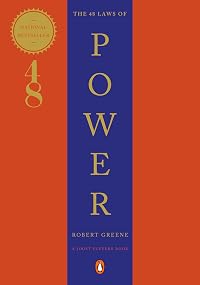
The 48 Laws of Power
by Robert Greene
On This Page
Description
Amoral, cunning, ruthless, and instructive, this multi-million-copy New York Times bestseller is the definitive manual for anyone interested in gaining, observing, or defending against ultimate control – from the author of The Laws of Human Nature.In the book that People magazine proclaimed “beguiling” and “fascinating,” Robert Greene and Joost Elffers have distilled three thousand years of the history of power into 48 essential laws by drawing from the philosophies of show more Machiavelli, Sun Tzu, and Carl Von Clausewitz and also from the lives of figures ranging from Henry Kissinger to P.T. Barnum.
Some laws teach the need for prudence (“Law 1: Never Outshine the Master”), others teach the value of confidence (“Law 28: Enter Action with Boldness”), and many recommend absolute self-preservation (“Law 15: Crush Your Enemy Totally”). Every law, though, has one thing in common: an interest in total domination. In a bold and arresting two-color package, The 48 Laws of Power is ideal whether your aim is conquest, self-defense, or simply to understand the rules of the game. show less
Tags
Recommendations



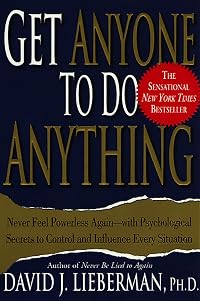
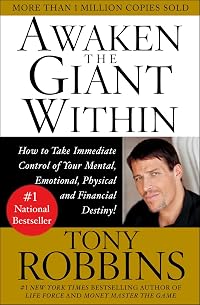
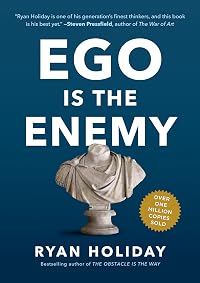
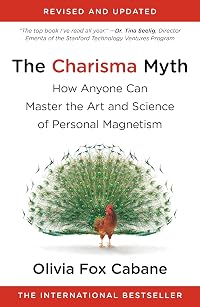
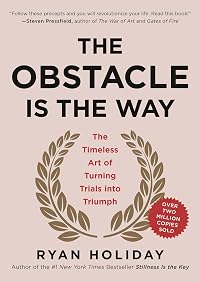
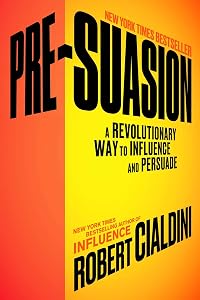
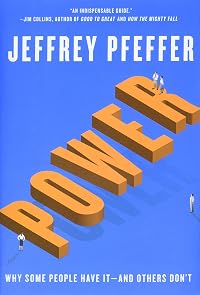
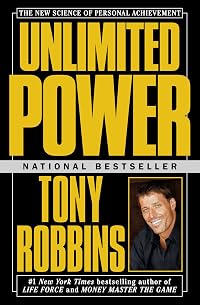

Member Reviews
Some of the manipulative advice:
KEYS TO POWER
Using words to plead your case is risky business: Words are dangerous instruments, and often go astray. The words people use to persuade us virtually invite us to reflect on them with words of our own; we mull them over, and often
end up believing the opposite of what they say. (That is part of our perverse nature.) It also happens that words offend us, stirring up associations unintended by the speaker.
The visual, on the other hand, short-circuits the labyrinth of words. It strikes with an emotional power and immediacy that leave no gaps for reflection and doubt. Like music, it leaps right over rational, reasonable thoughts. Imagine the Moon Doctor trying to make a case for his medical practice, trying to convince the unconverted by telling them about the healing powers of the moon, and about his own special connection to a distant object in the sky. Fortunately for him, he was able to create a compelling spectacle that made words unnecessary. The moment his patients entered the beer hall, the image of the moon spoke eloquently enough.
Understand: Words put you on the defensive. If you have to explain yourself your power is already in question. The image, on the other hand, imposes itself as a given. It discourages questions, creates forceful associations, resists unintended interpretation, communicates instantly, and forges bonds that transcend social differences. Words stir up arguments and divisions; images bring people together. They are the quintessential instruments of power.
More of the same from the compendium of advice to would-be puppetmasters supported by fables, legends, and unsavory maneuvers in business, politics, etc.
CREATE COMPELLING SPECTACLES
JUDGMENT
Striking imagery and grand symbolic gestures create the aura of power-everyone responds to them. Stage spectacles ... arresting visuals and radiant symbols that heighten your presence. Dazzled
by appearances, no one will notice what you are really doing...
If Darth Vader had written The Dark Side for Beginners, this is what it would look like. The 48 Laws of Power by Robert Greene and Joost Elffers is a carefully crafted quilt of advice, supported by classical citations, for becoming a modern day Machiavellian prince.
Here is a small example:
“OPPONENTS, SUCKERS, AND VICTIMS: Preliminary Typology
In your rise to power you will come across many breeds of opponent, sucker, and victim. The highest form of the art of power is the ability to distinguish the wolves from he lambs, the foxes from the hares, the hawks from the vultures. If you make this distinction well, you will succeed without needing to coerce anyone too much. But if you deal blindly with whomever crosses you path, you will have show more a life of constant sorrow, if you even live that long. Being able to recognize types of people, and to act accordingly, is critical. The following are the most dangerous and difficult types of mark in the jungle, as identified by artists—con and otherwise—of the past.”
The sidebar directly beside the above paragraph reads: “When you meet a swordsman, draw your sword: do not recite poetry to one who is not a poet.”
Mr. Robert Greene is a classicist of the highest caliber, and he left no major classical work unnoticed as he gleaned that rich field of human knowledge. Although admittedly one-sided, dark-sided, a person can gain an admirable command of a deeply interesting part of Classical Studies by perusing the 452 pages of Mr. Greene’s The 48 Laws of Power.
The only criticism I might have is the title. As one reads this profoundly fascinating book, the astute will discover in short order that the ‘laws’ are not laws at all. Many of them conflict with each other, so I feel it would have been more accurate to call them The 48 GUIDELINES of Power. However, I admit, with such an unbeguiling title as I suggest, Mr. Greene's book would not have most likely become a National Bestseller, so I can forgive him that. show less
Here is a small example:
“OPPONENTS, SUCKERS, AND VICTIMS: Preliminary Typology
In your rise to power you will come across many breeds of opponent, sucker, and victim. The highest form of the art of power is the ability to distinguish the wolves from he lambs, the foxes from the hares, the hawks from the vultures. If you make this distinction well, you will succeed without needing to coerce anyone too much. But if you deal blindly with whomever crosses you path, you will have show more a life of constant sorrow, if you even live that long. Being able to recognize types of people, and to act accordingly, is critical. The following are the most dangerous and difficult types of mark in the jungle, as identified by artists—con and otherwise—of the past.”
The sidebar directly beside the above paragraph reads: “When you meet a swordsman, draw your sword: do not recite poetry to one who is not a poet.”
Mr. Robert Greene is a classicist of the highest caliber, and he left no major classical work unnoticed as he gleaned that rich field of human knowledge. Although admittedly one-sided, dark-sided, a person can gain an admirable command of a deeply interesting part of Classical Studies by perusing the 452 pages of Mr. Greene’s The 48 Laws of Power.
The only criticism I might have is the title. As one reads this profoundly fascinating book, the astute will discover in short order that the ‘laws’ are not laws at all. Many of them conflict with each other, so I feel it would have been more accurate to call them The 48 GUIDELINES of Power. However, I admit, with such an unbeguiling title as I suggest, Mr. Greene's book would not have most likely become a National Bestseller, so I can forgive him that. show less
A Machiavellian exploration of the dynamics of power and influence, "The 48 Laws of Power" by Robert Greene aims to illustrate the power dynamics in various contexts, from personal relationships to politics and business. Each of the 48 laws is accompanied by historical anecdotes and examples that illustrate its application. Critics might argue that it promotes manipulation, deceit, and ruthless behavior in the pursuit of power, but I appreciate its insights into human nature and the dynamics of power. It’s very much a practical guide for navigating complex social situations and achieving one's goals, particularly in competitive environments. There are ethical implications either direction, but one thing is for sure, there is no show more nobility in poverty of mind. This is a thought-provoking read. show less
"The 48 Laws of Power" is an intriguing exploration of the gray areas within morality and ethics. Unlike conventional thinking that often sees things in black and white, this book boldly delves into the complex nuances of power dynamics. It's an enlightening read that forces you to reconsider your understanding of how power operates.
Now, I must admit, this book is not without controversy. The author adopts an amoral approach, which understandably raises moral objections from some readers. However, it's important to recognize that power plays have been a part of human history and continue to shape our contemporary lives. The 48 laws presented in this book are practical strategies that one can either employ or be prepared to face when show more encountered by others.
While some of these laws may initially appear dubious, it's crucial to view them as lessons to navigate the treacherous waters of social life. The author's writing is captivating, providing historical anecdotes and examples to show how these laws have been used by influential people..
As a writer, I found immense value in the insights offered by this book. It provides a profound understanding of human nature, empowering me to craft interesting characters for my stories, whether they are heroes or villains. Grasping the complexities of power dynamics allows me to create characters that readers will connect with.
Interestingly, I couldn't help but notice striking parallels between the laws in this book and the character of Reddington from the popular Netflix TV show "The Blacklist." This realization prompted me to write an article on Medium, exploring the connections between these laws and the portrayal of power in the series. You can read it here: https://medium.com/@ancaantoci/raymond-reddington-a-masterclass-in-morally-gray-....
Understanding the complexities of human nature proves to be an indispensable skill when crafting well-rounded and captivating characters.
In summary, "The 48 Laws of Power" is an exceptionally written book that challenges conventional notions of morality and ethics. While it may provoke moral reservations, it offers valuable insights into the realities of power dynamics. Whether you're an aspiring writer seeking to hone your craft or an individual navigating the complex power struggles of everyday life, this book grants a deeper understanding of human nature. Embrace the knowledge it imparts and be prepared to see the world through a new lens. show less
Now, I must admit, this book is not without controversy. The author adopts an amoral approach, which understandably raises moral objections from some readers. However, it's important to recognize that power plays have been a part of human history and continue to shape our contemporary lives. The 48 laws presented in this book are practical strategies that one can either employ or be prepared to face when show more encountered by others.
While some of these laws may initially appear dubious, it's crucial to view them as lessons to navigate the treacherous waters of social life. The author's writing is captivating, providing historical anecdotes and examples to show how these laws have been used by influential people..
As a writer, I found immense value in the insights offered by this book. It provides a profound understanding of human nature, empowering me to craft interesting characters for my stories, whether they are heroes or villains. Grasping the complexities of power dynamics allows me to create characters that readers will connect with.
Interestingly, I couldn't help but notice striking parallels between the laws in this book and the character of Reddington from the popular Netflix TV show "The Blacklist." This realization prompted me to write an article on Medium, exploring the connections between these laws and the portrayal of power in the series. You can read it here: https://medium.com/@ancaantoci/raymond-reddington-a-masterclass-in-morally-gray-....
Understanding the complexities of human nature proves to be an indispensable skill when crafting well-rounded and captivating characters.
In summary, "The 48 Laws of Power" is an exceptionally written book that challenges conventional notions of morality and ethics. While it may provoke moral reservations, it offers valuable insights into the realities of power dynamics. Whether you're an aspiring writer seeking to hone your craft or an individual navigating the complex power struggles of everyday life, this book grants a deeper understanding of human nature. Embrace the knowledge it imparts and be prepared to see the world through a new lens. show less
What an intriguing title! Which just makes the vapid nonsense within entirely disappointing. This is the reading material for Mayberry Machiavellis, people who think the world somehow is just one giant scam, a grand con, and so people must somehow be cajoled, lured, enticed, used, destroyed. It's not disheartening because some of the "laws" are such obvious nonsense that even a moderately intelligent 12 year old can smell the rife stench of rank bullshit. But it was succesfully marketed so, unfortunately, your local library may have a copy, certainly by inter-library loan. Don't get caught reading this book by respectable strangers, but not because it has any dark secrets. Rather, because anyone anywhere who ever studied governance OR show more business management OR military leadersip will know full well this book is utter crap. show less
The 48 Laws of Power is a fascinating, if single-minded book of advice centered around historical examples about how to gain and maintain power using deception, flattery, and strategy. Greene's model of society is the royal court, with scheme nobles seeking patronage from some central king or queen. Some of the advice is useful universal: don't let yourself be driven by emotions like anger or love, manage perceptions of yourself, have a plan but be willing to improvise, avoid certain traps sure to alienate the powerful or the masses.
Greene illuminates his book with hundreds of examples drawn from the ancient world, including Greece, China, and Japan, Medieval and Renaissance courts, and the con artists of Gilded Age America. The trick show more is translating these examples into a modern corporate environment. Who is the king? How do you crush your enemies? How does power operate in the world of 'five years out and up?'
The problem with this book is not that the advice is utterly amoral and mercenary, it's that it's conception of Power is very diffuse. Is it wealth, respect, lethal force, or something else? The 48 Laws of Power has solid advice on how to avoid some common traps, but offers surprisingly little guidance towards positive steps that one might take on the road to power. show less
Greene illuminates his book with hundreds of examples drawn from the ancient world, including Greece, China, and Japan, Medieval and Renaissance courts, and the con artists of Gilded Age America. The trick show more is translating these examples into a modern corporate environment. Who is the king? How do you crush your enemies? How does power operate in the world of 'five years out and up?'
The problem with this book is not that the advice is utterly amoral and mercenary, it's that it's conception of Power is very diffuse. Is it wealth, respect, lethal force, or something else? The 48 Laws of Power has solid advice on how to avoid some common traps, but offers surprisingly little guidance towards positive steps that one might take on the road to power. show less
https://nwhyte.livejournal.com/3842078.html
I read the first three chapters and put it down with no intention of resuming. I thought it was a repulsive book. It claims to be a self-help book about how to gain Power and be Powerful, illustrated by case studied of people who Obeyed or Transgressed the Laws of Power in history. Most of the self-help books that I have read at least pay lip service to becoming a better person, wanting to make the world a better place by your existence, finding and fulfilling your personal mission, that kind of thing. Greene is just interested in Power; he does not define it, just assumes that you want it too; there is no ethical framework here. It's rather sickening, and the worrying thing is that a lot of show more people seem to have bought and liked the book. I suspect that his historical analysis is bunk as well, but cannot be bothered to check any of the examples. show less
I read the first three chapters and put it down with no intention of resuming. I thought it was a repulsive book. It claims to be a self-help book about how to gain Power and be Powerful, illustrated by case studied of people who Obeyed or Transgressed the Laws of Power in history. Most of the self-help books that I have read at least pay lip service to becoming a better person, wanting to make the world a better place by your existence, finding and fulfilling your personal mission, that kind of thing. Greene is just interested in Power; he does not define it, just assumes that you want it too; there is no ethical framework here. It's rather sickening, and the worrying thing is that a lot of show more people seem to have bought and liked the book. I suspect that his historical analysis is bunk as well, but cannot be bothered to check any of the examples. show less
Members
- Recently Added By
Published Reviews
ThingScore 100
added by Franklyn_Azubuike
«Ad alcuni, l’idea di mettere consapevolmente in atto giochi di potere — per quanto indiretti — sembra immorale, antisociale, un retaggio del passato. Sono convinti di poter scegliere di non partecipare a quei giochi semplicemente adottando comportamenti che nulla hanno a che fare con il potere. In realtà, occorre diffidare di simili individui, perché mentre esprimono queste opinioni show more a parole, in molti casi sono proprio tra i più abili a tessere trame a proprio vantaggio. Essi infatti ricorrono a strategie che celano abilmente la vera natura della manipolazione in atto. Spesso, ad esempio, esibiscono la loro debolezza e il fatto di non detenere alcun potere come se si trattasse di altrettante virtù morali. Ma la vera assenza di potere, quella che non è dettata in alcun modo dall’interesse personale, non ostenta la propria fragilità per guadagnarsi comprensione o rispetto. Mostrarsi deboli in realtà è di per sé una strategia molto efficace, subdola e ingannevole, nel gioco del potere.
Un’altra strategia adottata dal sedicente outsider consiste nel chiedere a gran voce parità e uguaglianza in ogni sfera dell’esistenza umana. Tutti, dunque, debbono essere trattati allo stesso modo, quale che sia il loro status e la loro forza. Ma se, per evitare il marchio disonorevole del potere, cerchiamo di comportarci con tutti quanti con la stessa equità e correttezza, ci troviamo di fronte a un problema: alcuni fanno determinate cose meglio di altri. Trattare tutti in modo paritetico significa ignorare le differenze, elevare i meno capaci e tarpare le ali di chi eccelle. Ancora una volta, molti di coloro che adottano questo approccio in realtà mettono in atto un’ennesima strategia di potere che consiste nel ridistribuire i riconoscimenti alle persone secondo criteri soggettivi che essi stessi hanno stabilito.
Esiste poi un altro modo per evitare di entrare in gioco: adottare un comportamento improntato alla massima sincerità e schiettezza, visto che le tecniche fondamentali utilizzate da chi mira al potere sono invece l’inganno e l’abitudine a tramare nell’ombra. Tuttavia, volendo essere sinceri sempre e comunque, si finisce inevitabilmente per ferire e offendere moltissime persone, alcune delle quali possono poi ripagarci con la stessa moneta. Nessuno considererà la vostra franca affermazione come totalmente obiettiva e scevra da motivazioni dettate dall’interesse personale. E a ragione: in realtà, il ricorso alla sincerità è di per sé una strategia di potere, tesa a convincere gli altri che siamo di animo nobile, buono e altruista. È una forma di persuasione, addirittura una sottile forma di coercizione.
Infine, può accadere che chi si chiama fuori dal gioco ostenti un’aria di falso candore per difendersi dall’accusa di essere assetato di potere. Di nuovo, guardiamoci da chi assume un simile atteggiamento, perché l’ostentazione di una presunta ingenuità può essere un valido strumento per ingannare il prossimo (cfr. Legge 21: Fingetevi sciocchi per mettere nel sacco gli ingenui). Ma neppure il candore autentico è al riparo dalle insidie del potere. Nei bambini esso può manifestarsi in molti modi, tuttavia spesso scaturisce dall’esigenza primaria di acquisire il controllo su coloro che li circondano. […] In sintesi, può accadere che anche le persone autenticamente innocenti siano in corsa per il potere: spesso la loro azione risulta terribilmente efficace, in quanto non si scontra con l’ostacolo della riflessione. Ancora una volta, chi ostenta o esibisce la propria innocenza è il meno innocente di tutti. […]
Se il mondo è paragonabile a una gigantesca corte attraversata da infinite trame e maneggi nei quali noi ci troviamo intrappolati, non ha senso cercare di chiamarsi fuori dal gioco. Un simile tentativo non fa che accrescere la nostra impotenza e questa a sua volta ci fa sentire più infelici. Anziché combattere contro l’inevitabile, anziché discutere e lagnarsi e sentirsi in colpa, è molto meglio eccellere nel potere. Anzi, meglio riuscirete a gestire il potere, migliori diventerete come amici, amanti, mariti, mogli e, più in generale, persone. Seguendo il percorso del cortigiano perfetto, imparerete a far sì che gli altri si sentano meglio con se stessi e diventerete per loro una fonte di piacere. Essi svilupperanno una sorta di dipendenza dalle vostre capacità e desidereranno costantemente la vostra presenza. Imparando alla perfezione a mettere in pratica le 48 leggi illustrate in questo libro, risparmierete agli altri la sofferenza che deriva dall’armeggiare goffamente con il potere — giocando cioè col fuoco senza conoscerne le proprietà. Se al gioco del potere non è possibile sottrarsi, è meglio esserne un artefice che rifiutare di cimentarvisi o adottare un approccio dilettantesco.
Per cimentarsi con successo nel gioco del potere, è necessario innanzitutto acquisire una certa visione del mondo, cambiare prospettiva. […] Sono dunque necessarie alcune capacità di base; una volta acquisite queste ultime, sarete in grado di applicare le leggi del potere con maggiore facilità.
La più importante di queste abilità, e il fondamento primo del potere, è il saper governare le proprie emozioni. Una reazione emotiva a una data situazione costituisce in assoluto il maggior ostacolo all’acquisizione del potere, un errore che vi potrà costare molto di più di qualunque temporanea soddisfazione possiate ricavare dal manifestare i vostri sentimenti. Le emozioni ottenebrano la ragione e se non siete in grado di vedere la situazione con chiarezza, non potete prepararvi ad affrontarla né reagire a essa con un minimo di controllo.
L’ira è la più distruttiva delle reazioni emotive in quanto è quella che più di tutte offusca la nostra capacità di guardare le cose con lucidità. Inoltre, essa innesca una reazione a catena che rende invariabilmente più difficile controllare la situazione e accresce la determinazione dell’avversario. Se state cercando di distruggere un nemico che vi ha fatto del male, anziché manifestare apertamente la vostra collera, è molto meglio che lo incoraggiate a tenere abbassata la guardia ostentando un atteggiamento amichevole.
Anche amore e affetto possono rivelarsi distruttivi, in quanto vi impediscono di capire come dietro le azioni di coloro che meno di tutti sospettereste impegnati in un gioco di potere stia spesso nascosto l’interesse personale. […]
Per padroneggiare le proprie emozioni occorre anche essere capaci di prendere le distanze dal presente e di considerare passato e futuro con obiettività. […]
Per quanto concerne il domani, il motto è: «Siate sempre vigili». Nulla dovrebbe cogliervi di sorpresa, perché cercherete sempre di anticipare i possibili problemi prima che si presentino. Anziché passare il tempo a fantasticare sul felice esito dei vostri progetti, dovrete darvi da fare per calcolare qualsiasi imprevisto e qualsiasi insidia possiate incontrare sul vostro cammino. Più lontano riuscirete a spingere lo sguardo, più numerose saranno le fasi del processo che sarete in grado di pianificare, maggior potere potrete acquisire. […]
Metà del gioco consiste proprio nell’imparare a dimenticare gli eventi il cui ricordo ci divora interiormente e offusca la nostra razionalità. Il vero scopo della riflessione su ciò che è stato è educare se stessi, costantemente […]. Poi, dopo aver meditato sul passato, rivolgiamo la nostra attenzione più vicino a noi, alle nostre azioni e a quelle dei nostri amici. È soprattutto da questa scuola che possiamo trarre gli insegnamenti più preziosi, perché essa si fonda sull’esperienza personale. show less
Un’altra strategia adottata dal sedicente outsider consiste nel chiedere a gran voce parità e uguaglianza in ogni sfera dell’esistenza umana. Tutti, dunque, debbono essere trattati allo stesso modo, quale che sia il loro status e la loro forza. Ma se, per evitare il marchio disonorevole del potere, cerchiamo di comportarci con tutti quanti con la stessa equità e correttezza, ci troviamo di fronte a un problema: alcuni fanno determinate cose meglio di altri. Trattare tutti in modo paritetico significa ignorare le differenze, elevare i meno capaci e tarpare le ali di chi eccelle. Ancora una volta, molti di coloro che adottano questo approccio in realtà mettono in atto un’ennesima strategia di potere che consiste nel ridistribuire i riconoscimenti alle persone secondo criteri soggettivi che essi stessi hanno stabilito.
Esiste poi un altro modo per evitare di entrare in gioco: adottare un comportamento improntato alla massima sincerità e schiettezza, visto che le tecniche fondamentali utilizzate da chi mira al potere sono invece l’inganno e l’abitudine a tramare nell’ombra. Tuttavia, volendo essere sinceri sempre e comunque, si finisce inevitabilmente per ferire e offendere moltissime persone, alcune delle quali possono poi ripagarci con la stessa moneta. Nessuno considererà la vostra franca affermazione come totalmente obiettiva e scevra da motivazioni dettate dall’interesse personale. E a ragione: in realtà, il ricorso alla sincerità è di per sé una strategia di potere, tesa a convincere gli altri che siamo di animo nobile, buono e altruista. È una forma di persuasione, addirittura una sottile forma di coercizione.
Infine, può accadere che chi si chiama fuori dal gioco ostenti un’aria di falso candore per difendersi dall’accusa di essere assetato di potere. Di nuovo, guardiamoci da chi assume un simile atteggiamento, perché l’ostentazione di una presunta ingenuità può essere un valido strumento per ingannare il prossimo (cfr. Legge 21: Fingetevi sciocchi per mettere nel sacco gli ingenui). Ma neppure il candore autentico è al riparo dalle insidie del potere. Nei bambini esso può manifestarsi in molti modi, tuttavia spesso scaturisce dall’esigenza primaria di acquisire il controllo su coloro che li circondano. […] In sintesi, può accadere che anche le persone autenticamente innocenti siano in corsa per il potere: spesso la loro azione risulta terribilmente efficace, in quanto non si scontra con l’ostacolo della riflessione. Ancora una volta, chi ostenta o esibisce la propria innocenza è il meno innocente di tutti. […]
Se il mondo è paragonabile a una gigantesca corte attraversata da infinite trame e maneggi nei quali noi ci troviamo intrappolati, non ha senso cercare di chiamarsi fuori dal gioco. Un simile tentativo non fa che accrescere la nostra impotenza e questa a sua volta ci fa sentire più infelici. Anziché combattere contro l’inevitabile, anziché discutere e lagnarsi e sentirsi in colpa, è molto meglio eccellere nel potere. Anzi, meglio riuscirete a gestire il potere, migliori diventerete come amici, amanti, mariti, mogli e, più in generale, persone. Seguendo il percorso del cortigiano perfetto, imparerete a far sì che gli altri si sentano meglio con se stessi e diventerete per loro una fonte di piacere. Essi svilupperanno una sorta di dipendenza dalle vostre capacità e desidereranno costantemente la vostra presenza. Imparando alla perfezione a mettere in pratica le 48 leggi illustrate in questo libro, risparmierete agli altri la sofferenza che deriva dall’armeggiare goffamente con il potere — giocando cioè col fuoco senza conoscerne le proprietà. Se al gioco del potere non è possibile sottrarsi, è meglio esserne un artefice che rifiutare di cimentarvisi o adottare un approccio dilettantesco.
Per cimentarsi con successo nel gioco del potere, è necessario innanzitutto acquisire una certa visione del mondo, cambiare prospettiva. […] Sono dunque necessarie alcune capacità di base; una volta acquisite queste ultime, sarete in grado di applicare le leggi del potere con maggiore facilità.
La più importante di queste abilità, e il fondamento primo del potere, è il saper governare le proprie emozioni. Una reazione emotiva a una data situazione costituisce in assoluto il maggior ostacolo all’acquisizione del potere, un errore che vi potrà costare molto di più di qualunque temporanea soddisfazione possiate ricavare dal manifestare i vostri sentimenti. Le emozioni ottenebrano la ragione e se non siete in grado di vedere la situazione con chiarezza, non potete prepararvi ad affrontarla né reagire a essa con un minimo di controllo.
L’ira è la più distruttiva delle reazioni emotive in quanto è quella che più di tutte offusca la nostra capacità di guardare le cose con lucidità. Inoltre, essa innesca una reazione a catena che rende invariabilmente più difficile controllare la situazione e accresce la determinazione dell’avversario. Se state cercando di distruggere un nemico che vi ha fatto del male, anziché manifestare apertamente la vostra collera, è molto meglio che lo incoraggiate a tenere abbassata la guardia ostentando un atteggiamento amichevole.
Anche amore e affetto possono rivelarsi distruttivi, in quanto vi impediscono di capire come dietro le azioni di coloro che meno di tutti sospettereste impegnati in un gioco di potere stia spesso nascosto l’interesse personale. […]
Per padroneggiare le proprie emozioni occorre anche essere capaci di prendere le distanze dal presente e di considerare passato e futuro con obiettività. […]
Per quanto concerne il domani, il motto è: «Siate sempre vigili». Nulla dovrebbe cogliervi di sorpresa, perché cercherete sempre di anticipare i possibili problemi prima che si presentino. Anziché passare il tempo a fantasticare sul felice esito dei vostri progetti, dovrete darvi da fare per calcolare qualsiasi imprevisto e qualsiasi insidia possiate incontrare sul vostro cammino. Più lontano riuscirete a spingere lo sguardo, più numerose saranno le fasi del processo che sarete in grado di pianificare, maggior potere potrete acquisire. […]
Metà del gioco consiste proprio nell’imparare a dimenticare gli eventi il cui ricordo ci divora interiormente e offusca la nostra razionalità. Il vero scopo della riflessione su ciò che è stato è educare se stessi, costantemente […]. Poi, dopo aver meditato sul passato, rivolgiamo la nostra attenzione più vicino a noi, alle nostre azioni e a quelle dei nostri amici. È soprattutto da questa scuola che possiamo trarre gli insegnamenti più preziosi, perché essa si fonda sull’esperienza personale. show less
added by AntonioGallo
Lists

The Joe Rogan Experience Library
254 works; 3 members

If Books Could Kill Podcast
52 works; 1 member

LIDOS
37 works; 1 member

current
52 works; 1 member

psychology
12 works; 1 member

history
12 works; 1 member
politics
6 works; 1 member

Ryan Holiday's Books To Base Your Life On
97 works; 2 members

Recovery from Psychopath
132 works; 1 member

Men's healing resources
749 works; 1 member

Books I have read
16 works; 1 member

el
1,139 works; 1 member
Author Information

24+ Works 15,715 Members
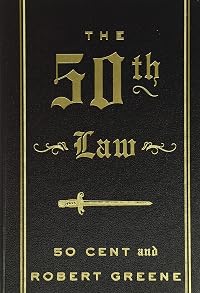
Robert Greene was born on May 14, 1959 in Los Angeles, California. He attended the University of California, Berkeley before transferring to the University of Wisconsin-Madison, where he received a B.A. in classical studies. Before becoming an author, he worked a variety of jobs including construction worker, translator, magazine editor, and show more Hollywood movie writer. In 1995, he worked as a writer at Fabrica, an art and media school in Italy, and met a book packager named Joost Elffers. Greene pitched a book about power to Elffers and wrote a draft, which eventually became his first book, The 48 Laws of Power. His other works include The Art of Seduction, The 33 Strategies of War, The 50th Law, and Mastery. (Bowker Author Biography) show less
Awards and Honors
Notable Lists
Work Relationships
Is abridged in
Common Knowledge
- Canonical title
- The 48 Laws of Power
- Original title
- The 48 Laws of Power
- Alternate titles
- Power; Forty-eight laws of power
- Original publication date
- 1998
- Dedication
- To Anna Biller, and to my parents R.G.
Classifications
- Genres
- Business, General Nonfiction, Nonfiction, Philosophy, History
- DDC/MDS
- 303.3 — Society, government, & culture Social sciences, sociology & anthropology Social processes Coordination and control
- LCC
- BD438 .G74 — Philosophy, Psychology and Religion Speculative philosophy Speculative philosophy Ontology
- BISAC
Statistics
- Members
- 7,122
- Popularity
- 1,653
- Reviews
- 85
- Rating
- (3.86)
- Languages
- 18 — Czech, Dutch, English, Estonian, Finnish, French, German, Greek, Hungarian, Italian, Korean, Lithuanian, Polish, Russian, Serbian, Spanish, Swedish, Portuguese (Portugal)
- Media
- Paper, Audiobook, Ebook
- ISBNs
- 89
- UPCs
- 2
- ASINs
- 28