On This Page
Description
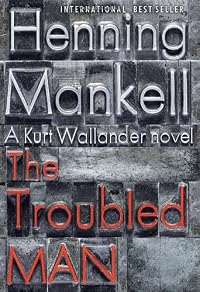
"A novel in which Kurt Wallander becomes involved in the case of the disappearance of a retired naval officer--who is Wallander's daughter Linda's future father-in-law--which leads him into a story of Cold War espionage. Wallander also confronts his own age and mortality, while welcoming his first granddaughter"--Tags
Recommendations














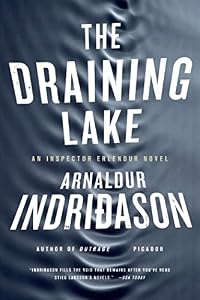

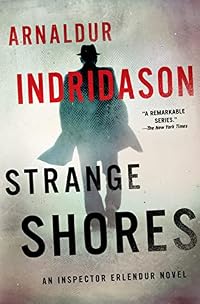





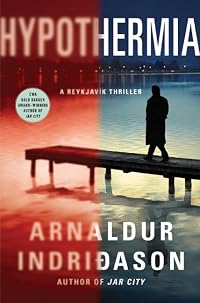





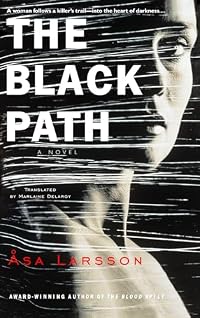

Member Recommendations


Member Reviews
Oh (expletive deleted.) I so didn't want this book to end the way the epilogue did. I saw it coming, and with each foreshadow said, "No! No! No!) I'm shattered.
It was a little disconcerting when I first started reading, because the last one in the series I read was actually the second book, where Kurt met Baiba. This one takes place 15 years after he last saw her. I hadn't realized, when I started reading, that "The Troubled Man" was announced as the last Wallender book. Now I'm sitting here snuffling and wiping tears away, as I absorb that I've lost yet another old friend and favorite series. The story was a good mystery, but the personal details of Wallender's relationship with Linda, Mona, and Baiba really got to me, as did his fears show more of following in his father's footsteps. I, too, have the worry of losing my memory as I age, and felt that Mankell did a beautiful job putting the reader in Wallender's thoughts and fears. I have read the series out of order, so still have a few books to go back and read -- thank goodness.
Goodbye, Kurt. May you live your final years surrounded by the love of your family. You've earned it. I'll miss you. show less
It was a little disconcerting when I first started reading, because the last one in the series I read was actually the second book, where Kurt met Baiba. This one takes place 15 years after he last saw her. I hadn't realized, when I started reading, that "The Troubled Man" was announced as the last Wallender book. Now I'm sitting here snuffling and wiping tears away, as I absorb that I've lost yet another old friend and favorite series. The story was a good mystery, but the personal details of Wallender's relationship with Linda, Mona, and Baiba really got to me, as did his fears show more of following in his father's footsteps. I, too, have the worry of losing my memory as I age, and felt that Mankell did a beautiful job putting the reader in Wallender's thoughts and fears. I have read the series out of order, so still have a few books to go back and read -- thank goodness.
Goodbye, Kurt. May you live your final years surrounded by the love of your family. You've earned it. I'll miss you. show less
Testamento
L'ultima indagine ed il silenzio delle tenebre a chiudere un capitolo, una vita, come se Mankell avesse previsto il suo futuro. Sono gli affetti quotidiani a portare Kurt a districarsi in una storia che torna indietro nel tempo, alla guerra fredda, ai due blocchi nemici, i Russi, gli Americani. E nel bel mezzo la Svezia, che non parteggerebbe per nessuno se potesse, ma che sotto la superficie alimenta anch'essa un mercimonio di segreti militari. Ma il paesaggio non è sempre nitido e non tutto quello che appare è davvero come sembra. E poi c'è l'amore, che non può più essere, un tempo per scelta, e nel presente perché non c'è più tempo e non c'è più un futuro da scegliere. La catarsi finale, per quanto annunciata, è show more tremendamente dolorosa e senza tutte le risposte. Sarà quel che sarà, anche perché nella vita di Kurt le luci si stanno spegnendo, piccoli lenti blackout, sempre più frequenti e lunghi. Il tramonto lo inonderà con tutta la sua abbagliante luce, per un solo, ultimo, irripetibile istante, come tutte le nostre vite... puff! show less
L'ultima indagine ed il silenzio delle tenebre a chiudere un capitolo, una vita, come se Mankell avesse previsto il suo futuro. Sono gli affetti quotidiani a portare Kurt a districarsi in una storia che torna indietro nel tempo, alla guerra fredda, ai due blocchi nemici, i Russi, gli Americani. E nel bel mezzo la Svezia, che non parteggerebbe per nessuno se potesse, ma che sotto la superficie alimenta anch'essa un mercimonio di segreti militari. Ma il paesaggio non è sempre nitido e non tutto quello che appare è davvero come sembra. E poi c'è l'amore, che non può più essere, un tempo per scelta, e nel presente perché non c'è più tempo e non c'è più un futuro da scegliere. La catarsi finale, per quanto annunciata, è show more tremendamente dolorosa e senza tutte le risposte. Sarà quel che sarà, anche perché nella vita di Kurt le luci si stanno spegnendo, piccoli lenti blackout, sempre più frequenti e lunghi. Il tramonto lo inonderà con tutta la sua abbagliante luce, per un solo, ultimo, irripetibile istante, come tutte le nostre vite... puff! show less
My father highly recommended this, so I read this through his eyes. There were copious references to the fear of aging, but what struck me was how both he and Baiba were, in the end, less than they could have been. (I'm thinking of her drunken death, of his encounter with a woman ("uninspired") before arriving in Berlin.) He set out with that exhilaration we all know at the beginning of travel; it devolves into something hungover. Less than they might have been - and aren't we all?
This is advertised as the last book in the Kurt Wallander series. It is a melancholy and disturbing book. Goes back (to Wallender's relationship with his wife, and with Baiba, a woman he met and loved in an earlier book) and forward. Linda has a daughter. Wallander is concerned about his health and disturbing symptoms of senility. Wallander is basically a character of my age, so that makes it cut closer. The case in the book is very close to home--the mother and father of the man Linda is living with, will likely marry. The book moves into something more like LeCarre than Mankell territory (even with a bit of self reference)--spies of the cold war era. A story of possible murder and treachery within a marriage. Lots going on. Left show more thinking about the book more than I wanted to. Always find something "clunky" in Mankell's language, which may well have to do with translation. But I keep thinking about this book and this character. Sad to see the end of a reliable friend. show less
The detective supervisor Kurt Wallender is every man. He is not brilliant, or especially good looking, and in this work, in his 60th year, he is depressed over the onset of old age. What makes this series so enjoyable is Wallander's doggedness in the pursuit of the truth. Frequently, he relies upon contacts he has built up over his career--and not seen for ten years; they provide the information he needs to inch a step forward in his quest to solve whatever crime he is investigating. By the end of the book, he has gathered reams of data, and then his intuition tells him something and he rereads everything and discovers the obscure paragraph that brings the solution to the fore. Wallander is a loner, and this is a problem as he seeks to show more forge a relationship with his daughter and his grandchild. You can feel him trying to grow, and also understand his profound disappointment when he finds he is trapped in the life he has made for himself. This is the detective as a working class hero. He would love something new and exciting to break through his malaise, but knows that what you see is what you get. That's one reason this series is so endearing; although Wallander usually nabs the criminal, we must go through life's triumphs and failures before Mankell feels ready to reveal the truth. This is the last book in the series, and my only serious quibble is the off-hand manner in which Mankell describes Wallander's bleak future. He devotes just a sentence or two and he's done. For a character with multiple titles, written over many years, I thought Wallendar deserved a better send-off. show less
This is book 10 of 10 of the Kurt Wallender series. Wallender is semi-retired and living in a rural town. He becomes active when a retired naval official/government official went out for a walk one day and disappeared into thin air. Things become more complicated when the man's wife turns up murdered shortly thereafter. Wallender takes on the case because the man and his wife are the parents of his daughter's partner. While this is primarily a murder mystery, it at times verges on being a bit of a spy thriller. And of course as Wallender is now into old age, it's also a meditation on the perils of aging, particularly as Wallender begins to fear he may be suffering from dementia.
I don't think I've read all the Wallender books, but I've show more read many of them. This was a good one. I'm also a big fan of Mankell's non-Wallender books.
Recommended.
3 1/2 stars show less
I don't think I've read all the Wallender books, but I've show more read many of them. This was a good one. I'm also a big fan of Mankell's non-Wallender books.
Recommended.
3 1/2 stars show less
Reading Swedish fiction always requires a bit of adjustment. Life over there is extremely different and at times very dark. This is the last in the Kurt Wallander series and it as much a muse on aging as it is a detective novel. Sure there is a case involving Russian and American spies and political events from the 80's but it all takes a back seat to Wallanders ruminations about a life perhaps not quite well spent. He explores exactly what it means to get old. As he says, "Once a man reaches 60 most of his major decisions in life have been made". I'm glad I chose to read this one. It'll will make you think.
Members
- Recently Added By
Published Reviews
ThingScore 100
Henning Mankell has spoken: Detective Chief Inspector Kurt Wallander has solved his last case. Making this news more bitter, the alcoholic, diabetic, antisocial and perpetually dour Swedish detective is at his gloomy best in THE TROUBLED MAN...
added by y2pk
Though shivering in the winter of his discontent, Wallander will grip the reader hard. Flawed and occasionally exasperating, he is that rare thing: a true original.
added by Shortride
Wallander might be aging, but Mankell is dead on in crafting an intricate plotline equal to the skills and insight of his famous detective. This is essential for fans of the series, and it succeeds as a stand-alone in the crowded field of dark, psychological Scandinavian thrillers.
added by sduff222
Lists

Scandinavian Crime Fiction
224 works; 37 members
Nordic Crime Fiction
66 works; 10 members

Crime and Mysteries to Read
746 works; 31 members
Swedish Crime Fiction
32 works; 6 members
Scandinavian Crime
90 works; 3 members

Best Crime Fiction
48 works; 3 members

Reading List - Scandinavian Fiction
134 works; 3 members

Detective Stories
343 works; 5 members

Books Read in 2012
815 works; 34 members

Allie's 2015 Reading List
33 works; 1 member

Books Read in 2017
4,249 works; 130 members

Llibres que he llegit el 2010
35 works; 1 member

Books Read in 2019
4,052 works; 110 members

Five star books
1,755 works; 108 members
Author Information

158+ Works 53,815 Members
Henning Mankell was born in Stockholm, Sweden on February 3, 1948. He left secondary school at the age of 16 and worked as a merchant seaman. While working as a stagehand, he wrote his first play, The Amusement Park. His first novel, The Stone Blaster, was released in 1973. His other works included The Prison Colony that Disappeared, Daisy show more Sisters, The Eye of the Leopard, The Man from Beijing, Secrets in the Fire, The Chronicler of the Wind, Depths, and I Die, But My Memory Lives On. He also wrote the Kurt Wallander series, which have been adapted for film and television, and the Joel Gustafson Stories series. A Bridge to the Stars won the Rabén and Sjögren award for best children's book of the year. He was committed to the fight against AIDS. He helped build a village for orphaned children and devoted much of his spare time to his "memory books" project, where parents dying from AIDS are encouraged to record their life stories in words and pictures. He was also among the activists who were attacked and arrested by Israeli forces as they tried to sail to the Gaza strip with humanitarian supplies in June 2010. He died from cancer on October 5, 2015 at the age of 67. (Bowker Author Biography) show less
Awards and Honors
Series

Belongs to Publisher Series
Work Relationships
Is contained in
Common Knowledge
- Canonical title
- The Troubled Man
- Original title
- Den orolige mannen
- Original publication date
- 2009
- People/Characters
- Kurt Wallander; Linda Wallander; Håkan von Enke; Hans von Enke; Sten Nordlander; Louise von Enke (show all 16); Steven Atkins; Ytterberg; Herman Eber; Martinsson; Nyberg; Fanny Klarström; Baiba Liepa; Lennart Mattson; Kristina Magnusson; George Talboth
- Important places
- Ystad, Skåne, Sweden; Stockholm, Sweden; Valdemarsvik, Östergötland, Sweden; Berlin, Germany
- Epigraph
- People always leave traces.
No person is without a shadow.
You forget what you want to remember
and remember what you would prefer to forget.
- Graffiti on buildings in New York City - First words
- The story begins with a sudden fit of rage.
- Quotations
- So it all began with a fit of rage. This story is about the realities of politics, this journey into the swamps where truth and lies are indistinguishable and nothing is clear. (p. 5)
Nowadays they had superior technical means of establishing evidence, but the ability to interpret what you see with your own eyes was still the key to police work. (p. 127)
"I feel old," Wallander said. "I wake up every day feeling that everything is going so incredibly fast. I don't know if I'm running after something or away from something. I just run. To be completely honest, I'm scared still... (show all) of growing old." (p. 367) - Last words
- (Click to show. Warning: May contain spoilers.)After that there is nothing more. The story of Kurt Wallander is finished, once and for all. The Years - ten, perhaps more - he has left to live are his own. His and Linda's, his and Klara's; nobody else's.
- Original language
- Swedish
- Disambiguation notice*
- original title: Den orolige mannen
*Some information comes from Common Knowledge in other languages. Click "Edit" for more information.
Classifications
- Genres
- Fiction and Literature, Mystery
- DDC/MDS
- 839.73 — Literature & rhetoric German & related literatures Other Germanic literatures Swedish literature Swedish fiction
- LCC
- PT9876.23 .A49 .O7613 — Language and Literature German, Dutch and Scandinavian literatures Swedish literature Individual authors or works 1961-2000
- BISAC
Statistics
- Members
- 2,448
- Popularity
- 7,895
- Reviews
- 92
- Rating
- (3.83)
- Languages
- 18 — Catalan, Czech, Danish, Dutch, English, Finnish, French, German, Greek, Italian, Norwegian (Bokmål), Norwegian, Polish, Portuguese, Russian, Spanish, Swedish, Turkish
- Media
- Paper, Audiobook, Ebook
- ISBNs
- 111
- ASINs
- 21