
On This Page
Description
It was a crime of senseless violence. On a cold night in a remote Swedish farmhouse, an elderly farmer was bludgeoned to death, his wife left to die with a noose around her neck. As if this didn't present enough problems for Ystad police inspector Kurt Wallander, the dying woman's last word, his only tangible clue, was "foreign." If publicized, it could be the match that would inflame Sweden's already smoldering anti-immigrant sentiments.In this case, unlike the situation with his ex-wife, show more his estranged daughter, or the young prosecutor who has piqued his interest, Wallander finds a problem he can handle. He quickly becomes obsessed with solving the crime before the already tense situation explodes—though it will require all of his talent to do so.
. show less
Tags
Recommendations



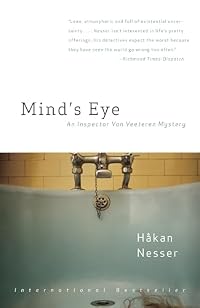
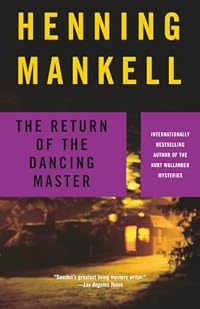

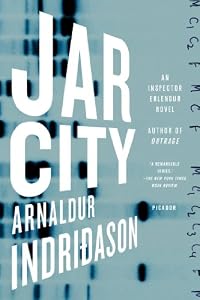
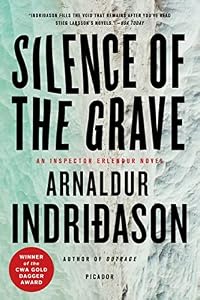




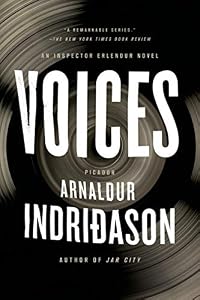
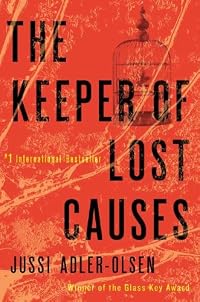
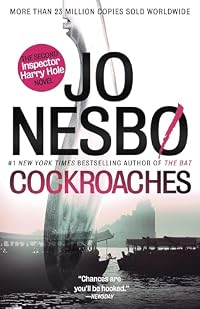
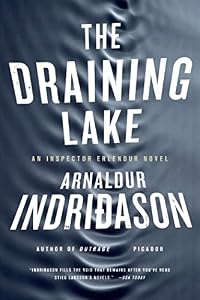
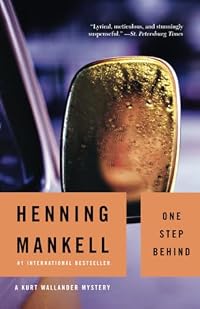
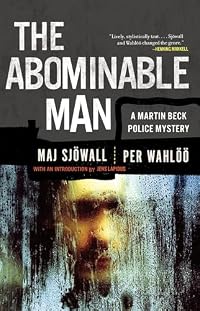

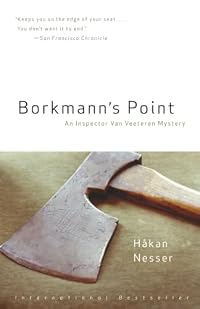









Member Recommendations

Gmonti O cualquier otro libro de H. Mankell, aunque no tan negro no fantástico.
También pueden disfrutar de Cell o la saga de La Torreo Oscura de Stephen King
ehines For an American like I am, Sweden is an almost mythical land--a sort of soft-porn socialist paradise. Both these books let you in on a very different side of Sweden. More real, but not offputting.

Member Reviews
I'd already come across Kurt Wallander thanks to the excellent Kenneth Branagh series, but this is the first time I've picked up one of the original novels. Happily, I liked it so much that I'm all ready to go on a rampage and buy the rest of the books AND the two television series. I love it when that happens!
The novel opens with the discovery of a horrific murder in the isolated farming community of Lunnarp. Called in by a terrified neighbour, Inspector Wallander arrives to find a mutilated and bloodied old man dead in his farmhouse bedroom. His wife is alive, but only barely, with a noose cruelly knotted around her neck. Armed with a host of confusing clues, uneasy hunches and the word 'foreign', repeated by the old woman on her show more deathbed, Wallander and his team must pull out all the stops to find the killers before the media storm around the case sparks a national wave of racial hate crime.
I found the whole novel absolutely fascinating, and it was a great brain work-out. I couldn't stop mulling over everything that had happened so far, and every time I put the book down I was itching to get back to it again! I think it helps that the reader is basically inside Kurt Wallander's mind from start to finish, even though it's written in the third person. He's a thoughtful, clever, kind and immensely human character, with a fierce sense of justice and a touch of quiet vulnerability - the kind of cop every reader will be rooting for! I also liked that this was very much a procedural novel, rather than a forensic gorefest, and the way the Swedish setting really came to life on the page. Mr Mankell - you have another new convert! Highly recommended. show less
The novel opens with the discovery of a horrific murder in the isolated farming community of Lunnarp. Called in by a terrified neighbour, Inspector Wallander arrives to find a mutilated and bloodied old man dead in his farmhouse bedroom. His wife is alive, but only barely, with a noose cruelly knotted around her neck. Armed with a host of confusing clues, uneasy hunches and the word 'foreign', repeated by the old woman on her show more deathbed, Wallander and his team must pull out all the stops to find the killers before the media storm around the case sparks a national wave of racial hate crime.
I found the whole novel absolutely fascinating, and it was a great brain work-out. I couldn't stop mulling over everything that had happened so far, and every time I put the book down I was itching to get back to it again! I think it helps that the reader is basically inside Kurt Wallander's mind from start to finish, even though it's written in the third person. He's a thoughtful, clever, kind and immensely human character, with a fierce sense of justice and a touch of quiet vulnerability - the kind of cop every reader will be rooting for! I also liked that this was very much a procedural novel, rather than a forensic gorefest, and the way the Swedish setting really came to life on the page. Mr Mankell - you have another new convert! Highly recommended. show less
Henning Mankell's first Wallander novel introduces us to the weary, self-doubting Swedish detective with a pacy double murder investigation. The crime is vicious, and the emphasis here is on Sweden as a changing world; Wallander constantly reflects on the horrific details that he would not have thought possible only a few years before. Wallander himself is slipping into a graceless middle age of divorce, bad eating and social anxiety, so both man and country are betraying their ideals. Mankell constantly infuses his writing (or, at least, the translated writing) with details that bring Wallander and his world alive as natural by-products of each other. The reader is invited to identify with the detective, not with sentimentality or show more pity, but with Wallander's own cold realization that all things fall apart. The mystery here is secondary, which for most of the novel isn't an issue; it does start to drag in the later chapters, only to very suddenly ramp up at the end. Taken as a crime novel, "Faceless Killers" isn't totally satisfying; there are mysteries out there that are simply constructed better, with a tighter grip. As the introductory portrait of a very believable man, however, it succeeds beautifully. show less
the language is sparse to match the landscape, which fits really nicely. the tone as well, seems to evoke the grayness of the winter in this rural area of sweden. i really like the way - without making this long or involved at all, it's quite short actually - he adds in little bits of information that could be clues or sparks of clues, but often aren't. so you don't know, as a reader, if a mention of ebba's new music box is an aside, or something that will matter. i don't like the way every one of these books i read seems to have "the worst most gruesome murder the officer had every seen." i do like that in this case, he kept coming back to that, about how things are changing in sweden (and everywhere) and how even the rural areas are show more seeing the shift in their lives. both the progress and the increase in violence. he also did a good job to tie this in to a debate about immigration, which seems even more pertinent now. (actually this doesn't feel like it was written as long ago as it was. maybe because i am unfamiliar with the area, so i can imagine that the farmland of sweden stayed rural for longer than it did.) but for a book originally published in 1991 to talk about white nationalism and anti-refugee policy, as we are dealing with now, shows either that he was ahead of his time or that we've been on this track for far, far too long. (or both, as for sure the latter is true.)
the beginning of the book grips you and sucks you right in. i loved how this started. the solving of the case seemed to just be luck, but i guess that's probably often realistic.
this is well written, a good story, and a solid start to a series. i'd definitely read more of the series and of him in general.
"To grow old is to live in fear. The dread of something menacing that you felt when you were a child returns when you get old." show less
the beginning of the book grips you and sucks you right in. i loved how this started. the solving of the case seemed to just be luck, but i guess that's probably often realistic.
this is well written, a good story, and a solid start to a series. i'd definitely read more of the series and of him in general.
"To grow old is to live in fear. The dread of something menacing that you felt when you were a child returns when you get old." show less
Muy Nórdico, así describiría yo la narrativa de este autor, como es bastante conocido y sé que muchos han leído la serie completa de Wallander o bien cualquiera de los otros muy conocidos libros de Mankell , no voy a entrar en detalles sobre su forma de escribir, que para quienes no lo han leído, es bastante bueno.
Sí, el libro tiene una buena historia policíaca, ya saben, bastante clásica, el policía, los asesinatos, la investigación, los sospechosos, cosas políticas en medio y además otra investigación dentro de todo eso, todo esto es por supuesto el tema central. Historia bien manejada y bien contada.
Pero a mí lo que mas me llamó la atención en este libro fue Wallander, el protagonista, fue muy pesado para mi leerlo show more porque, creo, no estaba en el humor correcto para aguantar al protagonista, que dicho sea de paso, es un muy buen protagonista, un personaje que llena la historia, sin ninguna duda y lo suficientemente fuerte para no olvidarse de él.
Pero me lo imagine con una nube negra sobre su cabeza todo el tiempo, una desgracia tras otra, una depresión total y completa, es que ganas me daban de tomarme antidepresivos para levantarme el ánimo con tanta mala vibra, pero no es él, resulta que Wallander es un buen hombre, pero todo lo malo que le pueda pasar, le sucede a él, lo único que le sale bien es su trabajo y a veces ni eso, como quien dice, no es la alegría del huerto el hombre, así que, sí, sufrí mucho al leer este libro, demasiada negatividad para mí.
Ya veremos que tal con los demás, ya les contaré, pero no lo esperen pronto, necesito una muy buena dosis de positividad antes de leerme otro libro de Wallander. show less
Sí, el libro tiene una buena historia policíaca, ya saben, bastante clásica, el policía, los asesinatos, la investigación, los sospechosos, cosas políticas en medio y además otra investigación dentro de todo eso, todo esto es por supuesto el tema central. Historia bien manejada y bien contada.
Pero a mí lo que mas me llamó la atención en este libro fue Wallander, el protagonista, fue muy pesado para mi leerlo show more porque, creo, no estaba en el humor correcto para aguantar al protagonista, que dicho sea de paso, es un muy buen protagonista, un personaje que llena la historia, sin ninguna duda y lo suficientemente fuerte para no olvidarse de él.
Pero me lo imagine con una nube negra sobre su cabeza todo el tiempo, una desgracia tras otra, una depresión total y completa, es que ganas me daban de tomarme antidepresivos para levantarme el ánimo con tanta mala vibra, pero no es él, resulta que Wallander es un buen hombre, pero todo lo malo que le pueda pasar, le sucede a él, lo único que le sale bien es su trabajo y a veces ni eso, como quien dice, no es la alegría del huerto el hombre, así que, sí, sufrí mucho al leer este libro, demasiada negatividad para mí.
Ya veremos que tal con los demás, ya les contaré, pero no lo esperen pronto, necesito una muy buena dosis de positividad antes de leerme otro libro de Wallander. show less
The first in the series, this is a good introduction to Kurt Wallender, a middle-aged Swedish detective whose life is beginning to fall apart: his wife has left him, he is turning to alcohol for comfort, he appears to have a dysfunctional relationship with his daughter, and his father is beginning to suffer from senility. Although there is much going wrong in his life, he's not broken but quite capable of handling the job, even a tough one such as this. In this story Swedish policy on immigrants and refugees plays a part when a brutal double murder is thought to have been committed by "foreigners", indicating a group in transition that makes them practically untraceable. Although the book was published in 1991, similar immigration show more issues still exist in many European countries to the present day. A well-written mystery that portrayed a complicated, engaging character as well as the country.
I enjoyed this better than any other Scandi crime novel I've tried so far. Apart from one or two minor anomalies that indicated this was not the original language, the translation was good. Recommended. show less
I enjoyed this better than any other Scandi crime novel I've tried so far. Apart from one or two minor anomalies that indicated this was not the original language, the translation was good. Recommended. show less
This one seemed to move at quite a sedate pace, but strangely I didn't actually mind, as the writing is so very fine and the characters and situation very real.
I could easily identify with Wallander and his problematic personal life and I enjoyed joining him in his investigations. There are red herrings and clues dotted about the place in a seemingly random order, with loose threads all over the place, but that is exactly what gives this its realism. It all comes together very quickly near the end, but in a way that feels very satisfying.
I could easily identify with Wallander and his problematic personal life and I enjoyed joining him in his investigations. There are red herrings and clues dotted about the place in a seemingly random order, with loose threads all over the place, but that is exactly what gives this its realism. It all comes together very quickly near the end, but in a way that feels very satisfying.
"Justice doesn't only mean that people who commit crime are punished. It also means that we can never give up seeking the truth."
'Faceless Killers' is the first in the Kurt Wallander series of books. Wallander's life is a mess: his wife has left him, his daughter refuses to speak to him and even his own father barely tolerates him. Wallander eats badly, buries himself in work and drinks his nights away in loneliness.
Early one freezing January morning a farmer discovers that his neighbours Johannes and Maria Lövgren have been brutally attacked. Johannes Lövgren is dead, and Maria is barely alive. Ystad Inspector Kurt Wallander and his team are called to investigate.
Initially there seems no reason why the Lövgrens have been so show more brutally attacked, they didn't appear wealthy and nothing valuable seems to have been taken. When Maria Lövgren dies, uttering the word "foreign" with her dying breath, Wallander and his team are left with an additional problem. There are several migrant camps in the vicinity and anti-immigration sentiment in the local populace is already running high, so when word leaks out that the Lövgrens may have been killed by foreigners, emotions can only escalate. So when a Somali immigrant is shot Wallander find himself with another murder on his hands and a race against time to prevent others.
As the police look more deeply into the Lövgren case they find that there was more to Johannes Lövgren than it appeared and there are facts about him that even his wife didn't know. Whilst the murder of the refugee has political ramifications of its own. Meanwhile Wallander is having problems of his own.
Police procedure, as the members of the team collect evidence, conduct interviews and follow leads, is central to this novel and gets a realistic impression of how very long it can take to solve a case. There are long hours; the public, press and superiors to satisfy, dogged footwork to be done but there is also a real sense of camaraderie. All of the cops work long hours but still take time to look out for each other.
Kurt Wallander himself is an interesting character. He has had some hard blows in his life but is reflective rather than bitter and doesn't waste his time complaining about it. He’s a very human character who makes mistakes during investigation but through sheer tenacity and devotion to duty still manages to bring the perpetrators to justice.
Given that this was first published some thirty years ago it still feels fresh and relevant. Despite the fact that it takes a while to solve the actual crime the action still flows at a reasonable pace and doesn't get too bogged at any point. But that's not to say that I didn't have a few minor gripes. Wallander is too often conveniently in the right spot at the right time and gets too personally involved in chasing up leads than I believe an officer of his rank should be, whilst his relationship with the prosecutor seems a little strange. This isn't a genre that I would normally reach for but overall I found 'Faceless Killers' a realistic crime novel with an interesting protagonist and I will certainly look out for others in the series. show less
'Faceless Killers' is the first in the Kurt Wallander series of books. Wallander's life is a mess: his wife has left him, his daughter refuses to speak to him and even his own father barely tolerates him. Wallander eats badly, buries himself in work and drinks his nights away in loneliness.
Early one freezing January morning a farmer discovers that his neighbours Johannes and Maria Lövgren have been brutally attacked. Johannes Lövgren is dead, and Maria is barely alive. Ystad Inspector Kurt Wallander and his team are called to investigate.
Initially there seems no reason why the Lövgrens have been so show more brutally attacked, they didn't appear wealthy and nothing valuable seems to have been taken. When Maria Lövgren dies, uttering the word "foreign" with her dying breath, Wallander and his team are left with an additional problem. There are several migrant camps in the vicinity and anti-immigration sentiment in the local populace is already running high, so when word leaks out that the Lövgrens may have been killed by foreigners, emotions can only escalate. So when a Somali immigrant is shot Wallander find himself with another murder on his hands and a race against time to prevent others.
As the police look more deeply into the Lövgren case they find that there was more to Johannes Lövgren than it appeared and there are facts about him that even his wife didn't know. Whilst the murder of the refugee has political ramifications of its own. Meanwhile Wallander is having problems of his own.
Police procedure, as the members of the team collect evidence, conduct interviews and follow leads, is central to this novel and gets a realistic impression of how very long it can take to solve a case. There are long hours; the public, press and superiors to satisfy, dogged footwork to be done but there is also a real sense of camaraderie. All of the cops work long hours but still take time to look out for each other.
Kurt Wallander himself is an interesting character. He has had some hard blows in his life but is reflective rather than bitter and doesn't waste his time complaining about it. He’s a very human character who makes mistakes during investigation but through sheer tenacity and devotion to duty still manages to bring the perpetrators to justice.
Given that this was first published some thirty years ago it still feels fresh and relevant. Despite the fact that it takes a while to solve the actual crime the action still flows at a reasonable pace and doesn't get too bogged at any point. But that's not to say that I didn't have a few minor gripes. Wallander is too often conveniently in the right spot at the right time and gets too personally involved in chasing up leads than I believe an officer of his rank should be, whilst his relationship with the prosecutor seems a little strange. This isn't a genre that I would normally reach for but overall I found 'Faceless Killers' a realistic crime novel with an interesting protagonist and I will certainly look out for others in the series. show less
Members
- Recently Added By
Published Reviews
ThingScore 75
Mankell was developing not only the characters but his own style, here, which is not nearly as polished as some later works..Faceless Killers is a worthwhile read for those who've come to the Wallander series late, perhaps through the recent BBC series with Kenneth Branaugh, or as a re-read for long-time series fans. Since most of the tension in the book comes from the characters, not the show more mystery they're solving, even knowing the ending doesn't take much away from this very solid book. show less
added by vancouverdeb
Lists

1001 Books You Must Read Before You Die
1,448 works; 1,132 members

Scandinavian Crime Fiction
224 works; 37 members

Cerebral Mysteries
34 works; 21 members

Best Noir Fiction
160 works; 14 members

Arresting Police Procedurals
29 works; 4 members

Crime and Mysteries to Read
746 works; 31 members
Swedish Crime Fiction
32 works; 6 members
Scandinavian Crime
90 works; 3 members

Nordic Crime
2 works; 2 members

Books About Murder
313 works; 7 members

Reading List - Scandinavian Fiction
134 works; 3 members

Detective Stories
343 works; 5 members

Books Read in 2013
1,629 works; 51 members

BBC World Book Club
261 works; 5 members

Llibres que he llegit el 2012
28 works; 1 member

Global Mysteries
90 works; 6 members

Books Read in 2018
4,360 works; 110 members

Tonikat reading completed on Librarything journals
329 works; 2 members

Books Read in 2016
4,666 works; 197 members

Literature in Translation
113 works; 5 members
Books Read in 2015
3,298 works; 126 members

SantaThing 2014 Gifts
299 works; 17 members

Books About Older People
50 works; 11 members
The 100 Best Crime Novels and Thrillers since 1945
100 works; 6 members
Author Information

157+ Works 53,809 Members
Henning Mankell was born in Stockholm, Sweden on February 3, 1948. He left secondary school at the age of 16 and worked as a merchant seaman. While working as a stagehand, he wrote his first play, The Amusement Park. His first novel, The Stone Blaster, was released in 1973. His other works included The Prison Colony that Disappeared, Daisy show more Sisters, The Eye of the Leopard, The Man from Beijing, Secrets in the Fire, The Chronicler of the Wind, Depths, and I Die, But My Memory Lives On. He also wrote the Kurt Wallander series, which have been adapted for film and television, and the Joel Gustafson Stories series. A Bridge to the Stars won the Rabén and Sjögren award for best children's book of the year. He was committed to the fight against AIDS. He helped build a village for orphaned children and devoted much of his spare time to his "memory books" project, where parents dying from AIDS are encouraged to record their life stories in words and pictures. He was also among the activists who were attacked and arrested by Israeli forces as they tried to sail to the Gaza strip with humanitarian supplies in June 2010. He died from cancer on October 5, 2015 at the age of 67. (Bowker Author Biography) show less
Some Editions
Awards and Honors
Awards
Series

Belongs to Publisher Series
Work Relationships
Is contained in
Has the adaptation
Has as a student's study guide
Common Knowledge
- Canonical title
- Faceless Killers
- Original title
- Mördare utan ansikte
- Original publication date
- 1991
- People/Characters
- Kurt Wallander; Linda Wallander; Evert Rydberg; Mona; Anette Brolin; Johannes Lövgren (show all 13); Maria Lövgren; Magnus Martinsson; Sten Widén; Ebba; Peter Edler; Peters; Norén
- Important places
- Skåne, Sweden; Ystad, Skåne, Sweden; Lunnarp, Skåne, Sweden
- Related movies
- Wallander (2008 | IMDb); Mördare utan ansikte (1994 | IMDb); "Wallander" Faceless Killers (2010 | IMDb)
- First words
- He has forgotten something, he knows that for sure when he wakes up.
- Quotations
- ...Wallander realized he was not alone in his feelings of uncertainty and confusion at the new society that was emerging.
- Last words
- (Click to show. Warning: May contain spoilers.)Now he could finally get some rest.
- Publisher's editor*
- Freyer-Mauthner, Anne
- Blurbers
- Kaufman, Margo
- Original language
- Swedish
*Some information comes from Common Knowledge in other languages. Click "Edit" for more information.
Classifications
- Genres
- Fiction and Literature, Mystery
- DDC/MDS
- 839.7374 — Literature & rhetoric German & related literatures Other Germanic literatures Swedish literature Swedish fiction 1900-1999 1945-1999
- LCC
- PT9876.23 .A49 .M6713 — Language and Literature German, Dutch and Scandinavian literatures Swedish literature Individual authors or works 1961-2000
- BISAC
Statistics
- Members
- 5,776
- Popularity
- 2,250
- Reviews
- 223
- Rating
- (3.58)
- Languages
- 22 — Basque, Catalan, Czech, Danish, Dutch, English, Estonian, Finnish, French, German, Greek, Hungarian, Italian, Norwegian (Bokmål), Norwegian, Polish, Portuguese, Russian, Slovenian, Spanish, Swedish, Turkish
- Media
- Paper, Audiobook, Ebook
- ISBNs
- 173
- ASINs
- 41