On This Page
Description
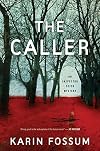
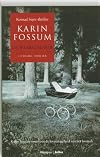
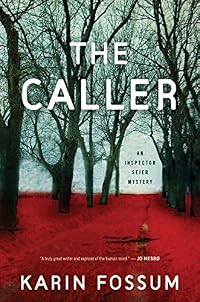
Inspector Sejer investigates the delivery of a threatening postcard that coincides with the discovery of a child who was found covered in blood but unharmed in her stroller.Tags
Recommendations












Member Reviews
A young man, whose home life leaves much to be desired, takes his aggression out on random people with cruel "pranks" that end up having serious repercussions. I really liked how we got to follow all the victims and the perpetrator and get their backstories - it made for a multi-dimensional read that kept the stakes high. Sejer's story and his physical health (or rather its deterioration) also works to raise the stakes. Very interesting installment in a high-quality series I would recommend to any and all mystery-readers.
One fine summer afternoon, a mother leaves her baby outdoors, asleep in her pram, and when she goes to check on her, finds the baby covered in blood. It turns out the baby is fine, and it’s not even her blood, and someone has played a cruel joke on the family which takes a severe emotional toll. Inspector Sejer begins his investigation, and soon realizes someone is orchestrating a string of pranks. Meanwhile, we meet Johnny Beskow, a young man living with his alcoholic mother. There is no doubt Johnny is the prankster, but the reader knows this well before Sejer figures it out.
Karin Fossum has taken the Inspector Sejer series from traditional “whodunnit” murder mysteries to psychological thrillers where the criminal is identified show more early, and suspense is created through the orchestration of their downfall. In The Caller, Johnny’s pranks become more elaborate and he takes more chances. But eventually his actions have horrific consequences (possibly one of the most grueling scenes I’ve read this year), and things begin to unravel. Justice is served, as it always is, but even this happens in an unusual way. Good stuff. show less
Karin Fossum has taken the Inspector Sejer series from traditional “whodunnit” murder mysteries to psychological thrillers where the criminal is identified show more early, and suspense is created through the orchestration of their downfall. In The Caller, Johnny’s pranks become more elaborate and he takes more chances. But eventually his actions have horrific consequences (possibly one of the most grueling scenes I’ve read this year), and things begin to unravel. Justice is served, as it always is, but even this happens in an unusual way. Good stuff. show less
This entry into the Inspector Sejer series is unusual in that we see very little of Sejer and his fellow police detectives. Instead, the narrative focuses on the victims and the perpetrator, and tracks the effects of even what seem to be harmless pranks on those who are their targets. It's not unusual for a book to be written from the perspective of the villain, but it doesn't serve as a police procedural. Rather, it enlists the reader in sympathy for each of the characters, with one possible exception.
Látókör-szélesítési programom keretében ismét a skandináv krimik irányába fordultam, és megismerkedtem Sejer felügyelővel. Nos, Sejer felügyelő a skandináv nyomozók között igazi unikumnak számít, amennyiben nem alkoholista, sőt családi traumái se nagyon vannak. Igaz, megözvegyült, de hát az már nagyon régen volt, azóta már bőven túltette magát rajta. Jelen pillanatban a legnagyobb magánéleti problémája az, hogy szomáliai származású, balettművész unokáját választják-e ki a Hattyúk tava előadásának főszerepére, vagy sem. Szóval nem is annyira rendőr ő, mint inkább a tökéletes nagyapó archetípusa. Ennyi erővel Micimackó, vagy a kolozsvári Mátyás-szobor is nyomozhatna, show more kábé ugyanennyit tennének hozzá az ügy kigombolyításához. De – ez nem is baj.
Merthogy ez nem igazán skandináv krimi – Fossum témakezelése ugyanis legalább annyira emlékeztet Dosztojevszkijre, mint Nesbo-re. A történet amúgy mintha H. G. Wells Az időgép -ének újramesélése lenne: ott ugye élnek a felszínen békességben, harmóniában az ártalmatlan eloik, a mélyben pedig a gonosz morlockok, akik gyűlölettel eltelve figyelik az eloikat, és gyakorta meg is esznek közülük párat. Fossum igazi főszereplője a nagykamasz Johnny Beskow, egy a morlockok közül, aki szegény, alkoholista és rosszindulatú anyjával él a norvég társadalom legalján, és irigyen szemléli, hogy az eloiknak szemmel láthatóan minden megadatott: kertes ház, szeretetteljes családi légkör, és életük központi problémája, hogy lecseréljék-e a Honda CR-V-t Toyota Land Cruiserre, mert az vagányabb. Elhatározza, hogy bosszút áll rajtuk, és válogatott kis (és nagy) gonoszságok elkövetésével elrabolja tőlük hamis biztonságérzetüket. Fossum szépen íveli a cselekményt – elsősorban Beskowra fókuszál, aki egy kis szörny, mégis nyomokban emberit tartalmaz, másodsorban pedig a nyugodalmas kisvárosi közegre, ami egyre inkább megtelítődik a bizalmatlansággal, dühvel és félelemmel. Aztán hogy a morlock Beskow mit talál az eloik lelke mélyén, miután lehántotta róluk a biztonságot adó civilizációs mázt – hát ezen aztán tényleg el lehet gondolkodni.
Jó kis krimi. Vagy nem-krimi. Vagy krimi, ami több, mint krimi. Ezt még majd eldöntöm. show less
Merthogy ez nem igazán skandináv krimi – Fossum témakezelése ugyanis legalább annyira emlékeztet Dosztojevszkijre, mint Nesbo-re. A történet amúgy mintha H. G. Wells Az időgép -ének újramesélése lenne: ott ugye élnek a felszínen békességben, harmóniában az ártalmatlan eloik, a mélyben pedig a gonosz morlockok, akik gyűlölettel eltelve figyelik az eloikat, és gyakorta meg is esznek közülük párat. Fossum igazi főszereplője a nagykamasz Johnny Beskow, egy a morlockok közül, aki szegény, alkoholista és rosszindulatú anyjával él a norvég társadalom legalján, és irigyen szemléli, hogy az eloiknak szemmel láthatóan minden megadatott: kertes ház, szeretetteljes családi légkör, és életük központi problémája, hogy lecseréljék-e a Honda CR-V-t Toyota Land Cruiserre, mert az vagányabb. Elhatározza, hogy bosszút áll rajtuk, és válogatott kis (és nagy) gonoszságok elkövetésével elrabolja tőlük hamis biztonságérzetüket. Fossum szépen íveli a cselekményt – elsősorban Beskowra fókuszál, aki egy kis szörny, mégis nyomokban emberit tartalmaz, másodsorban pedig a nyugodalmas kisvárosi közegre, ami egyre inkább megtelítődik a bizalmatlansággal, dühvel és félelemmel. Aztán hogy a morlock Beskow mit talál az eloik lelke mélyén, miután lehántotta róluk a biztonságot adó civilizációs mázt – hát ezen aztán tényleg el lehet gondolkodni.
Jó kis krimi. Vagy nem-krimi. Vagy krimi, ami több, mint krimi. Ezt még majd eldöntöm. show less
Karin Fossum is a quietly disturbing storyteller who sets her stories in ordinary small Norwegian communities where everything seems wholesome and well-0rdered but, when a crime is committed and the gentle, wise detective Konrad Sejer comes to sort it out with his sidekick, Jacob Skarre, we realize that surface is deceptive, that in fact the mild-mannered and almost boringly normal residents have hidden depths and dark secrets. Though perhaps “secrets” is the wrong word. A lot of what’s wrong is perfectly visible; it’s just that people prefer to think their community is a better place than it really is.
In this case, a happy couple, having a pleasant meal together, assume their infant daughter is quite safe in her baby buggy show more parked in the back yard. When they finally begin to think it’s time they brought thechild indoors, they are horrified to find her covered in blood. After a frantic race to the hospital they learn it’s not her blood. Someone has played a cruel hoax, the first of many.
It’s a well-told story, and thought provoking (though there is some violence so awful that it makes me hesitate to recommend the book unreservedly). We get to see how the hoaxes affect their victims, including the strain it puts on the young married couple in the opening scenes. We learn who is likely responsible for them, and get a sense of how it gives an unhappy teenager with a difficult life a sense of power and control. The best character in the story, a girl with short red hair who shouts insults at passers by and notices everything, breaks out of this mold by being thoroughly aware, thoroughly herself, and instinctively good without being a goody two-shoes.
Fossum takes rather ordinary materials and, when putting them under a magnifying glass, brings out a lot of emotional texture and nuance that lends her books a kind of suspense that isn’t matched by thrillers with demonic killers and high body counts. Though acted out on a small stage and with few words, the impact is amplified. In part, it is the social pressure to support a communal appearance of normality and happiness that works against people taking responsibility for looking closer at things that really aren’t healthy in the community. And while evil is small-scale and human, truly awful things can grow out of a moment’s impulse.
Sejer is an unusual character in that he is thoroughly decent, a deeply kind and peaceful man, who acts more like a physician trying to heal a community than a crime fighter matching wits with villains. What Fossum finds so fascinating isn’t how evil people can be; it’s the way that small holes deliberately torn in the social fabric of a community can widen and unravel in ways that nobody can predict.
Not long ago, Maxine Clarke said something that I remembered when reading this book – that there is something “fabular” about Fossum’s books, and I felt that very strongly here, particularly in the opening scene when an idyllically happy couple live in a perfect little house beside a deep dark wood . . . and that fairy tale pattern is repeated later. It’s never a good sign in Fossum’s books when the language grows simple and the primary colors a bit too bright:
"The mother was in the kitchen. She couldn’t see the pram through the window, but she wasn’t concerned about her sleeping baby, not for an instant.
"Pottering about thoroughly content, she was light as a ballerina on her feet, not a single worry in her heart. She had everything a woman could dream of: beauty, health, and love. A husband, a child, a home and garden with rhododendrons and lush flowers. She held life in the palm of her hand."
There’s something almost vengeful in the way Fossum describes this image that is as glossy and false as an Ikea advertisement, as if contentment is for suckers. Her touch was a bit lighter in earlier books, the stories somewhat less schematic. It’s funny, because the parts that read like a fable seem a bit clumsy in contrast to the psychological nuance and acute observation of other parts of the book. show less
In this case, a happy couple, having a pleasant meal together, assume their infant daughter is quite safe in her baby buggy show more parked in the back yard. When they finally begin to think it’s time they brought thechild indoors, they are horrified to find her covered in blood. After a frantic race to the hospital they learn it’s not her blood. Someone has played a cruel hoax, the first of many.
It’s a well-told story, and thought provoking (though there is some violence so awful that it makes me hesitate to recommend the book unreservedly). We get to see how the hoaxes affect their victims, including the strain it puts on the young married couple in the opening scenes. We learn who is likely responsible for them, and get a sense of how it gives an unhappy teenager with a difficult life a sense of power and control. The best character in the story, a girl with short red hair who shouts insults at passers by and notices everything, breaks out of this mold by being thoroughly aware, thoroughly herself, and instinctively good without being a goody two-shoes.
Fossum takes rather ordinary materials and, when putting them under a magnifying glass, brings out a lot of emotional texture and nuance that lends her books a kind of suspense that isn’t matched by thrillers with demonic killers and high body counts. Though acted out on a small stage and with few words, the impact is amplified. In part, it is the social pressure to support a communal appearance of normality and happiness that works against people taking responsibility for looking closer at things that really aren’t healthy in the community. And while evil is small-scale and human, truly awful things can grow out of a moment’s impulse.
Sejer is an unusual character in that he is thoroughly decent, a deeply kind and peaceful man, who acts more like a physician trying to heal a community than a crime fighter matching wits with villains. What Fossum finds so fascinating isn’t how evil people can be; it’s the way that small holes deliberately torn in the social fabric of a community can widen and unravel in ways that nobody can predict.
Not long ago, Maxine Clarke said something that I remembered when reading this book – that there is something “fabular” about Fossum’s books, and I felt that very strongly here, particularly in the opening scene when an idyllically happy couple live in a perfect little house beside a deep dark wood . . . and that fairy tale pattern is repeated later. It’s never a good sign in Fossum’s books when the language grows simple and the primary colors a bit too bright:
"The mother was in the kitchen. She couldn’t see the pram through the window, but she wasn’t concerned about her sleeping baby, not for an instant.
"Pottering about thoroughly content, she was light as a ballerina on her feet, not a single worry in her heart. She had everything a woman could dream of: beauty, health, and love. A husband, a child, a home and garden with rhododendrons and lush flowers. She held life in the palm of her hand."
There’s something almost vengeful in the way Fossum describes this image that is as glossy and false as an Ikea advertisement, as if contentment is for suckers. Her touch was a bit lighter in earlier books, the stories somewhat less schematic. It’s funny, because the parts that read like a fable seem a bit clumsy in contrast to the psychological nuance and acute observation of other parts of the book. show less
The book takes you deep into the hearts and minds of both victims and perpetrators, and, as in other Karin Fossum novels, the mystery is not who did it, but what made them do it. Fossum is no apologist for criminal behaviour, and never makes light of the consequences of her characters' villainous actions. Nevertheless, she can make you understand them in ways no other writer can. She shows a depth of compassion and insight rare not only in crime literature, but any literature. It's as if she's saying, "what this person did is atrocious; this is how they think; this is what happened to them", and we end up taking the complicated and uncomfortable stance that she seems to be taking herself - that is, that there is no excuse for the crimes show more done, but that the criminal is comes from a place where he or she could not have acted otherwise, given their psychology and twisted thought processes.
Her writing style is superb. The similes and metaphors are enlightening, and ring true. It's no surprise to me that she is also a poet of some standing. show less
Her writing style is superb. The similes and metaphors are enlightening, and ring true. It's no surprise to me that she is also a poet of some standing. show less
One of the most exciting things about a new book from Karin Fossum is exactly where she's going to take the reader this time. The scenarios, the crimes, the individuals that Fossum incorporates in her books are always very thought provoking, and THE CALLER was certainly no different.
From the moment that a young child is found in her pram, in the backyard of her parent's home, bathed in blood; through the mysterious delivery of a message to Inspector Sejer's door; into the story of Johnny and his drunken, irresponsible mother and the touching relationship he has with his grandfather; there's something very very different going on in this book. THE CALLER is very much about consequences. The acts of one irresponsible, foolish prankster show more who continues to cause havoc with practical jokes that annoy, frighten and discomfort. Even though the nature of the crime being committed as part of these jokes is sometimes obvious, sometimes a little obscure, Inspector Sejer does his best to find the perpetrator as the level of concern grows. The problem is that the perpetrator is clever, and very cool and collected, and you just know the outcomes are going to get worse.
THE CALLER takes the reader into the world of both victims and perpetrators - an unusual position in crime fiction where the victim is frequently necessarily silent. Whilst this provides a different perspective it is, as usual, Fossum's way of lighting the dark recesses of human behaviour that stand out in this book. Although there's nothing judgemental about the way that she does this - as in other books, it's a matter of the author drawing the picture, explaining the acts and describing the consequences, leaving the question of guilt or innocence, inexcusable acts and mitigating circumstances open to the reader to consider.
All of this is delivered in a simple, lyrical, extremely readable manner. THE CALLER is really another excellent entry in the ongoing series based around Inspector Sejer. The books, however, could easily be read as standalones or out of series order if needs must. But reading them all is no trial whatsoever. show less
From the moment that a young child is found in her pram, in the backyard of her parent's home, bathed in blood; through the mysterious delivery of a message to Inspector Sejer's door; into the story of Johnny and his drunken, irresponsible mother and the touching relationship he has with his grandfather; there's something very very different going on in this book. THE CALLER is very much about consequences. The acts of one irresponsible, foolish prankster show more who continues to cause havoc with practical jokes that annoy, frighten and discomfort. Even though the nature of the crime being committed as part of these jokes is sometimes obvious, sometimes a little obscure, Inspector Sejer does his best to find the perpetrator as the level of concern grows. The problem is that the perpetrator is clever, and very cool and collected, and you just know the outcomes are going to get worse.
THE CALLER takes the reader into the world of both victims and perpetrators - an unusual position in crime fiction where the victim is frequently necessarily silent. Whilst this provides a different perspective it is, as usual, Fossum's way of lighting the dark recesses of human behaviour that stand out in this book. Although there's nothing judgemental about the way that she does this - as in other books, it's a matter of the author drawing the picture, explaining the acts and describing the consequences, leaving the question of guilt or innocence, inexcusable acts and mitigating circumstances open to the reader to consider.
All of this is delivered in a simple, lyrical, extremely readable manner. THE CALLER is really another excellent entry in the ongoing series based around Inspector Sejer. The books, however, could easily be read as standalones or out of series order if needs must. But reading them all is no trial whatsoever. show less
Members
- Recently Added By
Published Reviews
Ruth Rendell reads Karin Fossum. It makes sense. Both are mistresses of psychological suspense with talents for excellent police series. But while Rendell takes us into the darkest minds, Fossum peppers her plots with violence in the everyday. This tightly constructed story begins with a sleeping baby in her back yard in Oslo. Mummy is making dinner. Daddy is at work. Everything is perfect, show more until the parents discover their baby drenched in blood.
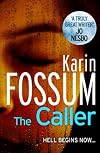
Fortunately, it’s not her blood. It’s a prank, stupid and horrible and life-changing. Inspector Konrad Sejer is on the case, with much press coverage, when he receives a note: “Hell begins now.”
More evil pranks follow, with equally horrible results. A woman reads her obituary in the paper; a cancer patient has a visit from the undertaker. The pranks are perpetrated by a miserably unhappy teenaged boy who lives with his alcoholic mother and survives on visits to his adored grandfather. I won’t give away any more of a clever plot but bad things happen. Fossum is among the best new voices in the genre. show less
Fortunately, it’s not her blood. It’s a prank, stupid and horrible and life-changing. Inspector Konrad Sejer is on the case, with much press coverage, when he receives a note: “Hell begins now.”
More evil pranks follow, with equally horrible results. A woman reads her obituary in the paper; a cancer patient has a visit from the undertaker. The pranks are perpetrated by a miserably unhappy teenaged boy who lives with his alcoholic mother and survives on visits to his adored grandfather. I won’t give away any more of a clever plot but bad things happen. Fossum is among the best new voices in the genre. show less
added by VivienneR
Un bebé aparece cubierto de sangre, pero sin ningún rasguño. Una anciana que acaba de celebrar su cumpleaños descubre su propia esquela en el periódico. Un matrimonio recibe atónito la visita de un trabajador de la funeraria que viene a recoger el cadáver del marido, todavía vivo. El inspector de policía Konrad Sejer encuentra una extraña nota: «¡El infierno empieza ahora!». La show more calma de una pequeña población se ve interrumpida: alguien se está dedicando a sembrar el terror con mensajes que presagian la muerte de quienes lo reciben. Un libro en el que lo importante no es saber quién lo hizo, sino los motivos que le impulsaron a hacerlo. show less
added by Pakoniet
Lists

Books Read in 2013
1,629 works; 51 members

Reading List - Scandinavian Fiction
134 works; 3 members
Author Information

51+ Works 10,410 Members
Some Editions
Series

Belongs to Publisher Series
Mirabilia (163)
Common Knowledge
- Canonical title
- The Caller
- Original title
- Varsleren
- Original publication date
- 2009
- People/Characters
- Konrad Sejer (police inspector); Jacob Skarre; Holthemann (police chief); Johnny Beskow (17); Trude Beskow (mother of Johnny); Henry Beskow (grandfather of Johnny) (show all 25); Else Meiner (10, neighbour of Henry); Asbjørn Meiner (father of Else); Mai Sinok (Thai carer of Henry); Margrete Sundelin (baby); Lily Sundelin (mother of Margrete); Karsten Sundelin (father of Margrete); Gunilla Mørk (70, lady in newspaper); Theo Bosch (Theodor, 8, boy in woods); Hannes Bosch (father of Theo); Wilma Bosch (mother of Theo); Sverre Skarning (sheep farmer); Helge Landmark (man in wheelchair); Astrid Landmark (wife of Helge); Frances Mold (15, girl on scooter); Evelyn Mold (mother of Frances); Bjørn Schillinger (dog owner); Snorrason (pathologist); Ingrid (daughter of Sejer); Matteus (ballet dancer, grandson of Sejer)
- Important places
- Bjerketun, Norway (fictional); Askeland, Norway (fictional); Norway
- Epigraph
- It's a good thing there are lies
Lord help us
if everything that was said
were true
--Old adage - First words
- The child slept in a pram behind the house.
- Quotations
- Hell begins now.
- Last words
- (Click to show. Warning: May contain spoilers.)And Else Meiner got on her blue Nakamura bicycle.
- Original language
- Norwegian
Classifications
- Genres
- Fiction and Literature, Mystery
- DDC/MDS
- 839.82 — Literature & rhetoric German & related literatures Other Germanic literatures Danish and Norwegian literatures Norwegian literature
- LCC
- PT8951.16 .O735 .V3713 — Language and Literature German, Dutch and Scandinavian literatures Norwegian literature Individual authors or works 1961-2000
- BISAC
Statistics
- Members
- 549
- Popularity
- 53,832
- Reviews
- 31
- Rating
- (3.65)
- Languages
- 13 — Danish, Dutch, English, Estonian, Finnish, French, German, Hungarian, Italian, Norwegian (Bokmål), Norwegian, Spanish, Swedish
- Media
- Paper, Audiobook, Ebook
- ISBNs
- 46
- ASINs
- 9