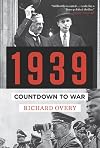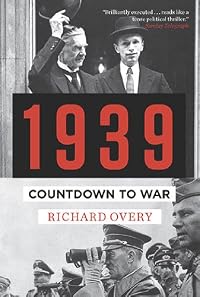
1939 : Countdown to War
by Richard Overy
On This Page
Description
History. Military. Nonfiction. On August 24, 1939, the world held its collective breath as Hitler and Stalin signed the now infamous nonaggression pact, signaling an imminent invasion of Poland and daring Western Europe to respond. In this dramatic account of the final days before the outbreak of World War II, award-winning historian Richard Overy vividly chronicles the unraveling of peace, hour by grim hour, as politicians and ordinary citizens brace themselves for a war that could spell show more the end of European civilization. Nothing was entirely predictable or inevitable. The West hoped that Hitler would see sense if they stood firm. Hitler was convinced the West would back down. Moments of uncertainty alternated with those of confrontation; secret intelligence was used by both sides to support their hopes. The one constant feature was the determination of Poland, a country created only in 1919, to protect its newfound independence against a vastly superior enemy. 1939 documents a defining moment in the violent history of the twentieth century. show lessTags
Recommendations








Member Recommendations
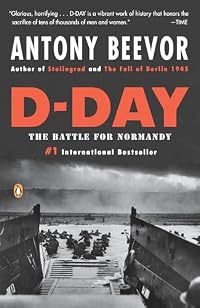
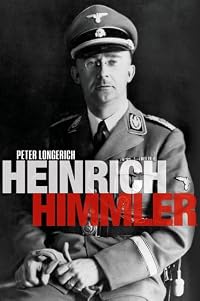
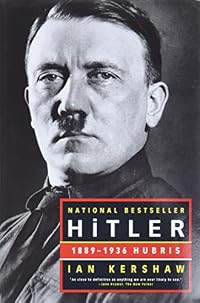
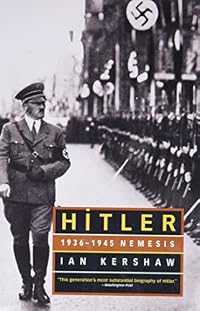
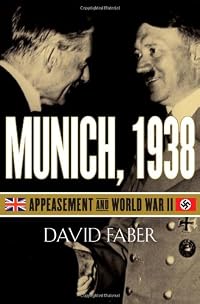
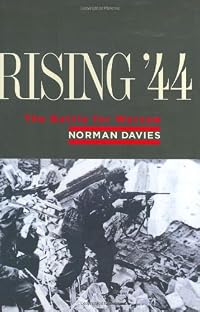
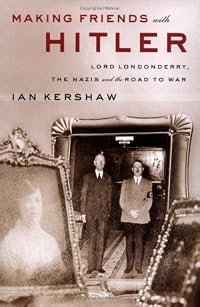
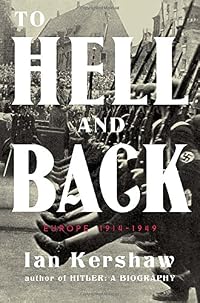
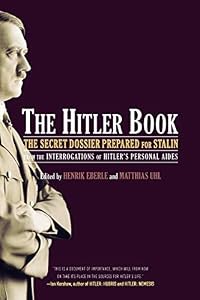
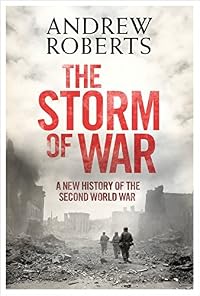
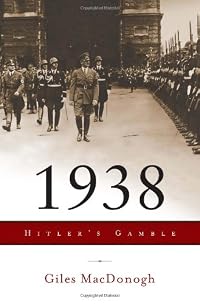
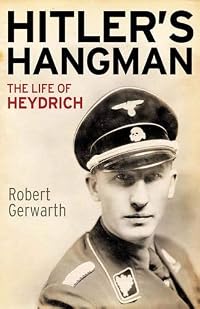
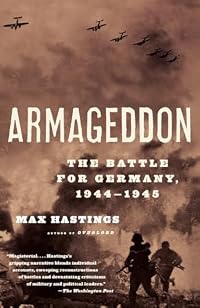
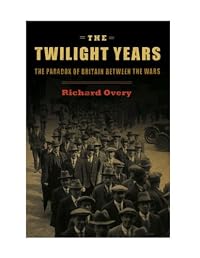
g026r A broader investigation of the lead-up, covering a longer period and all the major actors.
Member Reviews
This is a short, focused book about the few months in 1939 that led to war, in particular the actions, beliefs, hopes, fears of key players all of whom wanted to avoid war, but at different levels. Hitler wanted a short, sharp war with Poland and didn’t believe that France and Britain would truly declare war in support of Poland; leaders of France and Britain wanted to avoid war and they grasped at straws of intelligence and rumours in the effort to do so, but they knew from bitter experience that Hitler could not be trusted. As Overy puts it, “All the sides eventually involved in the crisis in August and September that led to world war were locked into a collision course from the spring of 1939. Poland was determined not to concede show more to German demands, and was armed with an international guarantee to strengthen that determination”.
Overy argues that Chamberlain felt a “deep sense of personal betrayal” when Hitler broke his word and occupied the Czech state on 15 March. From that date forward, though he always preferred peace to war, he had few illusions about Hitler and he “turned his singleness of purpose and unyielding temperament to the task of obstructing any further violence to the European order”. Overy refutes those who charge Chamberlain with seeking further appeasement to avoid war: “Historians have been generally unwilling to concede that Chamberlain and Daladier were committed to war rather than to further appeasement. This view is at odds with the evidence”. Chamberlain may have fought to the last minute to find solutions, but “on the central issue of honouring the pledge to wage war when Poland was attacked there is no evidence that he would have abandoned it”.
Looking back, the course of events looks linear, but Overy is very good at depicting the fog of events and the uncertainties of decision-making for those involved in the crises, all recognizing that war would mean a general, possibly world-war, and the deaths of countless numbers of people: “Insufficient account is taken in all the final days of drama of the extraordinary toll imposed on those at the very centre of events that tumbled over each other in bewildering profusion…All those involved fell prey to debilitating bouts of tension, uncertainty and anxiety, and it is little surprise that frayed nerves and hurried thoughts made democratic politics more difficult to conduct in the final days of crisis”. There was also the very natural human tendency to seek collaboration of already held views and to discount those at odds when sifting through intelligence and rumours. For the Germans this meant finding straws to confirm Hitler’s belief that Britain and France would back down. For Britain and France, it meant seeking any hint in words or phrases that Hitler would back down. These “mental boxes” provoked a “growing irrationality in which the wider picture of the longer causes of the confrontation were abandoned…”. There was, in addition, a sense of events taking over and as those involved “grew more steadily subject to the mental pressures and physical debilitation of long periods of intense labour with little sleep”, it was “increasingly difficult to think in any terms outside the immediate crisis for the moment or to consider the larger consequences”.
Did Hitler want a general, world war? Overy argues no. He sides with those who argue that Hitler wanted war with Poland to “flesh out the central European empire and open the way for the eventual confrontation with Stalin’s Soviet Union”, as part of fulfilling a German “geopolitical fantasy” about carving out from Eastern Europe “a larger and more savage version of the Habsburg Empire”.
In the end, though the honour of their pledge to Poland was important for Britain and France, “the reality of war in 1939 was not to save Poland from a cruel occupation but to save Britain and France from the dangers of a disintegrating world”.
A thoughtful, insightful book on the fateful months and decisions that led to WWII, not without lessons for today, particularly on the tendency to be trapped inside mental boxes and to seek collaboration of views rather than refutations that could require reassessments. show less
Overy argues that Chamberlain felt a “deep sense of personal betrayal” when Hitler broke his word and occupied the Czech state on 15 March. From that date forward, though he always preferred peace to war, he had few illusions about Hitler and he “turned his singleness of purpose and unyielding temperament to the task of obstructing any further violence to the European order”. Overy refutes those who charge Chamberlain with seeking further appeasement to avoid war: “Historians have been generally unwilling to concede that Chamberlain and Daladier were committed to war rather than to further appeasement. This view is at odds with the evidence”. Chamberlain may have fought to the last minute to find solutions, but “on the central issue of honouring the pledge to wage war when Poland was attacked there is no evidence that he would have abandoned it”.
Looking back, the course of events looks linear, but Overy is very good at depicting the fog of events and the uncertainties of decision-making for those involved in the crises, all recognizing that war would mean a general, possibly world-war, and the deaths of countless numbers of people: “Insufficient account is taken in all the final days of drama of the extraordinary toll imposed on those at the very centre of events that tumbled over each other in bewildering profusion…All those involved fell prey to debilitating bouts of tension, uncertainty and anxiety, and it is little surprise that frayed nerves and hurried thoughts made democratic politics more difficult to conduct in the final days of crisis”. There was also the very natural human tendency to seek collaboration of already held views and to discount those at odds when sifting through intelligence and rumours. For the Germans this meant finding straws to confirm Hitler’s belief that Britain and France would back down. For Britain and France, it meant seeking any hint in words or phrases that Hitler would back down. These “mental boxes” provoked a “growing irrationality in which the wider picture of the longer causes of the confrontation were abandoned…”. There was, in addition, a sense of events taking over and as those involved “grew more steadily subject to the mental pressures and physical debilitation of long periods of intense labour with little sleep”, it was “increasingly difficult to think in any terms outside the immediate crisis for the moment or to consider the larger consequences”.
Did Hitler want a general, world war? Overy argues no. He sides with those who argue that Hitler wanted war with Poland to “flesh out the central European empire and open the way for the eventual confrontation with Stalin’s Soviet Union”, as part of fulfilling a German “geopolitical fantasy” about carving out from Eastern Europe “a larger and more savage version of the Habsburg Empire”.
In the end, though the honour of their pledge to Poland was important for Britain and France, “the reality of war in 1939 was not to save Poland from a cruel occupation but to save Britain and France from the dangers of a disintegrating world”.
A thoughtful, insightful book on the fateful months and decisions that led to WWII, not without lessons for today, particularly on the tendency to be trapped inside mental boxes and to seek collaboration of views rather than refutations that could require reassessments. show less
This slim volume focuses with heart-in-mouth breathlessness on the scant few days between August 24 and September 3, 1939, when Germany, Poland, the Soviet Union, Great Britain, and France teeter on the brink of a war that is to be far larger than the one Hitler originally wanted. Overy lays out, with great precision, the back story of Hitler’s frustrated push for a war with Czechoslovakia the year before, and his eagerness to reclaim the land he believes was unfairly appropriated for Poland during the Great War. He appears to want a “limited war;” what he gets is an alliance between Great Britain and France, sworn to come to Poland’s aid, and events that spiral out of hand even as elder statesmen bring all of their diplomatic show more skills to bear to avoid a Second World War. We know how this one ends, but it doesn’t diminish the day-by day retelling, and the vain hope that the reader can somehow avert all-out war. show less
A quick, interesting read about the diplomatic lead-up to the start of the Second World War. In particular, this is summer 1939, with a lot of August, and mainly in Britain, France, and Germany, with a tad of Poland and mentions of Italy, the U.S.S.R. and the U.S.A. More about Soviet maneuverings may have been beneficial, but this is a solid, thought-provoking account. Well told and engaging, I have found some of Overy's books in the past boring. All is solidly researched in the primary sources, something Overy never fails at. One map, no images, no bibliography; source notes and index.
This book reads like a single ominous antebellum drumbeat that gets more hair-raising as it goes along and actually induced chills at the start of war. The details are positively fascinating in that a) wow, all this went down! and b) all that went down is known in history! This is quite a valuable book from which a great many lessons can be derived. An important experience.
This is a very quick read, worthwhile for anyone interested in the thinking of Hitler, as well as the leaders of the English, French, and Poles, in the week immediately preceeding the breakout of World War II. Hitler was determined to have Danzig and his Polish corridor, and was willing to believe that the French and British would back down rather than enter into a war over the matter. The British and French, on the other hand, hoped that their strong stance in support of Poland, and their stated committment to support of the Polish state would deter Hitler. Both sides, and Overy shows, were mistaken in their thinking, and the diplomatic exchanges proved ineffective. Reading about the thinking of both sides in the leadup to WW II was show more both informative and interesting. show less
It's not necessarily that this is a bad book, but rather that Overy has already written The Road to War, an excellent work offering a much broader investigation of the leadup to war. (Both in terms of the period covered and the nations involved.)
1939 presents a more focused view, narrowing in on a handful of events for a trio of actors. [Germany, Great Britain, and France. Poland gets a bit of discussion, but as they were largely a passive actor in terms of whether it would be a local war or a global one, their actions are primarily presented in relation to the other three.] Though more fine-grained at times than Road, I'd certainly recommend the latter before this book. In the end, I'd say that this work feels somewhat superfluous, and show more is for those who already know the general overview but want a detailed accounting of the actions taken in those final days. show less
1939 presents a more focused view, narrowing in on a handful of events for a trio of actors. [Germany, Great Britain, and France. Poland gets a bit of discussion, but as they were largely a passive actor in terms of whether it would be a local war or a global one, their actions are primarily presented in relation to the other three.] Though more fine-grained at times than Road, I'd certainly recommend the latter before this book. In the end, I'd say that this work feels somewhat superfluous, and show more is for those who already know the general overview but want a detailed accounting of the actions taken in those final days. show less
Desde finales de agosto hasta comienzos de septiembre de 1939, las cancillerías y gobiernos de las potencias europeas vivieron una actividad frenética ante una guerra a todas luces inminente y cuyas consecuencias imprevisibles mantenían en vilo a Europa entera. Desde hacía tiempo, parecía evidente que Hitler quería recuperar la ciudad alemana de Danzig, declarada «ciudad libre» por el Tratado de Versalles y rodeada ahora de territorio polaco. Mientras el ejército de este país se aprestaba a una heroica defensa de sus fronteras, al dictador alemán tan sólo le detenía la aparente firmeza de británicos y franceses para cumplir sus compromisos de ayuda mutua con Polonia; pero ante la opinión pública occidental se alzaba el show more espectro del pacto entre Hitler y Stalin. show less
Oct 14, 2010Spanish
Members
- Recently Added By
Lists

What A Year: Books titled with a particular year
147 works; 2 members
Author Information

74+ Works 6,877 Members
Richard Overy is Professor of History at the University of Exeter, UK. He has published more than 25 books on the history of air power, the Second World War and the European dictatorship. He was the winner of the Wolfon Prize for history in 2004 and in 2014 he won a Cundill Award for his book The Bombing War: European 1939-1945. He is a Fellow of show more the British Academy, and a Member of the European Academy for Science and Arts. show less
Some Editions
Series
Belongs to Publisher Series
Common Knowledge
- Canonical title
- 1939 : Countdown to War
- Original title
- 1939 : Countdown to War
- People/Characters
- Joseph Stalin
- Original language*
- Inglés
*Some information comes from Common Knowledge in other languages. Click "Edit" for more information.
Classifications
- Genres
- History, Nonfiction, General Nonfiction
- DDC/MDS
- 940.5311 — History & geography History of Europe History of Europe 1918- World War II, 1939-1945 Social, political, economic history; Holocaust Causes
- LCC
- D741 .O83 — History of Europe, Asia, Africa and Oceania History (General) World War II (1939-1945)
- BISAC
Statistics
- Members
- 286
- Popularity
- 112,069
- Reviews
- 9
- Rating
- (3.58)
- Languages
- 10 — Dutch, English, French, German, Italian, Norwegian (Bokmål), Norwegian, Portuguese, Spanish, Swedish
- Media
- Paper, Audiobook, Ebook
- ISBNs
- 22
- ASINs
- 6